Is your furry friend scratching more than usual? If your dog’s skin seems irritated, you’re not alone.
Many pet owners face this issue, and it can be quite frustrating to watch your beloved pet suffer. But don’t worry—you can help your dog feel better with the right care and attention. Imagine the relief you’ll feel once you know how to soothe your pet’s discomfort effectively.
You’ll not only help your dog feel comfortable again, but you’ll also strengthen the bond between you and your loyal companion. Keep reading to uncover simple and effective solutions that can make a world of difference for your dog’s skin health.
Identifying Skin Irritation In Dogs
Detecting skin irritation in dogs involves noticing redness, itching, or unusual behavior. Quick relief can be achieved by using soothing ointments and ensuring cleanliness.
Identifying Skin Irritation in Dogs Understanding how to identify skin irritation in dogs is crucial for their well-being. Dogs can’t tell us when something is wrong, so it’s up to you to spot the signs. Early detection can prevent more severe health issues and keep your furry friend comfortable and happy.Common Symptoms
You might notice your dog scratching more than usual. Excessive licking or biting at certain spots is another red flag. Check for redness, rashes, or flaky skin during your daily petting sessions. If your dog suddenly loses patches of fur, it could indicate skin irritation. Look for any bumps or swelling on their skin. A foul odor from their coat might also be a sign of an underlying problem.Causes Of Skin Irritation
Various factors can cause skin irritation in dogs. Fleas and ticks are common culprits that can lead to itchy skin. Ensure your dog is regularly treated with appropriate anti-parasitic medication. Allergies to food, pollen, or even household cleaning products can also trigger skin issues. Pay attention to any changes in your dog’s environment or diet that coincide with the start of irritation. Stress might not seem like an obvious cause, but it can affect your dog’s skin health. Ensure your dog has a calm, safe space and enough exercise to alleviate stress. Have you considered how your routine might impact your dog’s comfort?
Credit: www.facebook.com
Consulting A Veterinarian
Seeing your furry friend suffer from irritated skin can be distressing. While there are home remedies and over-the-counter solutions, sometimes the problem requires professional intervention. Consulting a veterinarian ensures your dog receives the best care tailored to their needs, helping them recover and stay healthy.
When To Seek Professional Help
It can be challenging to determine when your dog’s skin condition warrants a vet visit. If your dog’s skin irritation persists for more than a week despite home treatment, it’s time to consult a professional. Other signs include excessive scratching, redness, swelling, or any signs of infection such as pus or foul odor.
Additionally, if your dog seems to be in pain or discomfort, a vet can provide immediate relief and prevent further complications. Remember, your vet is your best ally in ensuring your dog’s skin remains healthy.
Preparing For A Vet Visit
Preparation can make a vet visit more productive. Before your appointment, jot down any symptoms your dog has been exhibiting, including their frequency and severity. Noticing patterns can help your vet diagnose the issue more accurately.
Collect any relevant information on dietary changes, new environments, or recent exposure to other animals. This data can be crucial in identifying potential allergens or irritants. Lastly, bring any medications or products you’ve used so the vet can evaluate their impact.
By preparing adequately, you ensure that your vet has all the information needed to treat your dog’s irritated skin effectively. What steps do you usually take to ensure a successful vet visit?
Home Remedies For Dog Skin Irritation
Is your furry friend scratching more than usual? Dog skin irritation can be uncomfortable for your pet and concerning for you. Luckily, there are simple, effective home remedies to help soothe your dog’s itchy skin. These remedies are safe, natural, and easy to apply, bringing relief to your beloved pet without a trip to the vet. Let’s explore some of the best options to treat irritated dog skin using items you might already have in your home.
Oatmeal Baths
An oatmeal bath can be a soothing experience for your dog. Oatmeal acts as a natural cleanser and moisturizer, offering relief from itching and irritation. To prepare, grind plain oatmeal into a fine powder and mix it into warm bath water.
Let your dog soak for about 10-15 minutes, ensuring the oatmeal water covers the affected areas. After the bath, gently pat your dog dry to avoid further irritation. It’s a simple remedy, but it can make a world of difference for your pet’s comfort.
Coconut Oil Application
Coconut oil is more than just a kitchen staple; it’s a miracle worker for irritated dog skin. Its antibacterial and antifungal properties help heal and soothe the skin. Simply apply a small amount of coconut oil to the affected areas, massaging it gently into your dog’s skin.
Not only does this help reduce inflammation, but it also promotes a healthy shine in your dog’s coat. You might find your dog enjoys the soothing sensation, making this remedy a win-win for both of you.
Aloe Vera Gel
Have you ever wondered if the aloe vera gel you use for sunburn could work for your dog? It can! Aloe vera is known for its healing properties, and it’s safe for your dog’s skin. Apply a thin layer of pure aloe vera gel directly to the irritated areas.
This natural remedy helps reduce redness and inflammation. Make sure to use pure aloe vera gel, avoiding any products with added fragrances or alcohol that could irritate your dog’s skin further. The cooling effect can bring immediate relief to your pup.
When trying these home remedies, monitor your dog’s reaction closely. If you notice any adverse effects or if the irritation persists, consult your veterinarian. Could these simple steps be the key to a happier, itch-free dog? Give them a try and see the difference they make!
Commercial Treatments
Commercial treatments for irritated dog skin can be a lifesaver for both you and your furry friend. These solutions are readily available and often provide quick relief, helping to soothe your dog’s discomfort effectively. By understanding the various options, you can make informed choices that will restore your pup’s skin health and happiness.
Medicated Shampoos
Medicated shampoos are specially formulated to tackle specific skin issues in dogs. They contain ingredients like oatmeal, aloe vera, or even prescription-strength components that target irritation and inflammation. Have you noticed your dog scratching excessively after a walk in the park?
Using a medicated shampoo can help wash away allergens and soothe the skin. Always follow the instructions on the bottle, ensuring you leave the shampoo on your dog’s coat for the recommended time before rinsing thoroughly.
Topical Creams
Topical creams offer direct application to affected areas, providing targeted relief. These creams can be particularly useful for hot spots or localized irritation. Ever seen your dog chewing on a particular spot, leaving it red and sore?
A dab of topical cream can work wonders, reducing inflammation and promoting healing. Look for creams with hydrocortisone or other anti-inflammatory agents, but consult your vet to choose the right one for your dog’s specific needs.
Antihistamines
Antihistamines might be your answer if your dog’s skin irritation stems from allergies. These medications help to reduce the histamine response in the body, alleviating symptoms like itching and swelling. Does your dog seem to react to certain foods or environments?
A simple antihistamine, often available over-the-counter, can make a significant difference. However, it’s crucial to discuss the proper dosage and type with your veterinarian to ensure safety and effectiveness.
Diet And Supplements
Improve your dog’s skin health with a balanced diet and supplements. Omega fatty acids and vitamin E support skin regeneration. Consult a vet to choose supplements suitable for your dog’s needs.
Diet and supplements play a crucial role in treating irritated dog skin. The right nutrients can support skin health and reduce inflammation. Understanding what to include in your dog’s diet can make a big difference. Let’s explore how specific components like omega-3 fatty acids, probiotics, and balanced nutrition can help.Omega-3 Fatty Acids
Omega-3 fatty acids are essential for skin health. They help reduce inflammation and improve skin texture. These nutrients are found in fish oil, flaxseed, and certain fish. Adding these to your dog’s diet can soothe irritated skin. Regular intake keeps the skin moisturized and less prone to irritation.Probiotics
Probiotics are beneficial for gut health. A healthy gut can impact skin condition positively. They help balance bacteria in the stomach, aiding digestion. Better digestion means fewer toxins, which can irritate the skin. You can find probiotics in yogurt, supplements, or special dog foods.Balanced Nutrition
Balanced nutrition is key to overall health. A diet rich in vitamins and minerals supports skin health. Vitamins A, E, and zinc are particularly beneficial. Ensure your dog gets the right balance of proteins, fats, and carbohydrates. This balance strengthens the immune system and promotes healthy skin. Choose high-quality dog food with natural ingredients for the best results.Preventive Measures
Regular grooming helps soothe your dog’s skin and prevent irritation. Check for fleas and ticks often, using natural repellents. A healthy diet, rich in Omega-3 fatty acids, supports skin health.
Preventive Measures Proper care can prevent many skin issues in dogs. Taking the right steps can ensure your dog’s skin remains healthy and comfortable.Regular Grooming
Regular grooming keeps a dog’s skin healthy. Brush your dog’s coat to remove loose fur and dirt. This helps air circulate around their skin. Bathing your dog with mild shampoo also keeps their skin clean. Always dry their coat after a bath to prevent irritation.Flea And Tick Control
Fleas and ticks cause major skin problems for dogs. Use vet-recommended flea and tick prevention products. Regularly check your dog’s skin for these pests. A clean environment reduces the risk of infestations.Allergy Management
Allergies often irritate a dog’s skin. Identify allergens that affect your dog. This could be food, pollen, or dust. Use hypoallergenic dog food if needed. Consult your vet for proper allergy management.Monitoring And Follow-up
Regularly inspect your dog’s skin for signs of irritation. Document changes and reactions to treatments. Adjust care based on observations to ensure effective healing.
Monitoring and follow-up are crucial steps in ensuring your furry friend’s skin health is on the right track. After identifying and beginning treatment for irritated dog skin, consistently keeping an eye on their progress can help you make informed decisions about adjustments needed in their care. Are you observing signs of improvement, or do you need to tweak your approach? This section will guide you through tracking your dog’s healing journey and making necessary adjustments to their treatment plan.Tracking Progress
Keep a journal to record changes in your dog’s skin condition. Document any visible improvements, such as reduced redness or swelling, or note if new symptoms appear. Photograph your dog’s skin weekly to visualize improvements over time. This can be particularly useful when consulting with your vet. Talk to your dog! Notice behavioral changes. Are they scratching less or appearing more comfortable? Your dog’s behavior can be an invaluable indicator of their healing progress.Adjusting Treatment Plans
If progress stalls or worsens, reconsider the treatment approach. Discuss with your vet about alternative treatments or medications. Environmental factors might be affecting your dog’s skin. Examine any changes in their surroundings, such as new bedding or household cleaners, that could be irritants. Diet adjustments could also be necessary. Consider whether food allergies might be contributing to skin issues and consult your vet about dietary changes. Remember, your dog relies on you for their health and comfort. Are you prepared to make changes for their wellbeing? Always be proactive in seeking solutions and don’t hesitate to reach out for professional guidance when needed.
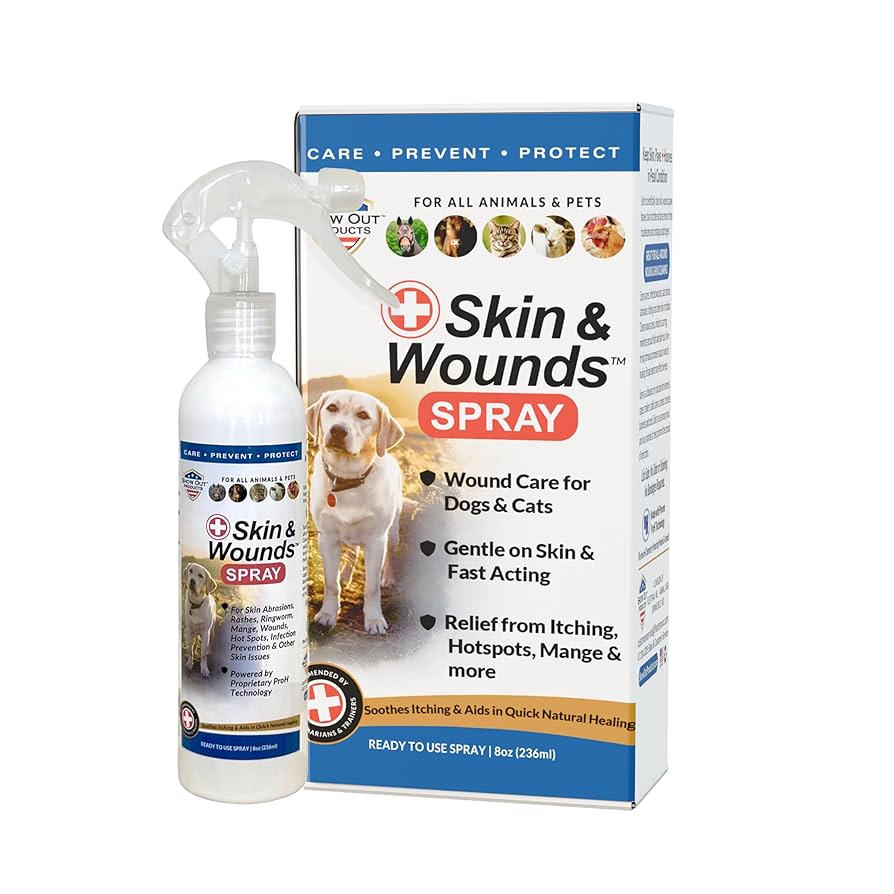
Credit: www.amazon.com

Credit: www.amazon.com
Frequently Asked Questions
What Causes Irritated Skin In Dogs?
Irritated dog skin can result from allergies, parasites, or infections. Common allergens include pollen, dust, and certain foods. Fleas or mites can lead to itching and redness. Additionally, skin infections caused by bacteria or fungi might worsen irritation. Identifying the root cause is crucial for effective treatment.
How Can I Soothe My Dog’s Itchy Skin?
To soothe your dog’s itchy skin, consider using a vet-recommended soothing shampoo. Aloe vera or oatmeal-based products can provide relief. Ensure your dog is flea-free and maintain a clean environment. If irritation persists, consult a veterinarian for further evaluation and treatment options.
Are There Home Remedies For Dog Skin Irritation?
Yes, several home remedies can help soothe dog skin irritation. A gentle oatmeal bath can relieve itching. Coconut oil may moisturize and reduce inflammation. Apple cider vinegar diluted with water can act as a natural antiseptic. Always consult your vet before trying home treatments to ensure safety.
When Should I See A Vet For Dog Skin Issues?
Visit a vet if your dog’s skin irritation persists for over a week. Constant scratching, bleeding, or signs of infection warrant immediate attention. If home remedies don’t help, or if the irritation worsens, professional evaluation ensures proper diagnosis and treatment.
Conclusion
Caring for your dog’s skin is crucial for their happiness. Simple steps make a big difference. Regular baths with gentle shampoo help soothe irritation. Choose products with natural ingredients for safety. Keep your dog’s diet balanced. Healthy food supports skin health.
Ensure they drink plenty of water. Hydration is key. Monitor for any changes in their skin. Early detection prevents bigger issues. Consult a vet if needed. Professional advice is valuable. Your furry friend deserves comfort and care. Follow these tips to ensure your dog’s skin stays healthy and irritation-free.
A little attention goes a long way.


