Do Dogs Need Coats: Essential Winter Guide
Senior Canine Nutritionist & Dog Behavior Specialist at Cozy Dog Go Wellness Lab
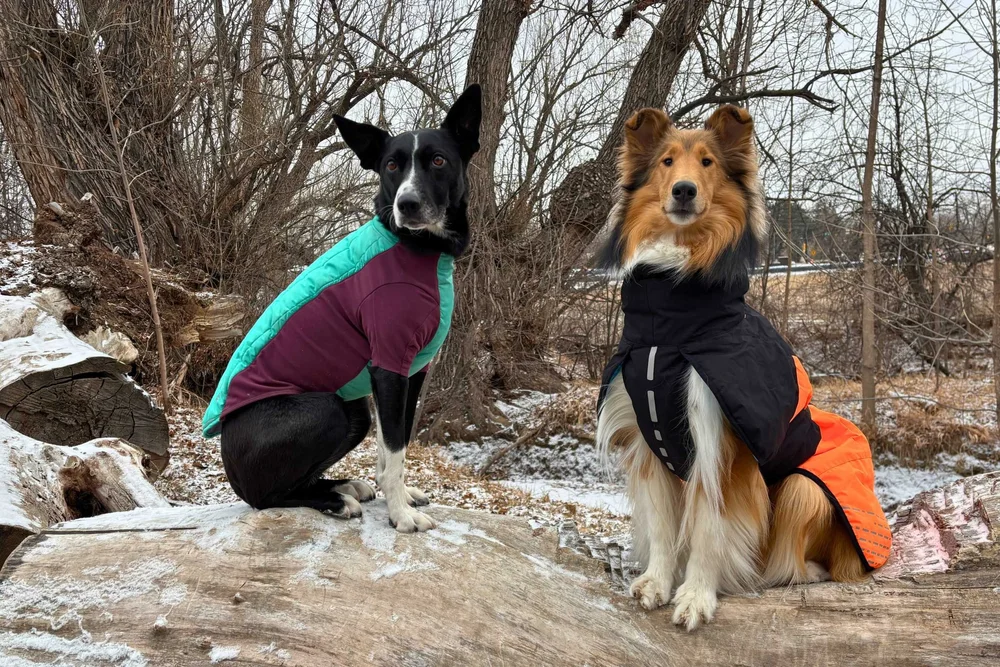
As a dog owner, you’ve likely pondered the question: do dogs need coats? You might have noticed your furry friend shivering on a chilly morning walk or hesitating to step outside when the weather turns cold.
It’s natural to wonder if a cozy coat could make them more comfortable and keep them healthy. We dive into the heart of this dilemma, exploring whether your loyal companion truly benefits from wearing a coat. You’ll discover the surprising factors that determine a dog’s need for extra warmth and learn how to make the best decision for your pet.
Stay with us, and you’ll be equipped with the knowledge to ensure your dog’s comfort and well-being, no matter the weather.
Benefits Of Dog Coats
Dog coats offer warmth and protection during cold weather. They shield against rain and snow, keeping fur dry. Additionally, coats can reduce shedding and dirt indoors, making life easier for pet owners.
Dog coats are not just a fashion accessory; they serve multiple practical purposes that can enhance your pet’s quality of life. Whether you’re stepping out for a walk on a chilly morning or navigating through a rain-soaked street, a well-chosen dog coat can make a world of difference. Let’s explore the myriad benefits dog coats offer.Warmth And Comfort
Many dogs, especially those with short fur, feel the cold more intensely. A good coat provides that extra layer of warmth to keep them comfortable during winter walks. Imagine the peace of mind knowing your furry friend is cozy and happy on those brisk mornings.Protection From Elements
Rain, snow, or even harsh sunlight can be challenging for your dog’s skin and fur. A waterproof coat shields them from getting soaked during a sudden downpour. Plus, it prevents the hassle of drying them off and cleaning muddy paws after every outing.Fashion Statement
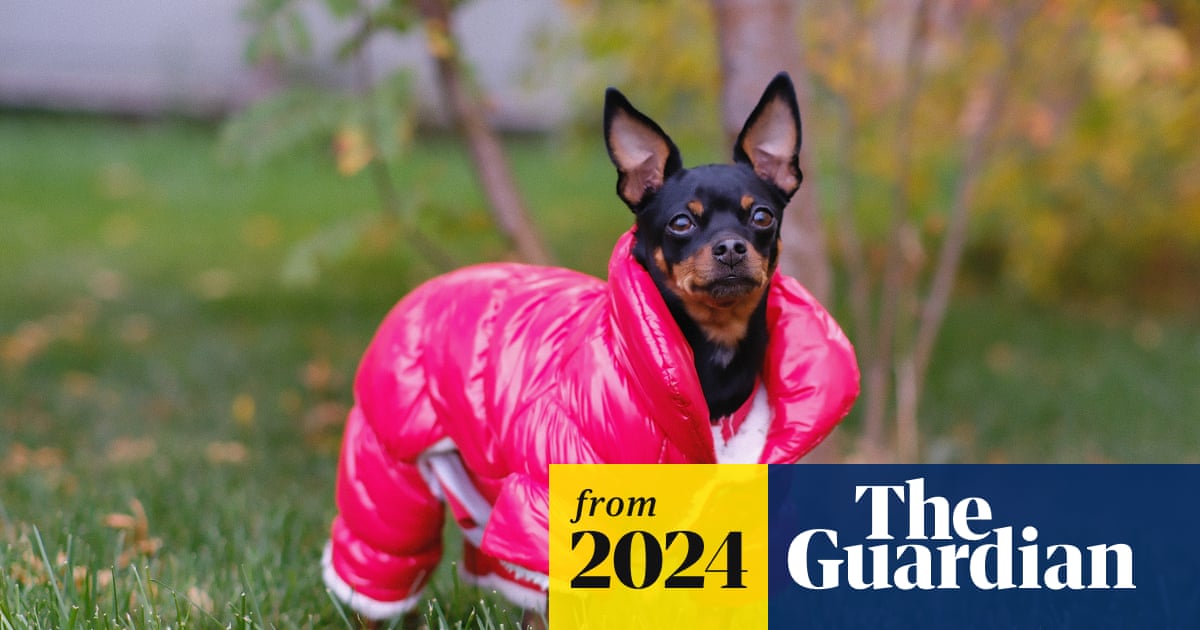
Dog coats have evolved into stylish items that let your pet strut their stuff. Vibrant colors, chic patterns, and even custom designs mean your dog can turn heads wherever you go. Who doesn’t love a pet that looks both adorable and trendy? Have you noticed how your dog seems to walk with a little more swagger in a new coat? That boost in confidence is part of the charm!Signs Your Dog Needs A Coat
As the temperature drops, many wonder if their dogs need coats. Dogs have different needs based on breed, age, and health. Some dogs show clear signs that they need extra warmth. Understanding these signs helps keep your furry friend comfortable and healthy.
Shivering And Cold Symptoms
Shivering is a clear sign your dog is cold. Watch for trembling legs. Cold ears and paws also indicate discomfort. A dog may curl up tightly to keep warm. These signs mean it’s time for a cozy coat.
Short-haired Breeds
Short-haired dogs feel the cold more. Breeds like Greyhounds and Chihuahuas have less natural insulation. Their thin fur doesn’t protect them well in winter. A coat helps them stay warm and happy.
Senior And Sick Dogs
Older dogs often struggle to keep warm. Their bodies don’t regulate temperature as well. Illness can make this worse. A coat supports their health by maintaining warmth. It’s especially helpful during chilly days.
Choosing The Right Coat
Choosing the right coat for your dog depends on their breed, size, and climate. Some dogs need extra warmth in cold weather. A cozy coat can help keep them comfortable and healthy.
Choosing the right coat for your dog is crucial, especially when the cold weather sets in. Not only does it provide warmth, but it also ensures comfort and freedom of movement. Your furry friend deserves a coat that matches their needs and personality. Let’s dive into how you can pick the perfect one.Material Considerations
When selecting a dog coat, the material is a top priority. Look for fabrics that are both durable and comfortable. Wool and fleece are excellent choices for warmth, while water-resistant materials like nylon can keep your dog dry in wet conditions. Consider your dog’s skin sensitivity. Some materials might cause irritation, so it’s wise to check for hypoallergenic options. Think about how easy it is to clean the coat. Machine-washable fabrics are a lifesaver for busy pet owners.Sizing And Fit
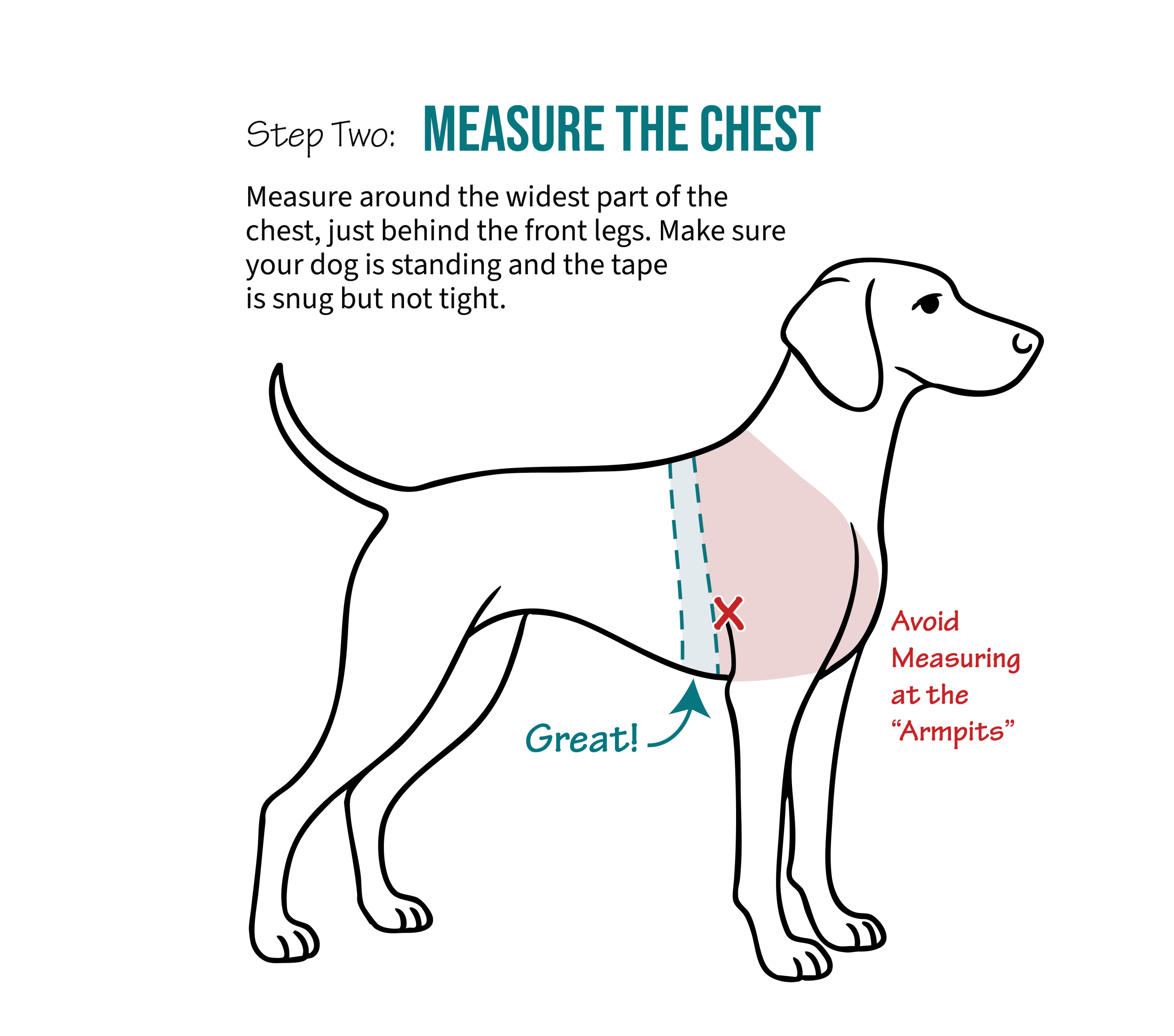
A well-fitted coat is essential for your dog’s comfort. Measure your dog accurately, focusing on their back length, chest girth, and neck size. Most brands provide a sizing chart—use it to guide your decision. A coat that’s too tight can restrict movement, while a loose one might not provide enough warmth. When I first bought a coat for my dog, I realized the importance of adjustable straps. They offer flexibility and ensure a snug fit.Style Options
Dog coats come in a variety of styles, from sporty jackets to elegant trench coats. Think about your dog’s personality and your style preferences. Do you prefer something simple or a coat that makes a fashion statement? Remember the functionality of the coat. Some styles come with added features like reflective strips for night walks or pockets to carry small items. Choose a style that suits your dog’s lifestyle and your personal taste. Isn’t it fascinating how a simple coat can enhance your dog’s outdoor experience? With the right choice, your dog will not only be warm but also strut in style during those chilly walks.Credit: www.abc.net.au
Alternatives To Dog Coats
Dogs often need protection from cold weather. While dog coats are popular, there are many alternatives that can keep your furry friend warm and comfortable. These options can be just as effective and might suit your dog’s needs better.
Indoor Heating Solutions
Keeping your dog’s indoor area warm is crucial. You can use space heaters or heated blankets. These provide a cozy environment without restricting movement. Ensure safety by placing heaters out of reach. Heated mats can also be a good option. They offer warmth directly where your dog sleeps.
Dog Sweaters And Vests
Dog sweaters are great for indoor use or mild weather. They come in various styles and materials. Choose a lightweight sweater that fits snugly. Vests are another option. They provide warmth without covering the legs. Both can be stylish and functional.
Boots For Paw Protection
Paws are sensitive to cold surfaces. Boots protect them from snow and ice. They also keep paws dry and clean. Make sure the boots fit well. Your dog should be able to walk comfortably. Look for durable and waterproof options. Many dogs need time to adjust to wearing boots.
Safety Tips For Winter Walks
Winter walks with your furry friend can be a delightful experience, but they also require a bit of planning to ensure your dog’s safety. Cold temperatures and slippery conditions can pose risks. By following these practical safety tips, you can keep your dog happy and healthy during those chilly strolls.
Avoiding Hypothermia
Your dog’s coat can help, but it’s not always enough. Monitor your dog’s behavior closely. If they start shivering, whimpering, or seem lethargic, it’s time to head indoors. Remember, dogs lose heat faster than humans, especially smaller breeds or those with short fur. Consider investing in a dog coat for extra warmth.
Monitoring Ice And Snow
Frozen surfaces can be treacherous for dogs. Ice can lead to slips and falls, while snow might hide sharp objects or dangerous substances. Regularly check your dog’s paws for cuts or irritation. Use paw wax or booties for extra protection. Clearing snow from paws can prevent ice balls from forming, which are uncomfortable and can lead to frostbite.
Visibility In Low Light
As daylight hours shorten, visibility becomes a concern. Equip your dog with a reflective collar or harness. Carry a flashlight to illuminate your path. These steps not only keep your dog visible but also help you avoid hazards on the ground. Have you ever wondered how well your dog can see in the dark? While their vision is better than ours, they still need some guidance when the light is dim.
Credit: www.theguardian.com
Credit: www.abc.net.au
Frequently Asked Questions
Do Small Dogs Need Coats In Winter?
Yes, small dogs often need coats in winter. Their small size means they lose body heat quickly. A coat helps them stay warm and comfortable. It’s especially important for dogs with short hair or those that are more sensitive to cold temperatures.
Are Dog Coats Necessary For Large Breeds?
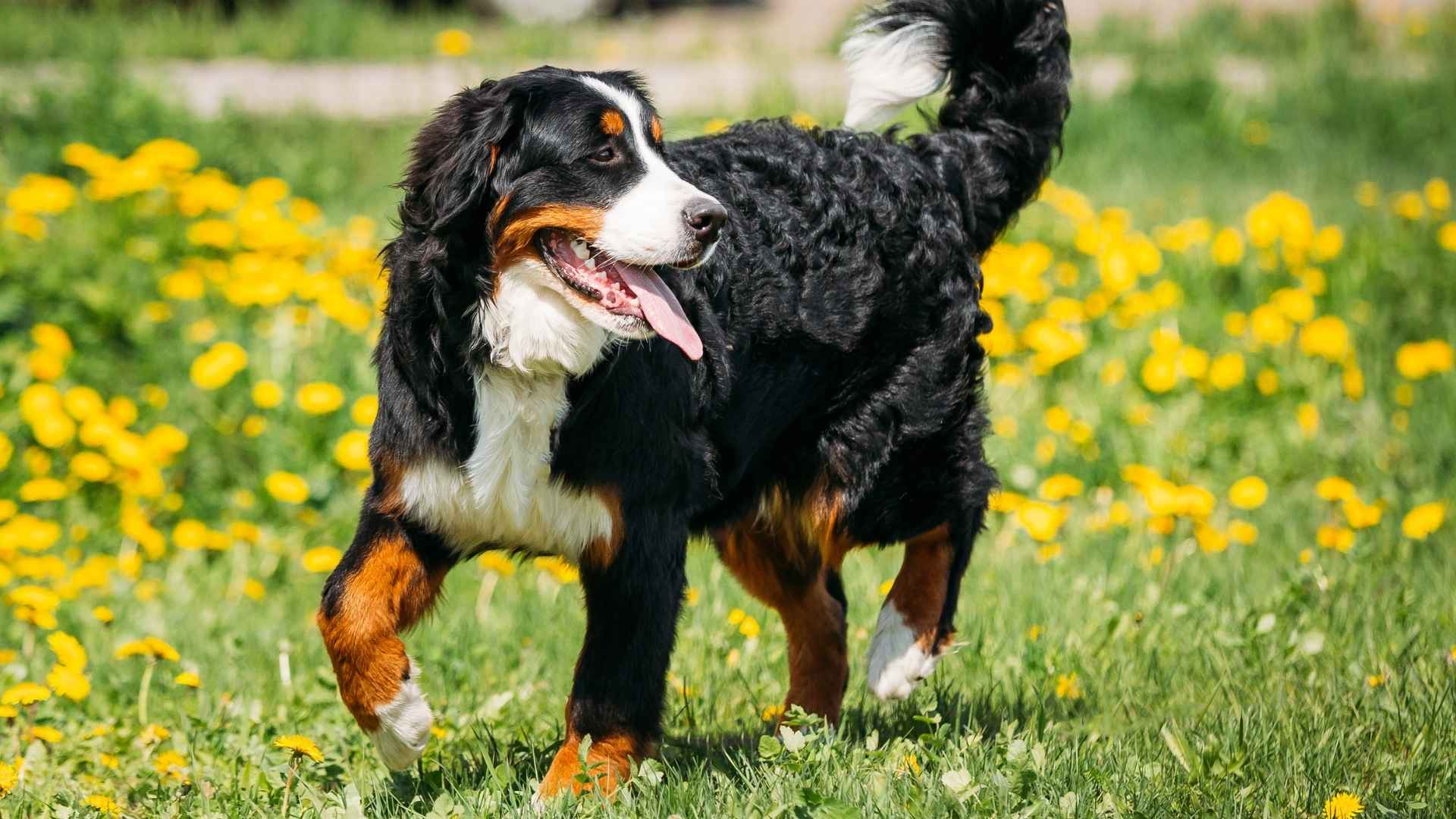
Large breeds might not always need coats. However, if they have short hair or are older, a coat can help. It keeps them warm and protects them from harsh weather conditions. Always consider the individual needs of your dog.
Can Dogs Overheat With Coats?
Yes, dogs can overheat if they’re wearing coats in mild weather. Always monitor your dog when they’re wearing a coat. If they seem too warm, it’s best to remove the coat. Choose breathable fabrics and only dress them when it’s genuinely cold.
Do Puppies Need Coats For Outdoor Walks?
Puppies often need coats for outdoor walks, especially in cold weather. They have less fat and thinner fur, making them susceptible to cold. A coat can help keep them warm and comfortable, ensuring they enjoy their walks without shivering.
Conclusion
Dogs benefit from coats in chilly weather. Small breeds need extra warmth. Short-haired dogs feel the cold more. Outdoor dogs need protection from rain. Coats can prevent sickness. Not all dogs need coats. Some breeds have natural insulation. Look at your dog’s behavior.
Shivering means they need more warmth. Comfortable dogs are happier. Observe their needs closely. Choose coats that fit well. Safety and comfort are key. Keep your dog’s lifestyle in mind. Coats should not restrict movement. Help your dog stay cozy this winter.
Your pet deserves comfort and care.

Similar Posts