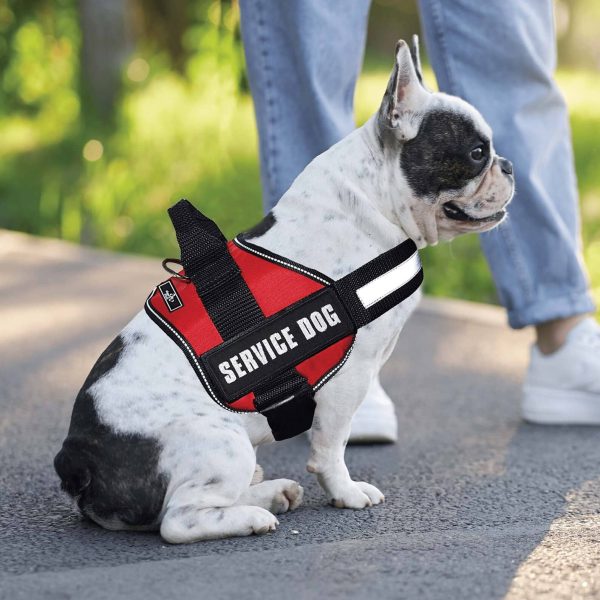
Do Service Dogs Have to Wear a Vest: Essential Facts
Imagine you’re walking down the street and spot a dog calmly guiding its owner, but there’s no vest to identify it as a service dog. You might find yourself wondering, “Do service dogs have to wear a vest?”
This question is more common than you think, especially if you’re considering getting a service dog or are simply curious about their role in society. It’s important to understand the rules and the significance of those vests. Whether you’re a pet lover, a current or future service dog owner, or just someone who wants to stay informed, this article will shed light on the truth behind service dog attire.
Keep reading to discover what really matters when it comes to service dogs and their visibility, and how these special companions change lives without a uniform.
Legal Requirements
Service dogs are not legally required to wear a vest. Their identification is not mandated by law. However, vests can help the public recognize them.
Understanding the legal requirements for service dogs can be a bit puzzling. One common question is whether these remarkable animals need to wear a vest. The answer might surprise you. While many service dogs are seen wearing vests, it’s not a legal necessity. Instead, it’s more about convenience and communication.Understanding The Law
Federal laws such as the Americans with Disabilities Act (ADA) do not require service dogs to wear a vest or any specific identification. This means that even without a vest, your service dog has the right to accompany you in public spaces. However, a vest can help signal to others that your dog is working, reducing potential misunderstandings.State Regulations
While federal law doesn’t mandate vests, some states may have specific requirements or suggestions. It’s crucial to check local laws to ensure compliance. In some regions, identifying your dog with a vest might simplify interactions with businesses or law enforcement. Though not legally required, many handlers choose to use a vest for their service dogs. Vests can help prevent unwanted petting and distractions from strangers. They can also serve as a helpful reminder to the public that your dog is on duty, enhancing the overall experience for both you and your service animal.When A Vest Might Be Necessary
Certain situations, such as air travel, might require additional identification for your service dog. Airlines often have specific regulations and may request documentation or a visible indicator like a vest. Always check with the airline ahead of time to understand their specific rules and avoid any travel hiccups.Making The Right Choice For You
Deciding whether your service dog should wear a vest ultimately depends on your personal needs and circumstances. Consider your daily interactions and how a vest might impact your experience. Would a vest make your life easier or more complicated? Reflect on these questions to determine the best approach for you and your service dog.Identification And Recognition
Service dogs play an essential role in assisting individuals with disabilities, providing both practical help and emotional support. But how do people recognize these highly trained animals in public spaces? While a vest can serve as a clear identifier, it’s not legally required for a service dog to wear one. Understanding the nuances of identification and recognition can help both owners and the public respect and support the work these animals do.
When you see a dog in a vest, you might immediately assume it’s a service animal. Vests can make identification straightforward, offering a visual cue that the dog is working. Yet, not all service dogs wear vests, leading to potential confusion.
So, how can a service dog be recognized without a vest? Owners may carry documentation or identification cards, but these are not legally mandated. The dog’s behavior is often the strongest indicator. Service dogs are trained to remain focused and calm in various environments, distinguishing them from pets.
Why Do Some Owners Choose Vests?
Many owners opt for vests to minimize distractions. A vest signals to the public that the dog is on duty, reducing unwanted interactions. It also helps in accessing public places where pets might not be allowed, facilitating a smoother experience for both the owner and the dog.
Public Perception And Misunderstanding
The absence of a vest can sometimes lead to skepticism. People might question whether the dog is genuinely a service animal. This misunderstanding can be challenging for owners, especially in situations where quick access is needed. Would you recognize a service dog without a vest?
Tips For Owners
- Consider using a vest if it helps with public interaction.
- Prepare to explain your dog’s role if questioned.
- Focus on the dog’s training and behavior as key identifiers.
Ultimately, the recognition of service dogs goes beyond vests and identification cards. A well-trained service dog can perform its duties effectively, with or without visible identifiers. As awareness grows, perhaps the public will become more adept at recognizing these invaluable companions, irrespective of their attire.
Benefits Of Wearing A Vest
Service dogs wearing vests can help identify them easily. This ensures they receive the necessary respect and access. Vests also provide a sense of professionalism and trust in public spaces.
Wearing a vest can offer significant advantages for service dogs and their handlers. It can signal the dog’s working status, enhancing public awareness and respect for both the dog and the handler. This small piece of fabric can transform interactions, ensuring smoother experiences in public settings.Enhances Recognition
Service dogs wearing vests are easily identifiable, reducing unnecessary questions or confrontations. People are more likely to respect your space when they recognize your dog is on duty. This can make navigating crowded places more manageable and less stressful.Promotes Safety
A vest can include reflective strips, making your service dog more visible in low-light conditions. This ensures both your and your dog’s safety, especially during evening walks or in busy areas. Safety features on a vest can act as a protective shield in bustling environments.Provides Identification
Vests often have pockets for carrying essential identification documents. Having your dog’s identification readily available can speed up any necessary clarifications. This convenience is invaluable during travel or when entering places with strict pet policies.Fosters Professionalism
A vest can add a level of professionalism, signaling that your dog is trained and has a specific role. This can foster respect and understanding from others, leading to a more supportive environment. It sets a tone of seriousness and dedication to your dog’s important work.Facilitates Training
Putting on a vest can help signal to your dog that it’s time to work. This can reinforce training and create a clear distinction between work and playtime. Consistent use of a vest can strengthen your dog’s focus and performance during tasks. Do you think your service dog could benefit from wearing a vest? Consider these advantages and decide what best suits your needs and lifestyle.Public Perception
Public perception often assumes service dogs must wear vests to be recognized. This is not a legal requirement. Vests can help identify them, but service dogs can work without one.
Public perception of service dogs is crucial. People often expect them to wear vests. This expectation is rooted in the visibility it provides. Vests are seen as a marker of legitimacy. They signal the dog’s role and purpose. But do service dogs really need to wear vests? Let’s explore how public perception shapes this belief.Understanding Public Expectations
Many think service dogs must wear vests. It helps identify them quickly. Without a vest, a dog may seem like a pet. This can lead to confusion in public spaces. People might question the dog’s presence. Vests provide instant recognition and reassurance.Role Of Vests In Social Interaction
Vests can guide interactions. People approach service dogs differently than pets. A vest signals the dog is working. It tells people not to disturb the dog. This helps the dog focus on its tasks. Vests also educate the public about service dogs.Impact On Service Dog Handlers
Handlers often face scrutiny without vests. Vests can ease public encounters. They reduce questions and skepticism. Handlers may feel more confident. This support helps them navigate public spaces. It strengthens the bond between handler and dog.Training And Handler Preferences
Training and handler preferences often determine if service dogs wear vests. While not legally required, vests help signal their role to the public, making interactions smoother for both handlers and dogs.
Understanding the nuances of service dog training and handler preferences can significantly impact the effectiveness of the partnership between a service dog and its handler. Service dogs undergo rigorous training to perform tasks that mitigate their handler’s disability, often tailored to the specific needs of the handler. The decision of whether the service dog wears a vest is often influenced by these training protocols and the handler’s personal comfort and convenience.Training Protocols
Service dogs are trained to focus on their tasks regardless of external distractions. Some trainers include vests as part of the training to signal the dog that they are in work mode. This visual cue can help the dog distinguish between work and play, enhancing their ability to perform effectively. However, not all training programs require vests. Some emphasize verbal commands or other cues, allowing handlers to decide based on what works best for them. Consider discussing with your trainer whether a vest might benefit your dog’s focus and performance.Handler Comfort And Convenience
Your preference as a handler plays a crucial role in whether your service dog wears a vest. Some handlers find vests beneficial for public recognition, helping to avoid unnecessary questions about the dog’s presence. This can make navigating crowded spaces less stressful. On the flip side, some handlers prefer not to use vests to maintain a lower profile. In environments where the handler feels safe and recognized, a vest might not be necessary. Think about your daily routines and interactions when deciding if a vest is right for your dog. Interestingly, there are no legal requirements for service dogs to wear vests. The Americans with Disabilities Act (ADA) does not mandate any specific gear for service animals, focusing instead on the tasks they perform. This means you have the freedom to choose what works best for your situation. Understanding this can alleviate pressure and allow you to make decisions based on practicality rather than perceived obligations. Would your service dog wearing a vest enhance your experience, or do you prefer flexibility without it?Personal Experience Insight
Having interacted with various handlers, I’ve noticed a trend where newer handlers often start with vests, but many transition away as they grow more comfortable with their dog’s cues and behavior. This evolution often stems from gaining confidence in their service dog’s training and capabilities. Reflect on your journey with your service dog. Are there areas where you feel a vest might add value, or do you find it more liberating without one? Your comfort and the dog’s performance should be the guiding factors in this decision.
Credit: fastesaletter.com
Alternatives To Vests
Service dogs don’t need a vest by law, but it can help identify them. Alternatives include bandanas or harnesses with labels. Clear identification aids public interaction and reduces confusion.
Service dogs often wear vests to identify them. But vests are not mandatory. Some dogs don’t like wearing them or find them uncomfortable. There are alternatives to vests that can help identify service dogs.1. Bandanas
Bandanas are a simple option. They are lightweight and easy for dogs to wear. You can find them in different colors and styles. Some have labels that say “Service Dog.”2. Collars
Collars can have tags indicating service dog status. They are less intrusive than vests. Some collars come with reflective materials for visibility.3. Harnesses
Harnesses provide more control over the dog. They can have labels or tags to show the dog is a service animal. Harnesses are usually more comfortable for dogs.4. Leashes
Leashes can have printed labels like “Service Dog.” They are visible to the public. This option keeps the dog comfortable while ensuring identification.5. Id Cards
ID cards can be carried by the handler. They provide proof of the dog’s status. These cards can be shown when needed.6. Patches
Patches can be sewn onto a dog’s gear. They clearly identify the dog as a service animal. Patches are durable and easy to read. These alternatives offer flexibility for service dog handlers. They ensure the dog is recognized without needing a vest.Common Misconceptions
When you think of service dogs, the image of a dog in a vest might immediately come to mind. Many people assume that service dogs are required to wear vests to indicate their role. However, this is a common misconception that can lead to confusion and misunderstandings. Let’s delve into some of these misconceptions to clarify the facts.
Misconception 1: Vests Are Mandatory For Service Dogs
One of the biggest myths is that service dogs must wear vests at all times. In reality, there is no legal requirement for service dogs to wear vests. While vests can help identify a service dog, they are not mandatory. Have you ever seen a service dog without a vest and wondered if it was legitimate? It’s crucial to understand that the absence of a vest does not diminish the dog’s role or rights.
Misconception 2: Color Of The Vest Indicates Certification
Some people believe that the color of the vest signifies the level of certification or type of service. This is not true. There is no standard color that denotes a service dog’s certification. Vests come in various colors and designs, chosen by handlers for visibility or personal preference. Just because a dog is wearing a vest doesn’t mean they have a specific certification or training level.
Misconception 3: Vests Grant Access To Restricted Areas
Many assume that a vest automatically grants a service dog access to areas where pets are not allowed. However, access rights for service dogs are determined by their role and the law, not their attire. Even without a vest, service dogs are entitled to accompany their handlers into most public spaces. Next time you see a service dog, remember that their presence is about their purpose, not their outfit.
Understanding these misconceptions is vital for fostering respect and support for service dogs and their handlers. Have you encountered any of these myths yourself? Recognizing the truth helps create a more informed and inclusive environment for everyone involved. So, next time you spot a service dog, vest or not, know that their service is valid and essential.

Credit: www.tiktok.com
Impact On Service Dog’s Role
Service dogs do not have to wear vests, but vests can help identify them in public. Identification can improve access to public spaces and ensure the dog is recognized for its important role.
The role of a service dog is pivotal in providing assistance and enhancing the quality of life for individuals with disabilities. These specially trained dogs perform tasks that their handlers cannot easily accomplish, fostering independence and confidence. But what happens when a service dog doesn’t wear a vest? Does it affect their role or how they are perceived in public?Understanding Public Perception
A service dog without a vest may lead to misunderstandings. People often associate vests with working dogs, and without one, your dog might be mistaken for a pet. This can result in unwanted interactions or distractions. Have you ever noticed how a vest can signal respect and space? It’s like a visual cue that the dog is on duty. Without it, you might find yourself explaining your dog’s role more frequently.Legal Implications
Legally, service dogs are not required to wear vests. The Americans with Disabilities Act (ADA) does not mandate any specific attire for service animals. However, a vest can sometimes make navigating public spaces smoother. Consider how a simple vest might prevent potential confrontations or questions about your dog’s legitimacy. It’s an easy way to communicate your dog’s purpose without having to speak.Functional Challenges
Not wearing a vest might pose functional challenges. For instance, it could make it difficult for staff in public places to identify your dog as a service animal. This can lead to delays or refusals of service. Think about the ease of access a vest can provide. It can help bypass unnecessary obstacles and ensure your dog’s tasks are not interrupted.Personal Experiences And Insights
Imagine walking into a crowded place with your service dog. Without a vest, you might constantly address curious onlookers. However, one handler shared how a simple vest transformed these experiences, minimizing distractions and allowing the dog to focus. Why not try using a vest for your service dog? You might find it enhances not only your dog’s role but also your overall experience in public settings.
Credit: www.amazon.com
Frequently Asked Questions
Do Service Dogs Need To Wear Vests In Public?
No, service dogs are not legally required to wear vests. However, vests can help identify them as working animals. This can prevent unnecessary questions or distractions. It’s important to remember that their rights are protected regardless of attire. Vests can be helpful but are not mandatory.
How Can You Identify A Service Dog?
Service dogs can be identified by their behavior and tasks they perform. They are trained to assist with specific disabilities. While a vest can help, it’s not required. Well-behaved and focused demeanor often distinguishes them. Always respect the handler’s privacy and the dog’s working space.
Are Service Dog Vests Beneficial?
Yes, service dog vests can be beneficial for identification. They signal to the public and staff that the dog is working. This can reduce distractions and misunderstandings. While not required, many handlers find vests useful. They provide a clear visual cue of the dog’s role.
Can Businesses Require Service Dogs To Wear Vests?
No, businesses cannot require service dogs to wear vests. The Americans with Disabilities Act protects their right to access without a vest. Businesses can only ask if the dog is required for a disability. They can also ask what tasks the dog is trained to perform.
Conclusion
Service dogs wearing vests is not legally required. Vests can help identify them. They provide visibility in public places. Some handlers choose vests for easy recognition. Others prefer no vest for personal reasons. The choice depends on individual needs and preferences.
It’s important to respect the handler’s decision. Recognize the vital role of these dogs. They provide essential support and companionship. Respect their work, with or without a vest. Understanding this helps foster awareness and inclusivity. Encourage others to learn about service dogs.
They are invaluable partners to those in need.