Should You Brush Your Dog’s Teeth: Essential Guide
Senior Canine Nutritionist & Dog Behavior Specialist at Cozy Dog Go Wellness Lab
Have you ever wondered if brushing your dog’s teeth is really necessary? You’re not alone.
Many pet owners overlook this crucial aspect of pet care, but what if I told you that neglecting your dog’s dental hygiene could lead to serious health issues? Picture this: a simple, daily habit that could add years to your furry friend’s life and save you from costly vet bills.
Intrigued? You should be. By the end of this article, you’ll discover why brushing your dog’s teeth is more than just a good idea—it’s a game-changer for their overall health. Let’s dive into why this simple act of love can make a world of difference for your beloved pet.
Credit: www.instagram.com
Importance Of Dental Health For Dogs
Just like humans, dogs require regular dental care to maintain their health. Dental issues in dogs can lead to more than just bad breath. Without proper care, your furry friend could suffer from painful dental diseases that affect their overall well-being. Let’s explore why maintaining your dog’s dental health is vital and how it can contribute to their happiness and longevity.
Preventing Dental Diseases
Did you know that a large percentage of dogs show signs of dental disease by age three? This can lead to serious conditions like gingivitis or periodontal disease. These issues aren’t just about a bit of discomfort; they can cause severe pain and tooth loss.
Regular brushing helps remove plaque and tartar, which are the main culprits of dental diseases. It might seem challenging at first, but with patience and the right tools, it can become a simple routine. Start by introducing your dog to the toothbrush in a positive way, perhaps with a treat or a fun play session afterward.
Impact On Overall Health
Dental health is intricately linked to overall health in dogs. Poor dental hygiene can lead to bacteria entering the bloodstream and affecting vital organs like the heart, liver, and kidneys. This can shorten your dog’s lifespan and reduce their quality of life.
Imagine avoiding a costly vet bill by simply brushing your dog’s teeth regularly. It’s a small investment of time that pays off in big ways for your dog’s health. By keeping their teeth clean, you’re not just protecting their smile—you’re safeguarding their entire well-being.
Have you ever noticed a change in your dog’s behavior due to discomfort? Addressing dental health could be the key to ensuring they live a happy, pain-free life. So, grab that toothbrush and make it a fun bonding time with your pup. Your dog will thank you with wagging tails and happy licks!
Signs Of Dental Issues In Dogs
Brushing your dog’s teeth can prevent bad breath, drooling, and irritated gums. Dental issues, like tartar buildup, often lead to serious health problems. Regular brushing helps maintain your dog’s oral health and overall well-being.
Signs of dental issues in dogs can be easily overlooked. Many pet owners may not realize their dogs are suffering. Dental problems can lead to discomfort or serious health issues. Understanding the signs can help in providing timely care.Recognizing Symptoms
Dogs may show several signs of dental distress. Bad breath is often the first noticeable symptom. A sudden change in eating habits can indicate pain. Drooling more than usual might point to oral issues. Swollen or bleeding gums are clear signs of gum disease. Pawing at the mouth is another signal of discomfort.Common Dental Problems
Several dental problems are common in dogs. Tooth decay occurs due to plaque and tartar buildup. Gingivitis is the inflammation of gums, leading to redness and swelling. Periodontal disease affects deeper structures supporting the teeth. It can lead to tooth loss if untreated. Broken teeth from chewing hard objects can cause pain and infection. These conditions can affect a dog’s overall health. Regular dental check-ups can prevent these issues.Benefits Of Brushing Your Dog’s Teeth
Brushing your dog’s teeth helps prevent bad breath and dental disease. It reduces plaque buildup and keeps their gums healthy. Regular brushing also promotes overall well-being by preventing infections that can affect their heart and kidneys.
Brushing your dog’s teeth is more than just a grooming routine. It plays a significant role in maintaining their overall health. Regular brushing can prevent dental issues, leading to a happier and healthier life for your furry friend. Below are some key benefits of brushing your dog’s teeth.Improved Oral Hygiene
Good oral hygiene prevents plaque and tartar buildup. These can lead to serious dental problems. Brushing removes food particles stuck in their teeth. This helps in reducing bacterial growth. Healthy gums and teeth mean fewer visits to the vet. It also reduces the risk of painful infections. Regular brushing can keep their mouth clean and healthy.Enhanced Breath Freshness
A dog’s breath can sometimes be unpleasant. Brushing their teeth helps in keeping it fresh. Food particles and bacteria cause bad breath. Regular cleaning removes these causes. A fresh breath makes interactions more pleasant. You won’t need to avoid close cuddles anymore. Your dog will enjoy being around you more.Tools Needed For Brushing
Brushing your dog’s teeth is not just a grooming task—it’s an essential part of their overall health care. To make this routine easy and effective, having the right tools is crucial. With the right toothbrush and toothpaste, you can transform a daunting task into a bonding experience with your furry friend.
Choosing The Right Toothbrush
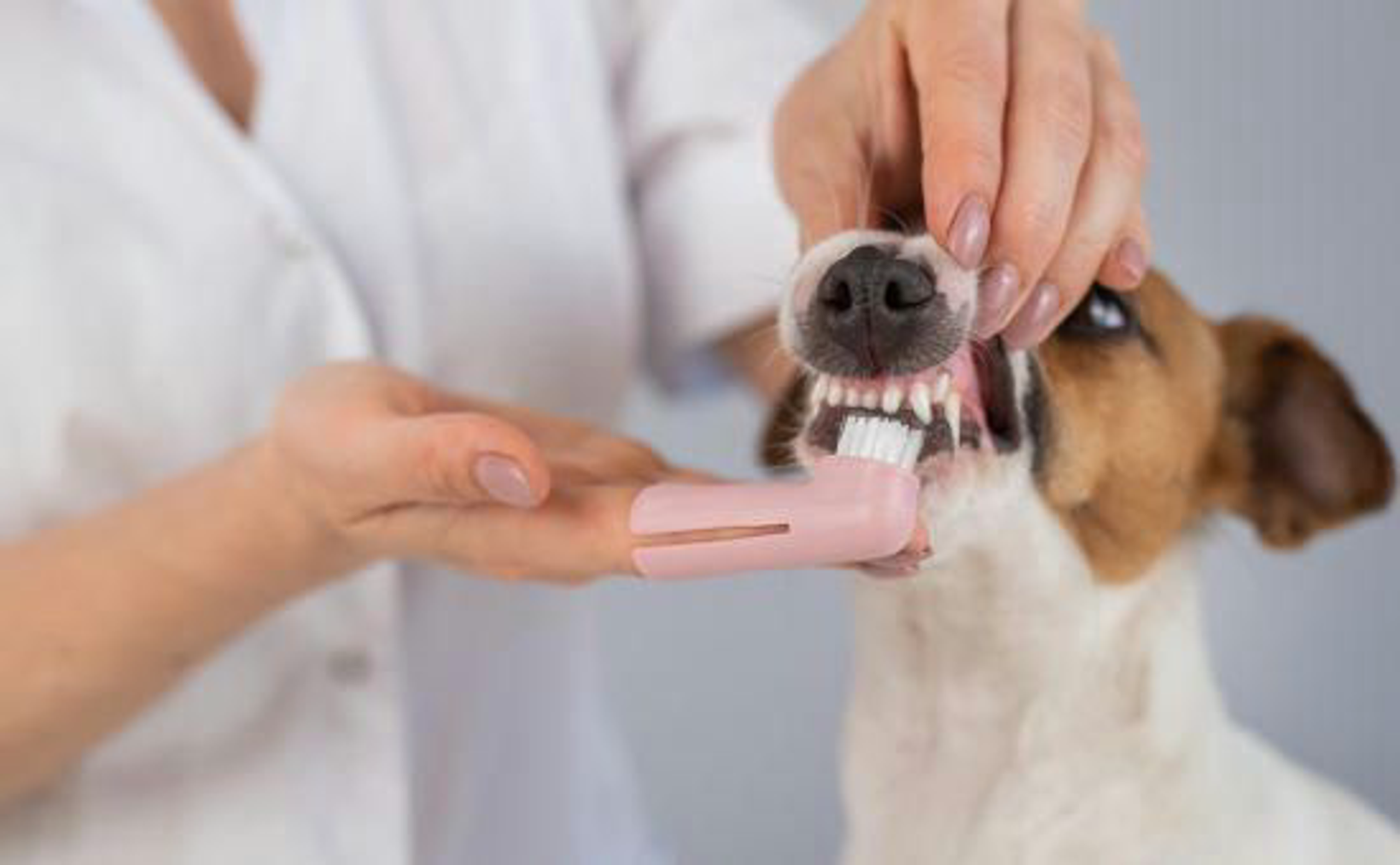
Picking the right toothbrush for your dog is like finding the perfect tool for a job. There are various options available, from finger brushes to long-handled brushes. Consider your dog’s size and comfort when making your choice.
Finger brushes offer more control and are great for smaller dogs. Long-handled brushes are ideal for reaching the back teeth of larger breeds. A dual-headed brush can also be a versatile option, catering to different sized mouths.
Selecting Dog-friendly Toothpaste
Human toothpaste is a big no-no for dogs due to harmful ingredients like fluoride. Instead, opt for a toothpaste specifically formulated for dogs. These are safe and come in flavors that your dog will love, such as chicken or beef.
Some dog toothpastes also contain enzymes that help break down plaque more effectively. Try a few flavors to see which one your dog prefers. This can make the brushing process more enjoyable for both of you.
Have you ever thought about brushing your dog’s teeth while they are relaxed after a walk? It can be a great time to introduce this routine. With the right tools, you’ll find it’s easier than you think to keep your dog’s teeth sparkling clean.
Step-by-step Brushing Technique
Proper brushing of your dog’s teeth helps prevent dental problems. Use a soft-bristled toothbrush and dog-friendly toothpaste. Gently brush in circular motions, covering all teeth and gums for effective cleaning.
Brushing your dog’s teeth might seem like a daunting task, but with the right approach, it can become a simple part of your routine. Many dog owners overlook dental care, yet it is crucial for your pet’s overall health. You’ll be surprised at how quickly your furry friend can adapt with a step-by-step technique. Let’s dive into how you can make this process smooth and effective.Preparing Your Dog
Start by choosing a quiet space where your dog feels comfortable. Make this a positive experience by offering plenty of praise and gentle petting. You might want to let your dog sniff and explore the toothbrush and toothpaste first. Use a toothpaste specifically designed for dogs—never human toothpaste. The flavors, like chicken or peanut butter, can make the process more enjoyable for your pet. A relaxed dog is more likely to cooperate, so take your time with this preparation phase.Effective Brushing Methods
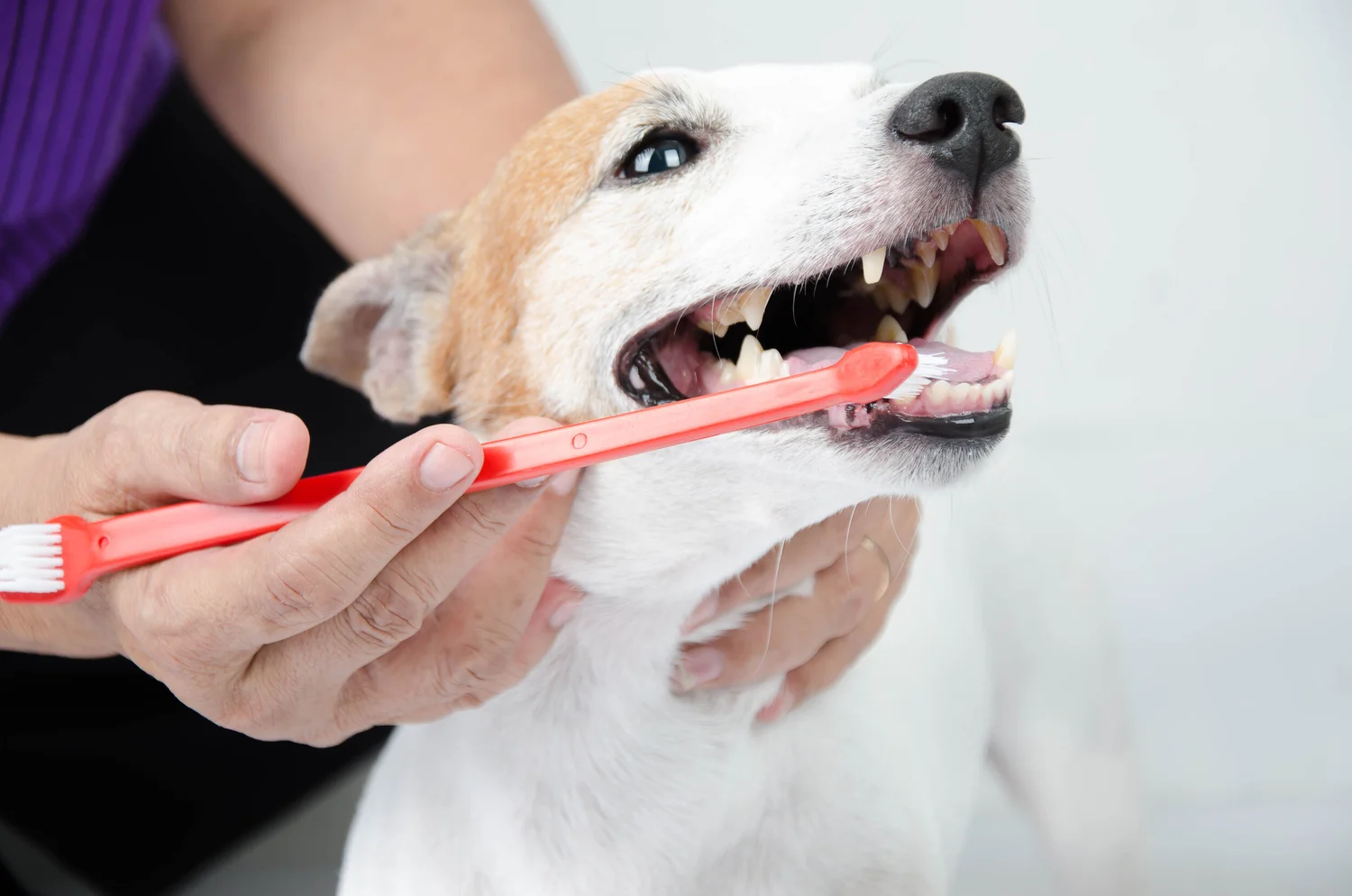
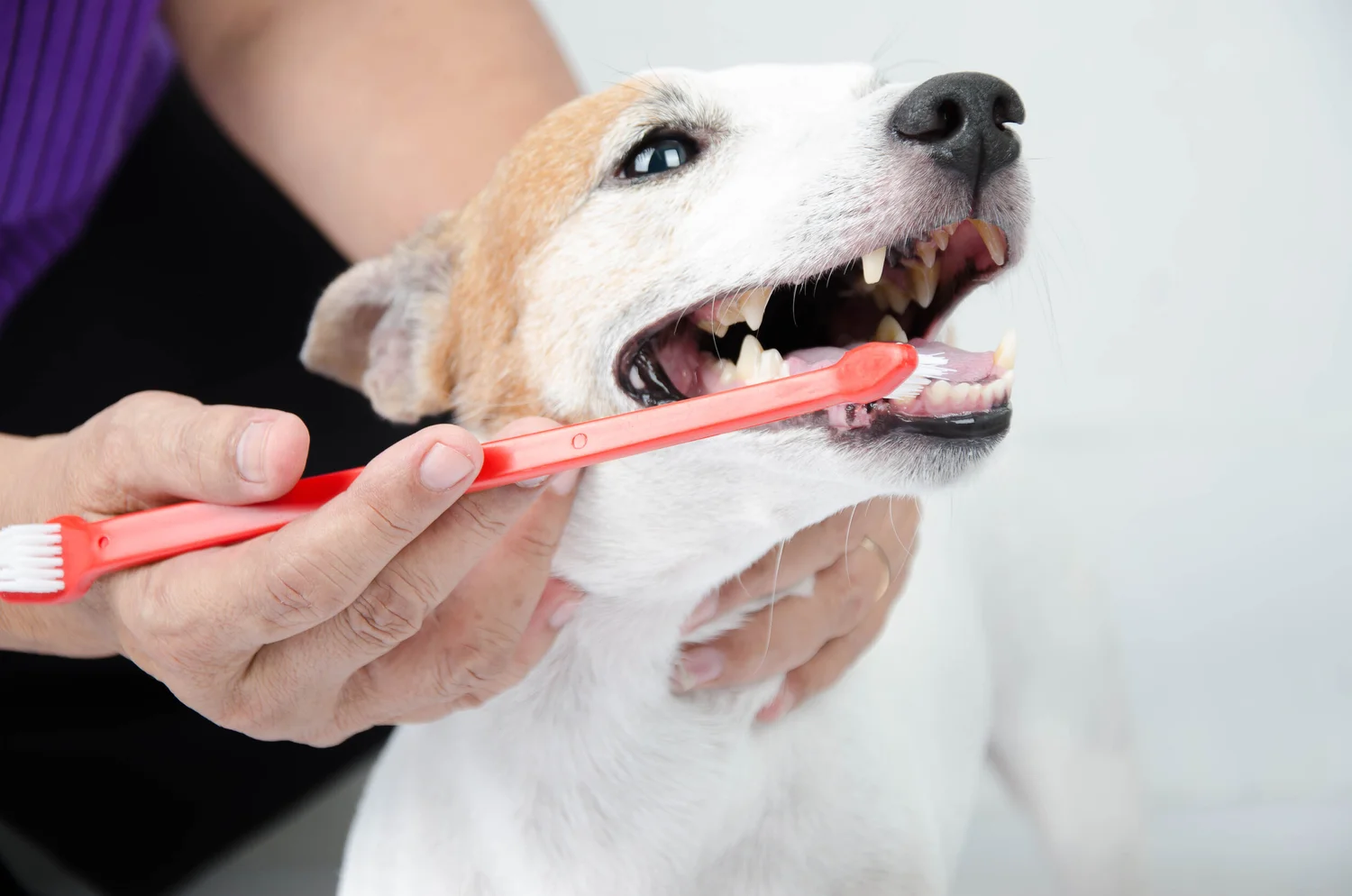
Once your dog is comfortable, gently lift their lips to expose the teeth. Begin with small circular motions, focusing on the outer surfaces of the teeth. Aim for a few seconds on each tooth. Short sessions are best; you can gradually increase the time as your dog gets used to the routine. Always reward your dog after brushing with a treat or extra playtime. This creates a positive association with dental care. Consistency is key. Consider brushing your dog’s teeth two to three times a week to prevent plaque buildup and maintain oral health. Wouldn’t it be great to know you’re extending your dog’s life with each brush?Alternatives To Brushing
Brushing your dog’s teeth is essential for oral health, but alternatives exist. Dental chews can help reduce plaque. Toys designed for dental care can also support gum health.
Brushing your dog’s teeth might not always be feasible or enjoyable for you or your furry friend. Fortunately, there are effective alternatives to maintain your dog’s oral health without the struggle of a toothbrush. Exploring these options can help keep your pet’s teeth clean and healthy with less hassle.Dental Chews And Toys
Dental chews are not just a treat; they can play a significant role in your dog’s dental hygiene. These specially designed chews help reduce plaque and tartar buildup as your dog chews on them. Look for chews approved by veterinarians, as these are more likely to be effective. Toys can also be a fun way to maintain oral health. Many toys are designed with textured surfaces that help clean your dog’s teeth as they play. Choose durable toys that your dog can chew on safely for extended periods.Professional Dental Cleaning
Sometimes, nothing beats professional care. Regular veterinary dental cleanings can be vital for your dog’s oral health. Vets have the tools and expertise to clean teeth thoroughly and spot early signs of dental issues. Schedule a professional cleaning annually or as recommended by your vet. While it may seem costly, consider it an investment in your dog’s long-term health. Wouldn’t you want to prevent potential health issues before they start? Incorporating these alternatives can make a big difference in your dog’s dental care routine. What options have you tried, and what worked best for your pet?Frequency Of Brushing
Brushing your dog’s teeth is as crucial as maintaining your own dental hygiene. But how often should you wield that toothbrush? The frequency of brushing can significantly impact your dog’s oral health, potentially preventing problems like plaque buildup, gum disease, and bad breath. Let’s dive into how often you should brush those canine chompers.
Daily Vs. Weekly Routine
Some pet owners swear by a daily brushing routine, while others find weekly sessions sufficient. Daily brushing is often recommended for optimal dental health, as it closely mimics the regularity with which we brush our own teeth. This routine can help ensure plaque doesn’t have a chance to harden into tartar.
On the other hand, a weekly routine might be more feasible for busy schedules. It’s still beneficial, especially if you pair it with other dental care practices like dental chews or professional cleanings. Think about your schedule—can you spare a few minutes daily for a quick brush?
Factors Affecting Frequency
Your dog’s age, breed, and overall health can all influence how often you should brush their teeth. Puppies might not need as frequent brushing as older dogs, who may be more prone to dental issues. Breeds with crowded teeth, like small dogs, might require more frequent care due to increased plaque buildup.
Health conditions like diabetes can also affect oral health, necessitating more frequent brushing. If your dog’s breath could knock out a rhino, it might be time to increase the frequency. Always consider your vet’s advice tailored to your dog’s specific needs.
Consistency is key, regardless of the frequency. Make brushing a positive experience with treats and praise, ensuring your dog looks forward to this bonding time. Do you think you’re ready to commit to a brushing routine that suits your dog’s needs?
Credit: dogtime.com
Common Challenges And Solutions
Brushing your dog’s teeth can be challenging. Many pet owners face common obstacles. Dogs often resist having their teeth brushed. But with patience, these challenges can be overcome. Creating a positive experience is key to success. Let’s explore some common challenges and effective solutions.
Handling Resistance
Many dogs resist having their teeth brushed. They may squirm or run away. This resistance is natural. Dogs are not used to the sensation. Start slowly and gently. Use a brush designed for pets. Let them sniff and explore the toothbrush. Use a tasty toothpaste made for dogs. Let them taste it first. Gradually introduce brushing. Short sessions are best. Keep calm and patient. Praise and reward your dog after brushing. This builds positive association.
Creating A Positive Experience
Make tooth brushing enjoyable. Choose a quiet and comfortable spot. Use gentle, soothing tones. Reward your dog with treats and praise. Play their favorite game after brushing. This creates a positive routine. Use distraction techniques. Have toys or treats nearby. Keep sessions short and fun. Regular brushing helps prevent dental issues. A positive experience encourages cooperation. Your dog will soon enjoy the routine.
Myths About Dog Dental Care
Many pet owners question the need for brushing their dog’s teeth. Some myths surrounding dog dental care can lead to confusion. Let’s unravel these misconceptions and understand the real facts about keeping your dog’s teeth healthy.
Debunking Misconceptions
One common myth is that dogs do not need dental care. People often believe that their dog’s teeth are naturally clean. This is untrue and can lead to dental problems. Another myth is that dry food cleans a dog’s teeth. While some kibble may help reduce tartar, it doesn’t replace brushing.
Some think small dogs don’t need dental care. This is false. Small breeds can have more dental issues than larger dogs. Another misconception is that dental chews are enough. Chews help but don’t remove plaque like brushing does.
Understanding The Facts
Dog dental care is essential for overall health. Brushing helps prevent gum disease and tooth decay. Regular dental care can extend your dog’s lifespan. Plaque build-up can lead to infections, affecting organs like the heart and liver.
Using a dog-specific toothbrush and paste is important. Human toothpaste can harm dogs. Start brushing when they are young to get them used to it. Regular dental check-ups at the vet also help maintain oral health.
Credit: www.facebook.com
Frequently Asked Questions
How Often Should I Brush My Dog’s Teeth?
Brushing your dog’s teeth daily is ideal for maintaining oral health. Regular brushing helps prevent plaque buildup and reduces the risk of gum disease. If daily brushing isn’t feasible, aim for at least several times a week. Consistency is key to ensuring your dog’s teeth and gums stay healthy.
What Tools Do I Need For Brushing?
You’ll need a dog-specific toothbrush and toothpaste for effective brushing. Human toothpaste isn’t suitable for dogs as it can cause stomach upset. Dog toothbrushes are designed to reach all areas of their mouth. Some dogs prefer finger brushes, which can offer better control during brushing sessions.
Are Dental Treats Effective For Oral Care?
Dental treats can complement brushing but shouldn’t replace it entirely. These treats help reduce plaque and freshen breath. However, they don’t remove all plaque like brushing does. Using them alongside regular brushing and professional cleanings will provide the best oral care for your dog.
Can Poor Oral Health Affect My Dog’s Overall Health?
Yes, poor oral health can lead to serious health issues in dogs. Dental problems can cause pain and infections, which may spread to other organs. Maintaining oral hygiene not only keeps their mouth healthy but also contributes to their overall well-being.
Regular veterinary check-ups are crucial for early detection of issues.
Conclusion
Brushing your dog’s teeth is important for their health. It helps prevent gum disease and keeps their breath fresh. Regular brushing reduces plaque buildup and keeps teeth strong. Start slow and use dog-friendly toothpaste. Make it a part of your pet care routine.
Your dog deserves a happy and healthy life. Remember, dental care isn’t just for humans. Your dog’s smile will thank you. Keep their teeth clean and watch them thrive. A small effort goes a long way. Prioritize your dog’s oral hygiene today.
It’s a simple step for their overall well-being.

Similar Posts