Imagine this: your furry friend is happily romping around outside, enjoying the sunshine and freedom. But lurking in the grass and bushes are tiny, stealthy pests waiting to make their move.
As a loving pet owner, you might worry about ticks burrowing under your dog’s skin. Is this a real threat? Understanding the behavior of ticks can help you protect your pet and ease your mind. We’ll uncover the truth about ticks and their interaction with your dog’s skin.
Stay with us as we dive into the essentials of tick behavior, prevention, and what you need to know to keep your dog safe and healthy. Your peace of mind and your dog’s well-being depend on it!

Credit: www.reddit.com
Tick Behavior On Dogs
Ticks are small but mighty pests that cling to dogs. They latch onto the skin and feed on blood. This behavior can lead to discomfort and health issues for your pet. Understanding how ticks behave on dogs helps in managing them effectively.
Lifecycle Of Ticks
Ticks go through four life stages: egg, larva, nymph, and adult. Each stage requires a blood meal to progress. They start as eggs laid on the ground. Once hatched, larvae seek small animals to feed on. After feeding, they molt into nymphs. Nymphs then look for a new host, often a dog. Finally, after another meal, they become adults. Adult ticks are the most likely to attach to dogs. They can remain attached for days, feeding and growing.
Common Tick Species
Several tick species are common on dogs. The American dog tick, known for its dark brown color, is widespread. It carries diseases like Rocky Mountain spotted fever. The deer tick, also called the black-legged tick, is tiny and hard to spot. It can transmit Lyme disease. The brown dog tick prefers warm climates and is found indoors. It spreads diseases like ehrlichiosis.
Recognizing these species helps in preventing tick infestations. Regular checks and preventive measures keep your dog safe.
Credit: nexgardforpets.com
Do Ticks Burrow?
Dogs often come into contact with ticks during outdoor adventures. Many pet owners wonder if ticks burrow under the skin. Understanding tick behavior is crucial for effective prevention and treatment.
How Ticks Attach
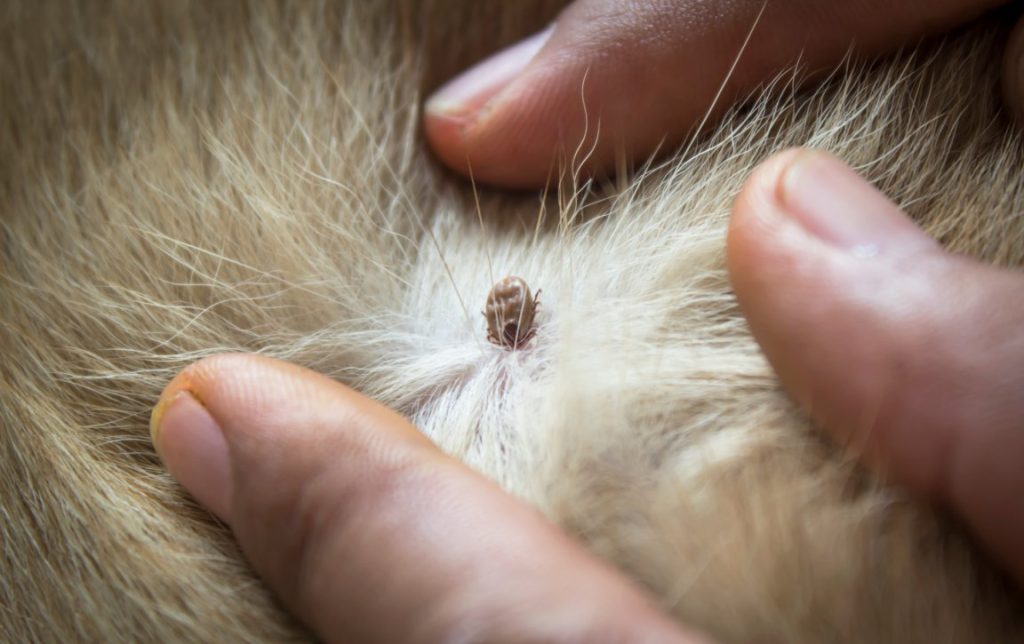
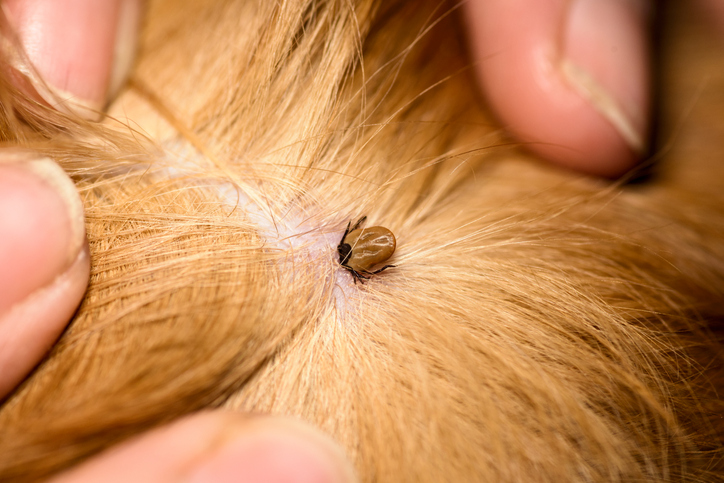
Ticks find hosts by detecting movement, body heat, and carbon dioxide. They attach by embedding their mouthparts into the skin. This process is called feeding, not burrowing. Ticks use their specialized mouthparts to secure themselves. They remain partially exposed on the skin surface, visible to the naked eye.
Misconceptions About Burrowing
Many people mistakenly believe ticks burrow completely under the skin. Ticks do not submerge under the skin like some parasites. They stay attached externally while feeding. This misconception arises due to the tick’s firm grip. Removing ticks promptly reduces the risk of disease transmission.
Identifying Tick Infestation
Identifying tick infestation in your dog is crucial for maintaining their health and well-being. Ticks are notorious for transmitting diseases, and catching them early can prevent potential health issues. As a dog owner, knowing the signs of tick presence and regularly checking your pet is essential. Let’s dive into how you can spot these pesky parasites on your furry friend.
Signs Of Ticks On Dogs
Ticks are often visible to the naked eye, especially if they’ve had time to feed and grow. Look for small, round, or oval bumps on your dog’s skin. These are usually brown or gray and might seem like tiny pebbles attached to your pet.
Your dog may display signs of irritation such as scratching or biting at specific areas. Pay attention to any unusual behavior, including sudden nervousness or restlessness.
If your dog develops red or swollen patches, this could be a reaction to tick bites. In severe cases, ticks can cause fever or lethargy, so be vigilant about any changes in your dog’s energy levels.
Checking Your Dog For Ticks
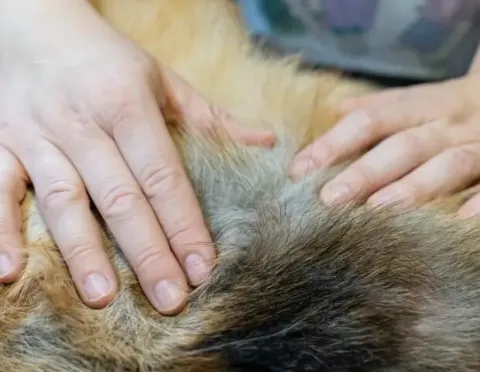
Regularly checking your dog for ticks can prevent them from causing harm. Begin by running your fingers gently over your dog’s entire body, feeling for any unusual bumps.
Focus on common tick hiding spots: behind ears, under collars, between toes, and in the groin area. These are cozy places where ticks tend to burrow.
A tick comb can be a useful tool. With its fine teeth, it helps to remove ticks while also providing an opportunity to inspect your dog’s skin closely.
Consider making tick checks a routine after walks in wooded or grassy areas. Have you ever thought about the peace of mind that comes from knowing your dog is tick-free?
Removing Ticks Safely
Ticks do not burrow under dog skin but attach themselves externally. Use tweezers to remove ticks safely, grasping close to the skin. Avoid twisting or squeezing to prevent breaking the tick.
Removing ticks safely is crucial for your dog’s health. Ticks can transmit diseases, so removing them properly is vital. Follow these steps to ensure you remove ticks without harming your pet.Proper Tick Removal Techniques
Use fine-tipped tweezers for tick removal. Grasp the tick as close to the skin’s surface as possible. Pull upward with steady, even pressure. Avoid twisting or jerking the tick. This can cause mouth-parts to break off and remain in the skin. If this happens, try to remove the mouth-parts with tweezers. Clean the bite area and your hands with rubbing alcohol or soap and water.Tools For Tick Removal
Several tools can help in tick removal:- Fine-tipped tweezers
- Tick removal hooks
- Tick keys
- Tick twisters
Preventing Tick Bites
Ticks do not burrow under a dog’s skin, but they attach to the surface to feed. Prompt removal reduces infection risk and discomfort for your pet. Regular checks and preventive measures help keep dogs safe from ticks.
Preventing tick bites is crucial for your dog’s health. Ticks can transmit diseases and cause discomfort. Keeping ticks away from your dog reduces these risks. There are effective ways to protect your furry friend from ticks.Tick Prevention Products
Tick prevention products are essential for safeguarding your dog. They come in various forms like collars, sprays, and topical treatments. These products repel and kill ticks before they bite. Choose a product suitable for your dog’s size and age. Consult your vet for recommendations. Always follow the instructions for safe and effective use.Creating A Tick-free Environment
A tick-free environment keeps your dog safe. Ticks thrive in tall grass and wooded areas. Keep your yard tidy by mowing the lawn and trimming bushes. Remove leaf piles and clutter where ticks hide. Use tick-repellent treatments in your garden. This creates a barrier between ticks and your dog. Regularly inspect your dog’s favorite spots for ticks. Keep your surroundings clean and tick-free.Health Risks From Ticks
Ticks are more than just pesky parasites. They can pose serious health risks to your furry friends. While they don’t burrow under the skin, they latch on firmly and feast on your dog’s blood.
This feeding process can transmit dangerous diseases that could affect your dog’s health significantly. Are you aware of the signs that your dog might be affected?
Diseases Transmitted By Ticks
Ticks are notorious carriers of various diseases. Lyme disease is the most well-known, causing joint pain and lethargy.
But ticks can also transmit less familiar diseases like Ehrlichiosis, which affects white blood cells. Another threat is Anaplasmosis, leading to fever and muscle pain.
Understanding these diseases helps in early detection and treatment. Have you checked your dog for ticks recently?
Symptoms To Watch For
Spotting symptoms early can be a lifesaver. If your dog shows signs of fatigue or refuses food, it might be a tick-borne disease.
Other symptoms include joint swelling and unusual panting. A sudden change in behavior could also indicate a problem.
Regularly examine your dog’s skin for ticks, especially after outdoor adventures. How often do you check for ticks after a walk?
Being proactive can prevent severe health issues. Keeping your dog tick-free is a crucial part of pet care. Are you prepared to tackle tick threats head-on?
Consulting A Veterinarian
Dogs are curious creatures, often exploring nature’s hidden corners. This adventurous spirit can lead to tick encounters. Ticks are not just pesky; they pose health risks. Sometimes, they seem to burrow under the skin, causing concern. Consulting a veterinarian becomes essential in these situations. A vet can offer expert advice, treatment, and peace of mind.
When To Seek Professional Help
Notice unusual lumps or bumps on your dog? It might be a tick. If you spot signs of infection, such as redness or swelling, consult a vet. Difficulty removing a tick? Leave it to a professional. Persistent scratching or discomfort in your dog? It’s time for a vet visit. Changes in behavior or energy levels may also warrant a check-up.
Long-term Care And Monitoring
After removing a tick, monitor the bite area. Watch for signs of infection or irritation. Regularly check your dog for ticks, especially after outdoor adventures. Use tick prevention products recommended by your vet. Maintain a routine of grooming and skin checks. Schedule regular vet visits to ensure your dog’s health.
Credit: plymouth.thevillagevets.com
Frequently Asked Questions
Can Ticks Burrow Under A Dog’s Skin?
Ticks do not burrow under a dog’s skin. They attach themselves to the surface to feed on blood. After feeding, they may appear engorged. It’s important to remove them promptly to prevent diseases. Always check your dog for ticks after outdoor activities.
How Do I Remove A Tick From My Dog?
Use fine-tipped tweezers to grasp the tick close to the skin. Pull upward steadily without twisting. After removal, clean the bite area with antiseptic. Dispose of the tick by flushing it down the toilet. Always wash your hands thoroughly after handling ticks.
What Diseases Can Ticks Transmit To Dogs?
Ticks can transmit several diseases to dogs, including Lyme disease, ehrlichiosis, and anaplasmosis. These diseases can cause severe health issues if untreated. Symptoms include fever, lethargy, and joint pain. Regular tick prevention and prompt removal are crucial for protecting your dog’s health.
How Can I Prevent Ticks On My Dog?
Use veterinarian-recommended tick prevention products like collars, topical treatments, or oral medications. Keep your yard tidy by mowing grass and removing leaf debris. Check your dog for ticks after outdoor activities, especially in wooded or grassy areas. Regular grooming helps spot ticks early.
Conclusion
Ticks do not burrow under dog skin. They attach to the surface. This can cause discomfort and health issues. Regular checks help catch ticks early. Removing them safely is crucial. Use tick prevention products for protection. Consult a vet for the best advice.
Keep your dog safe and healthy. Prevention is key. Regular grooming is essential. It helps spot ticks quickly. Stay aware and informed. Your pet’s health depends on it.


