How Do Dogs Get Skin Infections: Causes & Prevention
Senior Canine Nutritionist & Dog Behavior Specialist at Cozy Dog Go Wellness Lab
Have you ever noticed your dog scratching more than usual or seen red patches on their skin? These could be signs of a skin infection.
Understanding how dogs get skin infections is crucial for every pet owner. It’s not just about the itching; it’s about keeping your furry friend healthy and happy. You might be surprised to learn how common these infections are and how easy it can be for them to develop.
By the end of this article, you’ll know the triggers, the signs to watch for, and most importantly, how you can help prevent these pesky problems. Get ready to dive into the world of canine skin care, because your dog deserves the best.
Common Causes Of Skin Infections In Dogs
Parasites like fleas and mites often cause skin infections in dogs. Allergies to food or environment can also lead to itchy skin. Bacterial and fungal infections are common as well, especially in humid conditions. Regular grooming and vet check-ups can help prevent these issues.
Skin infections in dogs can be a common yet distressing issue for pet owners. These infections can cause discomfort and irritation, leading to constant scratching and biting. Understanding the common causes of skin infections in your furry friend can help you prevent and manage these issues more effectively.Bacterial Infections
Bacterial infections are often the result of cuts, scrapes, or any break in the skin that allows bacteria to enter. A seemingly harmless playtime injury could turn into a hotspot for bacteria. You might notice redness, swelling, or even an unpleasant odor coming from the affected area, which is a tell-tale sign of a bacterial infection.Fungal Infections
Fungal infections, like ringworm, thrive in warm and moist environments. Your dog’s love for jumping in puddles or playing in damp areas can increase the risk of these infections. Keep an eye out for circular patches of hair loss or scaly skin, which are common indicators of a fungal infection.Parasitic Infestations
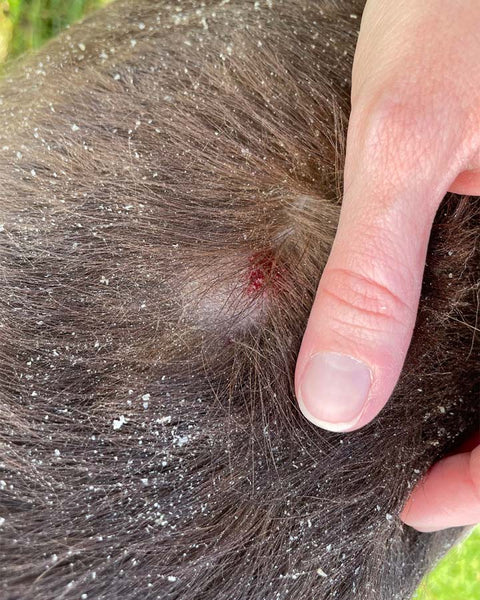
Parasitic infestations are caused by fleas, ticks, or mites, which are more than just a nuisance. These tiny creatures can irritate your dog’s skin and lead to infections if left untreated. Regular grooming and flea prevention measures are crucial in keeping these pesky parasites at bay. Have you ever noticed your dog scratching more than usual? It might be time to investigate further. Addressing the root cause of skin infections early can save your pet a lot of discomfort and save you from potential vet bills.Credit: lavengel.com
Symptoms To Watch For
When it comes to your furry friend, keeping an eye on their health is crucial, especially when it comes to skin infections. Dogs can exhibit various symptoms when they have a skin infection, and being aware of these can help you catch issues early and seek timely treatment. Let’s dive into the symptoms you should watch for.
Visible Skin Changes
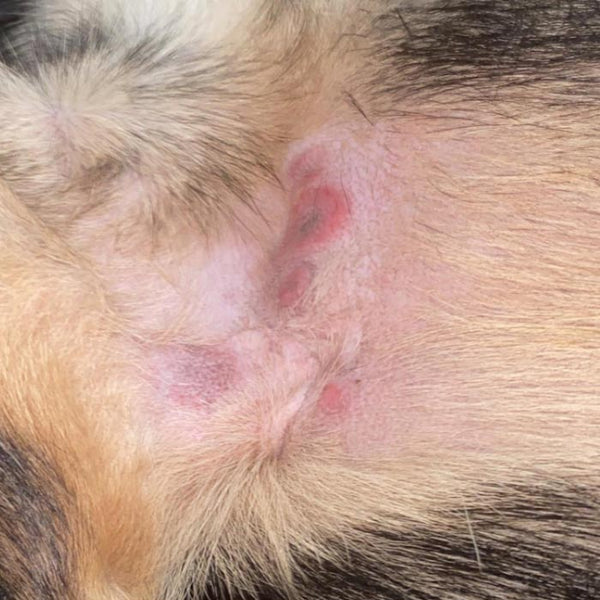
One of the most noticeable signs of a skin infection in dogs is visible changes to their skin. You might see redness, swelling, or the presence of bumps or pustules. Sometimes, the affected areas can appear scaly or crusty. If you notice your dog’s skin looking different than usual, it’s time to investigate further.
Behavioral Signs
Dogs often show behavioral changes when they’re uncomfortable or in pain. Look for excessive scratching, licking, or biting at their skin. They might seem more restless or agitated than usual. A personal experience that comes to mind is how my dog, Max, wouldn’t stop scratching one spot on his back, signaling something was amiss. Have you noticed similar behaviors in your dog?
General Health Indicators
Skin infections can sometimes affect your dog’s overall health. You might notice a decrease in energy levels or a lack of appetite. They may also run a fever, which is worth a trip to the vet. Regularly monitoring your dog’s energy and eating habits can give you clues about their well-being.
By staying attentive to these symptoms, you can better protect your dog’s health and ensure they receive proper care. Whether it’s keeping an eye on visible changes or noticing shifts in behavior, your vigilance can make a world of difference. Do you have any stories about catching an issue early with your pet? Feel free to share!
Diagnosis Methods
When your furry friend starts scratching and showing signs of skin irritation, it’s essential to get to the root of the problem quickly. Diagnosing skin infections in dogs involves several methods that allow veterinarians to pinpoint the exact cause of discomfort. Understanding these diagnosis methods will not only help in treating the infection but also in preventing future occurrences.
Veterinary Examination
During a veterinary examination, the vet will begin by observing your dog’s skin condition and asking about any recent changes in behavior or environment. This initial check-up can reveal visible signs of infection like redness, swelling, or unusual odors. Do you remember the last time your dog had a similar issue? Sharing past occurrences can help the vet diagnose accurately.
Vets often use their expertise to detect the subtle signs of skin infections that might not be obvious to pet owners. They may gently palpate the skin to feel for any irregularities or lumps. This hands-on approach is critical in identifying the type and severity of the infection.
Laboratory Tests
Laboratory tests provide detailed insights that go beyond a visual examination. These tests can include skin scrapings, blood tests, or allergy tests. A skin scraping involves taking a small sample from the affected area and examining it under a microscope. This can reveal the presence of mites, bacteria, or fungi.
Blood tests might be suggested if the vet suspects an underlying health issue contributing to the skin infection. These tests can identify hormonal imbalances or infections that are affecting your dog’s overall health. It’s fascinating how a tiny sample can unveil so much about your pet’s condition!
Skin Biopsy
A skin biopsy is often considered when other tests are inconclusive, or if the infection is persistent and severe. This procedure involves removing a small piece of skin tissue for detailed examination. The biopsy is particularly useful in diagnosing chronic skin conditions and ruling out serious diseases like cancer.
While the thought of a biopsy might sound daunting, it can be a crucial step in ensuring your dog receives the right treatment. Remember, your vet will guide you through the process, ensuring your pet’s comfort and safety. Have you ever wondered what secrets are hidden within a small piece of skin tissue?
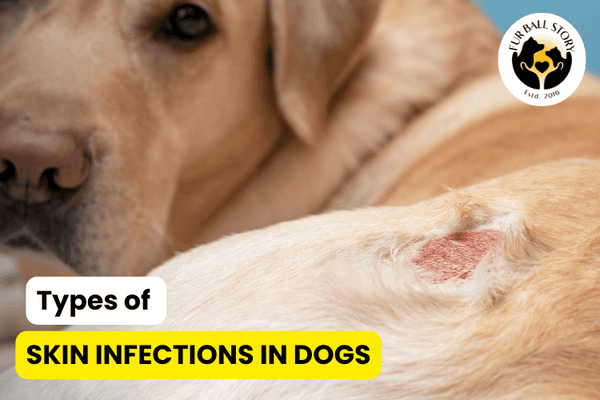
Credit: furballstory.com
Effective Treatment Options
Dogs can get skin infections from bacteria, fungi, or parasites. Effective treatments include topical ointments, oral medications, and specialized shampoos. Regular vet visits help identify the best options for your dog’s specific condition.
When your furry friend suffers from a skin infection, it’s crucial to know the best ways to help them heal. Effective treatment options can make all the difference in their recovery. By understanding the available remedies, you can take immediate action to ensure your dog’s comfort and health.Medications
Veterinarians often prescribe antibiotics or antifungal medications depending on the type of infection. These treatments are essential for addressing bacterial or fungal causes directly. It’s important to follow the vet’s dosage instructions carefully. Missing doses can lead to prolonged infections or resistance.Topical Treatments
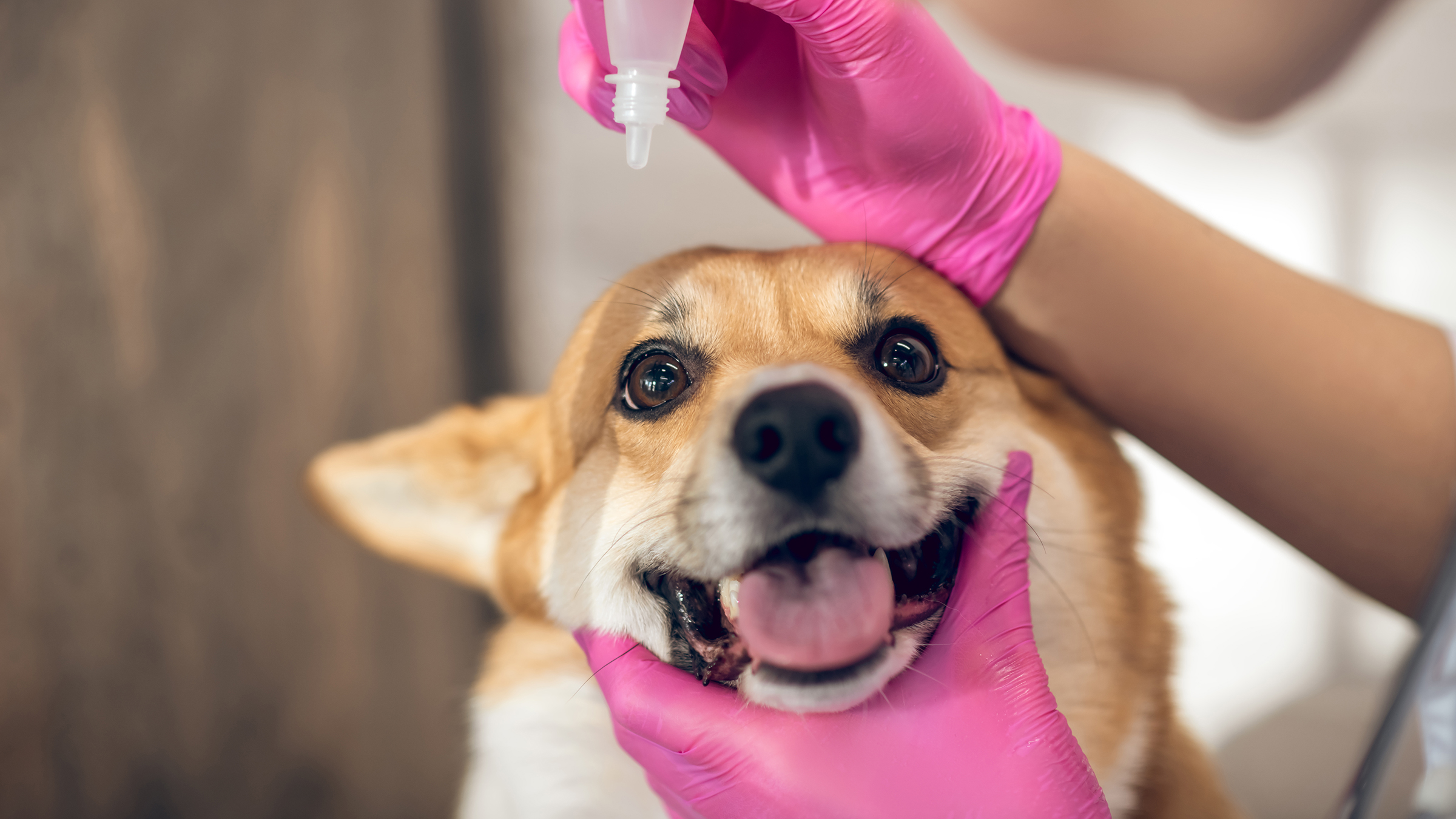
Topical treatments such as creams, ointments, or sprays can provide immediate relief for your dog’s irritated skin. They work by reducing inflammation and itching directly at the site of infection. Some products also contain antibacterial or antifungal ingredients for added protection. Always consult your vet to ensure the topical treatment is suitable for your dog’s specific condition.Home Remedies
Home remedies can be a gentle way to support your dog’s healing. Bathing your dog with a mild, hypoallergenic shampoo can help soothe their skin and remove irritants. Consider using natural ingredients like coconut oil for its antimicrobial properties. However, always test a small area first to ensure your dog doesn’t have an adverse reaction. What works best for your dog may vary, so it’s vital to observe their response to each treatment. Combining professional advice with these practical steps can lead to a happier, healthier pet.Preventive Measures
Dogs can get skin infections from parasites, allergies, or bacteria. Regular grooming and a balanced diet help prevent these issues. Keeping your pet’s environment clean also reduces the risk of skin problems.
Preventing skin infections in dogs is crucial for their overall health and happiness. There are several actionable steps you can take to minimize the risk of infections. By focusing on regular grooming, a balanced diet, and controlling their environment, you can create a healthier life for your furry friend.Regular Grooming
Regular grooming is more than just keeping your dog looking good. It’s an essential preventive measure against skin infections. Brush your dog’s coat frequently to remove dirt and dead skin cells. This not only enhances their appearance but also boosts blood circulation, promoting healthier skin. Bathing should be done using appropriate dog shampoos, ideally once a month, unless instructed otherwise by your vet. Over-bathing can strip natural oils, so balance is key. During grooming sessions, check for fleas, ticks, or unusual bumps. Early detection can save your dog from discomfort and potential infections.Diet And Nutrition
A healthy diet plays a pivotal role in preventing skin infections. Ensure your dog gets a balanced diet rich in essential nutrients like omega-3 fatty acids. These nutrients enhance skin health and can reduce inflammation. Fresh fruits and vegetables can be excellent sources of vitamins. However, always consult with your vet before introducing new foods. Remember, a well-nourished dog is less susceptible to skin issues.Environmental Control
Your dog’s environment significantly impacts their skin health. Keep their living area clean and free from irritants. Regularly wash bedding and toys to reduce allergens and bacteria. Be mindful of the chemicals you use around your home. Some cleaning agents can be harmful to your dog’s skin. When you’re out, avoid areas with high pollen counts if your dog has sensitivities. Have you noticed your dog scratching more during certain seasons? It might be time to reassess their environment. Taking these preventive measures can greatly reduce the risk of skin infections in your dog. Are you ready to make these small changes for a happier, healthier pet?When To Seek Veterinary Help
Dogs may develop skin infections from allergies, parasites, or bacteria. Watch for redness, itching, or hair loss. Seek veterinary help if symptoms persist or worsen to ensure proper treatment.
When your furry friend starts showing signs of a skin infection, it can be quite distressing. Recognizing when to seek veterinary help is crucial for your dog’s health and comfort. By being observant and proactive, you can ensure that your pet gets the best possible care.Persistent Symptoms
If your dog’s symptoms linger longer than a week, it’s time to consult a vet. Common signs include redness, itching, or a musty odor. Don’t wait until these issues become unbearable for your pet. Imagine your pet constantly scratching or licking a particular spot. This could lead to further complications like open sores or secondary infections. Addressing these persistent symptoms early can prevent a small problem from becoming a major health issue.Severe Reactions
Sometimes, skin infections can trigger severe reactions in dogs. These may manifest as swelling, pus, or extreme discomfort. If your dog exhibits any of these signs, immediate veterinary care is essential. I remember a friend’s dog who suddenly developed an alarming rash. The vet identified it as an allergic reaction to a new shampoo. Swift intervention not only alleviated the dog’s suffering but also provided valuable insights for future grooming choices.Preventive Consultations
Regular check-ups with your vet can be a powerful preventive measure. These consultations help catch potential issues before they become severe. Discuss any concerns you have about your dog’s skin health during these visits. Consider scheduling an appointment if you’re planning to change your dog’s diet or grooming products. Your vet can offer guidance to avoid potential allergens or irritants. This proactive approach ensures that your pet stays healthy and happy all year round. When do you typically consult a vet for your dog’s skin issues? Your proactive steps can make all the difference in your pet’s well-being.
Credit: lavengel.com
Frequently Asked Questions
What Causes Skin Infections In Dogs?
Skin infections in dogs are often caused by bacteria, fungi, or parasites. Allergies, hormonal imbalances, and poor grooming can also contribute. Identifying the root cause is crucial for effective treatment. Regular vet check-ups can help prevent infections by catching early signs.
How Do I Know If My Dog Has A Skin Infection?
Signs of a skin infection include redness, itching, and swelling. You may also notice hair loss or foul odor. Your dog might scratch or lick the affected area excessively. If you observe these symptoms, consult your veterinarian for an accurate diagnosis and appropriate treatment.
Can Diet Affect My Dog’s Skin Health?
Yes, diet plays a significant role in your dog’s skin health. A balanced diet with essential nutrients supports a healthy immune system. Omega-3 fatty acids and antioxidants promote skin health and reduce inflammation. Consult your vet for dietary recommendations tailored to your dog’s needs.
How Are Skin Infections In Dogs Treated?
Treatment depends on the infection’s cause. Antibiotics or antifungal medications may be prescribed. Topical treatments can soothe irritation and promote healing. Regular bathing with medicated shampoos might be recommended. Always follow your vet’s advice for effective and safe treatment.
Conclusion
Dogs can get skin infections from various causes. Poor hygiene and allergies often lead to problems. Parasites and bacteria also play a role. Regular vet visits help prevent these issues. Keep your dog’s environment clean and stress-free. A balanced diet supports healthy skin.
Use gentle shampoos and grooming tools. Pay attention to any changes in your dog’s skin. Early detection makes treatment easier. Understanding your dog’s needs keeps them healthy and happy. Protect their skin with proper care. Always stay informed about skin health.
Your dog’s comfort and well-being depend on it.

Similar Posts