Have you ever found yourself wrestling with your dog’s harness, unsure of how to get it on just right? You’re not alone.
Many dog owners face the same struggle, wondering if they’re doing it correctly and comfortably for their furry friend. The good news is, putting a harness on your dog doesn’t have to be a daunting task. Imagine a walk where both you and your dog feel secure and at ease, with no more tugging or twisting.
This guide will take you step-by-step through the process, ensuring that your pup is safe, happy, and ready for your next adventure together. Keep reading to discover the simple tips and tricks that will transform your harness woes into a seamless routine.

Credit: ezydog.co.uk
Choosing The Right Harness
Selecting the right dog harness ensures comfort and control. Begin by placing the harness over the dog’s head. Adjust the straps around the body, securing a snug but comfortable fit.
Choosing the right harness for your dog can make a world of difference in their comfort and safety during walks. A good harness not only fits well but also suits your dog’s specific needs and lifestyle. Let’s dive into how you can select the perfect one for your furry friend.Types Of Dog Harnesses
There are several types of dog harnesses available, each designed for different purposes. Back-clip harnesses are the most common and are great for small dogs or those who walk calmly. Front-clip harnesses help manage dogs that pull, offering more control during walks. Then there are dual-clip harnesses, providing flexibility with clips on both the front and back. Consider your dog’s behavior and walking style when choosing a type.Size And Fit Considerations
Ensuring the right fit is crucial for your dog’s comfort and safety. A harness that is too tight can cause chafing, while one that’s too loose might let your dog slip out. Measure your dog’s girth (the widest part of their chest) and refer to the size guide provided by the harness manufacturer. Remember, a good fit allows you to slip two fingers between the harness and your dog’s body. Have you ever tried on a pair of shoes that were too tight or too loose? The discomfort is similar for dogs with an ill-fitting harness.Material And Durability
The material of the harness affects both its comfort and longevity. Nylon is a popular choice due to its durability and affordability, but it might not be the best for dogs with sensitive skin. Leather offers a more natural feel and can be more comfortable, albeit at a higher price point. For adventurous dogs that love to get wet, a waterproof material might be a smart choice. Always check the stitching and buckles to ensure they are robust and well-made. Choosing the right harness requires a bit of research and understanding of your dog’s needs. Have you considered what type of harness would best suit your dog’s personality and lifestyle?Preparing Your Dog
Gently slip the harness over your dog’s head. Ensure the straps fit snugly but comfortably. Secure the buckles under your dog’s belly and adjust as needed for a secure fit.
Preparing your dog for a harness is a vital step. Creating a calm environment ensures a smoother experience. Dogs can be sensitive to new items. A harness might seem daunting. You can ease the process. Let’s explore ways to prepare your dog.Calming Techniques
Dogs sense emotions. Calm yourself first. Speak softly to your dog. Gentle strokes help relax them. Offer a treat as a positive reinforcement. Play soothing music if needed. This reduces anxiety. Your dog will be more receptive.Positioning Your Dog
Positioning is crucial. Have your dog sit or stand comfortably. Avoid sudden movements. This may scare them. Kneel beside your dog. Be at their level. This builds trust. Ensure your dog is focused on you. A treat can help. Positioning sets the stage for harnessing.Step-by-step Instructions
Gently slip the harness over the dog’s head, making sure the chest strap sits properly. Secure the buckle under the belly, adjusting the straps for a snug fit. Ensure the harness is comfortable and not too tight, allowing your dog to move freely.
Putting a harness on your dog can seem tricky at first. With clear steps, it becomes easy and stress-free. Follow these simple instructions to ensure your furry friend is comfortable and secure.Identifying The Harness Parts
Before you begin, familiarize yourself with the harness parts. Most harnesses have a neck strap, chest strap, and a back clip. Look for adjustable straps and clips. Knowing each part helps you put it on correctly.Placing The Harness On Your Dog
Hold the harness open. Guide your dog’s head through the neck strap first. Ensure the chest strap hangs below their neck. Gently lift one paw and slide it into the harness loop. Adjust the harness so it sits comfortably around the chest and back.Adjusting Straps For Comfort
Once the harness is on, check the fit. Adjust the straps for snugness. Ensure two fingers can slip between the harness and your dog’s body. This prevents the harness from being too tight or loose. Recheck the straps regularly for comfort.Securing The Harness
Ensure your dog is calm before beginning. Slide the harness over its head or around its body. Adjust straps for a snug fit, allowing two fingers to fit between the harness and skin. Fasten buckles securely and check alignment to prevent discomfort or slipping.
Securing your dog’s harness is a crucial step that ensures both comfort and safety during walks. A well-fitted harness prevents escapes and distributes pressure evenly, providing your furry friend with a secure and enjoyable experience. As a dog owner, taking the time to properly secure the harness can make a world of difference in your pet’s walking behavior and overall safety.Checking The Fit
Ensure the harness fits snugly without being too tight. You should be able to slide two fingers between the harness and your dog’s body. This simple check prevents chafing and discomfort. Watch your dog’s reaction; if they seem uneasy, adjust the straps for a better fit.Ensuring Safety And Security
Double-check all buckles and attachments. Make sure each clip is fastened securely, especially if your dog is a known escape artist. Consider the strength of the material. A harness made from durable fabric can withstand the pull of a strong dog. Observe your dog during the first few walks. Are they trying to wriggle out? This might mean a readjustment is needed. Securing a harness isn’t just about the fit—it’s about peace of mind for you and your pet. Is there anything more reassuring than knowing your dog is safe on every adventure?Common Mistakes To Avoid
Avoid tightening the harness too much, as it can cause discomfort. Ensure the harness is not too loose, preventing your dog from slipping out.
Putting a harness on a dog seems simple, but many owners make mistakes. These errors can lead to discomfort and safety issues for your furry friend. Understanding these common pitfalls ensures a better experience for both you and your dog.Incorrect Size
Choosing the wrong size is a frequent mistake. A harness that is too tight will cause discomfort and restrict movement. On the other hand, a loose harness might slip off or cause chafing. Measure your dog’s chest and neck correctly. Refer to the manufacturer’s sizing chart for accuracy. It’s crucial to check the fit regularly as dogs grow or lose weight.Improper Strap Adjustment
Strap adjustment is key to a secure fit. Many owners leave straps too loose or tighten them excessively. Loose straps can lead to slipping, while tight straps might hurt the dog. Adjust the straps to allow two fingers to fit comfortably between the harness and your dog’s body. Ensure the harness is balanced and not pulling in one direction. Regularly inspect the straps for wear and tear, as damaged straps can compromise safety.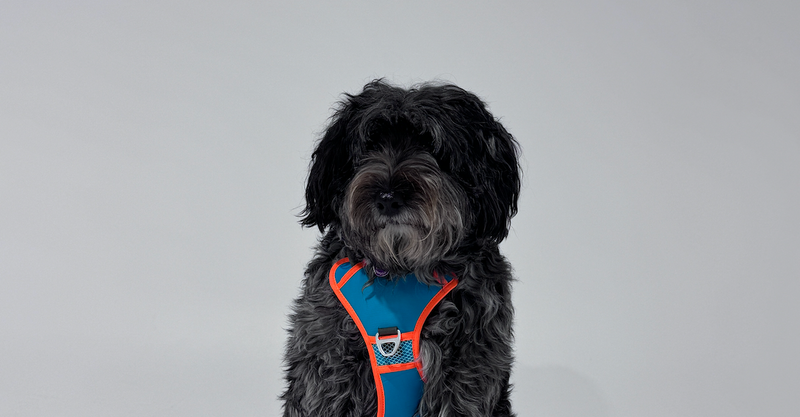
Credit: edog.co.nz
Troubleshooting Tips
Ensure the harness is the right size for your dog. Position the harness over your dog’s back, guiding each leg through the corresponding loops. Adjust the straps for a snug fit, ensuring the harness is not too tight.
Putting a harness on your dog can sometimes be tricky. You might encounter issues even after following basic steps. Addressing these challenges is essential for a smooth experience. Let’s explore some troubleshooting tips to help you.Handling Resistance
Some dogs resist wearing a harness. They might feel anxious or uncomfortable. Start by introducing the harness slowly. Let your dog sniff and explore it. Offer treats to create positive associations. Use a calm voice to reassure your pet. Practice putting the harness on and off without fastening it. This builds familiarity. Try short, positive sessions to avoid overwhelming your dog.Addressing Discomfort
A harness should fit snugly but not too tight. Check for any rubbing or chafing spots. Adjust the straps for a comfortable fit. Ensure you can slip two fingers between the harness and your dog’s skin. Different harness styles may suit different dogs. If discomfort persists, consider trying a different type. Always observe your dog’s behavior for signs of distress. Comfort is key to successful harness use.Maintaining Your Dog’s Harness
Securely placing a harness on your dog involves patience and practice. Begin by gently slipping the harness over the dog’s head. Adjust the straps to ensure a snug but comfortable fit.
Maintaining your dog’s harness is crucial for ensuring its longevity and your pet’s comfort. A well-cared-for harness can prevent skin irritations and keep your dog secure during walks. But what does maintaining a harness truly entail? Let’s explore two essential aspects: cleaning and care, and regular fit checks.Cleaning And Care
Proper cleaning is vital to keep the harness in good condition. Over time, dirt and grime can build up, potentially causing discomfort or even skin problems for your dog. – Regular Washing: Depending on how often you use the harness, washing it once a week can be beneficial. Use mild soap and warm water, and avoid harsh chemicals that might irritate your dog’s skin. – Spot Cleaning: For quick clean-ups, spot cleaning with a damp cloth can remove minor stains and odors. This is especially useful after muddy walks or rainy days. – Air Dry: Always let the harness air dry completely before using it again. This prevents any mold or unpleasant smells from developing. Don’t forget to check the manufacturer’s instructions for specific care tips. You might be surprised how a little care can extend the life of the harness.Regular Fit Checks
Ensuring a proper fit is essential for your dog’s safety and comfort. A harness that is too tight can cause chafing, while one that’s too loose might allow your dog to slip free. – Weekly Adjustments: Make it a routine to check the fit at least once a week. Dogs can gain or lose weight, and their fur might grow thicker, affecting the fit of the harness. – Observe Your Dog: During walks, pay attention to your dog’s behavior. If they seem uncomfortable or are constantly trying to adjust the harness, it might be time for a fit check. – Use a Two-Finger Test: A quick way to check the fit is by slipping two fingers under the harness. They should fit comfortably without too much resistance. Have you ever noticed your dog acting differently with their harness? It could be a subtle signal that a fit check is needed. Regular adjustments can prevent discomfort and ensure your furry friend enjoys their outings.
Credit: www.lambwolf.co
Frequently Asked Questions
How Do I Choose The Right Harness Size?
To choose the right harness size, measure your dog’s chest and neck. Use these measurements to find a harness that fits snugly but comfortably. Adjustable straps are beneficial for achieving the perfect fit. A well-fitted harness should allow two fingers to slide between the harness and your dog’s body.
What Type Of Harness Is Best For My Dog?
The best harness depends on your dog’s breed, size, and behavior. Front-clip harnesses reduce pulling, while back-clip harnesses are ideal for small dogs. A harness with a handle is useful for training and assistance. Always choose a harness with durable materials and strong buckles for safety.
How Do I Train My Dog To Wear A Harness?
Start by letting your dog sniff the harness, rewarding calm behavior. Gradually put the harness on for short periods, offering treats and praise. Increase wearing time gradually, ensuring a positive experience. Be patient and consistent in training. This approach helps your dog associate the harness with positive experiences.
Why Won’t My Dog Wear A Harness?
Your dog might find the harness uncomfortable or unfamiliar. Ensure it fits correctly and isn’t causing discomfort. Gradually introduce the harness using positive reinforcement and treats. Some dogs need time to adjust. If the issue persists, consult a veterinarian to rule out physical discomfort or anxiety.
Conclusion
Putting a harness on a dog gets easier with practice. Start by choosing the right size and style. Ensure your dog is calm and comfortable. Slip it over their head or legs gently. Adjust straps for a snug fit. Ensure it doesn’t chafe or restrict movement.
Practice regularly to build routine. Soon, your dog will associate the harness with fun walks. A properly fitted harness keeps your dog safe. Happy walking!