How to Put on a Dog Harness Vest: Step-by-Step Guide
Senior Canine Nutritionist & Dog Behavior Specialist at Cozy Dog Go Wellness Lab
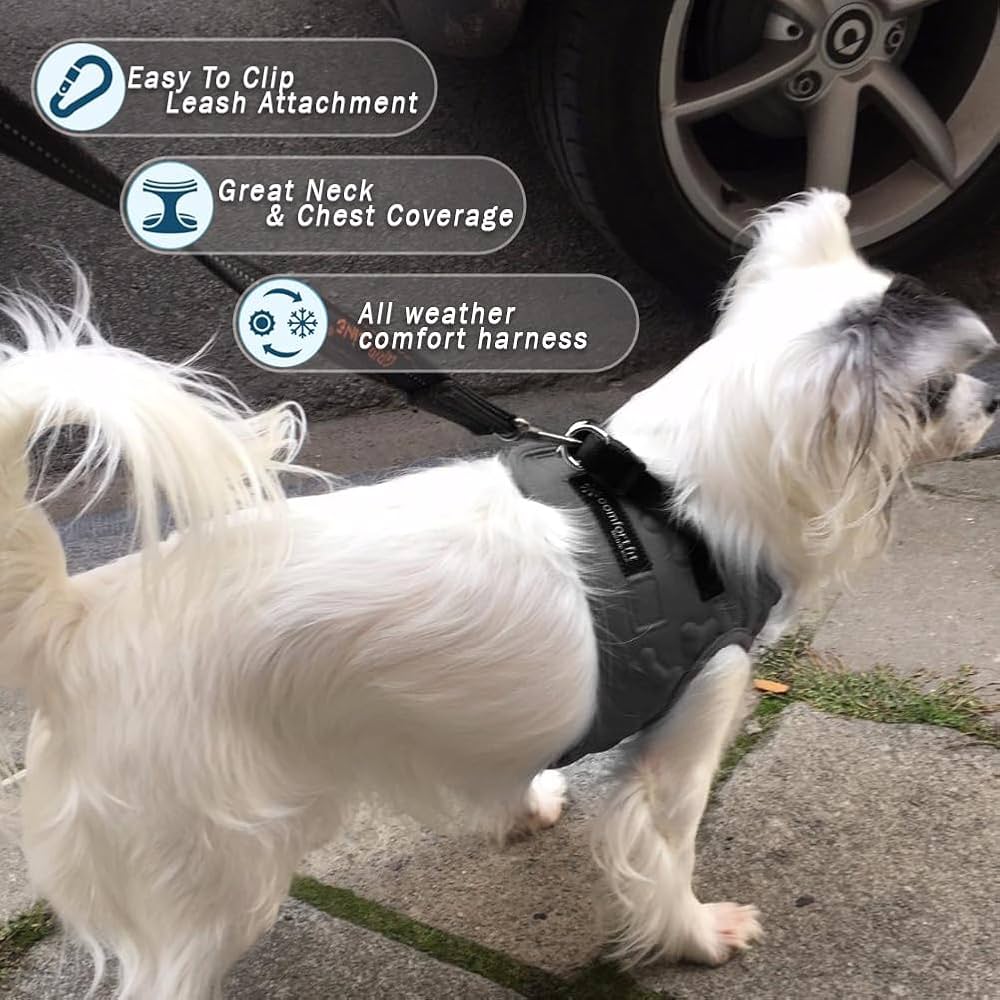
Are you ready to take your furry friend for a walk but struggling with putting on that new dog harness vest? You’re not alone.
Many dog owners find themselves tangled in straps and clips, unsure of how to properly secure their pup’s harness. But fear not—this guide will provide you with simple, step-by-step instructions to ensure your dog is safe and comfortable. Imagine the joy of walking your dog without any hassle, knowing they’re secure and happy.
Dive into this article, and soon you’ll be mastering the art of harnessing your dog like a pro!
Choosing The Right Harness Vest
Choosing the right harness vest for your dog is essential. A well-fitted harness ensures comfort and safety during walks. Different factors play a role in selecting the best harness vest. Let’s explore these factors to make an informed choice.
Types Of Harness Vests
There are various types of harness vests available. Each serves a different purpose. Some popular types include:
- Step-in Harness:Easy to put on, perfect for calm dogs.
- Vest Harness:Provides more coverage and control.
- No-pull Harness:Designed for dogs that pull during walks.
Choose the type that aligns with your dog’s behavior and needs.
Size And Fit Considerations
Getting the right size is crucial for your dog’s comfort. Measure your dog’s chest and neck accurately. Use a measuring tape for precise measurements.
Compare your measurements to the sizing chart provided by the manufacturer. A snug fit is important, but ensure it’s not too tight. You should be able to fit two fingers between the harness and your dog’s body.
Material And Durability
The material of the harness affects its durability and comfort. Common materials include nylon, polyester, and leather. Nylon is lightweight and durable, ideal for active dogs. Polyester offers a soft feel, suitable for sensitive skin.
Leather provides a classic look but requires maintenance. Consider the environment and activities your dog will engage in while wearing the harness.
Preparing Your Dog
Gently slide the harness over your dog’s head. Adjust the straps to fit snugly but comfortably. Secure the buckles, ensuring they don’t pinch your dog’s skin.
Preparing your dog for a harness vest is crucial. It sets the stage for a positive experience. Taking the time to prepare ensures your dog is relaxed and ready. This approach can make the fitting process smoother and stress-free.Calm And Comfortable Environment
Creating a serene space helps your dog feel at ease. Choose a quiet room with minimal distractions. Soft lighting and gentle sounds can soothe your dog. Sitting with your dog on the floor can enhance comfort. Offer gentle pets to calm them further.Introducing The Harness
Let your dog sniff the harness before putting it on. This builds familiarity and reduces anxiety. Hold the harness near your dog and speak soothingly. Praise them for calm behavior to reinforce positive associations. Repeat this process until your dog shows comfort with the harness.Positioning The Harness Vest
Positioning the harness vest correctly is essential for your dog’s comfort and safety. Proper placement ensures your dog can move freely without any restrictions. Follow these steps to position the harness vest effectively.
Identifying The Top And Bottom
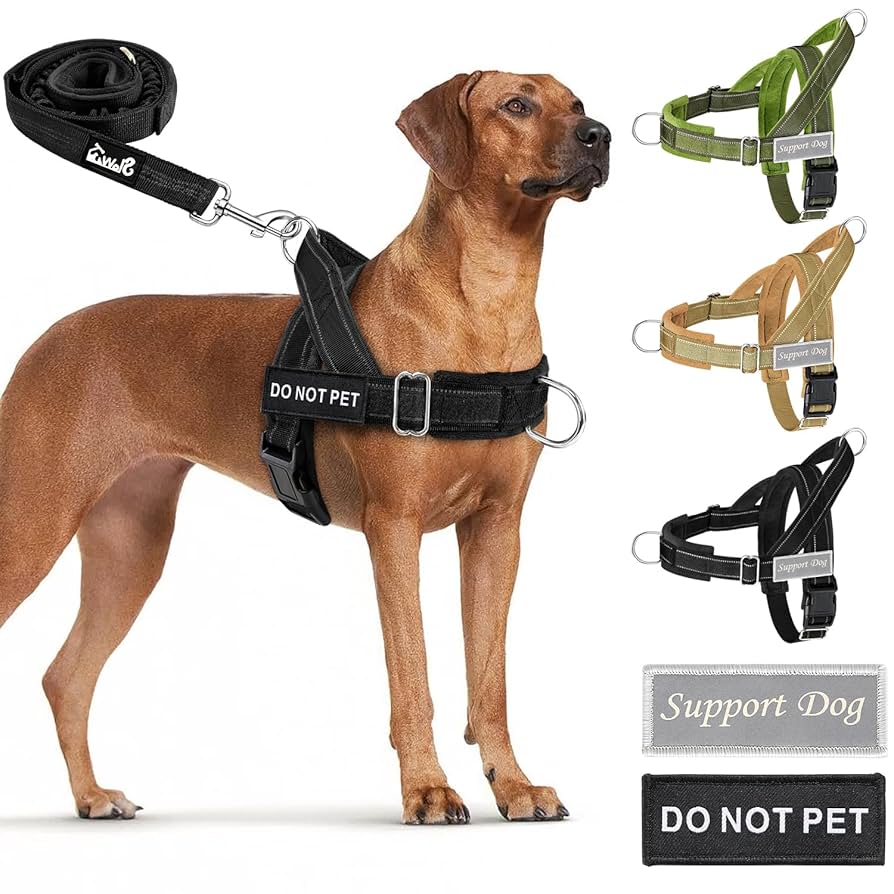
Begin by examining the harness vest to find its top and bottom. The top usually has a handle or ring. This area is where the leash attaches. The bottom part is softer and covers your dog’s belly. Recognizing these areas helps in placing the vest correctly.
Aligning With Your Dog’s Body
Place the harness vest over your dog’s back. Ensure the top aligns with the spine. The bottom should rest comfortably along the belly. Adjust the straps to fit snugly but not too tight. The vest should move with your dog’s body, not restrict it.

Credit: www.amazon.com
Securing The Straps
Securing the straps on a dog harness vest ensures a snug fit. Adjust each strap for comfort and security. Make sure the vest sits flat against the dog’s body without pinching.
Securing the straps of a dog harness vest is crucial for ensuring your furry friend’s safety and comfort. It’s a task that requires a bit of patience and attention to detail. When the straps are properly adjusted, your dog will feel secure without any risk of slipping out or feeling constricted. But how do you achieve the perfect fit? Let’s delve into the essentials of securing those straps correctly.Adjusting For A Snug Fit
A snug fit is vital for keeping the harness in place. Begin by positioning the vest on your dog, ensuring it rests comfortably on their back. Adjust the straps around the neck and chest areas, aiming for a fit that’s tight enough to prevent slipping but loose enough to allow easy movement. A good rule of thumb is to check if you can slide two fingers between the harness and your dog’s skin. This ensures the vest is neither too tight nor too loose.Checking For Comfort
Comfort should be your top priority once the harness is secured. Observe your dog’s movements and behavior. Are they walking easily, or do they seem restricted? Look for signs like excessive scratching or biting at the harness, which could indicate discomfort. If you notice any, reassess the strap positioning and adjust as needed. Remember, a comfortable dog is a happy dog. Wouldn’t you want your dog to enjoy their time outside without feeling encumbered? By focusing on these aspects, you’ll ensure the harness is both safe and comfortable, making every walk an enjoyable experience for both you and your pet.Testing The Harness Vest
Secure your dog’s harness vest by unbuckling it first. Slide it over your dog’s head. Adjust the straps snugly around the body. Check the fit to ensure comfort and safety.
Testing the harness vest is an essential step to ensure your dog is comfortable and safe. Once you have correctly fitted the harness, it’s time to put it to the test. This process will help you determine if any adjustments are needed and confirm that your furry friend is ready for their next adventure.Ensuring Mobility
Once the harness is on, check if your dog can move freely. Encourage them to walk around the room or backyard. Watch closely to see if the harness restricts their movement in any way. A well-fitted harness should allow your dog to run and jump without any limitations. If you notice any stiffness or awkwardness, it might be too tight. Adjust the straps so that it sits comfortably yet securely.Observing Your Dog’s Reaction
Pay attention to how your dog reacts to wearing the harness. Do they seem excited or uncomfortable? Some dogs may take a little time to get used to the new feeling. If they appear distressed, try offering treats or engaging them in play to create a positive association. Sometimes, a little patience and encouragement can make all the difference. Have you ever noticed your dog doing a hilarious little dance when they first put on their harness? This is a common reaction and usually a sign they’re adjusting to the new sensation. Your observations during this testing phase are crucial. They help ensure that the harness is a tool for joy, not discomfort. Are you ready to make your dog’s outings more enjoyable and secure?
Credit: pupteck.com
Common Mistakes To Avoid
Putting on a dog harness vest might seem simple, but many pet owners make common mistakes. These errors can lead to discomfort for your dog and impact their safety. Avoid these pitfalls to ensure your dog feels comfortable and secure.
Incorrect Strap Adjustment
One frequent mistake is adjusting the straps incorrectly. Straps that are too tight can restrict movement and cause discomfort. Loose straps might lead to the harness slipping off. Adjust the straps so you can fit two fingers between the strap and your dog’s body. This ensures a snug fit without being too tight.
Choosing The Wrong Size
Selecting the wrong size harness is another common error. A harness that’s too small can pinch and cause pain, while one that’s too large may not provide proper control. Measure your dog’s chest and neck to find the right size. Check the manufacturer’s sizing chart before purchasing. This helps in finding a harness that fits perfectly.
Tips For Easy Harnessing
Ensure the harness is the right size for your dog. Slide the harness over your dog’s head gently. Adjust the straps to fit snugly but comfortably around their body.
Putting on a dog harness vest can sometimes feel like a wrestling match with a furry Houdini. But with the right techniques, you can make it a seamless and pleasant experience for both you and your pup. Here are some tips for easy harnessing that will have your dog geared up in no time.Positive Reinforcement
Use treats and praise to make harnessing a positive experience. Each time your dog allows you to put the harness on, reward them with a treat or a lot of verbal praise. This creates a happy association with the harness. Your dog will soon start looking forward to wearing the harness if they know a tasty reward follows. It’s like teaching them that wearing the harness is their ticket to adventure. Who doesn’t want to go on more walks and explore the neighborhood?Regular Practice
Practice makes perfect, even with dog harnesses. Try putting the harness on your dog a few times a day, even if you’re not planning on going for a walk. This helps your dog get used to the sensation and routine of wearing the harness. Over time, the harness will become just another part of their day-to-day life, reducing any struggles or resistance. Have you ever noticed how your dog gets excited when you grab their leash? Regular practice with the harness can create the same excitement and anticipation. Keep it light-hearted and fun, and soon your dog will be as excited about the harness as they are about the leash.
Credit: www.baileyandcoco.com
Frequently Asked Questions
How Do You Choose The Right Size Harness?
Choosing the right size harness is crucial for comfort. Measure your dog’s chest and neck accurately. Match these measurements with the manufacturer’s sizing chart. Ensure the harness is snug but not too tight. A well-fitted harness prevents chafing and ensures your dog’s safety during walks.
How Do You Put On A Dog Harness Vest Correctly?
To put on a harness, first, loosen all straps. Slip the harness over your dog’s head. Adjust the chest and neck straps for a snug fit. Ensure you can fit two fingers under the straps for comfort. Finally, check the harness is secure before heading out.
Why Use A Harness Instead Of A Collar?
Harnesses provide better control and reduce strain on your dog’s neck. They’re ideal for dogs that pull on the leash. Harnesses distribute pressure evenly across the chest. This reduces the risk of injury, especially for small or brachycephalic breeds. They also offer more security during walks.
Can A Harness Help With Pulling?
Yes, harnesses can help reduce pulling behavior. Front-clip harnesses redirect your dog’s attention towards you. This discourages pulling and encourages better walking habits. They provide more control than traditional collars. Consistent training with a harness can improve leash manners over time.
Conclusion
Putting on a dog harness vest can be simple and safe. Start by ensuring the vest is the right size. Adjust the straps for a snug fit. Gently guide your dog’s legs through the loops. Secure the vest with the buckles.
Check for any discomfort or tightness. Practice makes it easier for both you and your pet. A well-fitted vest keeps your dog comfortable during walks. Enjoy your outings with confidence and ease. Remember, patience is key. Happy walking!

Similar Posts