How Do You Brush Dog’s Teeth: Expert Tips & Tricks
Senior Canine Nutritionist & Dog Behavior Specialist at Cozy Dog Go Wellness Lab
Imagine a world where your dog’s breath is always fresh, and their teeth are as healthy as can be. Sounds great, right?
You love your furry friend, and you want them to live a long, happy life. But did you know that brushing your dog’s teeth is one of the simplest ways to ensure their wellbeing? This routine task can prevent painful dental issues and keep your dog smiling.
You might be wondering how to start. Where do you begin? What if your dog resists? Don’t worry; you’re not alone, and it’s easier than you think. Dive into this article to discover straightforward steps that will make teeth brushing a breeze for both you and your pet. Your dog’s health depends on it, and the rewards are worth every effort. Let’s explore how you can transform this essential task into a bonding experience that benefits you both.
Importance Of Dental Care For Dogs
Dental care for dogs is crucial for their overall health. Poor oral hygiene can lead to serious health issues. Bad breath is not just a nuisance; it can signal deeper problems. Regular dental care can prevent these issues. Ensuring your dog’s teeth are clean keeps them happy and healthy.
Understanding Dog Dental Health
Dogs are prone to dental problems like humans. Plaque builds up quickly on their teeth. This can lead to gum disease and tooth decay. Left untreated, it can cause pain and infections. Regular brushing helps prevent these issues.
Risks Of Neglecting Dental Care
Ignoring your dog’s dental health can have severe consequences. Infections can spread from the mouth to other organs. This can lead to heart, liver, and kidney problems. Early dental care can avoid these risks. Regular vet check-ups are also essential.
Benefits Of Regular Dental Care
Consistent brushing keeps your dog’s mouth clean. It reduces plaque and tartar buildup. This helps maintain healthy gums and teeth. Dogs with good dental care live longer and healthier lives. They suffer less from dental pain and complications.
Signs Your Dog Needs Dental Care
Watch for signs of dental issues in your dog. Bad breath, red gums, or loose teeth are warning signs. Drooling and difficulty eating can also indicate problems. If you notice these, consult your vet promptly.
Creating A Dental Care Routine
Establishing a routine is vital for your dog’s dental health. Start brushing their teeth regularly. Use a toothbrush and toothpaste designed for dogs. Make it a positive experience to ensure cooperation.
Credit: www.green-petfood.com
Choosing The Right Tools
Choosing the right tools for brushing your dog’s teeth is essential. The right tools make the process easy and comfortable for your furry friend. Start with selecting a toothbrush designed for dogs. Then, pick a toothpaste that is safe and appealing to them. This combination helps keep their teeth healthy and clean.
Dog Toothbrush Types
Dog toothbrushes come in different shapes and sizes. Some have soft bristles for gentle cleaning. Finger brushes fit snugly over your finger, giving you control. Dual-headed brushes clean both sides of the teeth at once. Choose a brush that suits your dog’s size and mouth shape. This ensures effective cleaning without causing discomfort.
Dog-friendly Toothpaste Options
Dog toothpaste is different from human toothpaste. It often has flavors like chicken or beef to make brushing enjoyable. Look for toothpaste with enzymes that help break down plaque. Avoid using human toothpaste, as it can upset their stomach. Pick a toothpaste that your dog likes and is safe for them to swallow. This encourages regular brushing and helps maintain oral health.
Preparing Your Dog For Brushing
Gently introduce your dog to the toothbrush. Use a soft-bristled brush and dog-friendly toothpaste. Reward them with treats and praise.
Preparing your dog for brushing can make the process easier. It builds trust between you and your furry friend. Proper preparation ensures a stress-free experience for both of you.Building A Routine
Start with short sessions. Just a few minutes each day. Gradually increase the time as your dog gets comfortable. Consistency is key. Choose a time when your dog is calm. After a walk or play session works well. Stick to this time daily. Dogs love routines. It helps them feel secure.Creating A Comfortable Environment
Select a quiet spot in your home. Avoid distractions like TV or loud noises. Ensure the space is well-lit. This helps you see the teeth clearly. Use a non-slip mat. It gives your dog stability. Keep their favorite toy nearby. It can help soothe them during brushing.Credit: www.instagram.com
Step-by-step Brushing Guide
Brushing your dog’s teeth might seem daunting, but it’s crucial for their health. Regular brushing prevents plaque buildup and reduces the risk of dental disease. This guide provides a simple step-by-step approach to make the process easier for you and your dog.
Positioning Your Dog
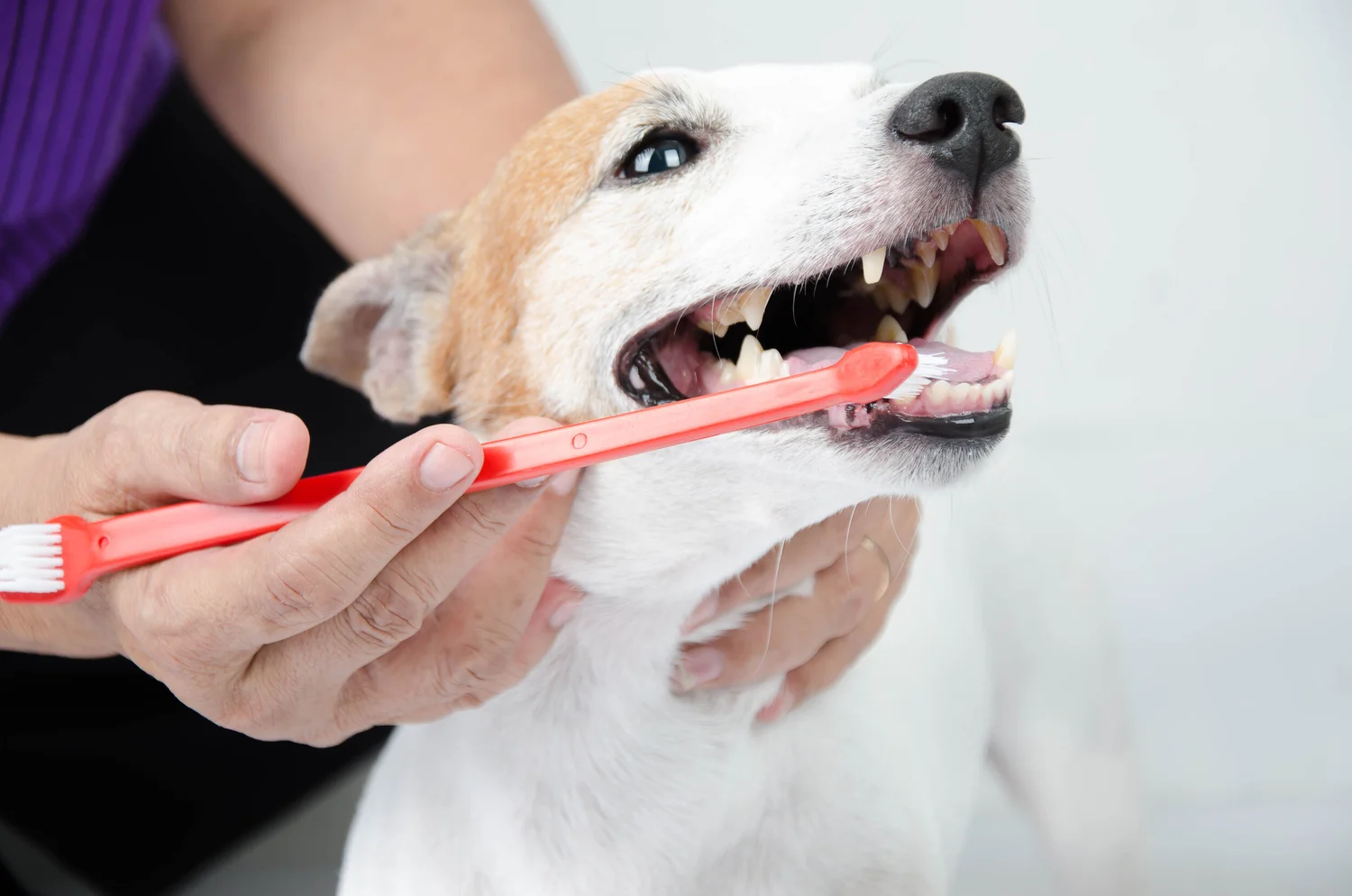
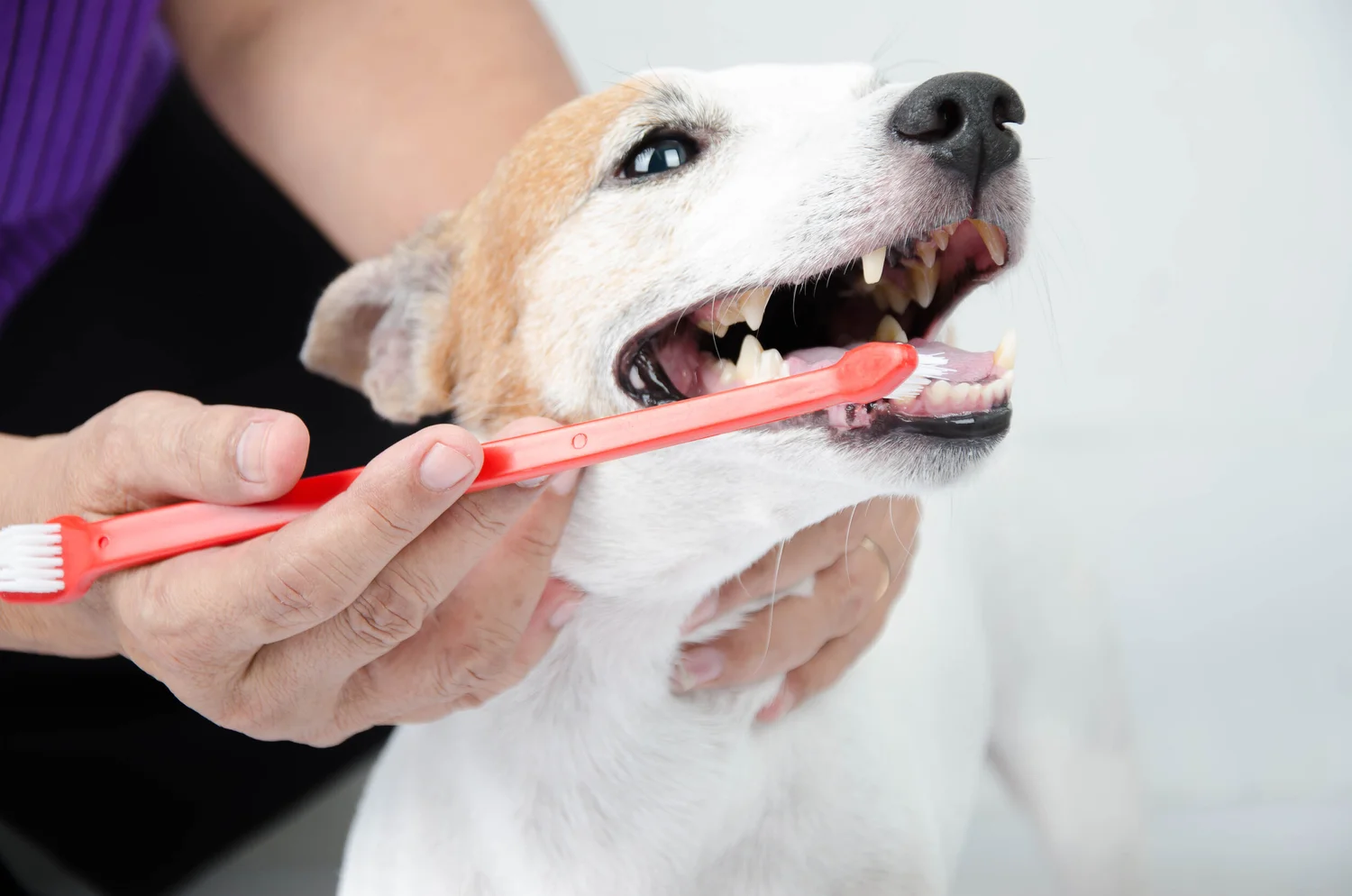
Find a comfortable spot for brushing. Choose a quiet room where your dog feels safe. Sit beside your dog on the floor. If your dog is small, you can place them on your lap. Make sure your dog is relaxed and calm. You may need to gently hold their head steady.
Brushing Techniques
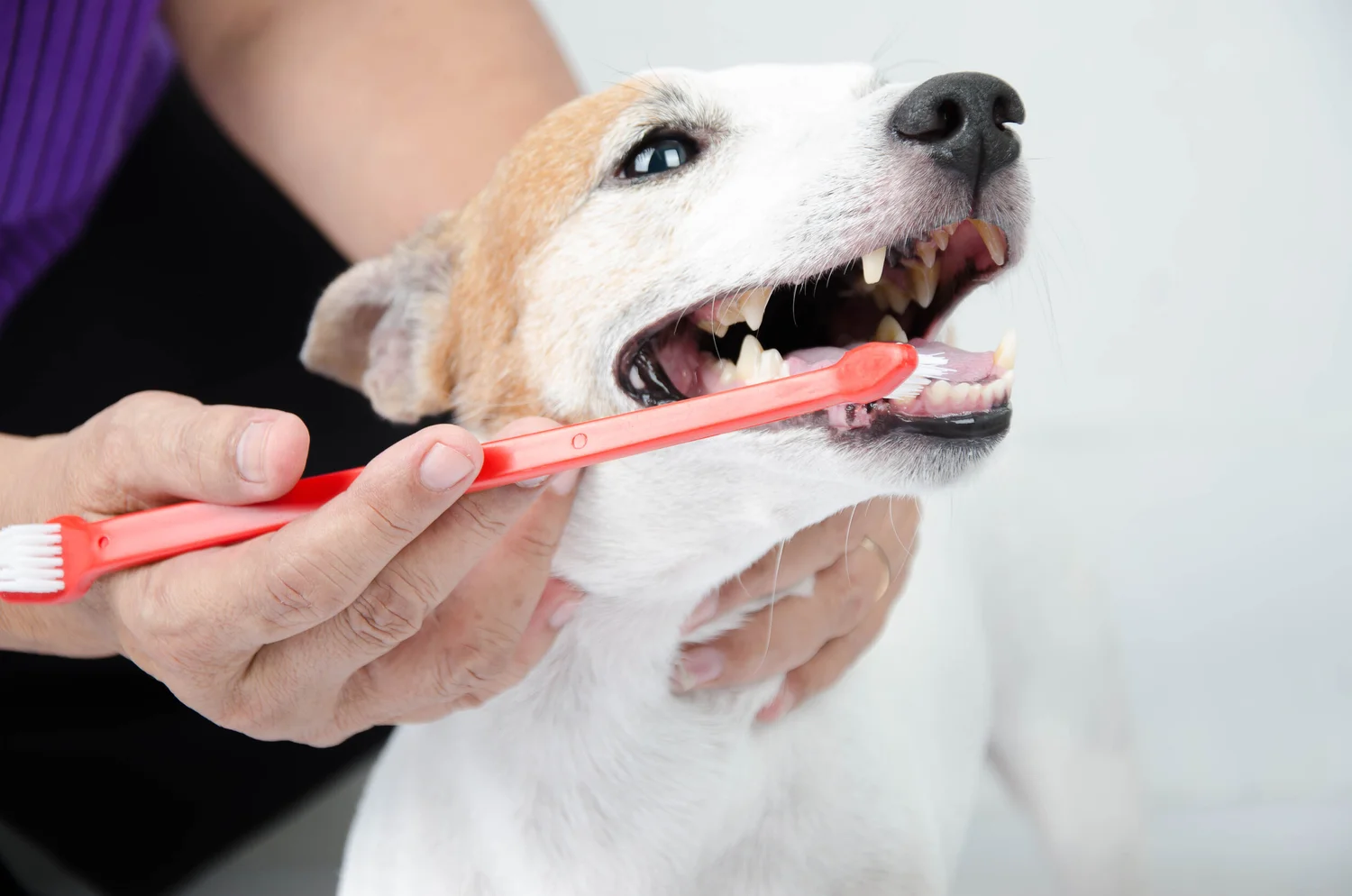
Use a soft-bristled toothbrush designed for dogs. Apply a pea-sized amount of dog toothpaste. Never use human toothpaste; it can be harmful to dogs. Start by lifting your dog’s lip gently. Brush the outer surfaces of the teeth in circular motions. Focus on the gum line, as this is where plaque accumulates. Brush a few teeth at a time, gradually covering the entire mouth. Praise your dog and offer a treat after brushing.
Common Challenges And Solutions
Brushing a dog’s teeth can be tricky, with resistance and unfamiliarity often causing problems. Use a toothbrush designed for dogs and tasty toothpaste to make the process easier. Gradual introduction and positive reinforcement help build a routine, ensuring dental health without stress.
Brushing your dog’s teeth can often feel like a monumental task. There are common challenges many dog owners face, but don’t worry—there are solutions to make this routine easier. By addressing these hurdles, you can ensure your furry friend maintains a healthy smile without stress.Dealing With Resistance
Many dogs resist having their teeth brushed. They might squirm, bark, or run away at the sight of a toothbrush. To overcome this, introduce the toothbrush gradually. Let your dog sniff and explore it without any pressure. Reward them with treats and praise when they stay calm. Consistency is key, so make this a daily ritual to build trust and familiarity.Handling Sensitive Gums
Some dogs have sensitive gums which can make brushing uncomfortable. You might notice bleeding or your dog pulling away. Opt for a toothbrush with soft bristles designed for dogs. These are gentle on the gums but still effective in cleaning. Using dog-friendly toothpaste can also help as it often contains soothing ingredients. If your dog’s gums remain sensitive, consult your vet for tailored advice. By addressing these challenges, you can transform teeth brushing from a dreaded task into a positive bonding experience. Remember, patience and persistence go a long way in making this a stress-free routine for you and your dog.Maintaining Regular Dental Care
Maintaining regular dental care for your dog is crucial for their overall health and happiness. Just like humans, dogs can suffer from dental issues that affect their quality of life. You may wonder how often should you brush your dog’s teeth or what signs to watch for if their dental health is declining. Let’s dive into some practical insights to ensure your furry friend keeps flashing those adorable smiles.
Frequency Of Brushing
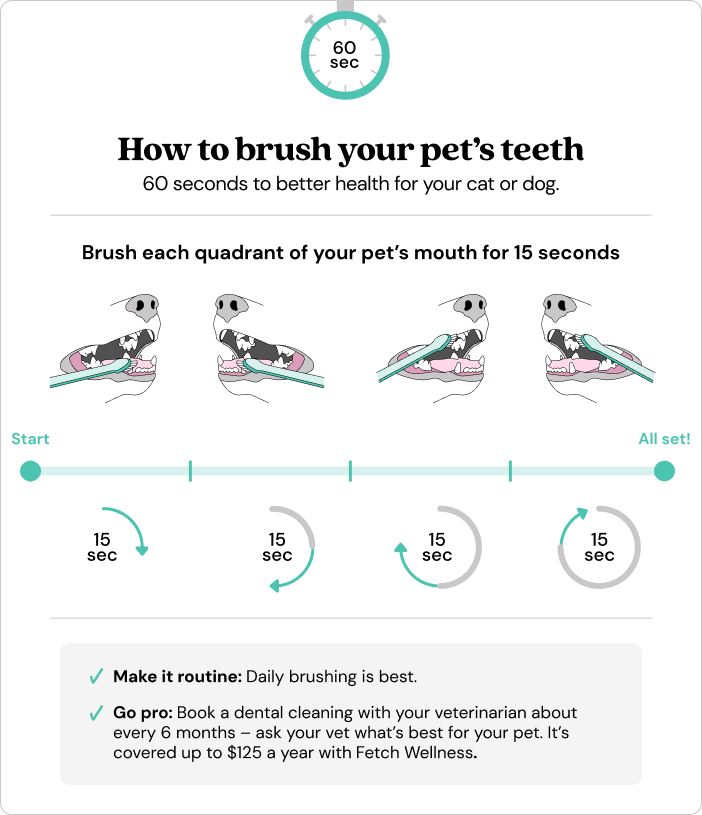
Consistency is key when it comes to brushing your dog’s teeth. Ideally, you should aim to brush their teeth daily, but doing it at least three times a week can significantly improve their dental health. Think about your routine—could you add a few minutes to your daily schedule to brush your dog’s teeth?
Consider using a dog-friendly toothpaste and a soft-bristled toothbrush designed specifically for pets. These tools make the process easier and more effective. You might discover that your dog enjoys the taste of the toothpaste, turning the task into a bonding moment rather than a chore.
Signs Of Dental Problems
How can you tell if your dog is experiencing dental issues? Look for signs such as bad breath, difficulty eating, or excessive drooling. These could indicate problems like gum disease or tooth decay. Have you noticed any changes in your dog’s behavior or eating habits recently?
Regularly inspect your dog’s mouth for any redness, swelling, or bleeding in the gums. These symptoms might mean it’s time for a vet visit. By catching these signs early, you can prevent more serious health problems down the line.
Don’t hesitate to consult with your veterinarian if you suspect any issues. Professional cleanings and check-ups are essential to maintaining your dog’s dental health. How often do you schedule vet visits for your dog’s dental care?
Alternative Dental Health Options
Brushing your dog’s teeth can sometimes feel like a wrestling match, and you may wonder if there are other ways to keep their dental health in check. Fortunately, there are several alternative options that can help maintain your furry friend’s oral hygiene. These alternatives can be more enjoyable for both you and your pet, and they can be effective in reducing plaque and tartar buildup.
Dental Treats And Toys
Dental treats and toys are a fun and effortless way to promote your dog’s oral health. Look for treats specifically designed to clean teeth and freshen breath. These treats usually have a texture that helps scrape off plaque as your dog chews.
Similarly, dental toys are made to be both entertaining and beneficial. Toys with ridges or nubs can help massage gums and clean teeth. Try rotating different toys to keep your dog engaged and ensure they get the most out of their chewing sessions.
Professional Dental Cleaning
Sometimes, despite your best efforts at home, your dog’s teeth might need a professional touch. Professional dental cleaning is performed by a veterinarian and can address more stubborn plaque and tartar buildup. This process often involves anesthesia to ensure your pet’s comfort and safety.
Regular professional cleanings can prevent more serious dental issues down the road. While it may require a bit of investment, it can save you and your pet from potential discomfort and costly treatments in the future. Have you considered when your dog last had a professional dental check-up?
Credit: www.fetchpet.com
Frequently Asked Questions
How Often Should I Brush My Dog’s Teeth?
Brushing your dog’s teeth daily is ideal, but at least 3 times a week. Frequent brushing helps prevent plaque buildup and maintains oral health. Consistency is key to keeping your dog’s mouth clean and reducing the risk of dental disease.
What Tools Do I Need For Brushing?
Use a dog-specific toothbrush and toothpaste. Human toothpaste can be harmful to dogs, so choose a pet-friendly option. Soft-bristled brushes are gentle on gums. Finger brushes can also be effective, especially for smaller dogs.
Are There Signs My Dog Needs Dental Care?
Look for bad breath, swollen gums, or tartar buildup. These are signs your dog might need dental attention. Regular check-ups with a vet can help prevent serious dental issues. Early intervention can ensure your dog’s mouth stays healthy.
Can I Use Human Toothpaste For My Dog?
No, human toothpaste contains ingredients harmful to dogs. Fluoride and artificial sweeteners like xylitol can cause health issues. Always use dog-specific toothpaste, which is safe and often flavored to appeal to pets.
Conclusion
Brushing your dog’s teeth keeps them healthy and happy. Start with gentle, regular brushing. Use dog-friendly toothpaste for safety and effectiveness. Be patient. Dogs need time to adjust. Make it fun and rewarding with treats and praise. Regular vet check-ups help monitor oral health.
A clean mouth prevents bad breath and gum issues. Consistent care ensures a happier, healthier pet. Keep brushing part of your routine. Your furry friend will thank you with a wagging tail and a bright smile. Happy brushing!

Similar Posts