How Do You Crate Train a Dog: Expert Tips Revealed
Imagine coming home to a calm, happy dog instead of a whirlwind of chaos. Crate training can be the key to achieving this serene scene.
But how do you crate train a dog effectively? You might feel overwhelmed by the idea of introducing a crate into your dog’s routine, fearing it may seem like a cage rather than a cozy den. Rest assured, with the right approach, crate training can transform your dog’s behavior and your home environment.
You’ll discover practical steps to turn a crate into a haven for your furry friend, tapping into your dog’s natural instincts for safety and comfort. Get ready to unlock a simpler, stress-free life for both you and your pet. Dive in to find out how!

Credit: www.tiktok.com
Choosing The Right Crate
Choosing the right crate for your dog is crucial. It ensures comfort and security, making training smoother. A good crate becomes a safe haven for your furry friend. Selecting the right one involves considering size and material. Let’s explore these aspects.
Size Matters
The crate must be spacious enough for your dog to stand. It should allow turning around and lying down comfortably. But not too big. A cozy fit helps your dog feel secure. Measure your dog from nose to base of tail. Add a few inches to ensure a good fit. Consider your dog’s breed and growth if still a puppy.
Material Options
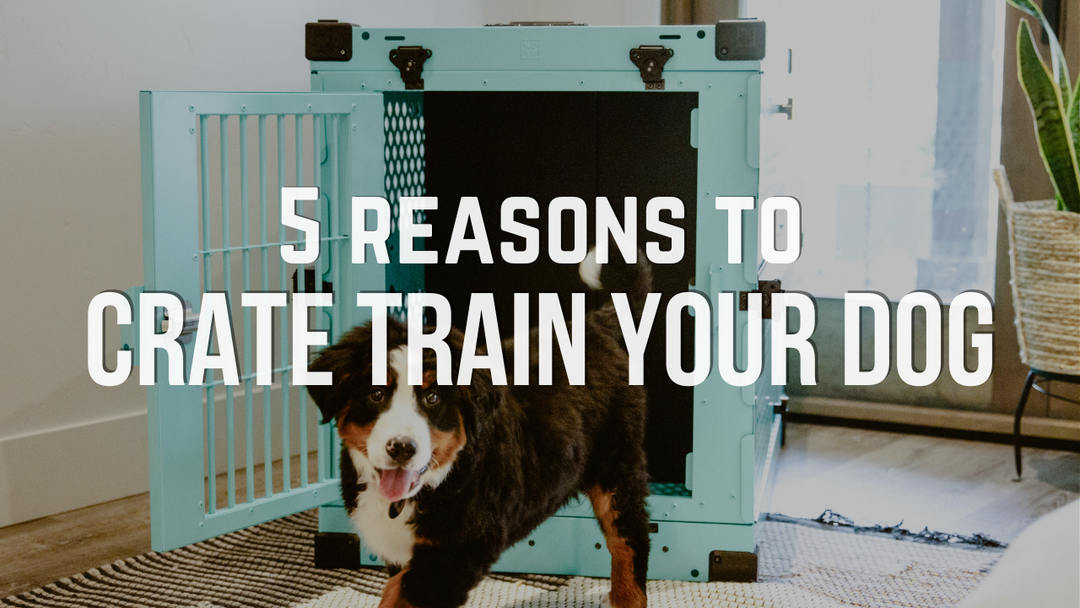
Crates come in different materials: metal, plastic, and fabric. Metal crates are sturdy and durable. They provide good ventilation. Plastic crates offer privacy and are great for travel. They are lightweight but sturdy. Fabric crates are portable and easy to store. Best for calm dogs and indoor use. Choose the material that suits your dog’s needs and your lifestyle.
Credit: www.impactdogcrates.com
Creating A Positive Environment
Creating a positive environment is key to successful dog crate training. Introduce the crate gradually, allowing the dog to explore it freely. Use treats and praise to create positive associations, making the crate a safe and comfortable space.
Creating a positive environment is essential for successful crate training. Your dog should see the crate as a safe haven rather than a confinement. This starts with making the crate inviting and comfortable, ensuring it feels like a cozy retreat. Think of it as creating a mini bedroom for your furry friend, where comfort and security are paramount.Comfortable Bedding
The right bedding can make all the difference in your dog’s perception of the crate. A soft, plush bed can transform the crate into a cozy nook. Choose bedding that’s easy to clean and durable, as dogs can be messy. Consider your dog’s size and sleeping preferences. Does your dog like to stretch out or curl up? Tailor the bedding to suit their needs. A well-chosen bed not only offers comfort but also entices your dog to spend time in their new space.Safe And Secure Location
Where you place the crate can affect your dog’s comfort level. Choose a spot that’s quiet but not isolated. Dogs are social animals and enjoy being near their humans. Avoid placing the crate in areas with drafts or direct sunlight. A stable environment helps your dog feel secure. Would you want to sleep in a place where you constantly feel cold or overheated? Consider your household’s activity level. High-traffic areas might not be ideal for crate placement. Instead, opt for a corner of the room where your dog can feel part of the action without being overwhelmed. By focusing on comfort and security, you help your dog view the crate as a positive space.Introducing Your Dog To The Crate
Introduce your dog to the crate gradually. Make the crate inviting with soft bedding and favorite toys. Encourage them to enter by tossing treats inside, praising them for exploring.
Introducing your dog to the crate is a crucial step in crate training. This process requires patience and understanding. The goal is to make the crate a safe and comfortable space. Dogs should associate the crate with positive experiences. With the right approach, your dog will see the crate as a cozy den.Gradual Introduction
Start by placing the crate in a familiar area. Let your dog explore it at their own pace. Keep the crate door open initially. This allows your dog to go in and out freely. Put soft bedding inside for comfort. You can add toys or treats inside the crate. This encourages curiosity without pressure. Never force your dog into the crate. It should be a voluntary experience.Positive Reinforcement Techniques
Use treats to reward your dog. Praise them when they enter the crate. This builds positive associations. Keep sessions short and enjoyable. Gradually increase the time your dog spends inside. Use a calm voice to reassure them. Offer treats through the crate bars. This encourages your dog to stay inside. Always end sessions on a positive note. This keeps your dog eager for the next session.Establishing A Routine
Establishing a Routine Crate train a dog by setting a consistent schedule. Introduce the crate as a safe space. Gradually increase crate time while ensuring comfort and positive reinforcement.
Establishing a routine is crucial when crate training your dog. It helps your furry friend understand what to expect, reducing anxiety and making the crate a safe and comfortable space. A well-planned routine creates a sense of stability for your dog, paving the way for successful training sessions. Are you ready to create a consistent routine that works for both you and your dog?Consistent Schedule
Consistency is key to effective crate training. Set specific times for your dog’s crate sessions, ensuring they align with your daily schedule. Dogs thrive on predictability, so regularity helps them feel secure. Make sure to include breaks for bathroom needs and exercise. A balance of activity and rest will keep your dog happy and healthy. What times work best for your dog? Morning crate time might suit a working family, while evening sessions could be perfect for those at home during the day.Meal Time And Crate
Linking meal times with crate sessions can enhance the training process. After a meal, your dog may feel content, making the crate more appealing. Place your dog’s food bowl near the crate to create positive associations. This simple trick can transform the crate into a welcoming space. Consider how your dog responds to meal times. Does your dog enjoy quiet time after eating? Use this moment to introduce them to their crate, fostering a peaceful environment.Handling Resistance
Dealing with resistance while crate training involves patience and consistency. Create a positive environment by using treats and praise. Gradually increase crate time to help your dog feel secure and comfortable.
Handling resistance during crate training can be a challenging yet rewarding experience. Dogs, like humans, may naturally resist unfamiliar situations. This resistance can stem from fear or anxiety, and understanding these emotions is key to a successful crate training journey. By addressing these feelings head-on, you can help your dog feel more comfortable and secure in their crate.Understanding Fear
Fear is a common emotion your dog may experience when introduced to crate training. Imagine being in their paws: a confined space can initially feel intimidating. Recognize that this fear is natural. You can ease this fear by making the crate inviting. Try placing your dog’s favorite blanket inside or perhaps a toy they cherish. Consider leaving the crate door open, allowing them to explore at their own pace. Does your dog seem hesitant to approach the crate? Offer treats near the entrance to encourage them to investigate. Gradually, they’ll associate the crate with positive experiences.Overcoming Anxiety
Anxiety can manifest in different ways, from barking to excessive pacing. Have you noticed any of these signs in your dog? Addressing anxiety requires patience and understanding. Begin by creating a calm environment. Soft music or soothing sounds can work wonders for an anxious dog. You might also try short periods of crate time, gradually increasing the duration as your dog becomes more comfortable. Consider your dog’s daily routine. Are they getting enough exercise and mental stimulation? A tired dog is often a relaxed dog. Regular walks and playtime can reduce overall anxiety, making crate training more effective. Reflect on your own emotions during training. Dogs often pick up on their owner’s feelings. Approach crate training with calmness and positivity, setting the tone for your dog’s experience.Tips For Overnight Crate Training
Create a cozy space in the crate with a soft blanket and familiar toys. Gradually increase crate time, starting with short intervals. Ensure the crate is in a quiet area to help your dog feel safe.
Crate training your dog overnight can be a rewarding experience for both you and your furry friend. Successful overnight crate training involves creating a comfortable and secure environment that encourages your dog to sleep peacefully through the night. With a few strategic tips and a bit of patience, you can transform your dog’s crate into a haven that supports their nighttime routine.Nighttime Comfort
Ensure your dog feels at ease in their crate by adding some cozy elements. A soft blanket or a plush bed can make a world of difference in promoting comfort. Consider the temperature of the room; make sure it’s not too hot or too cold for your pet. A favorite toy can also provide comfort and familiarity. This can ease any anxiety your dog might feel when the lights go out. Remember, your dog’s crate should feel like a safe den, not a punishment zone.Managing Nighttime Needs
Before bedtime, take your dog outside for a bathroom break. This helps prevent midnight potty accidents. A consistent pre-bedtime routine can signal to your dog that it’s time to wind down and prepare for sleep. If your dog wakes up during the night, assess whether it’s for a bathroom break or due to discomfort. Respond calmly and quietly to avoid stimulating them too much. Over time, your dog will learn to associate the crate with uninterrupted sleep. Have you noticed how a comforting routine can ease transitions for both humans and pets? With the right approach, you can ensure your dog’s crate becomes a cherished part of their nighttime routine.Common Mistakes To Avoid
Offering food and water inside the crate can lead to messes and discomfort. Avoid using the crate as punishment; it should be a safe place.
Crate training a dog can be incredibly rewarding, but it’s easy to slip up and make mistakes that can hinder progress. Knowing what to avoid can make the process smoother and more beneficial for both you and your furry friend. Let’s dive into some common pitfalls and ensure your crate training journey is a successful one.Overuse Of The Crate
Using the crate excessively can lead to anxiety and stress for your dog. It’s essential to balance crate time with plenty of exercise and play. Imagine being confined to one space for too long—it’s not enjoyable, right? Dogs need stimulation and interaction. If you’re relying on the crate as a primary containment tool, your dog might start associating it with punishment. Ask yourself, is the crate a safe haven or a solitary confinement? Keep crate time reasonable. Ensure your dog spends ample time outside the crate, interacting with family, and exploring their environment.Ignoring Signs Of Distress
Dogs communicate discomfort in various ways, and it’s crucial to pay attention. Whining, excessive barking, or scratching at the crate are clear signs your dog might not be adjusting well. Ignoring these signs can lead to long-term anxiety and crate aversion. Have you noticed your dog avoiding the crate or appearing stressed when near it? Every dog is unique, and some may require more patience and gradual introduction to crate training. Adjust your approach based on your dog’s responses, making sure the crate remains a positive space.Benefits Of Crate Training
Crate training offers dogs a safe and comfortable space. It helps with house training and reduces anxiety. Proper training builds trust and encourages good behavior.
Crate training your dog can be a game-changer for both you and your furry friend. It offers a variety of benefits that can enhance your pet’s quality of life and make your day-to-day routines smoother. Whether you’re dealing with a puppy or an adult dog, understanding the advantages of crate training can give you a fresh perspective on managing your pet’s behavior and ensuring their well-being.Safety And Security
A crate provides a safe haven for your dog. It’s their personal space where they can retreat when feeling anxious or overwhelmed. Imagine coming home to find your dog relaxed instead of stressed from the hustle and bustle of your household activities. You wouldn’t leave a toddler unattended, right? Similarly, a crate ensures your dog is secure when you can’t supervise them directly. It minimizes the risk of accidents, like chewing on electrical cords or ingesting harmful substances.Housebreaking Aid
Housebreaking can be a daunting task, but a crate can simplify the process. Dogs naturally avoid soiling their sleeping area, which encourages them to hold their bladder and bowels until they’re let out. Think about the relief of not having to clean up surprise messes around your house. With consistent crate training, your dog learns to associate bathroom breaks with outdoor time, making housebreaking more efficient. Training your dog with a crate isn’t just about confinement; it’s about creating a structured environment that supports their needs and your lifestyle. What are some unexpected ways crate training has benefited your dog?Expert Advice For Success
Crate training a dog requires patience and consistency. Begin by introducing the crate as a positive space. Gradually increase the time your dog spends inside, always rewarding calm behavior.
Crate training a dog requires patience and understanding. Expert advice can make this process smoother. Learning from professionals can help avoid common mistakes. Let’s explore some expert insights and real-life experiences.Professional Insights
Professional trainers emphasize consistency. Keep a regular schedule for crate time. This helps your dog adjust faster. Use positive reinforcement to encourage crate use. Reward your dog with treats or praise. Make the crate a safe space. It should be comfortable and inviting. Start with short periods in the crate. Gradually increase the time. This builds your dog’s confidence. Avoid using the crate as punishment. This creates negative associations. Always ensure the crate is the right size. Your dog should stand and turn easily.Real-life Experiences
Many dog owners share their success stories. Jane, a dog owner, found patience key. Her dog, Max, disliked the crate initially. She began with short, positive crate sessions. Over time, Max started enjoying his crate. Another owner, Tom, used treats to train his puppy. Each time his dog entered the crate, he received a treat. This made the crate a happy place. Tom also placed a soft blanket inside. This added comfort for his dog. These real-life experiences highlight common themes. Consistency, patience, and positive reinforcement lead to success. Your dog can learn to love the crate.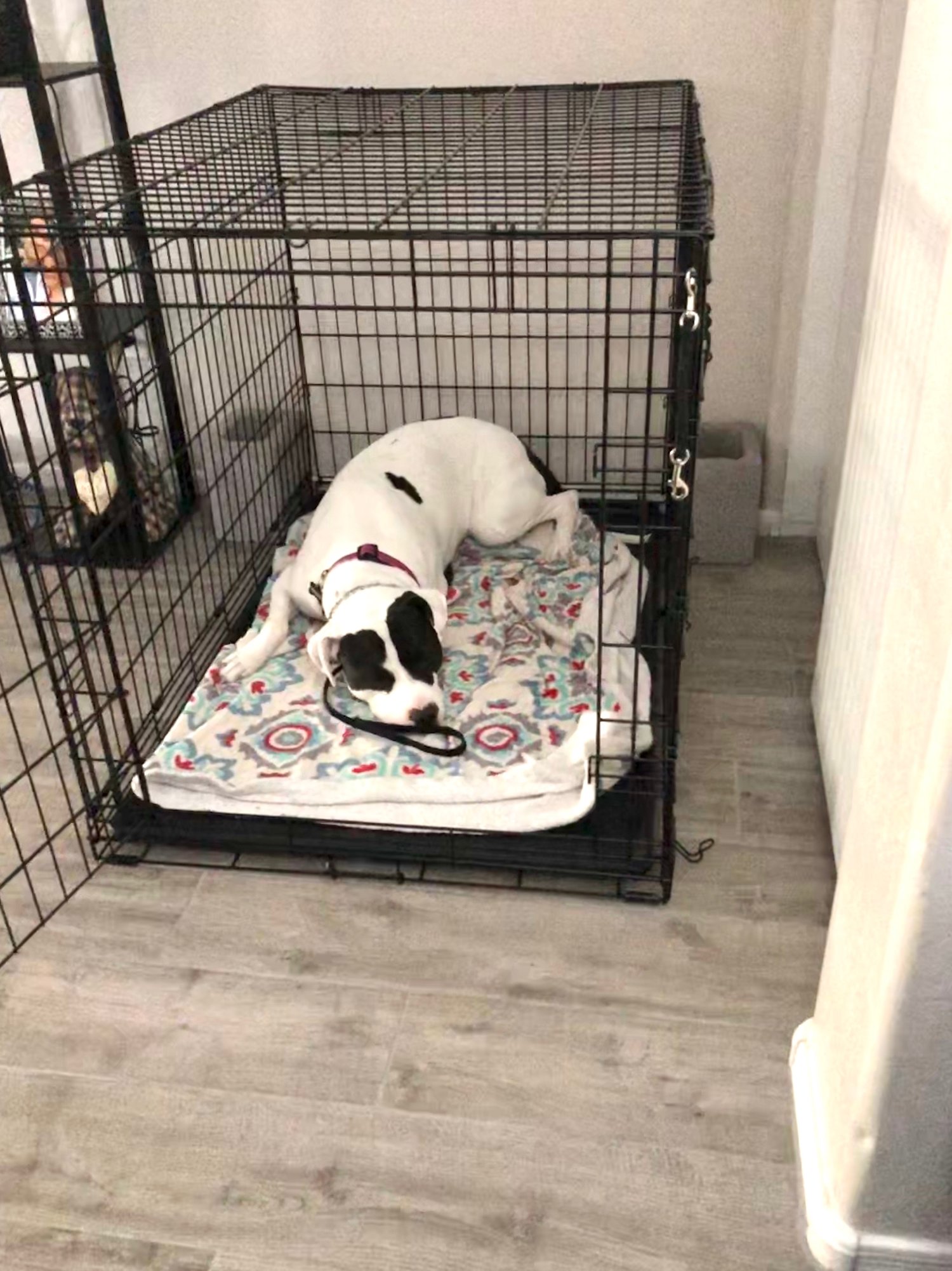
Credit: www.sadiesrulesk9training.com
Frequently Asked Questions
What Age Should You Start Crate Training A Dog?
You can start crate training a puppy from eight weeks old. Early training helps them adjust quickly. Ensure the crate is comfortable and safe. Gradual introduction is key to a stress-free experience. Older dogs can also be crate trained with patience and consistency.
How Long Can A Dog Stay In A Crate?
Puppies should not be in a crate for more than three hours. Adult dogs can be crated for up to eight hours. Always ensure they have breaks for exercise and bathroom needs. Crating should never be a form of punishment.
Balance crate time with ample playtime.
Should The Crate Be Covered At Night?
Covering the crate can help create a cozy, den-like environment. This can aid in calming your dog, especially at night. Ensure there’s proper ventilation and that your dog feels comfortable. Observe your dog’s reaction and adjust accordingly to ensure their comfort.
How Do You Make A Crate Comfortable?
Make the crate inviting with soft bedding and a favorite toy. Ensure it’s the right size for your dog to stand, turn, and lie comfortably. Maintain a clean environment and keep it in a quiet, familiar location. A comfortable crate helps your dog feel secure and relaxed.
Conclusion
Crate training builds trust and routine. A happy dog is the result. Patience is key. Every dog learns at its own pace. Celebrate small victories together. Use treats and praise to encourage. Keep the crate a positive space. Never a punishment.
Consistency helps your dog feel safe. Soon, the crate becomes a cozy retreat. Practice regularly. Watch your bond grow stronger. A well-trained dog is a joyful companion. Crate training is a journey worth taking. Enjoy the process and cherish the moments.