How to Train a Reactive Dog: Expert Tips Unveiled
Senior Canine Nutritionist & Dog Behavior Specialist at Cozy Dog Go Wellness Lab
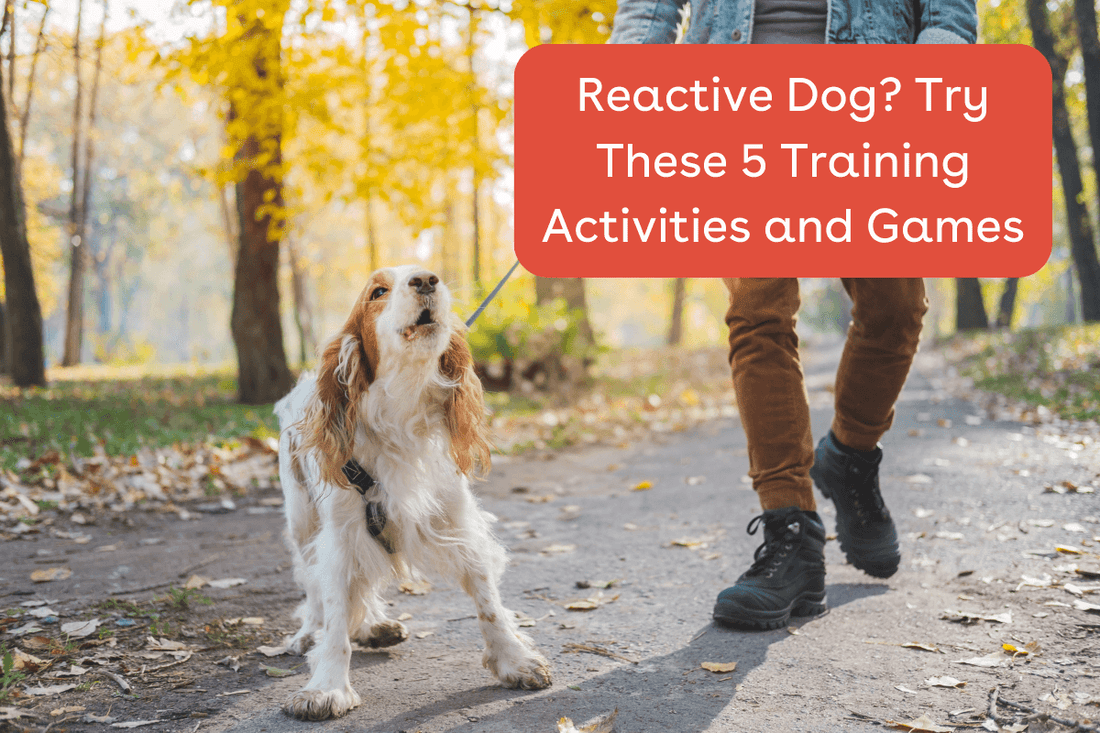
You know how challenging it can be to walk a dog that reacts to every little thing. Whether it’s other dogs, loud noises, or strangers, a reactive dog can turn a peaceful stroll into a stressful experience.
But don’t worry—you’re not alone, and there’s hope for both you and your furry friend. Imagine your dog calmly walking by your side, completely ignoring distractions. This isn’t just a dream; it’s possible with the right training. Your journey to transforming your dog’s behavior starts here.
Dive in to discover practical tips and expert advice that can help you turn your reactive dog into a calm companion.
Understanding Reactive Behavior
Training a reactive dog requires patience and understanding. Focus on positive reinforcement to encourage calm behavior. Gradually introduce triggers while rewarding your dog’s progress.
Understanding a reactive dog’s behavior is crucial for effective training. Reactive dogs often display heightened sensitivity to specific situations. This can lead to stress or fear-based responses. Recognizing these behaviors helps in managing them better.Signs Of Reactivity
Reactivity in dogs can show through various signs. Barking excessively at strangers is one common sign. Lunging or growling on walks is another. Some dogs may freeze or cower in fear. Watch for tense body language too. Raised hackles or a stiff tail can indicate reactivity.Common Triggers
Understanding what triggers your dog’s reactivity is key. Many dogs react to unfamiliar people or animals. Loud noises like thunderstorms can also trigger reactions. Some dogs react to specific environments, like busy streets. Even certain objects, like bicycles, can be triggers. Identifying these triggers helps in creating a safe space for your dog.
Credit: spiritdogtraining.com
Preparing For Training
Training a reactive dog requires patience and preparation. It’s important to set the stage for success by equipping yourself with the right mindset and tools. This preparation phase is crucial, allowing you to approach training with confidence and clarity.
Setting Realistic Goals
Start by identifying specific behaviors to address. Choose manageable goals that can be achieved over time. Break larger objectives into smaller steps. This makes progress measurable and boosts motivation. Aim for gradual improvements, not instant results. Celebrate small victories to maintain enthusiasm.
Gathering Necessary Tools
Equip yourself with essential training tools. A sturdy leash and comfortable harness are must-haves. Consider treats for positive reinforcement. A clicker can aid communication. Create a calm environment to minimize distractions. Use toys for mental stimulation and engagement.
Building Trust And Bond
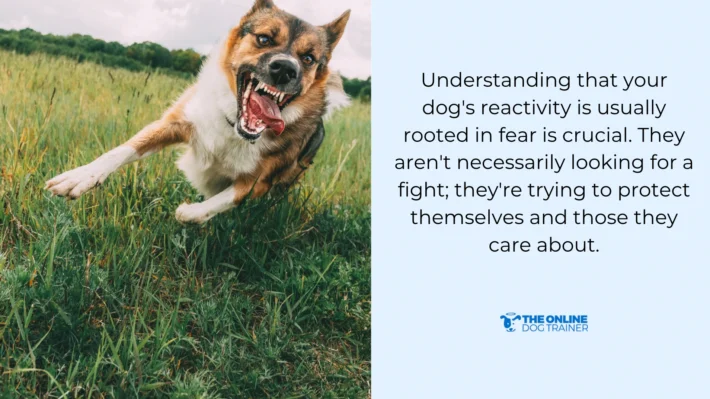
Training a reactive dog is challenging but rewarding. Building trust and a strong bond is crucial. A dog that trusts you feels safe and confident. This section will explore ways to foster trust and a deeper connection.
Importance Of Positive Reinforcement
Positive reinforcement is key in training. Reward good behavior with treats or praise. This encourages the dog to repeat the behavior. Consistency strengthens the bond between you and your dog. It also builds trust, as the dog learns what to expect.
Creating A Safe Environment
A safe environment reduces stress for reactive dogs. Keep the training area calm and free from distractions. Familiar spaces help the dog feel secure. Avoid situations that trigger anxiety. A safe space is essential for building trust and a strong bond.
Credit: theonlinedogtrainer.com
Implementing Behavioral Techniques
Training a reactive dog can feel like navigating a maze, but with the right techniques, you can transform your pup’s behavior. Implementing behavioral techniques requires patience and consistency, but the rewards are immense. Imagine your dog calmly enjoying a walk without reacting to every passerby. Let’s dive into how desensitization and counterconditioning can help you achieve this.
Desensitization Strategies
Desensitization involves gradually exposing your dog to the trigger that causes a reaction. Start with a low-intensity version of the trigger, whether it’s another dog at a distance or a new sound.
- Use treats or toys to distract your dog during exposure.
- Gradually decrease the distance or increase the intensity as your dog becomes more comfortable.
- Monitor your dog’s body language closely for signs of stress.
Consistency is key. If you practice daily, even brief sessions can lead to significant improvements. Have you tried rewarding your dog for calm behavior in the presence of triggers?
Counterconditioning Methods
Counterconditioning aims to change your dog’s emotional response to a trigger. Pair the presence of the trigger with something positive, like treats or play.
- Identify high-value rewards your dog loves.
- Present the reward immediately upon exposure to the trigger.
- Repeat the process until your dog associates the trigger with positive experiences.
This method is about creating new, positive associations. Imagine if your dog could see a bicycle and expect a treat instead of reacting. What’s stopping you from starting this today?
Socialization Practices
Training a reactive dog involves gradual exposure to new environments and experiences. Positive reinforcement helps them associate calm behavior with rewards. Socialization with other dogs in controlled settings can build confidence and reduce reactivity.
Socializing a reactive dog can feel like navigating a maze. Yet, with patience and strategic practices, it is possible to help your furry friend become more comfortable in various situations. Socialization is not about overwhelming your dog with new experiences but about introducing them in a controlled and positive manner. Let’s explore how you can achieve this through controlled exposure and introducing new environments.Controlled Exposure To Stimuli
Start small and gradually build up. If your dog reacts to strangers, begin by observing people from a distance. Let your dog watch and get used to their presence without direct interaction. Use treats and positive reinforcement when your dog remains calm. This reinforces good behavior and helps create positive associations. Consider using a leash to maintain control and ensure your dog’s safety during these exposures. It’s not about restraining your dog but about providing assurance and security. Introduce stimuli in a quiet and familiar environment first. For example, if your dog reacts to loud noises, play soft sounds at home. Gradually increase the volume as your dog becomes comfortable. How do you know when to progress? Observe your dog’s body language. If they seem relaxed and interested rather than tense or anxious, it’s a good sign they’re ready for more.Introducing New Environments
Venturing into new spaces can be overwhelming for a reactive dog. Start by taking small steps. Visit a quiet park during off-peak hours rather than a bustling dog park. Allow your dog to explore at their own pace. Let them sniff around and familiarize themselves without pressure. A curious dog is often a calm dog. Bring familiar items, like their favorite toy or blanket. This can provide comfort and a sense of security in unfamiliar settings. Watch for signs of stress, such as excessive panting or pacing. If your dog shows these signs, it might be time to take a break and return home. Engage your dog with fun activities in new environments. Play a game of fetch or practice simple commands. This keeps their focus on you and away from potential stressors. Ultimately, the key is patience and consistency. How might your dog surprise you with progress? A wagging tail and calm demeanor can be the rewards of your efforts.Managing Setbacks
Training a reactive dog can be a rewarding journey. But it often includes setbacks. These setbacks are a normal part of the process. Managing them well ensures continued progress. Understanding how to navigate these challenges is key. It helps in building a trusting relationship with your dog. Let’s explore how to handle setbacks effectively.
Recognizing Regression Signs
Regression is a common hurdle in dog training. Spotting signs early is crucial. Look for increased barking or lunging. Notice if your dog seems more anxious. Observe any reluctance to follow commands. These signs indicate a potential setback. Addressing them early helps maintain training momentum.
Adjusting Training Plans
Setbacks often require plan adjustments. Reassess your current training methods. Are they still effective? Consider introducing new techniques. Slow down the pace if needed. Ensure training sessions remain positive and stress-free. Flexibility in approach helps adapt to your dog’s needs.
Expert Tips For Success
Training a reactive dog requires patience and consistency. Use positive reinforcement to encourage calm behavior. Gradual desensitization helps dogs adjust to triggers, fostering a more relaxed response over time.
Training a reactive dog can feel like an uphill battle, but with expert tips for success, you can transform those challenging walks into calm and enjoyable outings. Imagine the joy of a peaceful stroll without sudden lunges or barks. Achieving this balance requires dedication and understanding, but the results are rewarding. Below are some practical strategies to help you and your furry friend succeed.Consistency In Training
Consistency is your best ally. Dogs thrive on routine, and knowing what’s expected helps them feel secure. Set aside a specific time each day for training sessions. Use the same commands and cues every time. This clarity helps your dog make connections faster. Have you noticed how they perk up when they hear a familiar word? Create a consistent environment by training in the same location initially. Once your dog is comfortable, gradually introduce new settings to challenge their adaptability.Patience And Persistence
Training a reactive dog requires patience. Progress might seem slow, but every small step counts. Celebrate the little victories, like when your dog stays calm in a previously stressful situation. Persistence is key. Keep working even when it feels like you’re not making headway. Remember, setbacks are part of the journey. Ask yourself: Are you ready to commit for the long haul? Building trust and changing behavior takes time, but the bond you create will be worth it.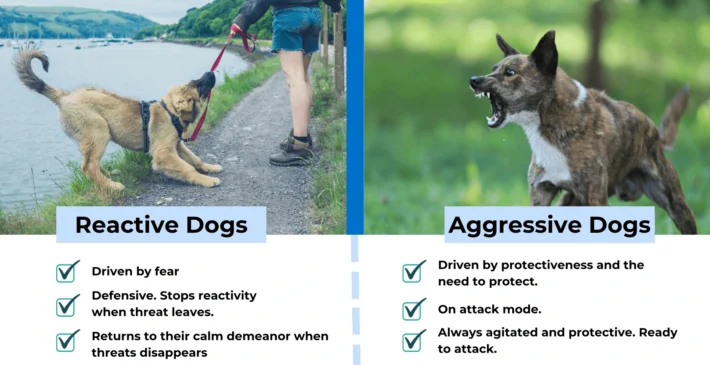
Credit: theonlinedogtrainer.com
Frequently Asked Questions
What Is A Reactive Dog?
A reactive dog often overreacts to stimuli like other dogs or strangers. This behavior can stem from fear, frustration, or excitement. Understanding triggers and managing them effectively is key. Training focuses on building confidence and reducing stress. Professional guidance can be beneficial in managing reactivity.
How Can I Calm My Reactive Dog?
Calming a reactive dog involves identifying triggers and using desensitization techniques. Consistent routine and positive reinforcement help. Redirect attention with commands like “sit” or “focus. ” Gradual exposure to triggers and maintaining calmness is crucial. Seek professional help if necessary for tailored strategies.
Are Reactive Dogs Aggressive?
Reactive dogs aren’t necessarily aggressive; they can be fearful or overstimulated. Reactivity often manifests as barking or lunging. Understanding the underlying cause is essential. Training focuses on reducing stress and increasing confidence. Consult a professional trainer if aggression or safety concerns arise.
Can Reactive Dogs Be Trained?
Yes, reactive dogs can be trained with patience and consistency. Training focuses on desensitization and positive reinforcement. Understanding triggers and gradually exposing dogs to them is vital. Building confidence and trust is essential. Professional trainers can provide specialized techniques and support.
Conclusion
Training a reactive dog takes patience and consistency. Small steps lead to success. Always use positive reinforcement for better results. Keep training sessions short and fun. This helps keep your dog engaged. Understand your dog’s triggers and avoid them when possible.
Building trust is key. Celebrate small victories along the way. Seek professional help if needed. A calm dog makes a happy home. Stay committed, and your bond will grow stronger. Your dedication will pay off in time. With love and patience, you can achieve a well-behaved dog.

Similar Posts