How to Give a Dog Up for Adoption: A Compassionate Guide
Senior Canine Nutritionist & Dog Behavior Specialist at Cozy Dog Go Wellness Lab

Giving up a dog for adoption is a decision that can weigh heavily on your heart. You might feel overwhelmed, unsure, and even guilty.
It’s okay to feel that way. You’re not alone, and many have faced similar situations. You want the best for your furry friend, but circumstances have changed. Whether it’s a shift in your life, financial challenges, or simply realizing your pup deserves more attention, you’re making a choice that can ultimately benefit both of you.
In this guide, you’ll discover how to navigate this emotional process with compassion and care. We’ll walk you through each step, ensuring your dog finds a loving new home. By understanding the adoption process and preparing properly, you can alleviate your worries. You’ll also learn how to communicate effectively with potential adopters, ensuring your dog’s happiness and well-being. Don’t let fear hold you back. Let’s explore how to make this transition smoother for you and your beloved pet.

Credit: www.doggierescue.com
Reasons For Considering Adoption
Finding a loving home for your dog ensures they receive the care they deserve. Adoption can be a solution when circumstances change. Explore shelters and rescues to connect your pet with caring families.
Giving a dog up for adoption can be a tough decision. People often face challenges that lead them to consider this step. Understanding these reasons helps both the owner and potential adopters. Knowing why someone might choose adoption can lead to better support and empathy.Life Changes
Life changes can impact a pet owner significantly. Moving to a new city may not allow pets. Starting a new job might increase work hours, leaving less time for the dog. Personal health issues can limit the ability to care for a pet. These changes, while difficult, might necessitate finding a new home for the dog.Financial Constraints
Owning a dog involves various costs. Veterinary bills, food, grooming, and training add up quickly. An unexpected financial crisis can make these expenses overwhelming. Loss of employment or reduced income can force reconsideration. Adoption might be the responsible choice when finances become tight.Behavioral Issues
Behavioral problems in dogs can be challenging. Aggression, excessive barking, or destructiveness may be beyond an owner’s control. These issues might persist despite training efforts. A new environment or experienced adopter could better manage these behaviors. Adoption may provide the dog with a chance for improvement.Evaluating Your Options
Choosing to give a dog up for adoption requires considering all available options carefully. Explore shelters, rescues, and direct adoption to find the best fit for your dog. Ensure a loving, safe environment for your pet’s future home.
Evaluating Your Options Deciding to give up your dog for adoption is never easy. You may feel overwhelmed with emotions and uncertainty. But evaluating your options can help you find the best solution for both you and your pet. Taking the time to explore available resources can make the process smoother. Let’s dive into a few viable options you can consider.Seeking Help From Professionals
Reaching out to animal professionals can be a game-changer. Animal shelters and rescue groups often provide valuable advice and support. They can guide you through the adoption process and help find a loving home for your dog. Consider consulting with a veterinarian or animal behaviorist. They might offer solutions to issues you’re facing, potentially eliminating the need for rehoming. Don’t hesitate to ask for help; professionals are equipped to assist you.Exploring Foster Care
Foster care is another viable option that offers flexibility. This allows your dog to live with a temporary family until a permanent home is found. It’s a great way to ensure your pet receives love and attention during the transition. Connect with local rescue organizations to learn more about fostering. They usually have a network of foster families ready to care for your pet. Have you considered how this temporary solution could ease your concerns? Evaluate each option carefully to ensure your dog’s well-being and future happiness. By taking these steps, you can make a thoughtful decision that respects your pet’s needs.Preparing Your Dog For Adoption
Prepare your dog for adoption by ensuring they are healthy and well-socialized. Provide updated vet records and a brief history. Familiarize them with different environments to ease the transition.
Preparing your dog for adoption is a thoughtful decision. It ensures a smooth transition for both the dog and the new owner. A well-prepared dog is more likely to find a loving home quickly. Let’s explore how to get your furry friend ready.Health Check-up
A complete health check-up is essential. Visit a veterinarian for a thorough examination. This ensures your dog is free from diseases. Vaccinations should be up-to-date. Discuss flea and tick prevention methods. Ensure your dog is spayed or neutered. This can improve their chances of adoption. Gather medical records to share with potential adopters.Training And Socialization
Training enhances your dog’s appeal. Basic commands like sit, stay, and come are essential. Socialization is equally important. Expose your dog to different environments. Introduce them to various people and pets. This helps them adapt easily to new situations. A well-behaved dog attracts more adopters. Provide a summary of their training progress. This gives adopters confidence in their new companion.
Credit: www.aspca.org
Finding The Right Adoption Agency
Finding the right adoption agency ensures your dog finds a loving home. Research local agencies with good reputations. Visit them to see their facilities and meet the staff.
Finding the right adoption agency ensures your dog finds a loving home. This process requires thoughtful consideration and research. You want to ensure the agency aligns with your values. The right agency will prioritize your dog’s needs and well-being.Researching Local Shelters
Begin by exploring shelters in your area. Visit their websites to gather information. Look for their mission and values. Check if they have a good reputation. Read reviews from other pet owners. This gives insight into their adoption process. Visit the shelter in person, if possible. Observe the environment and talk to the staff. Ensure they treat animals with care and respect.Contacting Rescue Groups
Reach out to local rescue groups. These groups often specialize in specific breeds or sizes. They have a network of foster homes and adopters. Use online directories to find reputable rescue groups. Send them an email or call for more details. Ask about their adoption procedures. Inquire about their success stories and testimonials. This helps gauge their effectiveness in placing dogs. Rescue groups often provide more personalized care. They might offer advice on preparing your dog for adoption.Creating An Effective Adoption Profile
Crafting an engaging adoption profile highlights a dog’s unique personality and needs. Include clear photos and honest descriptions to attract potential adopters.
Creating an Effective Adoption Profile Crafting a compelling adoption profile is crucial for finding the right home. This profile should reflect the dog’s personality and needs. It helps potential adopters understand what to expect. Clarity and honesty are key. Use simple language. Keep it engaging and informative.Highlighting Personality Traits
Describe what makes your dog unique. Is he playful or calm? Does she enjoy the company of other pets or prefer solitude? Mention any quirks or habits that stand out. Use positive language. A vivid portrayal helps potential adopters imagine life with your dog.Including Medical History
Provide a complete medical background. Include vaccinations, any ongoing treatments, and health conditions. Transparency builds trust. Ensure records are up-to-date. Mention dietary needs or allergies. This information is vital for adopters to prepare for the dog’s care.Screening Potential Adopters
Screening potential adopters is crucial in the adoption process. You want to ensure your dog goes to a safe and loving home. This involves thorough checks to find the right match. Carefully evaluating adopters will give you peace of mind.
Conducting Interviews
Interviews help you understand the adopter’s lifestyle. Ask questions about their daily routine. Know if they have experience with dogs. This reveals their commitment level. Inquire about their family setup. Are there children or other pets? Discuss their expectations from adopting. This ensures they align with your dog’s needs.
Home Visits
Home visits provide a clear picture of the living environment. Check if the space is dog-friendly. Look for safe areas for play and rest. Ensure there are no hazards. Observe interactions with family members. This shows how the dog will fit in. Address any concerns on-site. This helps resolve issues before adoption.
Handling Emotional Challenges
Giving up a dog for adoption can stir deep emotions. It’s a tough decision filled with guilt and sadness. Facing these feelings is important for your well-being. This section guides you through handling these emotional challenges.
Coping With Guilt
Guilt often follows the decision to give up a pet. Remind yourself that your dog’s future matters. Choosing a loving home is a positive step. Share your feelings with friends or a support group. Talking can ease the burden of guilt.
Focus on the reasons behind your choice. Maybe it’s financial strain or lack of time. Knowing you are doing what’s best can help. Consider writing down your thoughts. Seeing them on paper might bring clarity and relief.
Saying Goodbye
Saying goodbye to a beloved pet is hard. Create a special moment with your dog. Spend time doing their favorite activities. Take photos to cherish the memories. These actions can help you find closure.
Prepare yourself for the separation. Know that your dog will receive care and love in its new home. Reassurance can comfort you. Remember, it’s okay to feel sad. Allow yourself to grieve and heal over time.
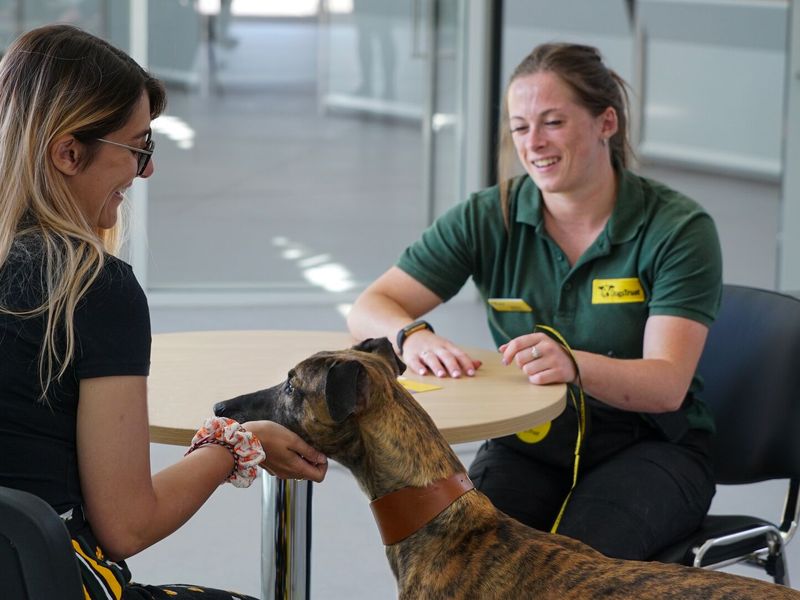
Credit: www.dogstrust.org.uk
Ensuring A Smooth Transition
Finding a new home for a dog is a caring decision. Ensure a smooth transition by choosing a reputable adoption center. Share essential details about the dog’s personality and needs to help them settle comfortably into their new environment.
Ensuring a smooth transition for a dog going up for adoption is crucial. It helps the dog feel secure in its new home. This process also aids new owners in adjusting to their furry friend. Here are ways to make the transition seamless.Providing Familiar Items
Give the new family items your dog loves. A favorite blanket or toy brings comfort. These items carry familiar scents that soothe the dog. Familiar objects help the dog feel at home quickly. It reduces stress and eases anxiety.Offering Support To New Owners
Share tips and habits with the new owners. Tell them about the dog’s daily routine. Mention favorite foods and activities. This helps the new family understand their new pet. Offer to answer questions they might have. Support builds confidence in caring for the dog. A well-informed owner leads to a happier pet.Frequently Asked Questions
What Should I Consider Before Giving Up A Dog?
Consider your dog’s health, behavior, and current living conditions. Evaluate if you have explored all options, like training or vet advice, to keep your dog. Assess the emotional impact on both you and your pet before making the decision.
How Do I Find A Trustworthy Adoption Agency?
Research local animal shelters and rescue groups. Look for agencies with positive reviews and accreditations. Contact them to understand their adoption process and policies. Ensure they prioritize the dog’s welfare and provide proper screening for potential adopters.
Can I Rehome My Dog Without An Agency?
Yes, you can rehome your dog independently. Use social media and community groups to find potential adopters. Conduct interviews and home visits to ensure a safe environment. Always prioritize your dog’s well-being when choosing a new home.
What Paperwork Is Needed For Dog Adoption?
Prepare medical records, vaccination history, and behavioral notes. Some agencies may require an adoption contract or transfer of ownership. Ensure all documents are organized and accessible for the new owner to facilitate a smooth transition.
Conclusion
Finding a new home for your dog can be tough. Emotions run high. But, following the right steps makes it easier. Always prioritize your dog’s well-being. Choose a responsible adoption process. This ensures your pet finds a loving family. Communicate openly with potential adopters.
Share your dog’s needs and personality. Be patient. Take your time to find the right match. It’s important for your peace of mind. And for your dog’s happiness. Remember, this decision shows your love and responsibility. Your dog deserves the best future possible.
Similar Posts