How Often Should I Groom My Dog: Essential Frequency Guide for a Healthy Coat
Senior Canine Nutritionist & Dog Behavior Specialist at Cozy Dog Go Wellness Lab

Is your furry friend looking a little less than fabulous lately? You’re not alone in wondering, “How often should I groom my dog?”
Proper grooming is essential for your dog’s health and happiness, but finding the right balance can be tricky. Too much grooming can irritate their skin, while too little can lead to tangles, dirt buildup, and even health issues. This article dives into the ideal grooming schedule tailored for your dog’s specific breed, coat type, and lifestyle.
By the end, you’ll have a clear roadmap to keep your pooch looking and feeling their best. Ready to transform your grooming routine and strengthen the bond with your four-legged companion? Let’s get started!
Credit: www.instagram.com
Factors Influencing Grooming Frequency
Grooming your dog isn’t just about keeping them looking good; it’s crucial for their health and happiness. But how often should you do it? The answer varies based on several factors. Let’s dive into the specifics that determine the best grooming schedule for your furry friend.
Breed Specific Needs
The breed of your dog plays a significant role in how often they need grooming. Some breeds, like Poodles or Shih Tzus, have hair that grows continuously and requires frequent trims to prevent matting. On the other hand, breeds with short coats, like Beagles or Boxers, might only need occasional brushing.
Think about how your dog’s coat affects their comfort and health. A thick-coated breed may need more regular grooming to avoid tangles and skin issues. Have you noticed your dog getting hot spots or tangles? It could be time for a grooming session.
Age Considerations
Age can affect grooming needs, too. Puppies may require more frequent grooming as they get used to the process, making it a positive experience for them. Older dogs might need more gentle and careful grooming due to potential health issues or sensitivity.
As your dog ages, their coat and skin might change, requiring adjustments to your grooming routine. Are you noticing changes in your senior dog’s coat texture or skin health? A tailored grooming plan can make a big difference.
Activity Level And Environment
How active is your dog, and where do they spend most of their time? A dog that loves rolling in the mud or going on adventurous hikes might need more regular baths and grooming sessions than a dog that prefers lounging indoors.
Environmental factors like seasonal changes can also impact grooming frequency. Dogs living in humid areas might need more frequent baths, while those in colder climates may require less. Is your dog’s environment causing more dirt or debris to accumulate? Adjust your grooming schedule accordingly.
Grooming Tools And Techniques
Regular grooming keeps your dog healthy and happy. Most dogs need grooming every 4-8 weeks. It depends on breed, coat type, and activity level.
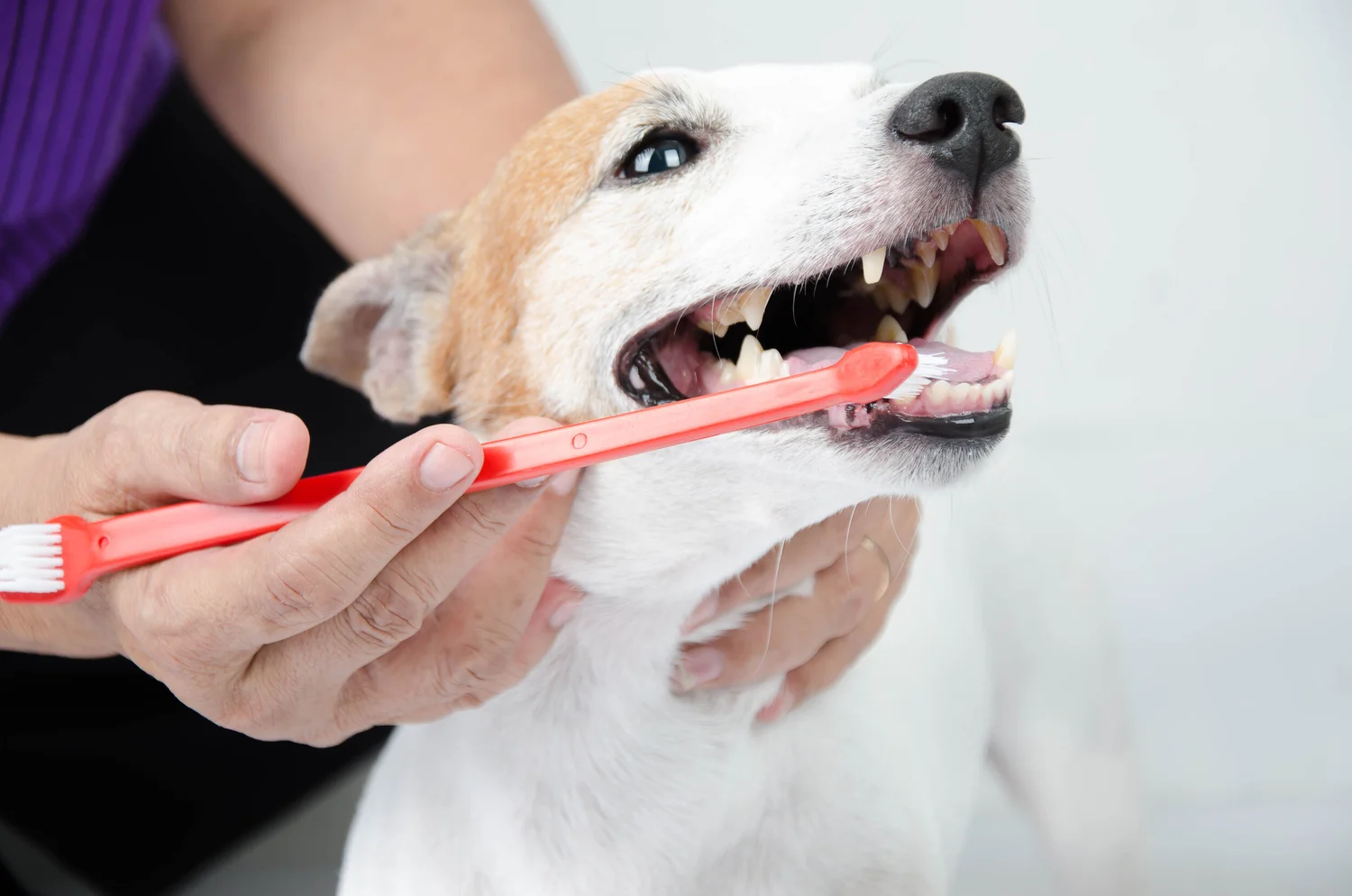
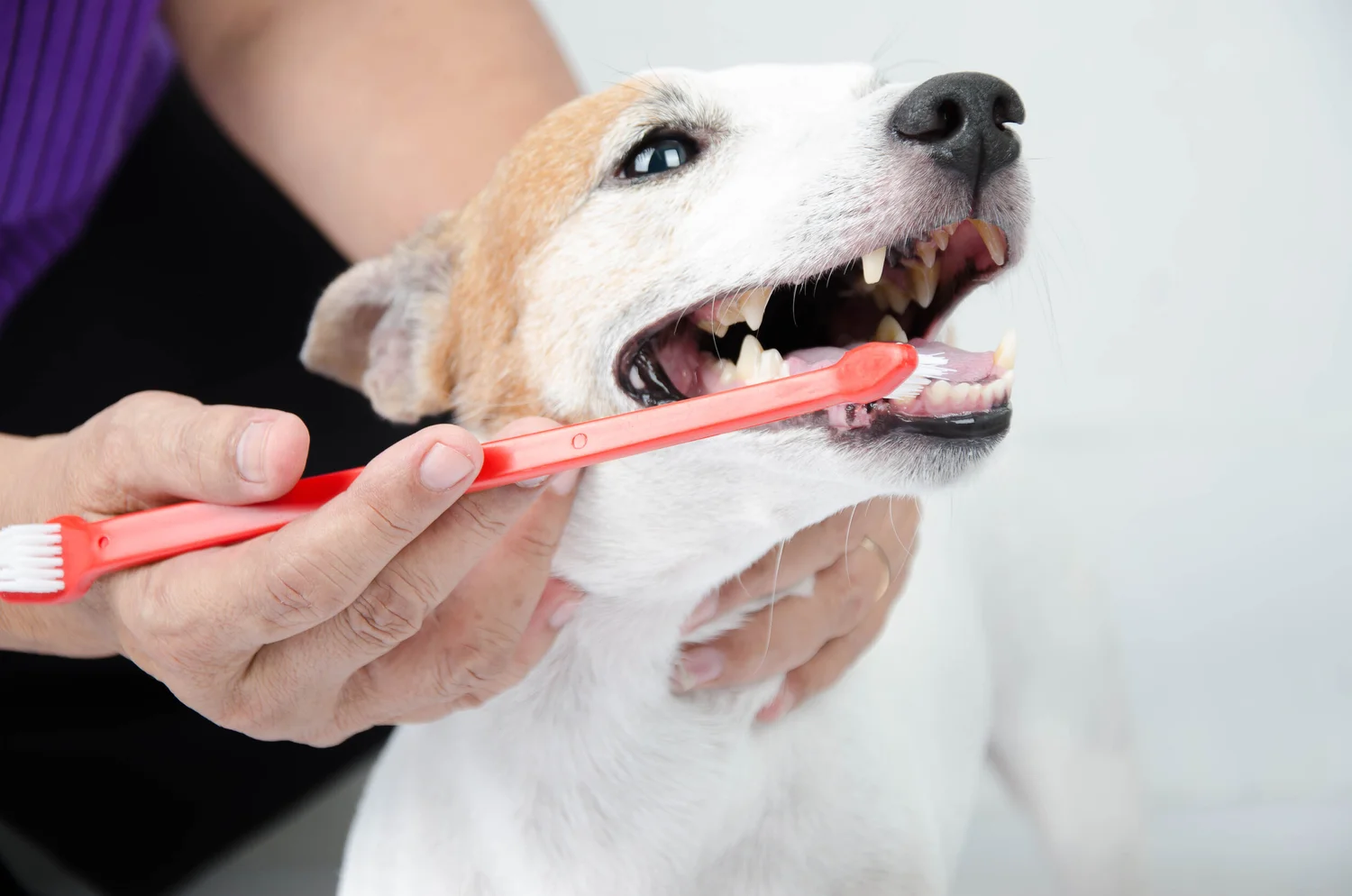
Grooming your dog regularly keeps them healthy and happy. Using the right tools and techniques makes grooming easier and more effective. Each dog breed may require different grooming tools. Understanding these tools and how to use them is essential for your dog’s care.Brushing Essentials
Brushing your dog’s coat removes dirt and loose hair. It also helps distribute natural oils. Use the right brush for your dog’s coat type. Short-haired breeds need a bristle brush. Long-haired breeds benefit from a slicker brush. Regular brushing prevents tangles and mats. Aim to brush your dog a few times a week. For breeds with long hair, daily brushing is often best.Bathing Guidelines
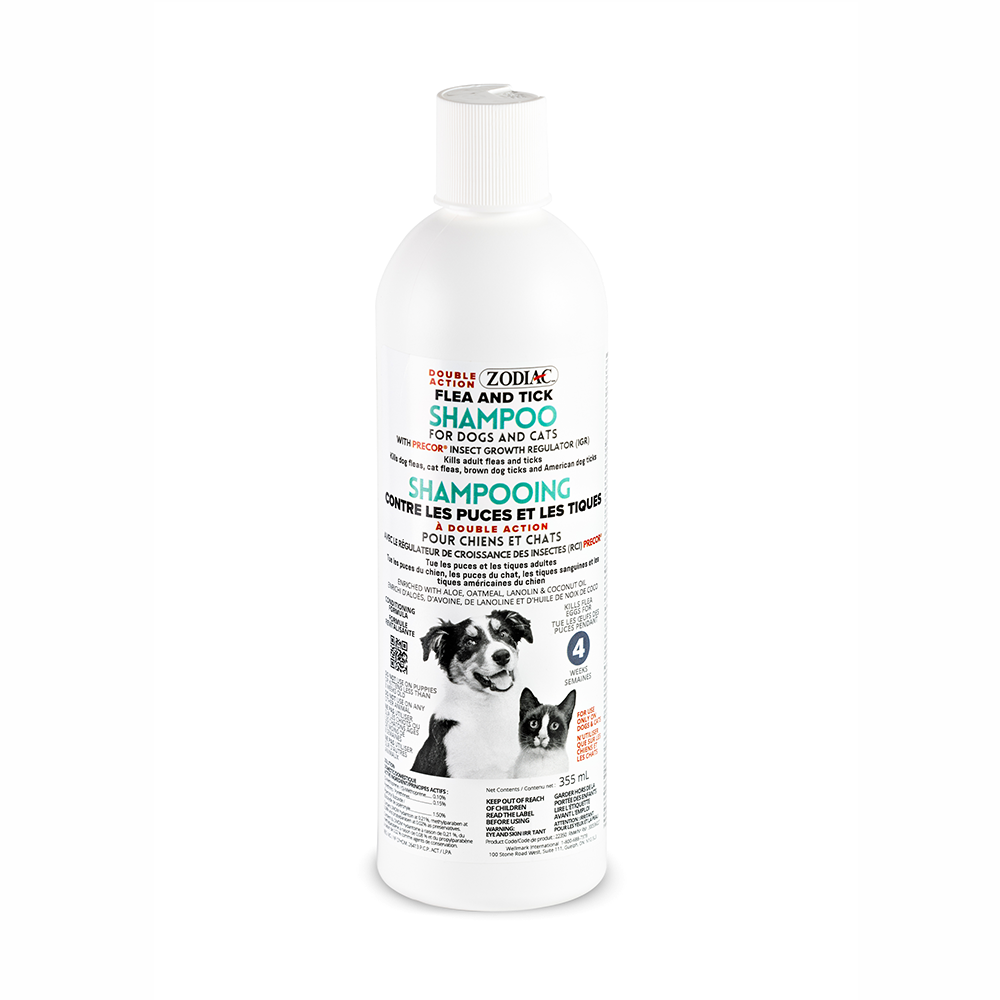
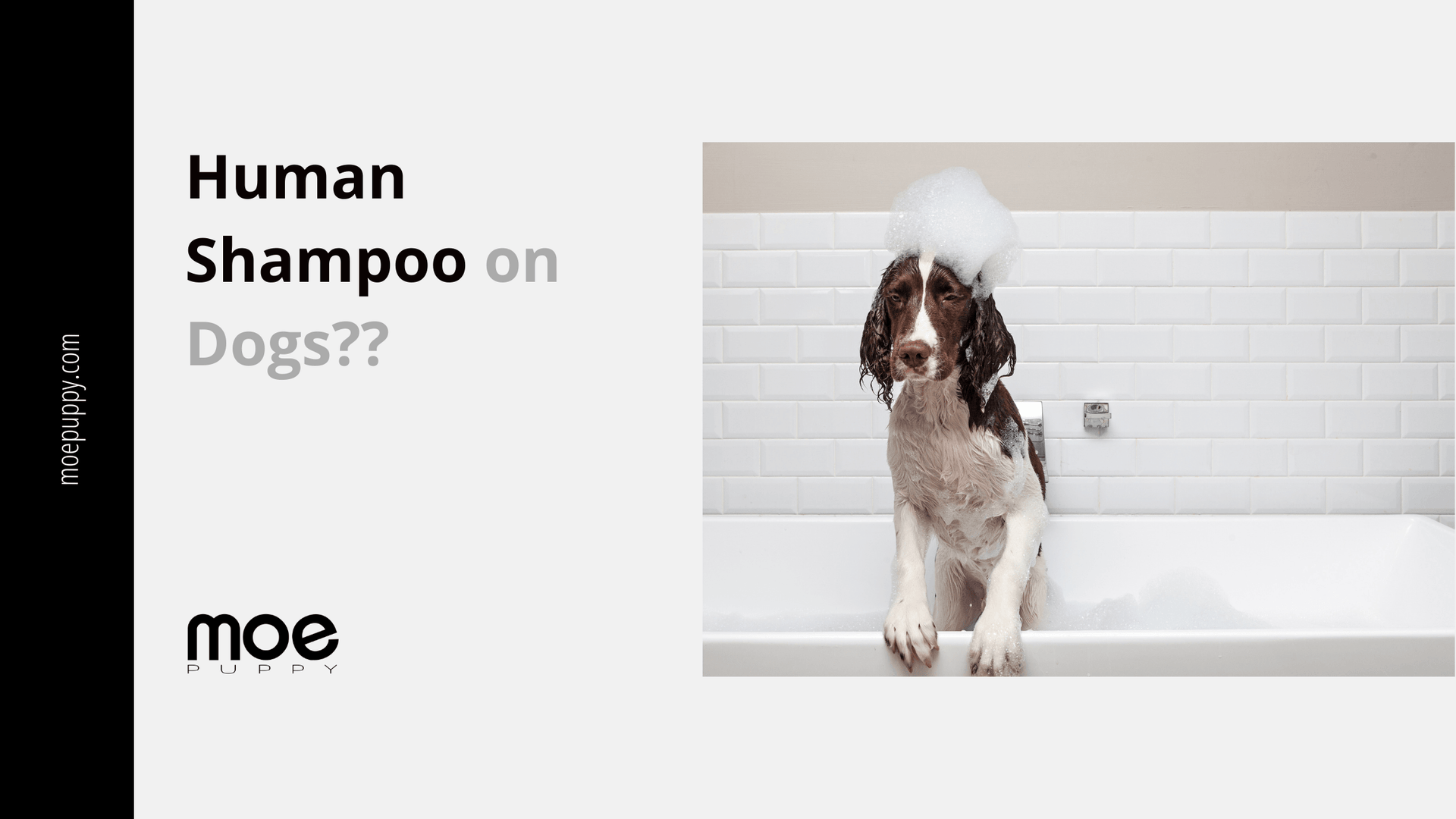
Bathing keeps your dog clean and smelling fresh. Overbathing can dry out their skin, though. Use a dog-friendly shampoo. Human shampoos can irritate a dog’s skin. Bathe your dog every four to six weeks. This schedule suits most dogs. Some may need more frequent baths, while others less. Always rinse thoroughly to avoid soap residue.Nail And Paw Care
Trim your dog’s nails regularly. Long nails can cause discomfort and health issues. Use a dog nail clipper for trimming. Be careful not to cut too close to the quick. Check your dog’s paws for debris or cuts. Moisturize their paw pads if they appear dry. Regular paw checks prevent infections and injuries.Signs Your Dog Needs Grooming
Dull coat and tangled fur indicate your dog needs grooming. Noticeable odor and dirty paws also signal it’s time. Groom your dog regularly to maintain their health and comfort.
Understanding when your dog needs grooming can be a bit of a mystery. It’s more than just keeping them looking their best; it’s about maintaining their health and comfort. By paying attention to certain signs, you can ensure your furry friend is always in top shape.Coat Condition Indicators
Your dog’s coat is a direct reflection of their grooming needs. A matted, tangled coat can cause discomfort and even pain if left unattended. Notice if the fur is dull or greasy; this could signal the need for a bath or brushing. Regular grooming helps keep their coat smooth and shiny, promoting natural oil distribution.Skin Health Signals
Healthy skin is a key indicator of your dog’s overall well-being. Look for signs like redness, flakiness, or unusual bumps. These can be signs that your dog needs a thorough grooming session. Regular checks can help you catch issues early, saving your pet from discomfort and potential skin conditions.Behavioral Cues
Dogs often communicate their grooming needs through behavior. If your dog is scratching more than usual or seems restless, it might be time for a grooming session. Pay attention if they shy away from being touched in certain areas; this could indicate they are experiencing discomfort due to overgrown fur or nails. Have you noticed them licking their paws excessively? This could be a sign they need some grooming attention. By tuning into these signs, you can keep your dog happy and healthy. When was the last time you checked your dog for these signals? Grooming is not just a routine—it’s an essential part of your pet’s care.Credit: www.facebook.com
Benefits Of Regular Grooming
Regular grooming keeps your dog’s coat healthy and reduces shedding. It also helps detect health issues early. Aim to groom your dog every 4 to 8 weeks for optimal hygiene and comfort.
Regular grooming plays a crucial role in maintaining your dog’s health and happiness. It’s more than just keeping them looking neat. Grooming offers various benefits that directly affect their well-being. From enhancing their coat’s luster to boosting their social interactions, regular grooming routines can make a significant difference. Let’s dive into some of these benefits.Improved Coat Health
Brushing your dog’s fur regularly can prevent tangles and mats that could lead to skin irritations. A smooth coat allows your dog’s skin to breathe and reduces the risk of infections. Plus, regular grooming distributes natural oils, making their coat shine.Enhanced Skin Condition
Frequent grooming lets you spot issues like ticks, fleas, or dry patches early. Addressing these problems promptly can prevent discomfort and potential health issues. You also get a chance to check for unusual lumps or bumps that may require a vet’s attention.Bonding And Social Interaction
Grooming sessions are perfect opportunities for bonding. They allow you to spend quality time with your pet, strengthening your relationship. Moreover, a well-groomed dog is more likely to interact positively with others, both humans and fellow canines. Are you taking full advantage of grooming to enhance your dog’s life? Regular sessions can be a game-changer, and incorporating them into your routine is easier than you might think.Creating A Grooming Schedule
Establishing a grooming routine for your dog ensures their comfort and health. Frequency varies by breed, coat type, and activity level. Regular grooming helps keep your dog’s coat clean and prevents tangles and matting.
Creating a grooming schedule for your dog is essential for maintaining their health and hygiene. Regular grooming helps prevent matting, reduces shedding, and keeps your dog looking their best. A consistent routine also allows you to monitor your dog’s skin and coat condition, ensuring early detection of any issues.Weekly And Monthly Routines
Establishing a weekly grooming routine is vital for maintaining your dog’s coat and skin health. Most dogs benefit from a weekly brushing session to remove loose fur and prevent tangles. Regular brushing keeps your dog’s coat shiny and reduces shedding around the house. Monthly routines often include more comprehensive care, such as bathing, nail trimming, and ear cleaning. Bathing once a month helps keep your dog’s coat clean and fresh. Be sure to use a gentle dog shampoo that suits their skin type. Trim nails monthly to prevent overgrowth and discomfort. Regular ear cleaning helps avoid infections, especially in breeds prone to ear issues.Adjusting For Seasonal Changes
Seasonal changes can affect your dog’s grooming needs. During warmer months, dogs may shed more, requiring increased brushing. Pay attention to their coat condition and adjust brushing frequency accordingly. In colder months, some dogs develop thicker coats, which might need more regular trimming to prevent matting. Summer grooming may include more frequent baths to remove dirt and allergens. In winter, ensure their coat is dry after baths to avoid chills. Adjust your grooming schedule according to the specific needs of your dog during each season.Professional Grooming Services
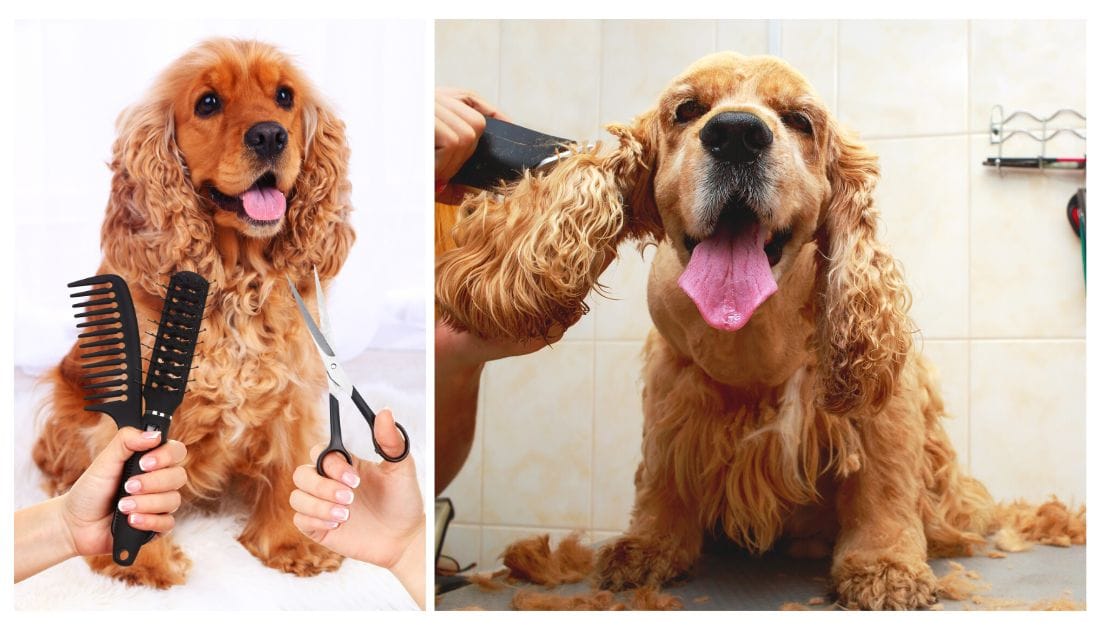
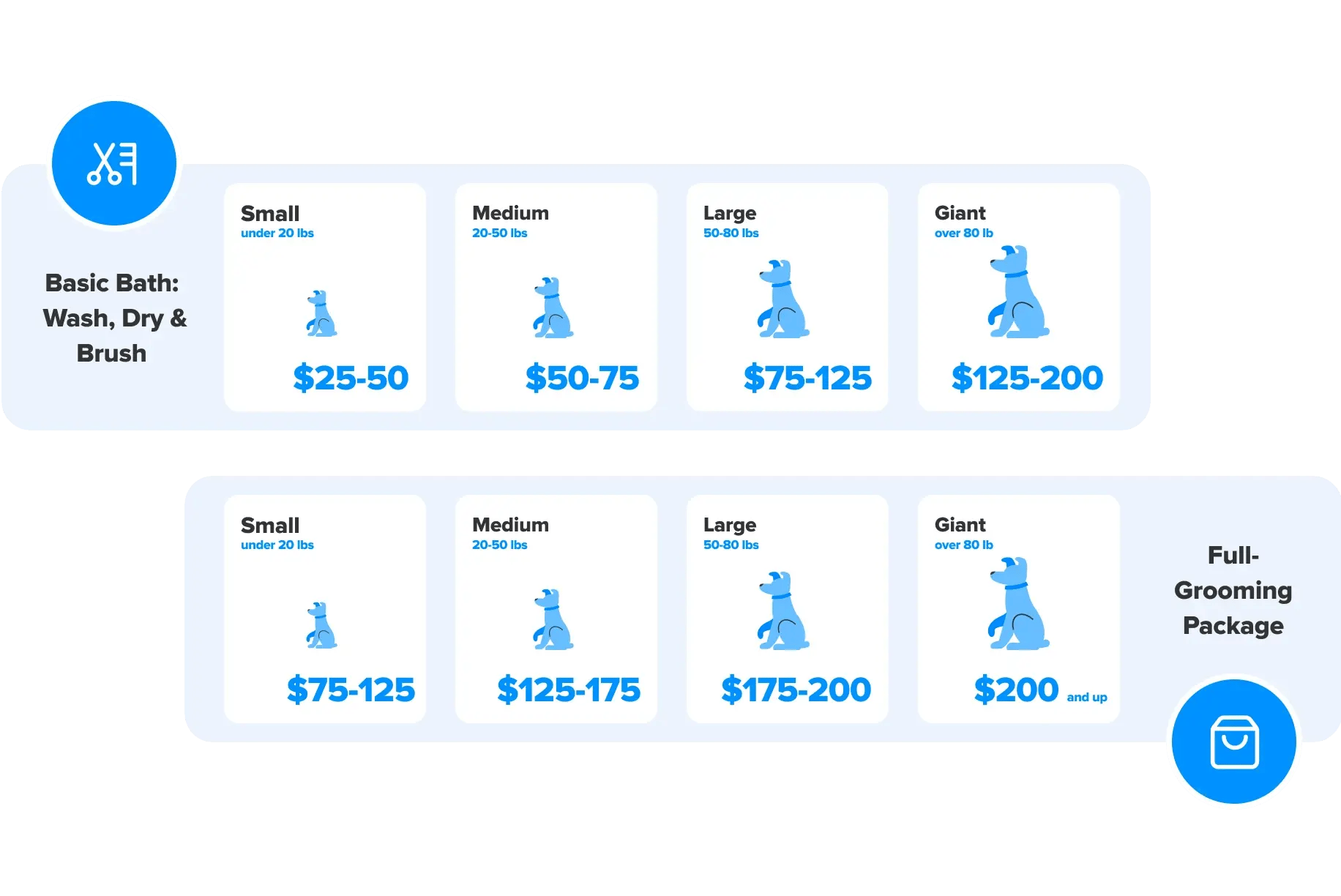
Sometimes, professional grooming services are beneficial for specific breeds or when dealing with complex grooming tasks. Professional groomers have the expertise to handle delicate areas and provide specialized care. They can offer services such as breed-specific haircuts, thorough cleaning, and flea treatments. Consider scheduling professional grooming every few months, depending on your dog’s breed and coat type. Regular visits to a groomer can help maintain your dog’s coat in optimal condition. Professional services are especially helpful for dogs with long or curly coats that require detailed maintenance.Credit: www.facebook.com
Common Grooming Mistakes
Grooming your dog is essential for maintaining their health and appearance, but it’s surprisingly easy to make mistakes along the way. Whether you’re a seasoned pet owner or a newbie, understanding common grooming blunders can save you and your furry friend from unnecessary discomfort. Let’s dive into the pitfalls of dog grooming and how you can avoid them.
Over-grooming Risks
Believe it or not, you can groom your dog too much. Over-grooming can lead to skin irritation or even infection. Frequent baths strip away natural oils, leaving the skin dry and prone to flaking. Consider spacing out baths and brushings to keep your dog comfortable. Have you ever noticed your dog scratching more than usual? It might be a sign of over-grooming.
Neglecting Specific Areas
Some spots are easily overlooked during grooming sessions. Areas like the ears, paws, and tail require special attention. Dirt and debris can accumulate, leading to infections or discomfort. Regularly check these areas to prevent problems. Imagine how uncomfortable it is for your dog to have matted fur between their toes. A little extra care goes a long way.
Improper Tool Usage
Using the wrong grooming tools can lead to injuries or ineffective grooming. Make sure to select brushes and combs suited for your dog’s coat type. Clippers should be sharp and in good condition to avoid pulling hair. Have you ever tried cutting your dog’s nails with dull clippers? It’s a recipe for disaster. Invest in quality tools to ensure a smooth grooming experience.
Frequently Asked Questions
How Often Should I Groom My Dog?
The grooming frequency depends on your dog’s breed and coat type. Generally, dogs with longer hair need grooming every 4-6 weeks. Short-haired breeds can be groomed every 8-12 weeks. Regular brushing is essential to maintain a healthy coat and prevent matting between grooming sessions.
What Happens If I Don’t Groom My Dog?
Neglecting grooming can lead to health issues for your dog. Matting can cause skin infections and discomfort. Long nails can affect walking and lead to joint pain. Regular grooming helps maintain hygiene, prevents parasites, and ensures a healthy, happy pet.
Can I Groom My Dog At Home?
Yes, you can groom your dog at home with basic tools. Start with brushing to remove loose hair and dirt. Use dog-specific shampoo for bathing. Be cautious while trimming nails and cleaning ears. Regular at-home grooming helps maintain your dog’s health and appearance.
How Do I Know My Dog Needs Grooming?
Signs your dog needs grooming include matted fur, bad odor, and dirty ears. If your dog’s nails are clicking on the floor, they need trimming. Regular brushing sessions can reveal skin issues or parasites, indicating a need for professional grooming.
Conclusion
Grooming keeps your dog healthy and happy. Regular grooming prevents mats and tangles. It also helps you spot skin issues early. Different breeds need different grooming schedules. Short-haired dogs need less grooming. Long-haired breeds need frequent attention. Brush your dog weekly at least.
Schedule professional grooming every month or so. Keep nails trimmed to prevent discomfort. Clean ears to avoid infections. Bathing depends on your dog’s lifestyle. Always use dog-friendly products. Pay attention to your pet’s specific needs. Healthy habits make for a happy dog.
Grooming strengthens your bond with your furry friend.

Similar Posts