How Often Should U Brush Dogs Teeth: Essential Guide
Senior Canine Nutritionist & Dog Behavior Specialist at Cozy Dog Go Wellness Lab
Imagine having a constant bad taste in your mouth. Sounds awful, right?
Your dog might feel the same way if their dental care is neglected. You love your furry friend and want them to be happy and healthy. But how often should you really brush their teeth to keep those canine smiles bright?
It’s a question many dog owners ponder. The answer might surprise you and could make a world of difference in your dog’s health. By understanding the right dental routine, you can prevent potential health issues and ensure your pup’s breath is fresh. Stay with us as we unravel the secrets to optimal dog dental care and discover why your attention to this detail matters more than you might think.
Credit: www.facebook.com
Frequency Of Brushing
Just like humans, dogs need regular dental care to maintain healthy teeth and gums. But how often should you actually brush your dog’s teeth? Understanding the frequency of brushing is crucial to prevent oral health issues and ensure your pet’s well-being. Let’s dive into how often you should be brushing, considering daily versus weekly routines and the factors that might influence this frequency.
Daily Vs Weekly
Brushing your dog’s teeth daily might sound like a daunting task, but it comes with significant benefits. Daily brushing helps to keep plaque and tartar at bay, reducing the risk of dental diseases. It also makes the brushing routine familiar to your dog, potentially turning it into a bonding activity.
Weekly brushing, while better than not brushing at all, may not be as effective in preventing plaque buildup. However, it can be a more realistic goal for busy pet owners. Weekly sessions still contribute to maintaining oral hygiene, especially when paired with dental treats or toys designed to clean teeth.
Which routine suits you and your dog best? Consider how much time you can realistically commit and how cooperative your dog is during brushing. A consistent routine is better than sporadic efforts.
Factors Influencing Frequency
Several factors can affect how often you should brush your dog’s teeth. Age is one of them. Puppies might require less frequent brushing than older dogs who may already have plaque buildup.
Breed also plays a role. Smaller breeds, like Chihuahuas, are more prone to dental issues, thus might benefit from more frequent brushing. Conversely, larger breeds may not need as frequent attention.
Your dog’s diet is another consideration. Dogs on a diet high in carbohydrates might need more frequent brushing compared to those on a raw or specially formulated dental diet.
Think about your dog’s behavior and health. If your dog has existing oral health issues, more frequent brushing might be necessary to manage the condition effectively.
Ultimately, the goal is to establish a routine that fits comfortably into your lifestyle while ensuring your dog’s teeth are well-cared for. What’s your brushing routine like, and could it be improved?
Choosing The Right Tools
Choosing the right tools for brushing your dog’s teeth is crucial to ensure effective dental care and a positive experience for your furry friend. Just like you, dogs need the right equipment to keep their teeth healthy and clean. With so many options available, how do you pick the best tools for your dog’s dental routine?
Dog-friendly Toothbrushes
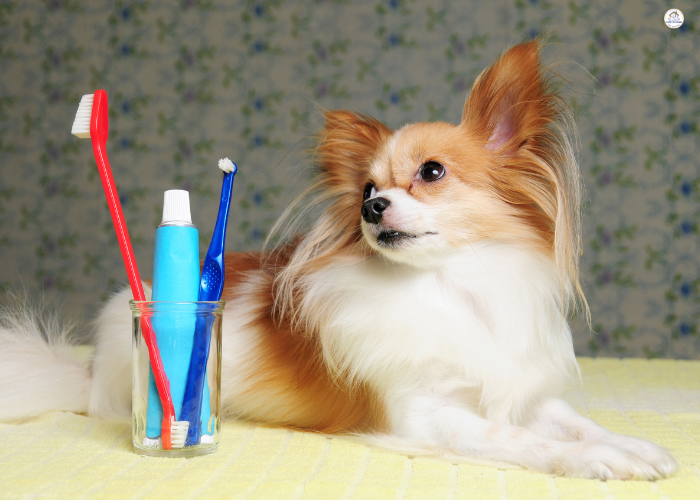
Dog toothbrushes come in various shapes and sizes, from finger brushes to dual-headed tools. Consider your dog’s size and comfort level. A finger brush might be perfect for a small breed, while a long-handled toothbrush could suit a larger dog better. Look for soft bristles to avoid gum irritation. Some dogs might prefer silicone brushes for a gentler touch.
Have you tried letting your dog sniff and play with the brush before using it? This can reduce anxiety and make the process smoother.
Safe Toothpaste Options
Human toothpaste can be harmful to dogs, so it’s essential to choose a dog-friendly toothpaste. These come in flavors like chicken or peanut butter, making the experience more appealing for your pet. Check labels for enzymatic options, which help break down plaque effectively.
Do you know if your dog has allergies or sensitivities? Reading ingredients and choosing hypoallergenic options can prevent adverse reactions.
Credit: www.houndsy.com
Effective Brushing Techniques
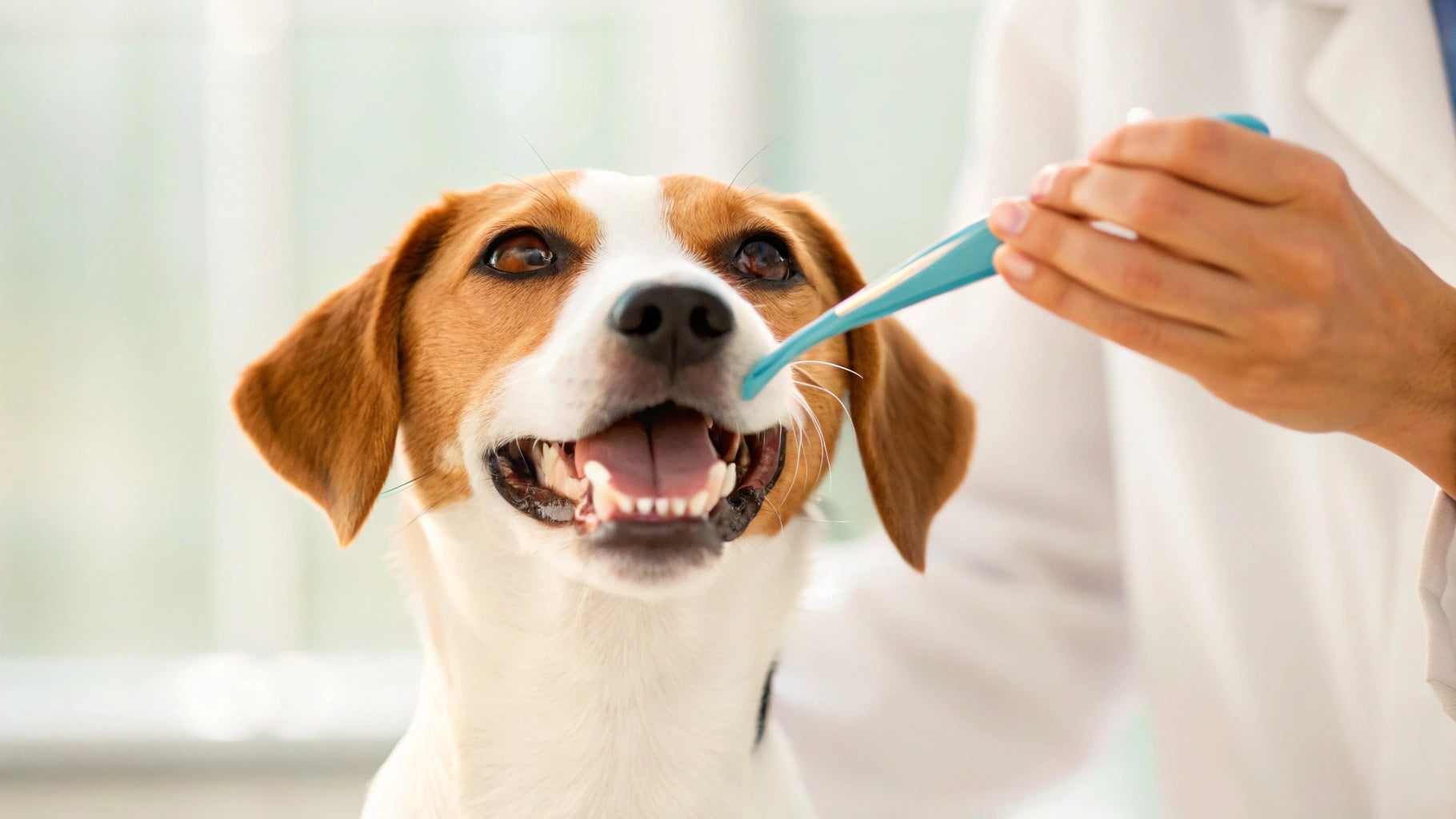
Brushing a dog’s teeth regularly is key to their oral health. Aim for at least twice a week. Use gentle strokes and dog-friendly toothpaste for best results.
Brushing your dog’s teeth is a crucial aspect of their overall health care, yet many pet owners overlook this task. Effective brushing techniques can make a huge difference, ensuring your furry friend’s teeth remain clean and healthy. You might wonder how to make this process enjoyable and successful for both you and your dog. Let’s dive into some practical tips and techniques that can transform tooth brushing into a bonding experience.Step-by-step Guide
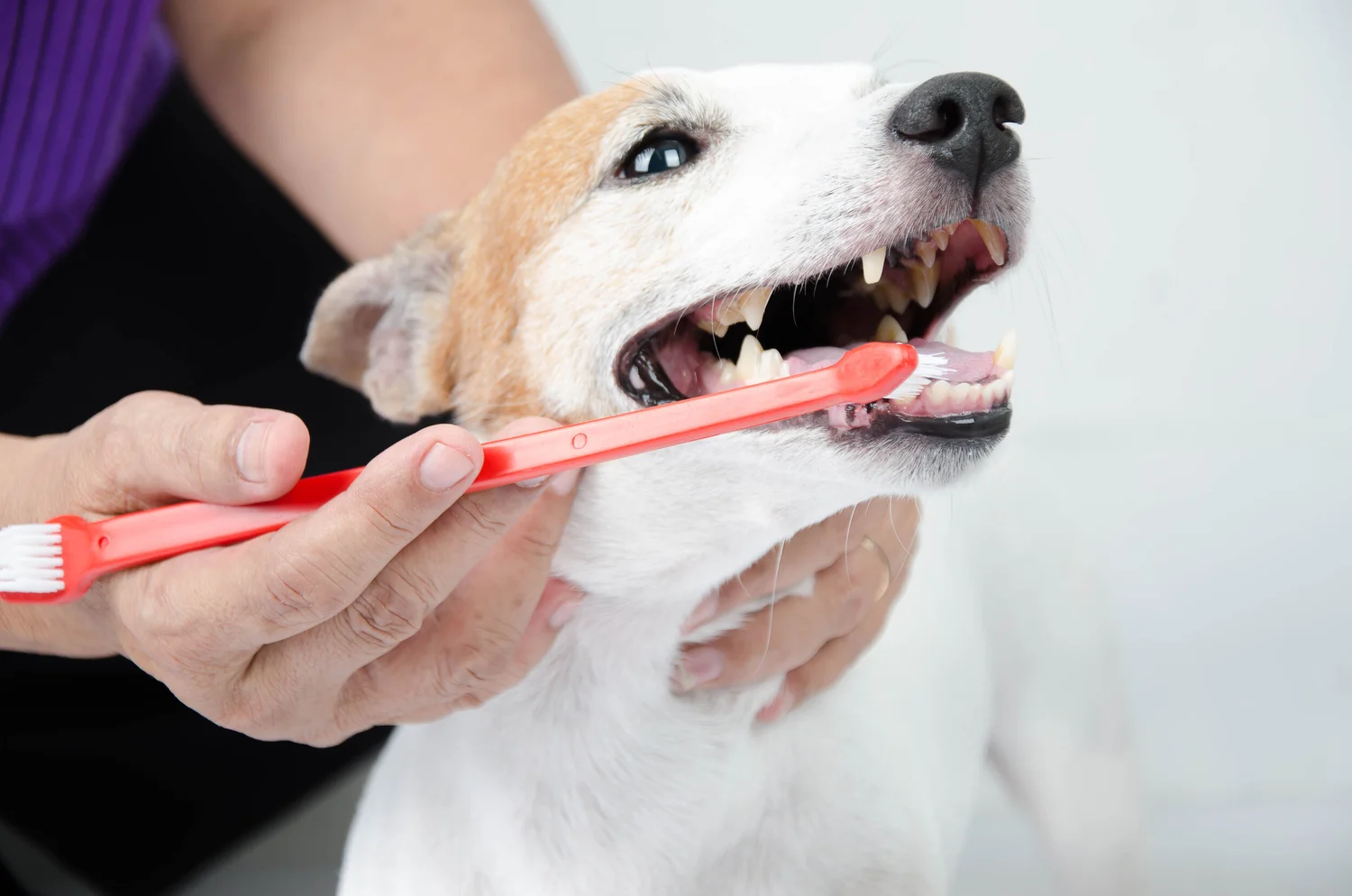
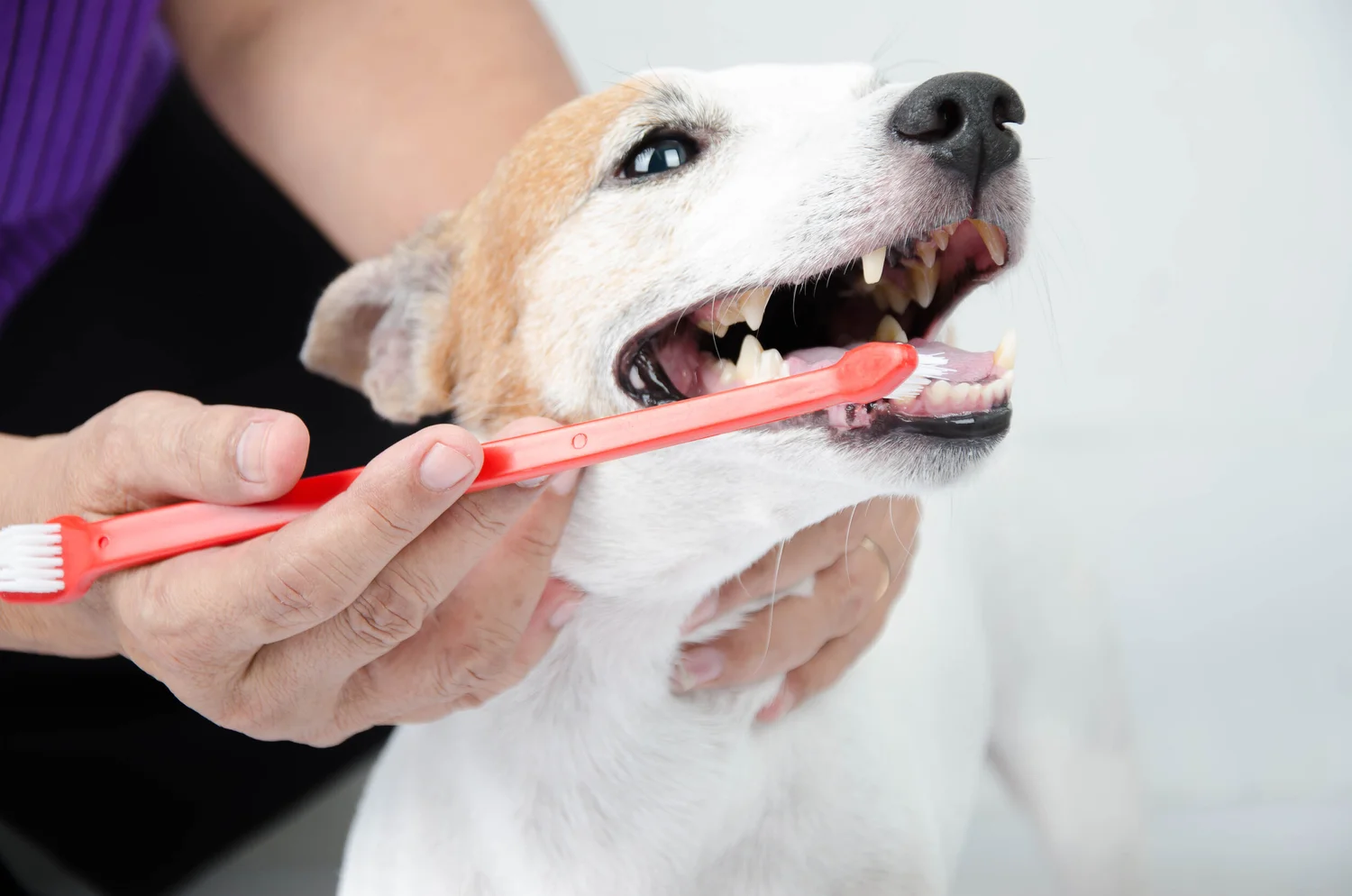
Start by choosing a dog-friendly toothbrush and toothpaste. Place your dog in a comfortable position, ideally where they feel relaxed and secure. Begin by gently lifting their lip to expose the teeth. Focus on brushing the outer surfaces of the teeth using gentle circular motions. Gradually introduce brushing to the inner surfaces as your dog gets used to the process. Reward your dog with praise or a small treat to associate brushing with a positive experience.Tips For Success
Consistency is key. Aim to brush your dog’s teeth at least two to three times a week. Use a toothbrush with soft bristles to prevent any discomfort. If your dog resists, start slowly by letting them taste the toothpaste first. Turn tooth brushing into a routine by doing it at the same time each day. Consider using dental chews as a supplement to brushing, but not a replacement. Remember, patience and positive reinforcement are your best friends in this endeavor. Are you ready to make your dog’s dental care a top priority? Embrace these techniques and watch your dog’s smile shine!Signs Of Dental Issues
Understanding the signs of dental issues in dogs is crucial. Dental health affects your dog’s overall well-being. Recognizing these signs early can prevent serious problems. Regularly checking your dog’s mouth can help maintain their health.
Common Symptoms
- Bad breath is a common sign of dental issues.
- Yellow or brown tartar buildup on teeth is visible.
- Red or swollen gums indicate inflammation.
- Your dog may drool more than usual.
- Pain when eating or chewing can occur.
- Loose or missing teeth are also a concern.
These symptoms are often overlooked by pet owners. Regular checks can help spot these signs early. Healthy teeth are essential for your dog’s happiness.
When To Consult A Vet
If you notice any of these symptoms, consult a vet. Early intervention can prevent further dental issues. A vet can provide professional cleaning and advice.
Severe symptoms like bleeding gums or refusal to eat need immediate attention. Visiting a vet ensures your dog receives proper care. Regular vet visits can help keep your dog’s teeth healthy.
Additional Dental Care Strategies
Regular brushing of your dog’s teeth is crucial for dental health. Ideally, brush their teeth at least three times a week. This routine helps prevent plaque buildup and maintains fresh breath.
Caring for your dog’s teeth involves more than just regular brushing. There are several additional strategies you can adopt to ensure your furry friend maintains a healthy mouth. These methods not only enhance dental hygiene but also make the process enjoyable for your pet. Let’s explore some effective dental care strategies that can complement brushing.Dental Treats And Chews
Dental treats and chews are a fun way to improve your dog’s oral health. They come in various flavors and textures, which dogs love. These treats help in scraping off plaque and tartar, reducing the risk of dental diseases. You can find many options in pet stores that are designed specifically for dental health. Look for products approved by veterinary dental associations for added assurance. Why not make treat time a daily ritual that doubles as a dental care session? It’s a win-win for both you and your dog.Professional Cleanings
Professional cleanings by a veterinarian are crucial in maintaining your dog’s dental health. These cleanings remove tartar buildup that is hard to reach or clean at home. Your vet can also check for any signs of dental issues, like gum disease, and provide advice on how to prevent them. Regular check-ups can save you from costly treatments in the future. Have you scheduled your dog’s next dental cleaning? It might be time to consider it if you haven’t already. Regular professional care is essential for long-term dental health.Maintaining Consistency
Maintaining consistency in brushing your dog’s teeth is key for their health. Regular brushing prevents plaque buildup and reduces bad breath. Consistency also helps your dog get comfortable with the routine, making the process easier over time. Here’s how you can maintain a consistent brushing schedule for your furry friend.
Creating A Routine
Creating a routine makes brushing less stressful for both you and your dog. Choose a time of day that fits your schedule. Morning or evening can work well. Ensure it’s a calm time when your dog is relaxed. Consistency helps your dog anticipate and accept the brushing process. Start with short sessions and gradually increase the time as your dog gets used to it.
Tracking Progress
Tracking progress keeps you motivated and ensures you don’t miss a session. Keep a calendar or use a mobile app to track each brushing session. Note any issues or improvements you observe. This can help you adjust the routine if needed. Regular tracking also allows you to spot any dental issues early. Early detection can prevent more serious problems down the line.
Benefits Of Regular Dental Care
Regular dental care is essential for dogs’ health. Brush their teeth two to three times a week. This helps prevent plaque buildup and keeps their gums healthy. Proper dental hygiene can improve your dog’s overall well-being and reduce the risk of serious health issues.
Regular dental care for your furry friend is more than just a grooming routine. It’s a vital part of their overall health and well-being. You might be surprised at how a simple task like brushing your dog’s teeth can have profound benefits. Imagine the joy of seeing your pet full of energy and free from pain. It’s all about investing in their health to ensure they live a long, happy life by your side. So, how exactly does regular dental care make a difference?Improved Health
Dental care goes beyond keeping your dog’s teeth clean. It plays a crucial role in preventing serious health issues. Think of plaque and tartar as silent invaders. Without regular brushing, they can lead to periodontal disease, which may cause bacteria to enter the bloodstream. This can have a ripple effect, impacting organs like the heart and kidneys. By maintaining good dental hygiene, you help safeguard your dog’s health, reducing the risk of infections and chronic diseases. Have you noticed your dog chewing differently or avoiding hard food? It might be their teeth crying out for attention.Enhanced Quality Of Life
A dog with healthy teeth is a happy dog. When their mouth is pain-free, they’re more likely to enjoy meals, play with vigor, and interact with you without discomfort. Imagine the difference in their day when they can chew their favorite toy without wincing. Regular dental care ensures your dog maintains their zest for life. It can even influence their mood, as dental pain often leads to irritability or withdrawal. Wouldn’t it be wonderful to see your dog wagging their tail more often? That’s the power of a healthy mouth. Dental care is not just about brushing teeth; it’s about enriching your dog’s life. By committing to regular care, you’re not just preventing problems—you’re enhancing the joy and quality of their life. Are you ready to see your furry friend thrive?Frequently Asked Questions
How Often Should I Brush My Dog’s Teeth?
Brushing your dog’s teeth daily is ideal for optimal oral health. If daily brushing isn’t possible, aim for at least 3-4 times a week. Regular brushing helps prevent plaque buildup and reduces the risk of dental disease, keeping your dog’s mouth healthy.
What Are The Benefits Of Brushing My Dog’s Teeth?
Brushing your dog’s teeth helps prevent plaque and tartar buildup. It reduces the risk of gum disease and bad breath. Regular brushing also helps in detecting dental issues early, ensuring better overall health for your pet. It contributes to a happier and healthier life.
Can I Use Human Toothpaste For My Dog?
No, human toothpaste is not safe for dogs. It contains ingredients like fluoride which can be toxic to pets. Use toothpaste specifically designed for dogs. These are safe and often come in flavors appealing to dogs, making brushing a more pleasant experience for them.
What Type Of Toothbrush Is Best For Dogs?
Use a toothbrush specifically designed for dogs. These have softer bristles and are shaped to fit a dog’s mouth. Finger brushes are also a good option for beginners. They provide better control and ease of use, especially for smaller dogs or puppies.
Conclusion
Brushing your dog’s teeth is crucial. It keeps their mouth healthy. Aim for regular brushing. Daily is best, but twice a week is good. Use dog-friendly toothpaste. Choose the right brush size. Make brushing a fun routine. Reward your dog after brushing.
Dental health affects their overall well-being. Bad teeth can lead to pain or disease. Regular check-ups with a vet help too. Healthy teeth mean a happy dog. Your dog deserves the best care. Start brushing today for a healthier tomorrow.
Keep their smile bright and strong.

Similar Posts