How Often to Groom Dog: Essential Tips for Owners
Senior Canine Nutritionist & Dog Behavior Specialist at Cozy Dog Go Wellness Lab

Do you ever wonder how often you should groom your dog? You’re not alone.
Many pet owners find themselves asking this question, eager to ensure their furry friend stays comfortable, healthy, and looking great. Grooming isn’t just about keeping your dog clean; it’s a vital part of their overall well-being. Imagine a happier dog with a shiny coat, fewer skin issues, and a boost in confidence that you can see in their wagging tail.
The secrets to achieving this might surprise you. As you read on, you’ll discover tailored grooming tips that fit your dog’s unique needs and lifestyle. Whether your pup loves muddy adventures or prefers lounging indoors, there’s a grooming routine just for them. Stick around to learn how often you should groom your dog and how it can transform their life—and yours!
Benefits Of Regular Grooming
Regular grooming keeps a dog’s coat healthy and free from tangles. It also helps reduce shedding and prevents skin issues. Finding the right grooming frequency depends on the dog’s breed and coat type.
Regular grooming is more than just a beauty ritual for your dog; it’s a vital part of their overall health and well-being. When you commit to a grooming schedule, you’re not only ensuring that your pet looks their best, but you’re also providing them with several health benefits that can contribute to a longer, happier life. Let’s explore some key advantages of regular grooming for your furry friend.Improved Skin Health
Consistent grooming helps keep your dog’s skin in top condition. Brushing removes dirt, dandruff, and dead hair, allowing the skin to breathe and reducing the chance of irritation. It also stimulates the production of natural oils, which condition the skin and fur.Early Detection Of Health Issues
Regular grooming sessions enable you to spot potential health problems early. As you brush or bathe your dog, you might notice lumps, bumps, or skin issues that need veterinary attention. Early detection often leads to more effective treatment options.Better Circulation
Brushing your dog’s coat can improve blood circulation. The gentle massaging effect during grooming stimulates blood flow, which can contribute to overall vitality and energy levels. This can be especially beneficial for older dogs, who may have less mobility.Reduced Shedding
Does your dog leave a trail of hair wherever they go? Regular grooming can significantly cut down on shedding. By removing loose fur before it falls off naturally, you can keep your home cleaner and reduce the amount of hair you need to vacuum.Stronger Bond With Your Pet
Grooming isn’t just beneficial for your dog’s health; it’s also a great bonding opportunity. Spending this time with your pet can build trust and deepen your relationship. It’s a moment where you can give them undivided attention, reinforcing your special bond.Improved Appearance
A well-groomed dog is a happy dog. Regular grooming ensures your pet looks their best, with a shiny coat and trimmed nails. It can even boost their confidence, making them more sociable and less anxious around others.Prevention Of Matting
Regular brushing prevents your dog’s fur from matting. Matted fur can be uncomfortable and even painful for your dog. Consistent grooming keeps their coat smooth and free of tangles, ensuring comfort and mobility. How often do you groom your dog? Could more regular grooming enhance your pet’s life? Remember, the benefits extend far beyond aesthetics, contributing to your dog’s happiness and health.Factors Influencing Grooming Frequency
Understanding how often to groom your dog is essential for their health and happiness. The frequency of grooming depends on various factors, each unique to your pet’s needs. Let’s explore these elements to help you determine the best grooming schedule for your furry friend.
Breed Characteristics
Different breeds come with distinct grooming requirements. A long-haired breed like a Shih Tzu will need more frequent grooming compared to a short-haired breed like a Beagle. Breed-specific traits can also influence grooming needs. For instance, dogs with facial folds like Bulldogs require regular cleaning to prevent infections.
Coat Type And Length
The type and length of your dog’s coat play a significant role in determining grooming frequency. Dogs with double coats, such as Huskies, may need more grooming during shedding seasons. Meanwhile, short-coated breeds may require less frequent brushing. Consider whether your dog has a curly, straight, or wiry coat, as each demands different care routines.
Activity Level And Lifestyle
Active dogs that enjoy outdoor adventures might need more frequent baths and brushing. Mud, debris, and water can lead to tangles and dirt accumulation. If your dog spends more time indoors, a less frequent grooming routine might suffice. Do you notice dirt or odors quickly accumulating after outdoor play? Adjust grooming to match your dog’s lifestyle.
Health Conditions
Some health conditions can alter grooming needs. Allergies or skin sensitivities may require hypoallergenic shampoos and more frequent baths. Dogs with arthritis might need gentler grooming techniques. Consult your vet if you’re unsure about how specific health issues should affect grooming frequency.
Grooming Schedule Recommendations
Groom dogs every 4-6 weeks to maintain their coat and skin health. Adjust frequency based on breed and coat type. Regular grooming helps prevent matting and reduces shedding.
Creating a grooming schedule for your dog is essential for their health and happiness. But how often should you be grooming your furry friend? The answer depends on several factors, including their breed, coat type, and lifestyle. Let’s break it down into manageable tasks that fit your and your dog’s needs.Weekly Grooming Tasks
Regular grooming keeps your dog looking their best and helps prevent health issues. Brush your dog’s coat at least once a week to remove loose hair and prevent tangles. This is particularly important for breeds with long or curly hair. Check their ears and eyes for any signs of infection or irritation. A quick wipe with a damp cloth can keep these areas clean. Regularly examine their paws and nails; long nails can be uncomfortable and lead to problems with walking.Monthly Grooming Tasks
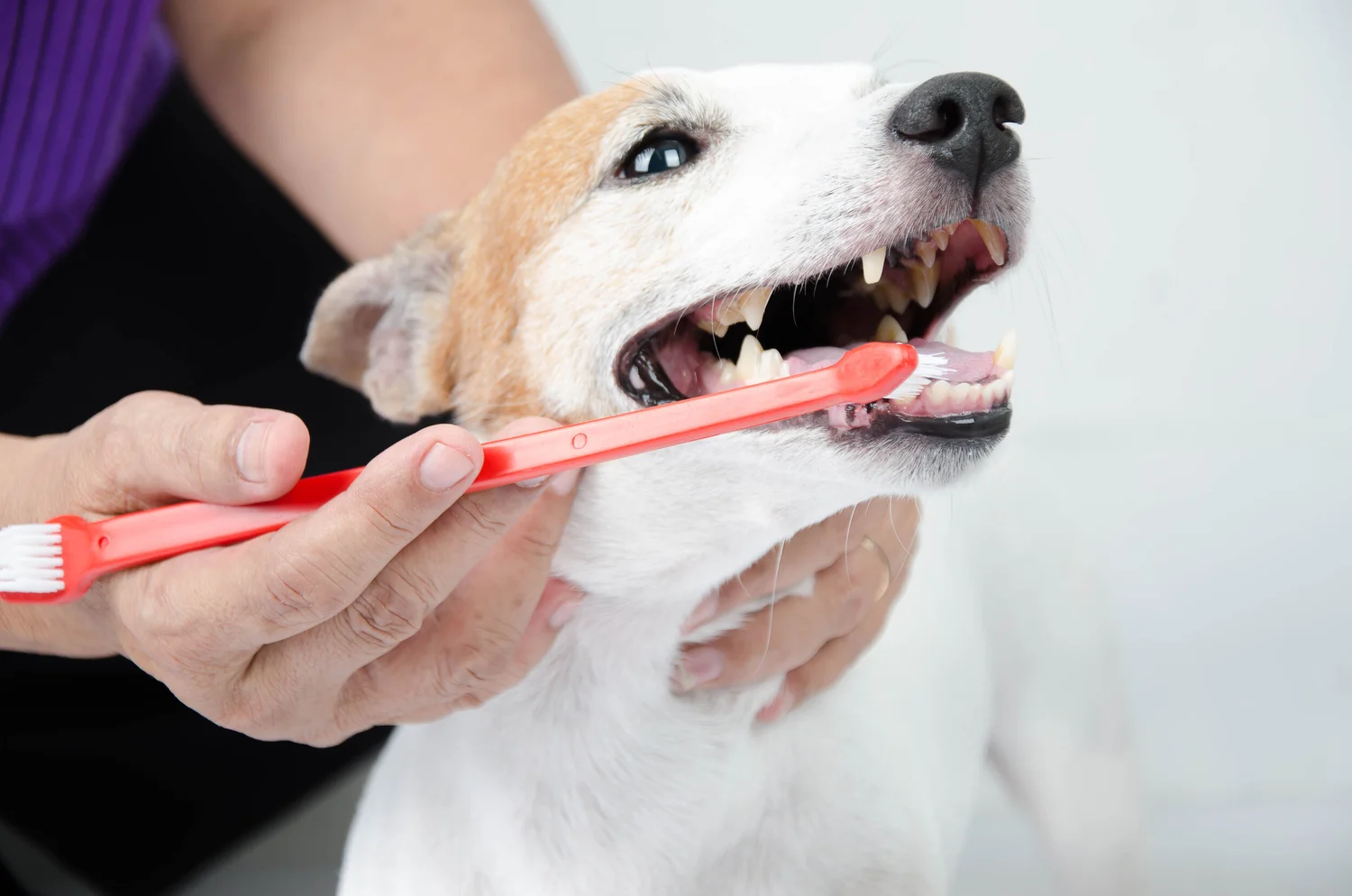
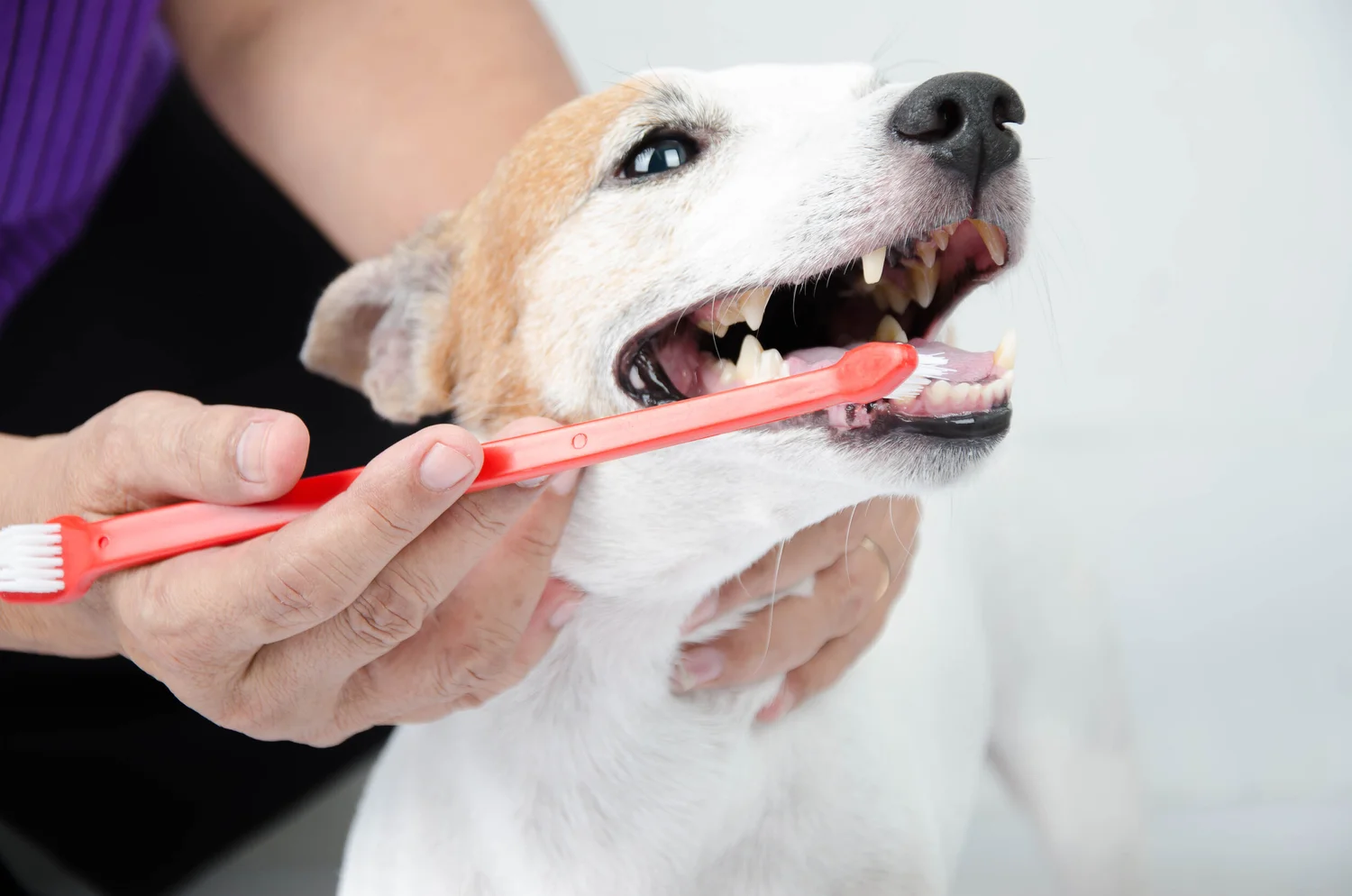
Monthly tasks are about maintenance and hygiene. Bathe your dog once a month unless they get extra dirty in between. Use a gentle dog shampoo to keep their coat shiny and healthy. Trim their nails if needed. If you’re unsure how to do it safely, consider a professional groomer for this task. It’s also a good time to check their teeth. Brushing your dog’s teeth regularly can prevent dental diseases.Seasonal Grooming Considerations
Different seasons bring different challenges for grooming. In the spring, shedding increases for many breeds. You might find you need to brush more often to keep up with the loose hair. Summer requires attention to heat and pests. Consider a lighter trim to help them stay cool and check for ticks and fleas more frequently. In the winter, protecting their paw pads from ice and salt is crucial. Applying a balm can prevent cracks and discomfort. Is your dog’s grooming routine meeting their needs? Adjusting the schedule as per their specific requirements can make a world of difference. Regular grooming is a bonding activity that can strengthen your relationship with your pet while keeping them healthy and happy.Credit: www.instagram.com
Tools And Supplies For Grooming
Grooming your dog is an essential part of their care routine, and having the right tools and supplies can make the process smooth and enjoyable for both you and your furry friend. Whether you’re a seasoned pet parent or new to the world of dog grooming, understanding what tools are necessary and how to use them can greatly improve the grooming experience. Let’s dive into the essentials and explore specialized equipment for various breeds.
Essential Grooming Tools
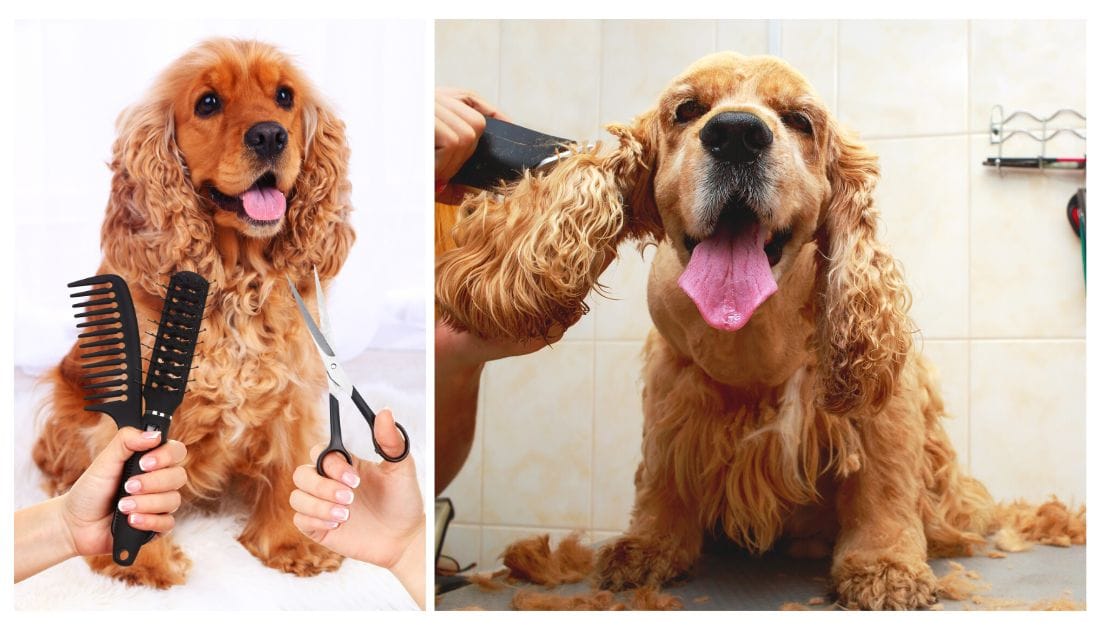
- Brushes and Combs:A good brush is the backbone of grooming. For short-haired dogs, a bristle brush works wonders. Long-haired breeds benefit from slicker brushes that prevent tangles. Combs help with fine detailing.
- Nail Clippers:Keeping your dog’s nails trimmed is crucial for their comfort. Guillotine-style clippers are easy to use, while scissor-type clippers offer precision.
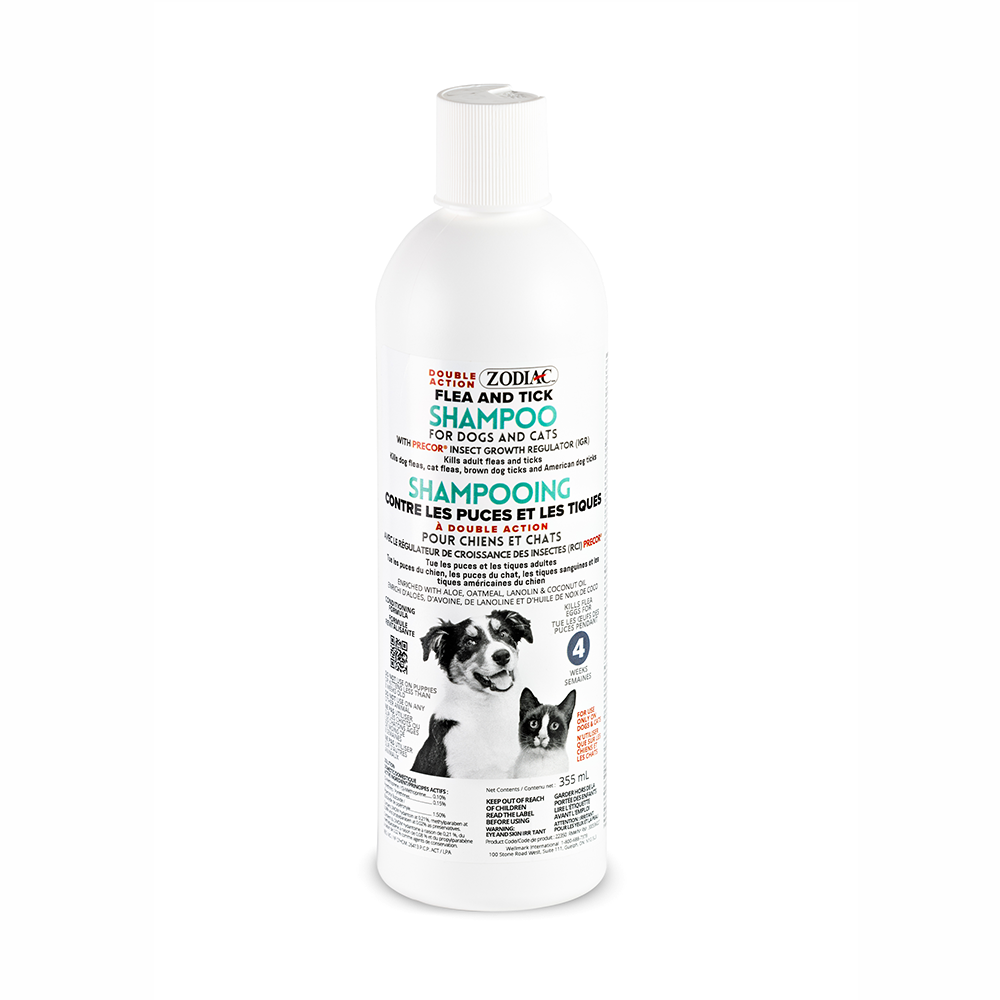
- Shampoo and Conditioner:Choose products that suit your dog’s skin type. Hypoallergenic options are great for sensitive skin, while oatmeal shampoos soothe irritation.
- Ear Cleaning Solution:Regular ear cleaning prevents infections. Use a vet-recommended solution for safe cleaning.
- Grooming Scissors:Perfect for trimming around the face and paws. Ensure they are sharp and easy to handle.
These tools form the foundation of your grooming kit, ensuring your dog’s coat and nails remain in top condition. But what about those unique breeds that require specialized care?
Specialized Equipment For Different Breeds
Each breed has its own grooming needs. For example, a Poodle’s curly coat requires regular clipping and styling. Investing in a pair of high-quality clippers can save you frequent trips to the groomer.
If you have a Basset Hound, their long ears need special attention. Ear drying solutions can help prevent moisture buildup, reducing the risk of infections.
Consider the tools specific to your breed’s needs—does your dog have a double coat? Then a de-shedding tool might be necessary. Is your dog’s coat prone to matting? Detangling sprays are your new best friend.
Think about your dog’s unique characteristics and how specialized tools can make grooming easier. What tools have you found indispensable for your dog’s grooming routine? Share your thoughts in the comments below!
Tips For Stress-free Grooming
Grooming your dog can be a delightful bonding experience if done right. Many pet owners dread the task, fearing their furry friend’s reaction or simply struggling with the process. Transforming grooming into a stress-free routine is entirely possible with the right approach and mindset. Here, we explore some practical tips that can make your dog’s grooming session a pleasant one for both of you.
Creating A Comfortable Environment
Your dog’s grooming area should be a safe haven. Consider using a quiet room with minimal distractions. You might notice your dog becomes anxious with loud noises, so opt for soft music to calm their nerves. Adding their favorite toy or blanket can also create a sense of familiarity and comfort.
Think about the temperature and lighting in the room. A warm, well-lit space is usually more inviting. If you’ve ever had a haircut in a chilly room, you know how uncomfortable that can be. Your dog feels the same way, so ensure the environment is cozy.
Using Positive Reinforcement
Positive reinforcement can change the way your dog perceives grooming. Offering treats during and after the session is a simple yet effective strategy. Dogs love rewards, and associating grooming with treats can make them look forward to it.
Try giving verbal praise to reinforce good behavior. Saying “Good job!” or “You’re doing great!” can boost your dog’s confidence. If you’ve ever trained your dog to sit or stay, you know how impactful a kind word can be. Extend this positivity to grooming.
Have you ever considered involving your dog in the process? Let them sniff the grooming tools before you start. This can reduce anxiety by familiarizing them with the items you’ll use, making the experience less daunting.
Professional Grooming Services
Regular grooming keeps your dog healthy and clean. Most dogs need grooming every four to six weeks. Consider your dog’s breed and coat type to determine the best grooming schedule.
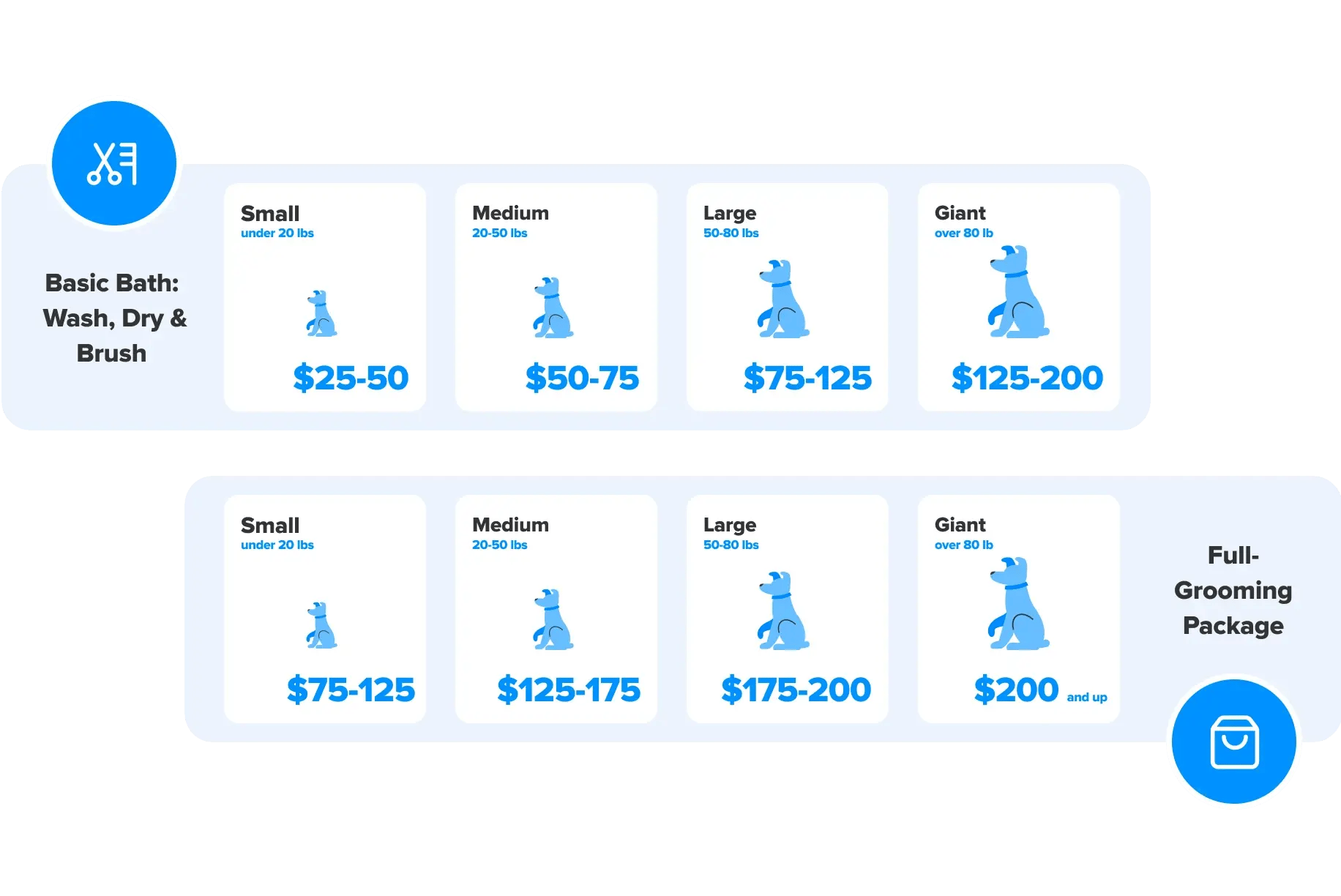
Professional Grooming Services Professional grooming services are a game-changer for many dog owners. They can take the stress out of managing your dog’s coat, nails, and overall hygiene. Whether your furry friend is a high-maintenance breed or simply dislikes bath time, professional groomers can offer expertise and equipment that most of us don’t have at home.When To Consider Professional Help
You might wonder when it’s time to call in the pros. If your dog has a coat type that’s prone to matting, like Poodles or Shih Tzus, professional grooming every 4-6 weeks is often recommended. Similarly, if your pup gets anxious during grooming, a professional can provide a calm environment that might not be possible at home. Have you noticed any skin issues or excessive shedding? A groomer can help identify these problems early and suggest solutions.Choosing A Qualified Groomer
Finding the right groomer is crucial for your dog’s well-being. Start by asking for recommendations from friends or your veterinarian. Look for groomers who are certified and have positive reviews. Visit the grooming salon beforehand to check cleanliness and observe how they handle other dogs. Does the groomer communicate clearly about their services? Ensure they understand your dog’s specific needs and preferences before scheduling an appointment.Common Grooming Mistakes
Grooming your dog is crucial for their health and well-being, but it’s easy to slip up and make common grooming mistakes. These missteps can lead to discomfort and even health issues for your furry friend. Let’s explore some typical errors you might be making and how to avoid them.
Over-grooming Risks
Believe it or not, too much grooming can be harmful. Over-grooming may strip your dog’s coat of essential oils, leading to dry skin and irritation. You might think you’re pampering them, but excessive baths or brushing can cause more harm than good.
Consider my neighbor’s golden retriever, Max. He was bathed weekly, and his coat lost its natural shine. Max’s owner realized that less frequent grooming helped restore his coat’s luster. How often are you grooming your dog? Could you be overdoing it?
Neglecting Essential Areas
It’s easy to focus on the obvious areas while grooming, like the back and belly, but neglecting essential spots can lead to problems. Areas like the ears, paws, and under the tail are often overlooked yet crucial for your dog’s hygiene.
Imagine skipping your dog’s ears during grooming. This can lead to wax buildup and even infections. Similarly, neglecting their paws might result in tangled fur or debris causing discomfort. Are there areas you’re missing during grooming sessions?
By being mindful of these common mistakes, you can ensure your dog stays healthy and happy. Keep a balanced grooming routine, and pay attention to every part of your furry companion. Your dog will thank you with a wagging tail and a shiny coat!
Credit: www.instagram.com
Credit: www.facebook.com
Frequently Asked Questions
How Often Should I Groom My Dog?
The frequency of grooming depends on your dog’s breed and coat type. Generally, dogs with long hair require grooming every 4-6 weeks. Short-haired breeds might need grooming every 8-12 weeks. Regular brushing and nail trimming should be done weekly to maintain overall hygiene and health.
What Factors Affect Grooming Frequency?
Several factors influence grooming frequency, such as breed, coat type, and activity level. Dogs that play outdoors often may require more frequent grooming. Seasonal changes, like shedding in spring or fall, also affect grooming needs. Always consult your vet for personalized grooming advice.
Can I Groom My Dog At Home?
Yes, you can groom your dog at home with the right tools and knowledge. Regular brushing, bathing, and nail trimming can be done at home. However, for intricate cuts or specific breed requirements, visiting a professional groomer is recommended to ensure your dog’s safety and comfort.
What Are The Benefits Of Regular Dog Grooming?
Regular grooming offers multiple benefits, including healthier skin and coat. It helps reduce shedding and prevents matting and tangles. Grooming also allows you to check for parasites or skin issues. It strengthens the bond between you and your pet, promoting overall well-being.
Conclusion
Regular grooming keeps your dog healthy and happy. It prevents matting and skin issues. Brushing should happen weekly or more for long-haired breeds. Bathing depends on activity level and coat type. Nails need trimming every 3-4 weeks. Ears and teeth require monthly checks.
Regular grooming builds a stronger bond with your pet. It also helps you notice any health changes early. Grooming routines can vary based on breed and lifestyle. Always consider your dog’s specific needs. A well-groomed dog is a content dog.
Keep grooming simple and consistent for the best results.

Similar Posts