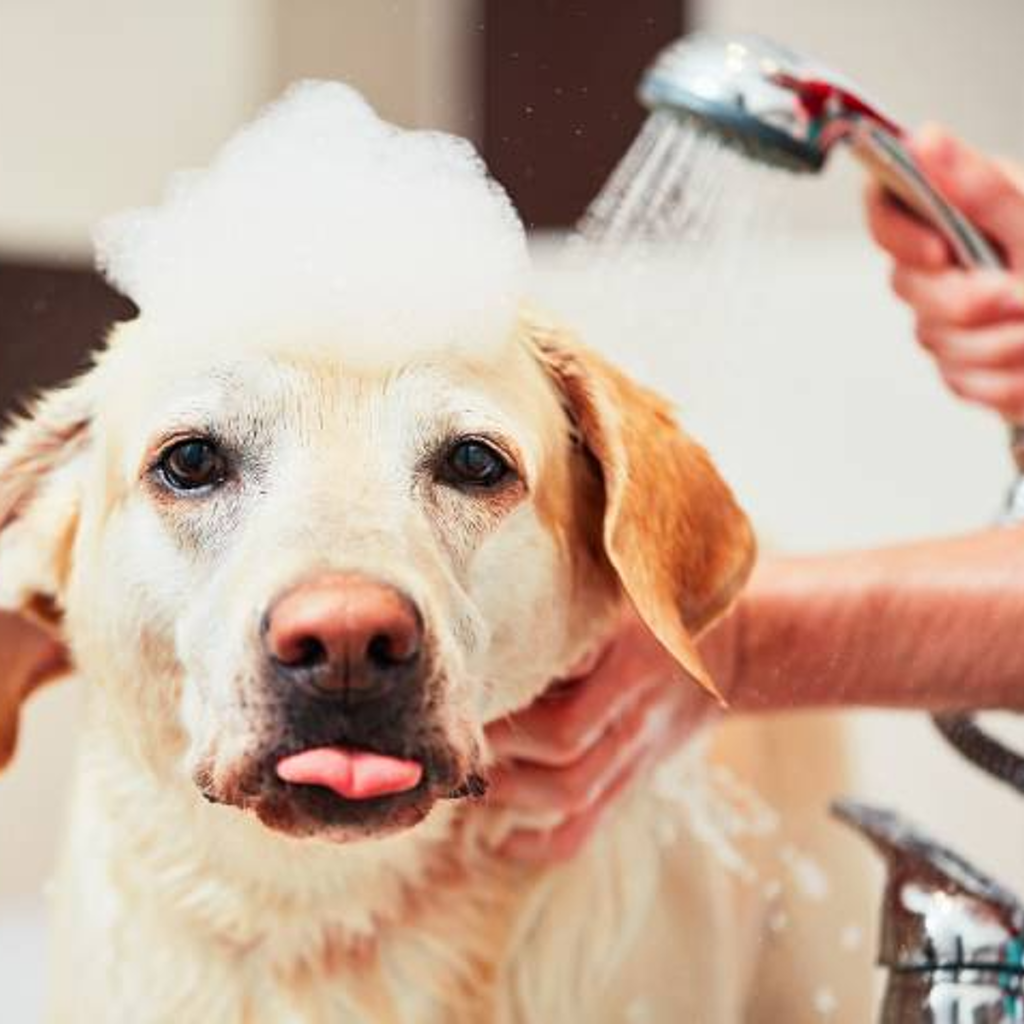
Ever wonder how professional groomers manage to keep dogs looking fresh and fabulous? The secret isn’t just in fancy equipment or expensive shampoos; it’s in the technique and a few clever tricks you can easily master at home.
Bathing your dog like a groomer isn’t just about cleanliness; it’s about creating a relaxing experience that leaves your furry friend feeling pampered and loved. Imagine transforming bath time from a dreaded chore into a bonding session that both you and your dog look forward to.
By the end of this article, you’ll have all the tips and insights you need to turn your bathroom into a personal grooming salon for your pup. Ready to make bath time fun and effective? Let’s dive in!

Credit: www.primpedpooches.com
Preparation Essentials
Gather all necessary tools like dog shampoo, towels, and a brush. Choose a suitable bathing area. Ensure water temperature is comfortable for your pet.
Bathing your dog at home can be a rewarding experience, not just for your furry friend but also for you. Proper preparation can make all the difference between a stressful ordeal and a bonding moment. Let’s dive into the preparation essentials to ensure a smooth and enjoyable bath time.Gathering Supplies
Before you start, make sure you have everything you need within arm’s reach. This prevents you from leaving your wet dog unattended, which can quickly turn your bathroom into a splash zone. Essential supplies include: – Dog shampoo and conditioner (avoid human products) – Towels (one for drying, one for the floor) – Brush or comb (for pre-bath grooming) – Non-slip mat (to prevent slipping) – Cup or handheld showerhead (for rinsing) – Treats (to reward good behavior) Having these items ready can make the bathing process more efficient and less stressful for both you and your dog.Creating A Calm Environment
Dogs can sense your anxiety, so it’s important to stay calm. Speak softly and reassure your dog throughout the process. Consider playing soft music to drown out any unsettling noises. A few minutes of petting or a short walk before bath time can help your dog relax. Think about your dog’s past experiences with baths. If they’ve been negative, take extra time to create a positive atmosphere. Would a favorite toy or a treat in the tub help them feel more secure? By fostering a peaceful environment, you set the stage for a successful grooming session.Choosing The Right Products
Select gentle shampoos and conditioners suited for dogs. Avoid harsh chemicals that can irritate their skin. Consider hypoallergenic options for sensitive dogs.
Bathing your dog like a professional groomer starts with choosing the right products. The wrong shampoo or brush can lead to a frustrating experience for both you and your dog. Knowing what products to use can make a world of difference.Shampoos And Conditioners
Selecting the perfect shampoo and conditioner is crucial. Not all products are created equal, and using human shampoo can actually harm your dog’s skin. Look for dog-specific shampoos that cater to your dog’s needs, whether it’s sensitive skin, flea control, or a specific coat type. Opt for natural ingredients like oatmeal or aloe vera, which are gentle and soothing. Remember, the right shampoo can enhance your dog’s coat and skin health, making them look and feel their best.Brushes And Combs
Brushes and combs might seem secondary, but they play a vital role in grooming. The type of brush you use depends on your dog’s coat. For short-haired dogs, a bristle brush can help remove dirt and loose hair. For longer coats, a slicker brush can work wonders in detangling and smoothing. A good comb can be your best friend in preventing mats and tangles, especially for breeds with curly or thick fur. Investing in quality brushes and combs can save you time and keep your dog’s coat looking pristine. Have you ever tried a new brush and seen an immediate difference? It’s amazing how the right tools can transform your grooming routine.Pre-bath Grooming
Pre-bath grooming sets the stage for a smooth bathing experience. It helps remove dirt and loose fur, making the bath more effective. Proper grooming before a bath keeps your dog comfortable and happy. Let’s dive into some essential techniques.
Brushing Techniques
Start with the right brush for your dog’s coat type. Short-haired dogs need a bristle brush, while long-haired ones benefit from a slicker brush. Brush in the direction of hair growth to avoid discomfort. Short strokes help remove loose fur and prevent tangles. Regular brushing keeps the coat shiny and healthy.
Detangling Knots
Knots can be a real nuisance. Use a detangling spray to ease the process. Spray directly on the knot and gently work through it with your fingers. For stubborn knots, a comb works wonders. Hold the fur close to the skin to avoid tugging. Patience is key; go slow to prevent pain.
The Bathing Process
The bathing process is a crucial part of grooming your dog. It’s more than just a splash of water and some suds—it’s an opportunity to bond with your furry friend while ensuring their health and hygiene. Every dog owner can transform this routine task into a professional-grade experience with the right techniques.
Water Temperature
Finding the perfect water temperature is key to keeping your dog comfortable during bath time. Too hot or too cold can make the experience unpleasant for them. Aim for lukewarm water, similar to what you would use for a baby’s bath.
Test the temperature with your elbow or wrist. If it feels comfortable to you, it should be just right for your dog. This small step ensures they associate bath time with comfort rather than dread.
Gentle Washing Techniques
Gentle washing techniques can make a world of difference in your dog’s bathing experience. Start by wetting their coat thoroughly, avoiding the face initially. Use a dog-friendly shampoo, lathering with soft circular motions.
Consider using a washcloth for sensitive areas like the face and ears. This prevents water and soap from irritating their eyes or getting into their ears. Always rinse thoroughly to avoid leaving any residue that could irritate their skin.
Have you ever noticed how your dog shakes off water instinctively? Be prepared for this by wrapping them in a towel quickly after rinsing. This not only helps dry them faster but also gives them a sense of security.
Drying And Post-bath Care
Proper drying is crucial after your dog’s bath. Use a towel or pet dryer for quick drying. Brush their coat to prevent tangles. Ensure ears are dry to avoid infections.
Drying and post-bath care are crucial for your dog’s health. Proper drying prevents skin infections and keeps their coat shiny. After bathing, focus on these essential tasks to ensure your furry friend stays comfortable and clean.Towel Drying Vs. Blow Drying
Towel drying is a gentle method. Use a soft, absorbent towel to pat your dog dry. Avoid rubbing vigorously, as it can cause tangles. For long-haired breeds, consider blow drying. Use a pet-safe blow dryer on a low setting. Keep the dryer moving to avoid overheating any area. This method helps prevent mats and tangles.Ear And Paw Care
Ears can trap moisture, leading to infections. Gently dry the inside of your dog’s ears with a clean cloth. Ensure no water remains. Check their paws for debris or foreign objects. Moisture can hide between paw pads, causing discomfort. Dry them thoroughly and check for any signs of irritation. Regularly inspect and trim their nails to keep them healthy.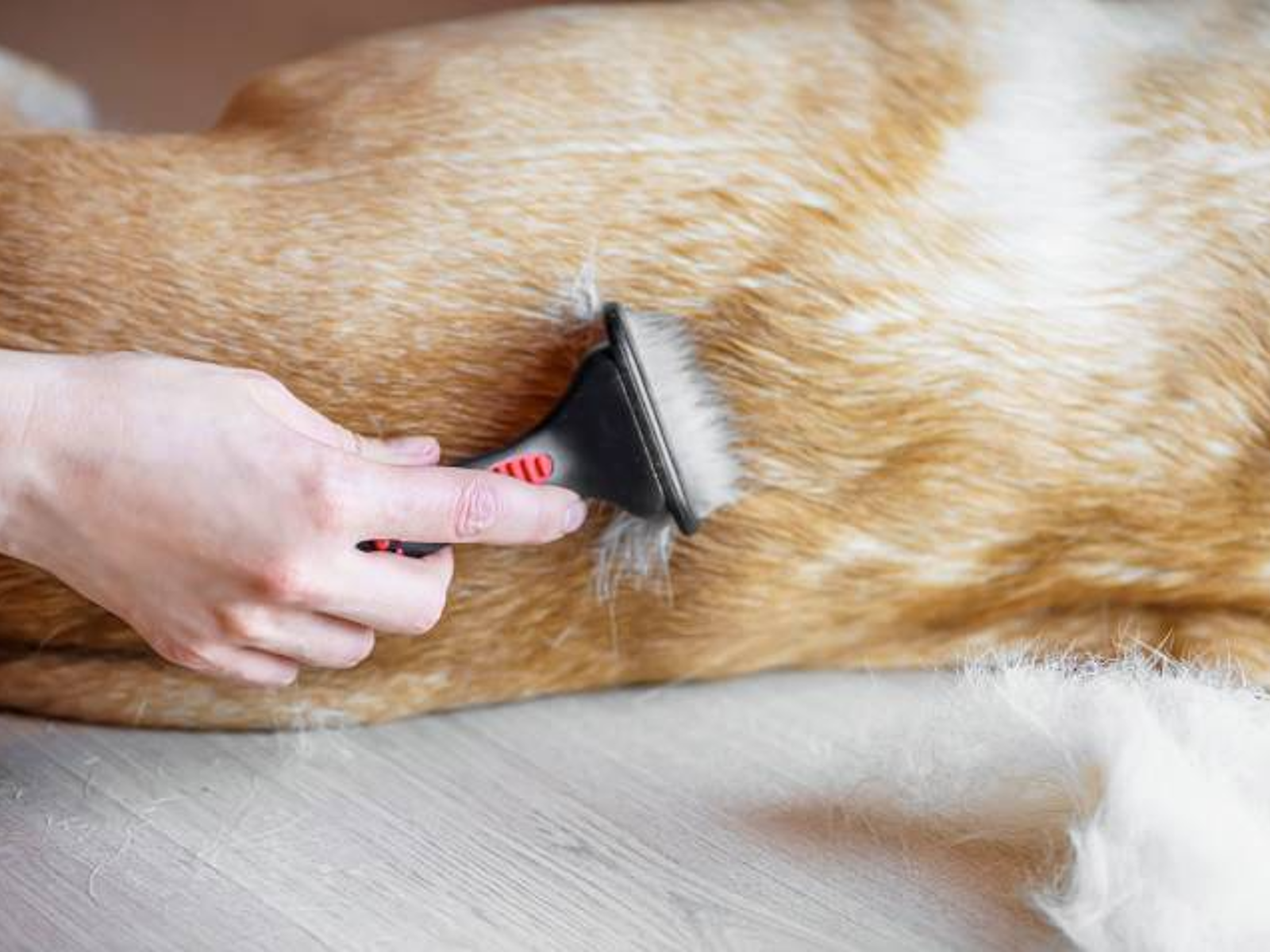
Credit: www.airtasker.com
Common Mistakes To Avoid
Skipping pre-bath brushing can cause tangles during washing. Avoid using human shampoo; it irritates canine skin. Rinse thoroughly to prevent residue that might cause irritation or itching.
Bathing your dog might seem straightforward, but there are common mistakes that even seasoned pet owners can make. These errors can affect your dog’s skin and coat health, leading to discomfort or even veterinary visits. By avoiding these pitfalls, you ensure your furry friend enjoys a safe and refreshing bath time.Over-bathing
Over-bathing is a frequent mistake that many pet owners unknowingly make. While keeping your dog clean is important, bathing them too often can strip away natural oils. These oils are essential for maintaining a healthy and shiny coat. Most dogs only need a bath once every month or two, depending on their breed and lifestyle. If your dog loves rolling in the mud, you might need to bathe them more often, but always consider the impact on their skin. Instead of frequent baths, try brushing your dog regularly to remove dirt and distribute natural oils.Using Human Products
Using human shampoo on your dog might seem harmless, but it’s a significant mistake. Human products are formulated for our skin’s pH, which differs from a dog’s. This can lead to skin irritation and dryness. Always opt for shampoos specifically designed for dogs. These products consider the unique needs of canine skin and help maintain their coat’s health. If you’re unsure which shampoo to choose, consult your veterinarian for recommendations tailored to your dog’s breed and skin type. Have you ever considered the long-term effects of the products you use on your dog? It’s worth taking a moment to evaluate your grooming routine and make adjustments where necessary. Your dog will thank you with a wagging tail and a healthy coat.Maintaining A Routine
Bathing your dog like a groomer involves proper preparation and patience. Gather all necessary supplies before starting. Use warm water and a dog-friendly shampoo to keep your furry friend clean and comfortable.
Maintaining a routine for bathing your dog helps keep their coat healthy. Regular baths remove dirt, allergens, and pests, ensuring your pet stays clean and comfortable. A consistent schedule also reduces stress and makes the process easier for both you and your dog.Frequency Of Baths
Most dogs need a bath every 4 to 8 weeks. This depends on their breed, coat type, and lifestyle. Dogs with oily coats may need more frequent baths. Active dogs may also require more regular cleaning. Over-bathing can strip natural oils from the skin. Find a balance that suits your dog’s needs.Signs Your Dog Needs A Bath
Certain signs indicate your dog needs a bath. A noticeable smell is a strong indicator. Greasy or sticky fur suggests it’s time for cleaning. Dirt or debris in the coat also signals a bath is needed. Excessive scratching can mean it’s time for a wash. Pay attention to your dog’s behavior for clues.
Credit: www.instagram.com
Frequently Asked Questions
How Often Should You Bathe Your Dog?
The frequency depends on your dog’s breed and lifestyle. Generally, bathing every 4-8 weeks is ideal. Dogs with skin conditions might need more frequent baths. Always use dog-specific shampoo to maintain their skin’s natural oils.
What Supplies Do You Need To Bathe A Dog?
You’ll need dog shampoo, conditioner, a brush, and towels. A non-slip mat ensures safety. A showerhead or pitcher can help rinse thoroughly. Use cotton balls to protect their ears from water.
How Can You Calm A Dog During A Bath?
Create a calm environment with soothing music. Use treats and praise to reward good behavior. Speak softly and reassure them throughout. Gradually introduce water and make the experience positive.
How Do You Dry A Dog After Bathing?
Use a towel to gently pat them dry. For long-haired dogs, a blow dryer on a low setting helps. Ensure the dryer is not too hot. Brush their coat to prevent tangles.
Conclusion
Bathing your dog like a groomer is possible at home. With practice, you’ll get it right. Use the right products for your dog’s coat. Rinse thoroughly to avoid irritation. Dry your dog gently with a towel. A hairdryer can help, but keep it on low heat.
Reward your dog with treats after each bath. This makes bath time fun for them. Regular baths keep your dog clean and healthy. Enjoy the bonding time with your furry friend. Bathing doesn’t have to be a chore. It’s a chance to care for your pet.
Happy bathing!


