When it comes to grooming your furry friend, scissors can be your best tool. You might feel a bit nervous about trying this method, but with the right tips, it can be simple and rewarding.
Imagine the satisfaction of seeing your dog looking neat and well-groomed, all thanks to your own efforts. Not only does this save you money, but it also strengthens the bond between you and your pet. Plus, using scissors gives you more control over the style and length.
Are you ready to learn how to groom your dog with scissors safely and effectively? Let’s dive into the easy steps and smart techniques that will make you a pro in no time!
Benefits Of Scissor Grooming
Scissor grooming offers precise control, ensuring a neat and tailored look for your dog. It reduces noise, making grooming less stressful for sensitive pets. The technique also allows for better handling of tricky areas, promoting a more comfortable experience.
Grooming your dog with scissors offers several unique benefits that can enhance both the grooming experience and the results. Scissor grooming provides a level of precision and control that is difficult to achieve with clippers. It is also versatile, making it suitable for all coat types. If you’re considering scissor grooming, understanding these advantages can help you make an informed decision for your furry friend.Precision And Control
Scissor grooming allows you to trim your dog’s coat with precision. Each snip can be carefully controlled to shape your dog’s fur exactly as you want. This level of detail is particularly beneficial for areas around the face, paws, and tail where clippers may be too bulky. Have you ever noticed how a professional stylist uses scissors to tailor a haircut to individual features? You can achieve a similar level of customization for your dog. With scissors, you can easily blend different lengths of fur for a smooth, natural look.Suitable For All Coat Types
Scissor grooming is incredibly versatile, making it suitable for dogs with any type of coat. Whether your dog has a thick, curly coat or a sleek, short one, scissors can handle it all. Clippers might struggle with very thick or matted fur, but scissors can navigate these challenges more effectively. Imagine having a tool that works equally well for a poodle’s curls and a terrier’s wiry coat. Scissors provide this flexibility, allowing you to maintain your dog’s coat health no matter its type. Plus, using scissors reduces the risk of skin irritation that sometimes accompanies clipper use. Scissor grooming can transform the grooming experience for both you and your dog. Why not try it out and see the difference it can make?Tools And Equipment
Grooming a dog with scissors requires precise tools and equipment. This ensures safety and effectiveness. Having the right tools makes the grooming process smoother. Proper equipment helps achieve a neat appearance. Below are essential tools for grooming a dog with scissors.
Choosing The Right Scissors
Scissors come in various shapes and sizes for grooming. Straight scissors are ideal for trimming body hair. Curved scissors help with contours and tricky areas. Thinning scissors reduce bulk without creating harsh lines. Smaller scissors work well for delicate areas like around the eyes. Choose stainless steel for durability and sharpness.
Additional Grooming Tools
Besides scissors, other tools are needed for grooming. Brushes remove tangles and smooth the coat. Combs help section hair and find knots. Clippers are useful for larger areas before using scissors. Nail clippers keep the dog’s paws neat. A grooming table offers stability and control. Towels are handy for cleaning up. Each tool plays a role in achieving a polished look.
Preparing Your Dog
Grooming your dog with scissors requires patience and care. Start by calming your pet and ensuring good lighting. Trim slowly, focusing on small sections to avoid mistakes and ensure evenness.
Preparing your dog for a grooming session with scissors is essential. It ensures a stress-free experience for both you and your pet. Start by creating a calm environment. This sets the stage for a successful grooming session.Calming Techniques
A calm dog is easier to groom. Use soft words and gentle touches. Play soothing music to relax your pet. Short walks can help burn off excess energy. Offer treats to encourage positive behavior.Brushing And Detangling
Before cutting, brush your dog thoroughly. Remove tangles to prevent discomfort. Use a detangling spray if needed. Choose a brush suitable for your dog’s coat type. Regular brushing keeps the coat healthy and shiny.
Credit: www.youtube.com
Basic Techniques
Grooming your dog with scissors can be a rewarding experience. It helps in building trust between you and your pet. Understanding basic techniques is essential for a safe and effective grooming session. With patience and practice, you can make your dog look its best.
Holding Scissors Correctly
Proper grip is crucial for control and precision. Use your thumb and ring finger to hold the scissors. This grip provides stability and reduces hand fatigue. Keep your index finger on the blade for extra guidance. Avoid using your middle finger as it can cause discomfort.
Safety Tips
Safety must be a priority during grooming. Always check the sharpness of your scissors before use. Dull blades can pull on fur and cause pain. Keep the scissors away from your dog’s skin to prevent cuts. Start with small snips to ensure control. Use a comb to lift fur and trim only the top layer. Maintain calmness to keep your dog relaxed throughout the process.
Trimming Specific Areas
Focus on trimming areas like paws, ears, and tail. Use scissors with care for neat, safe grooming. Keep your dog calm and comfortable during the process.
Trimming specific areas of your dog with scissors requires patience and precision. Each part of your dog’s body has unique grooming needs. Understanding these can help you maintain your dog’s health and appearance. Proper grooming keeps your dog comfortable and looking their best.Face And Ears
The face and ears are sensitive areas. Use scissors carefully to avoid accidents. Trim around the eyes to prevent hair from blocking vision. Scissors with rounded tips are safer for this task. For the ears, trim excess hair to prevent matting. Be gentle near the ear canal to avoid injury. Regular trimming helps prevent infections and keeps your dog clean.Body And Legs
Trimming the body and legs gives your dog a neat look. Start by brushing the fur to remove tangles. Use scissors to trim the coat evenly. Follow the natural contours of the body for a balanced finish. For the legs, trim in the direction of hair growth. This ensures a smooth and natural appearance. Regular trimming can help manage shedding and keep your dog comfortable.Tail And Paws
The tail and paws need careful attention. Trim the tail hair to prevent matting and maintain hygiene. Scissors are ideal for trimming between the paw pads. This prevents debris from collecting and keeps your dog comfortable. Regularly trim the hair around the paws to avoid slipping. Proper grooming of these areas can enhance your dog’s mobility and cleanliness.Common Mistakes To Avoid
Grooming a dog with scissors requires patience and precision. Many make mistakes that can lead to uneven cuts or stress for the dog. Understanding common mistakes can help ensure a smoother grooming process.
Over-trimming
One mistake is cutting too much fur at once. This can lead to unevenness and may expose the dog’s skin. Over-trimming can cause discomfort and may require more frequent grooming. Always trim small sections to maintain control. Regular checks on the length help keep the cut even.
Neglecting Sensitive Areas
Sensitive areas like the ears, paws, and tail need special care. Ignoring these areas can cause discomfort or injury. Use rounded-tip scissors for better safety. Always approach these areas slowly and with caution. Gentle handling helps keep the dog calm and cooperative. Frequent breaks can ease the grooming session for both the groomer and the pet.
Post-grooming Care
Proper brushing removes loose fur and prevents tangles after grooming a dog with scissors. Regular nail trimming keeps paws healthy and ensures comfortable walking.
Grooming your dog with scissors can be an art in itself. But what happens after the grooming session is just as important as the cut itself. This post-grooming care ensures your dog remains comfortable, healthy, and looking their best. Let’s dive into the essential aspects of post-grooming care that keep your furry friend happy and healthy.Cleaning And Maintenance
After a grooming session, it’s crucial to clean your tools. Scissors and combs should be wiped down and sanitized to prevent bacteria build-up. A little effort here saves you from potential headaches later. Think about how a chef cares for their knives. They clean and sharpen them after each use to ensure they work properly next time. Treat your grooming tools the same way. Storing your grooming tools properly is equally important. Keep them in a dry place to prevent rust and dullness. It’s like preserving a good book, keeping it safe ensures it stays useful for years to come.Monitoring Skin Health
After grooming, your dog’s skin might be more exposed. Check for any redness or irritation, especially in sensitive areas. Catching issues early can save your dog from discomfort. Use your hands to gently feel for bumps or irregularities under the fur. This might help you spot any skin concerns that aren’t immediately visible. Ask yourself, does your dog seem to be itching more than usual? This could be a sign of irritation or an allergic reaction. In such cases, consulting your vet is a wise move. Simple actions post-grooming can make a significant difference. Your dog will appreciate the care, and you’ll enjoy the peace of mind that comes with knowing your pet is comfortable and healthy.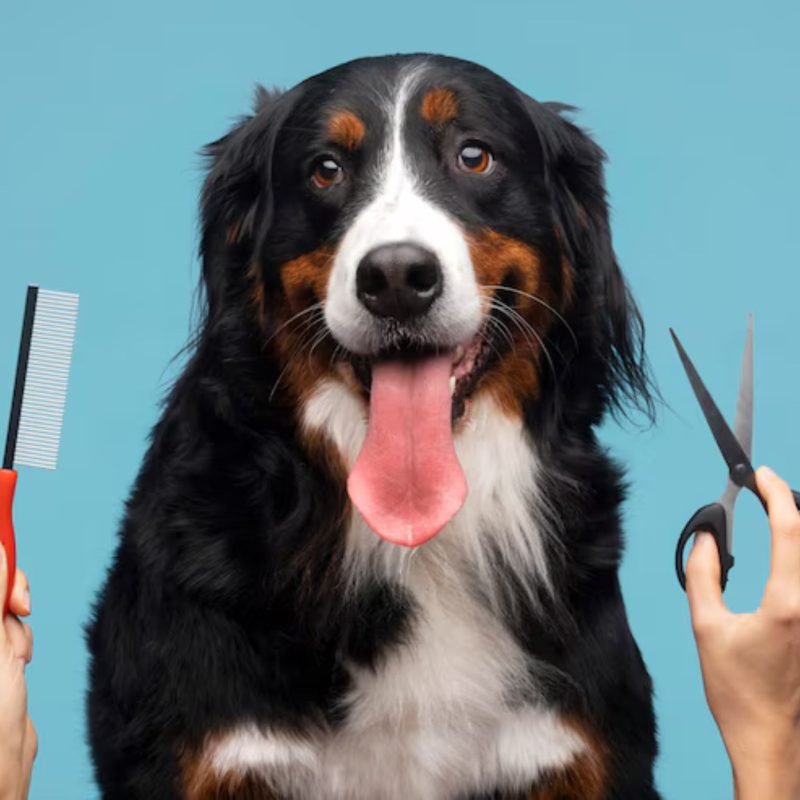
Credit: magixshears.com

Credit: tweezerman.com
Frequently Asked Questions
How Do I Safely Groom My Dog With Scissors?
To groom your dog safely, use blunt-tipped scissors. Ensure your dog is calm and still. Trim small sections of fur, avoiding skin contact. Regularly check for knots and matting. Always keep scissors parallel to the skin to prevent accidents.
What Type Of Scissors Are Best For Dog Grooming?
Use grooming scissors with rounded tips for safety. Thinning shears help in blending and creating a natural look. Straight scissors are great for precise trimming. Ensure they’re sharp for clean cuts. Invest in a quality pair for durability and effectiveness.
How Often Should I Groom My Dog With Scissors?
Groom your dog every 4-8 weeks, depending on breed and hair length. Regular grooming prevents matting and maintains hygiene. Adjust frequency based on your dog’s specific needs. Always monitor hair growth and skin health to determine appropriate grooming intervals.
Can I Groom My Dog With Regular Scissors?
Regular scissors can be unsafe due to their sharp, pointed tips. Grooming scissors have rounded tips, reducing injury risk. They’re designed for precision and comfort. Always use tools specifically made for pet grooming to ensure safety and effectiveness.
Conclusion
Grooming a dog with scissors takes care and patience. Follow simple steps to ensure safety. Use sharp, clean scissors for the best results. Start with small snips and keep your pet calm. Pay attention to sensitive areas like ears and paws.
Regular grooming makes your dog look neat and feel comfortable. Always reward your furry friend with treats and praise. Practice will make the process easier over time. Keeping your dog well-groomed promotes health and happiness. Enjoy the bonding time with your pet during grooming sessions.
Remember, patience is key to successful grooming.