How to Groom a Husky Dog: Expert Tips Revealed
Senior Canine Nutritionist & Dog Behavior Specialist at Cozy Dog Go Wellness Lab

Do you own a Husky or are you thinking about adopting one? With their striking appearance and energetic nature, Huskies are truly captivating.
However, their beautiful double coats require regular grooming to keep them healthy and looking their best. You might be wondering: where do you start, and what do you need to know? Imagine having a Husky with a coat so well-maintained that it turns heads wherever you go.
This guide is designed just for you, offering step-by-step advice to make grooming your Husky an enjoyable experience for both you and your furry friend. Dive in to discover how you can easily manage their shedding, keep their skin healthy, and ensure they’re the happiest dog on the block. Are you ready to transform grooming time into a bonding moment you’ll both look forward to? Let’s get started!
Grooming Essentials For Huskies
Grooming a Husky involves regular brushing to manage shedding and maintain their coat’s health. Use a slicker brush or undercoat rake to remove loose fur and prevent mats. Regular grooming not only keeps your Husky looking great but also promotes healthy skin and bonding time.
Grooming a Husky isn’t just about keeping your dog looking great; it’s about maintaining their health and happiness. Huskies have a unique double coat that requires special attention. Regular grooming can help manage shedding and prevent skin problems. Your Husky will not only look good but also feel more comfortable in their skin. Let’s dive into the essentials you need to keep your Husky in top shape.Tools And Products Needed
To groom a Husky effectively, you’ll need a few key tools and products:- Slicker Brush:Ideal for removing loose fur and untangling knots.
- Undercoat Rake:Essential for reaching the dense undercoat without damaging the topcoat.
- Shedding Blade:Helps in reducing excessive shedding, especially during seasonal changes.
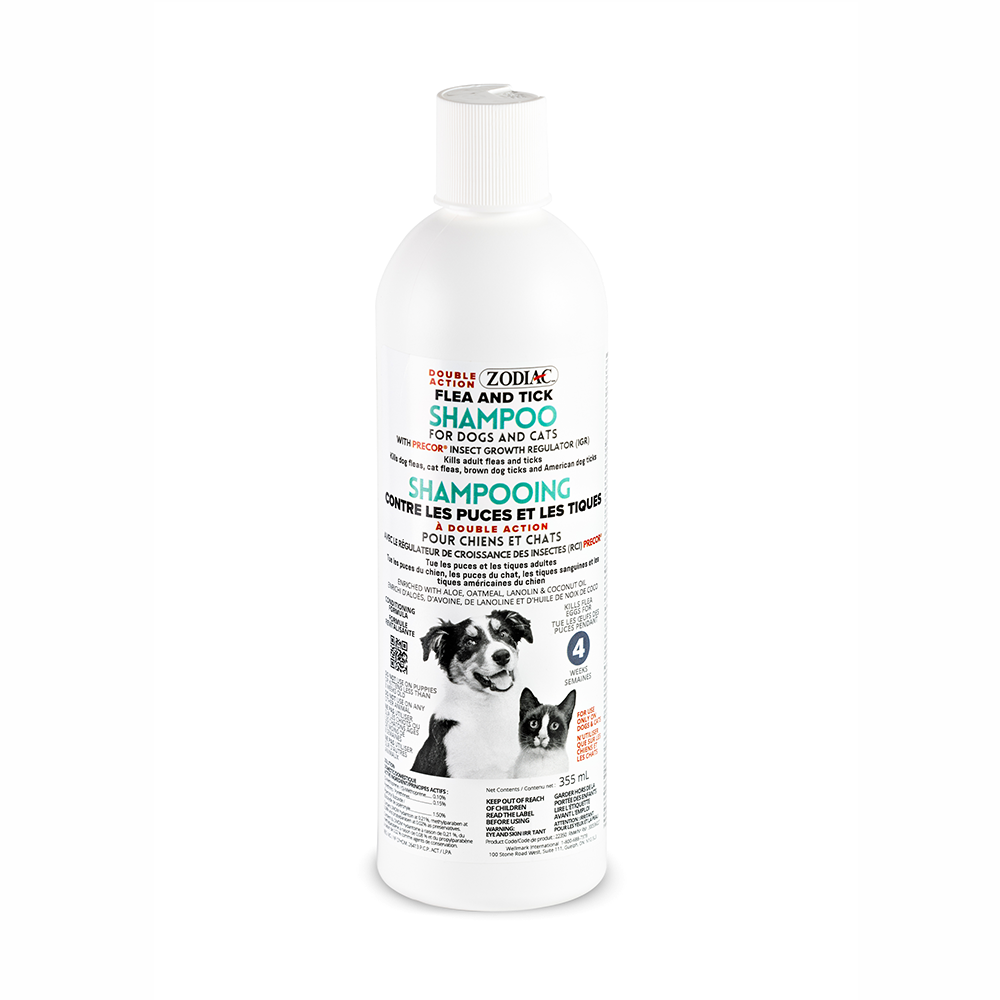
- Dog Shampoo:Choose a gentle formula to protect their sensitive skin.
- Nail Clippers:Keep their nails trimmed to avoid discomfort and injuries.
- Ear Cleaner:Regular ear cleaning prevents infections, which are common in dogs with upright ears.
Frequency Of Grooming
How often should you groom your Husky? It’s a question many owners ask.- Brushing:Aim for at least two to three times a week to manage shedding and prevent mats.
- Bathing:Bathe your Husky every three to four months or as needed. Too frequent baths can strip their coat of essential oils.
- Nail Trimming:Check their nails every two weeks and trim if necessary.
- Ear Cleaning:Inspect their ears weekly and clean them if there’s any dirt or wax buildup.
Credit: www.tiktok.com
Nail And Paw Care
Grooming a Husky involves more than just brushing their fur. Nail and paw care is crucial for their health and comfort. Proper maintenance prevents discomfort and potential infections. Understanding how to care for a Husky’s nails and paws ensures they remain happy and active.
Trimming Nails Safely
Regular nail trimming is essential for your Husky. Long nails can cause pain and affect their gait. Use a dog nail clipper designed for medium to large breeds. Clip the nails carefully to avoid cutting the quick. This sensitive area can bleed and cause pain if cut. Trim a small amount at a time, checking the nail often.
If you’re unsure, consult a vet or professional groomer. They can guide you on the right technique. Keep styptic powder nearby to stop bleeding in case of accidents.
Maintaining Healthy Paws
Husky paws need regular checks and care. Examine their pads for cuts, cracks, or foreign objects. Remove any debris gently with tweezers. Use a damp cloth to clean their paws after walks. This prevents dirt buildup and irritations.
Apply a dog-safe moisturizer to their paw pads if they appear dry. Moisturizing keeps the pads supple and healthy. In winter, protect their paws from salt and ice. Consider using dog boots or a protective balm. Regular paw care ensures your Husky stays comfortable and active.
Ear And Eye Maintenance
Regular ear and eye checks are vital for a healthy Husky. Clean any dirt or wax gently with a damp cloth. Keep eyes free from discharge using a soft wipe.
Grooming a Husky involves more than just brushing their coat. Their ears and eyes need regular care too. Proper maintenance prevents infections and keeps them healthy. Let’s explore how to maintain your Husky’s ears and eyes.Cleaning Ears Properly
Huskies have sensitive ears. Clean them carefully to avoid damage. Use a vet-approved ear cleaner. Gently lift your Husky’s ear flap. Apply a few drops of cleaner inside. Massage the base of the ear for 30 seconds. This loosens any wax. Let your Husky shake their head. This helps remove excess cleaner. Use a soft cloth to wipe away residue. Avoid using cotton swabs inside the ear canal. Check the ears weekly. Look for redness, odor, or discharge. These can indicate an infection.Checking Eye Health
Husky eyes are bright and expressive. Regular checks keep them in top shape. Look for redness, irritation, or unusual discharge. These can signal issues. Use a damp cloth to wipe around the eyes. Do this gently to remove debris. Ensure the eyes are free from cloudiness. This can indicate health problems. If you notice any changes, consult your vet immediately. Healthy eyes are crucial for your Husky’s overall well-being. Keep them clean and monitor regularly for any signs of trouble.Dealing With Shedding
Dealing with shedding is a common challenge for Husky owners. Huskies have a thick double coat that sheds significantly. This can lead to a lot of fur around the house. Understanding how to manage this shedding is crucial. Regular grooming can help control the amount of fur they lose. It keeps your home cleaner and your dog comfortable.
Managing Seasonal Shedding
Huskies shed heavily twice a year. This process is known as “blowing their coat.” During these times, they lose their undercoat to prepare for a new season. Regular brushing is essential. Brush your Husky at least a few times a week. This helps remove loose fur and prevent matting. A slicker brush or pin brush works well for this task.
Bathing can also aid in removing loose fur. Use a gentle dog shampoo and rinse thoroughly. Make sure to dry them completely after a bath. A high-velocity dryer can help blow out loose fur. This speeds up the shedding process.
Using Deshedding Tools
Deshedding tools are a great investment for Husky owners. They help reach deep into the undercoat to remove loose fur. A popular tool is the Furminator. It’s designed specifically for heavy shedders like Huskies. Use it carefully to avoid damaging the skin.
Regular use of these tools can reduce shedding significantly. Use them once a week during shedding season. This keeps your Husky’s coat healthy and reduces fur in your home. Always follow the instructions provided with your deshedding tool.
Skin And Coat Health
Grooming a Husky dog involves regular brushing to manage their thick double coat. Use a slicker brush to remove loose fur and prevent mats. Bathing should be done sparingly to maintain natural oils in their skin.
Maintaining the skin and coat health of your husky is crucial for their overall well-being. A husky’s double coat requires regular attention to prevent matting and skin issues. Ensuring your husky’s coat shines bright and their skin remains healthy is not just about aesthetics; it’s about their comfort and health too.Identifying Skin Issues
Regularly inspect your husky’s skin for any signs of irritation or infection. Look out for redness, bumps, or unusual bald spots. These might indicate allergies, parasites, or infections that require a vet’s attention. Bathing your husky too frequently can strip natural oils from their skin, leading to dryness. Stick to a bathing schedule of once every few months unless they get especially dirty. Use a gentle, dog-specific shampoo to keep their skin balanced. Have you noticed your husky scratching more than usual? Consider environmental factors like pollen or changes in diet. Sometimes, small adjustments can make a big difference in their skin health.Enhancing Coat Shine
A shiny coat often reflects a healthy diet. Ensure your husky is consuming omega-3 rich foods like fish oil supplements or flaxseed. These nutrients are known to enhance coat luster and health. Brush your husky regularly to distribute natural oils and remove loose fur. A good quality brush suited for double coats will make this task easier and more effective. Hydration plays a key role in coat health. Ensure your husky has access to fresh water at all times. A well-hydrated dog is less likely to suffer from dry skin and dull fur. Have you tried adding a spoonful of coconut oil to your husky’s food? This simple addition can promote a shinier coat. Just ensure to consult with your vet for the right quantity suited for your dog’s size and dietary needs.Credit: www.instagram.com
Professional Grooming Services
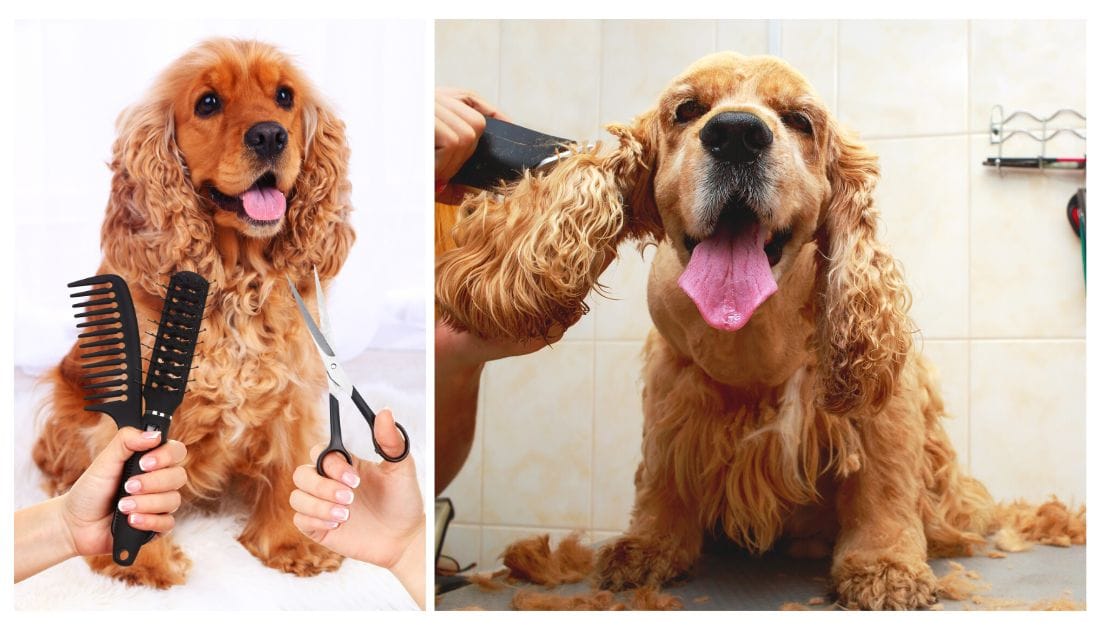
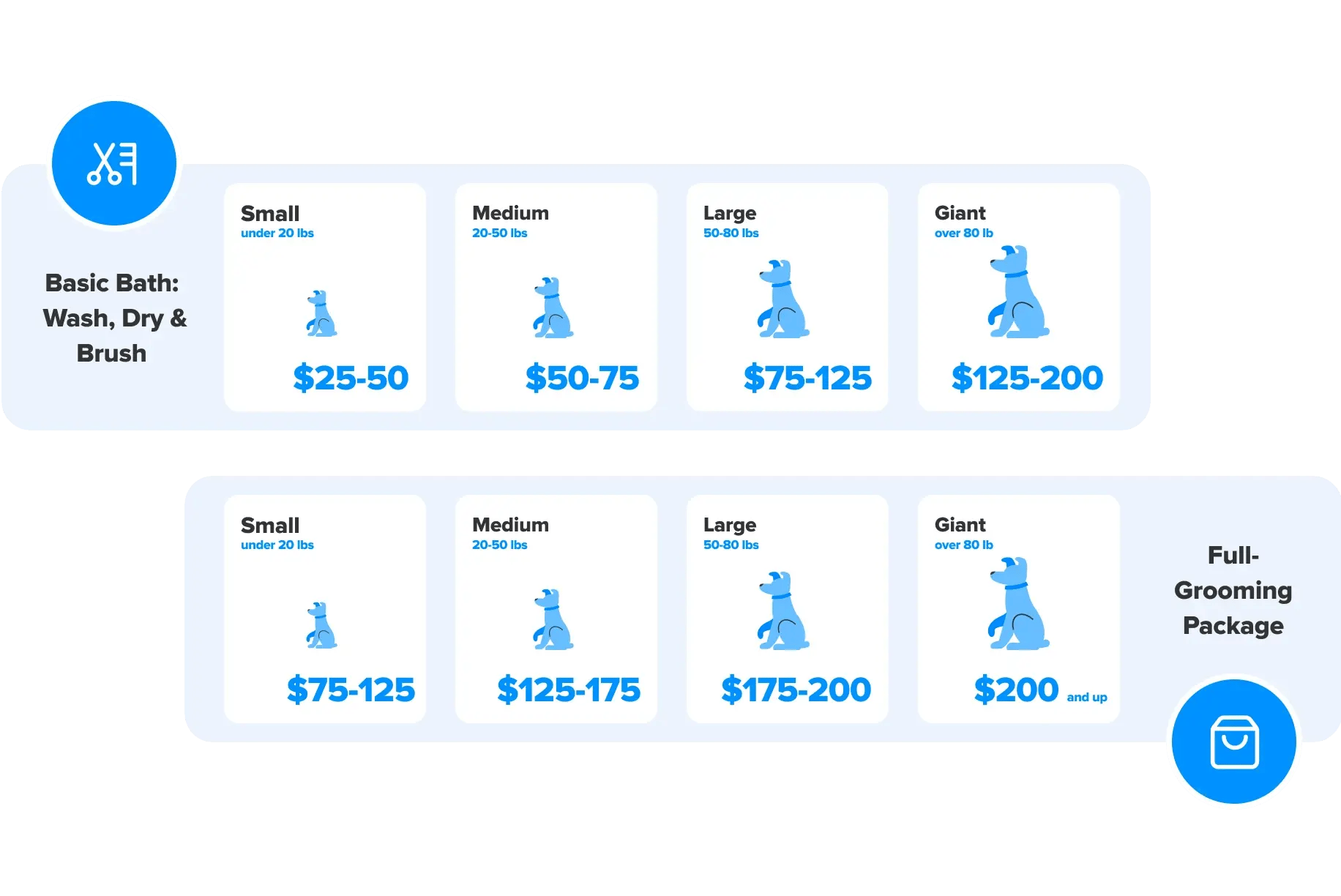
Grooming a Husky involves regular brushing to manage their thick double coat. Use a slicker brush to remove loose fur and prevent matting. Bathe them occasionally to keep their coat clean and healthy. Regular grooming helps maintain their skin health and reduces shedding around the home.
Professional grooming services can be a lifesaver for husky owners. Huskies are known for their thick, double-layered coat. This makes grooming at home a challenging task. Professional groomers have the skills and tools to handle this task efficiently. They ensure your husky’s coat remains healthy and beautiful.When To Seek Professional Help
Sometimes, home grooming is not enough. Signs you might need professional help include:- Excessive shedding.
- Matted fur that is hard to detangle.
- Skin issues or irritations.
- Your husky resists grooming efforts.
Benefits Of Professional Grooming
Professional grooming offers many advantages:- They use specialized tools for deep cleaning.
- Your husky gets a thorough brushing, reducing shedding.
- Groomers can spot health issues early, like skin infections.
- Regular visits help maintain your dog’s coat and skin health.
Frequently Asked Questions
How Often Should I Groom My Husky?
Groom your husky every week to maintain a healthy coat. Regular brushing helps control shedding and prevents matting. During shedding seasons, increase frequency to twice weekly. Use a slicker brush and undercoat rake for best results. Regular grooming also helps in detecting skin issues early.
What Tools Do I Need For Husky Grooming?
Essential grooming tools include a slicker brush, undercoat rake, and grooming comb. A de-shedding tool is helpful during shedding season. Nail clippers and dog-safe shampoo are also necessary. Regular use of these tools keeps your husky’s coat healthy and clean.
Can Huskies Be Bathed Frequently?
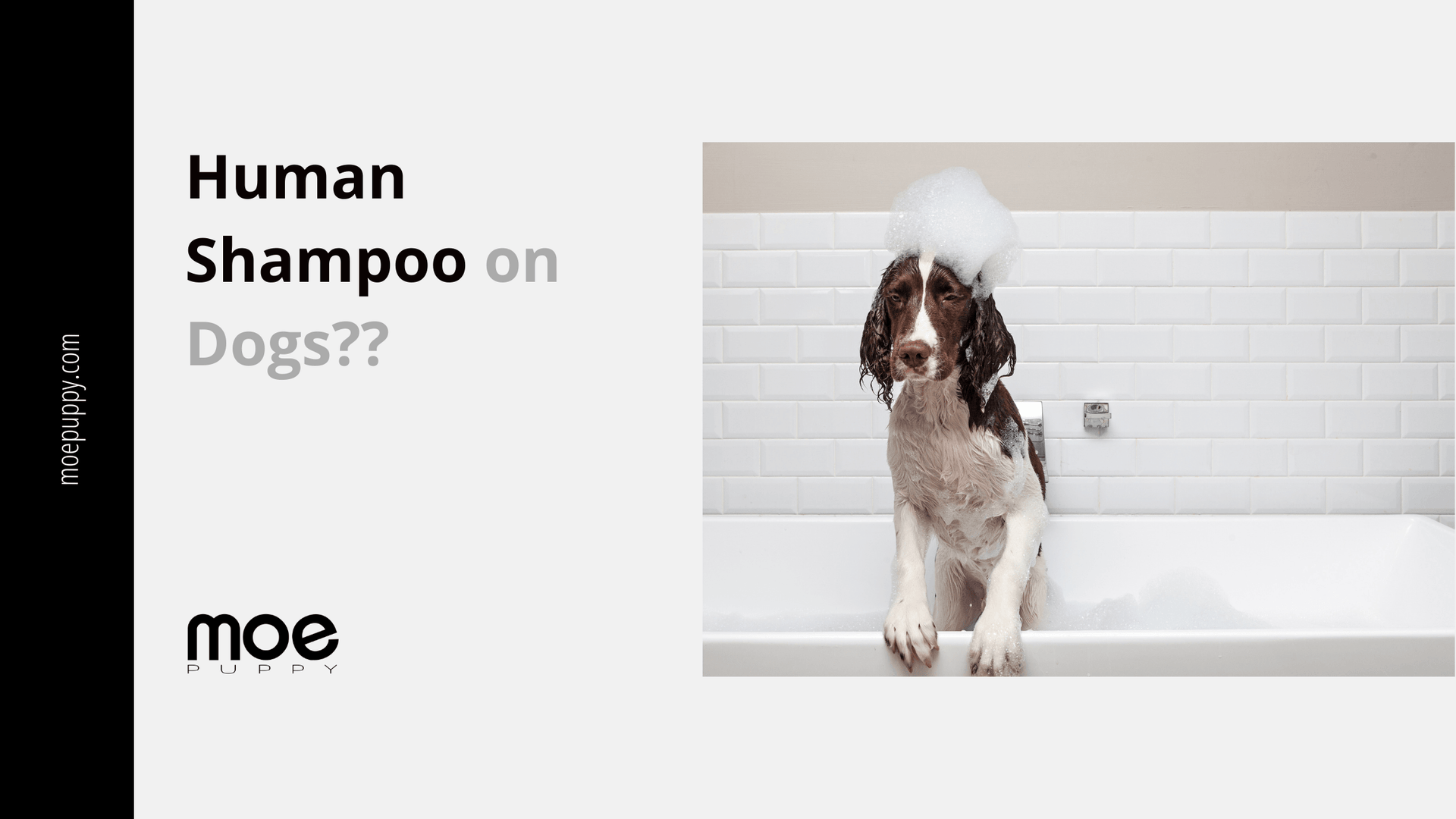
Huskies should not be bathed frequently. Overbathing can strip natural oils, causing skin issues. Bathe them every 3-4 months or when dirty. Use a gentle, dog-specific shampoo to avoid irritation. Always ensure your husky is completely dry after a bath to prevent chills.
How Do I Reduce Husky Shedding?
Regular brushing is key to reducing husky shedding. Use an undercoat rake to remove loose fur effectively. Increase grooming frequency during shedding seasons. Maintaining a balanced diet can also help. Omega fatty acids in their diet promote a healthy, shiny coat.
Conclusion
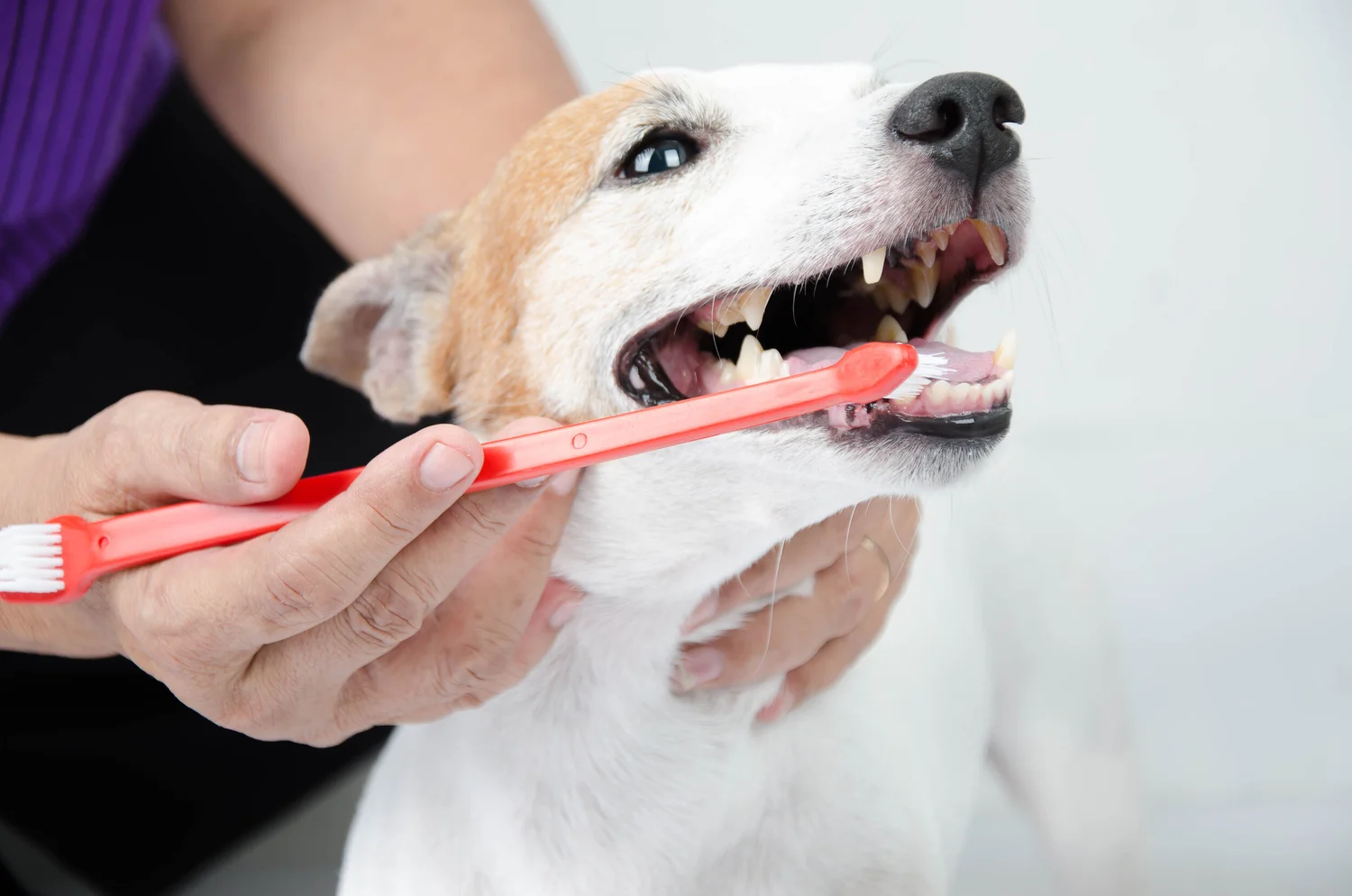
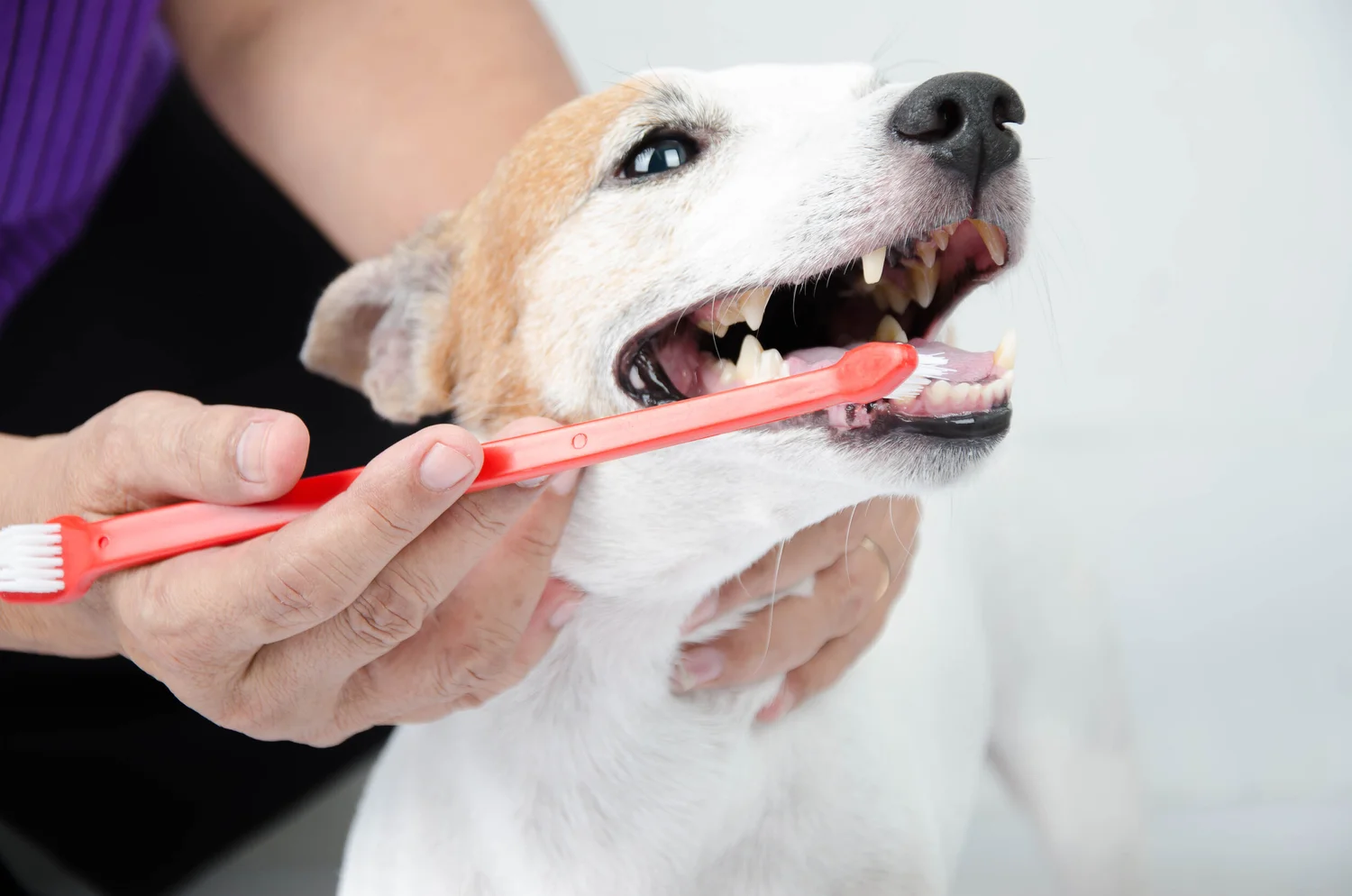
Grooming your Husky builds a bond. Regular brushing prevents tangles and mats. Bathing keeps their coat clean and healthy. Trim nails to avoid discomfort. Check ears weekly for signs of infection. Use gentle cleaning solutions. Keep an eye on dental health, too.
Brush their teeth to prevent plaque. Consistent grooming promotes a happy, healthy Husky. Remember, patience is key. Start early to get them used to it. Enjoy the grooming time together. It’s not just care; it’s love in action. Your Husky will thank you with wagging tails and joyful leaps.

Similar Posts