How to Groom a Westie Dog: Expert Tips Unveiled
Senior Canine Nutritionist & Dog Behavior Specialist at Cozy Dog Go Wellness Lab

Imagine having a Westie, with its bright eyes and fluffy coat, looking its absolute best every day. Grooming your Westie is not just about keeping it clean; it’s about enhancing its natural charm and making sure it feels great too.
You might think grooming is tough, but it can be an enjoyable bonding experience for both you and your dog. With the right techniques, you can ensure your Westie looks like it just stepped out of a dog show. Are you ready to discover the secrets of keeping your Westie looking fabulous while strengthening your unique connection?
Read on to transform grooming time into a delightful routine you’ll both look forward to.
Preparing Your Grooming Kit
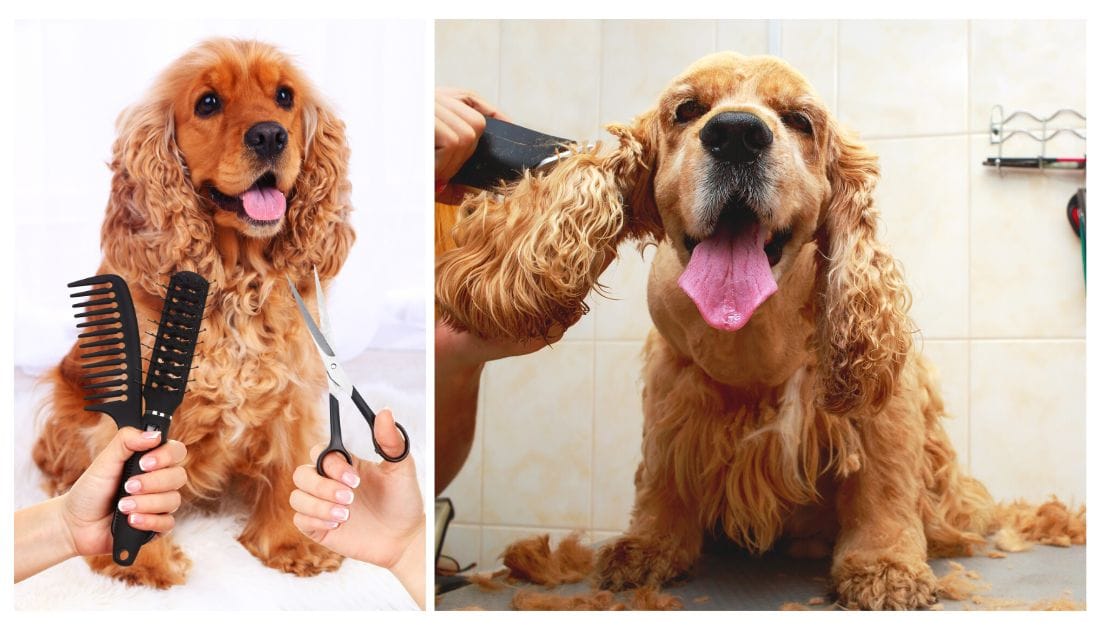
Preparing a grooming kit for a Westie dog involves gathering essential tools like a slicker brush, comb, and grooming scissors. Include dog-friendly shampoo and nail clippers for a complete set. Regular grooming keeps your Westie looking neat and healthy.
Preparing your grooming kit is crucial for a stress-free experience. A well-prepared kit ensures you have everything at your fingertips. This makes grooming enjoyable for both you and your Westie. Here’s a guide to assembling the perfect kit.Essential Tools
Start with the right tools. A pin brush is perfect for a Westie’s coat. It helps detangle and remove loose hairs. A slicker brush is great for finishing touches. It smooths the coat and adds shine. Clippers are vital for trimming around the face and paws. Choose ones designed for small dogs. Scissors are also important for detailed work. Opt for straight and thinning scissors. Nail clippers are needed for regular nail care. Use dog-specific clippers to avoid injuries. A comb is useful to check for tangles. Metal combs work best for Westie fur.Choosing The Right Products
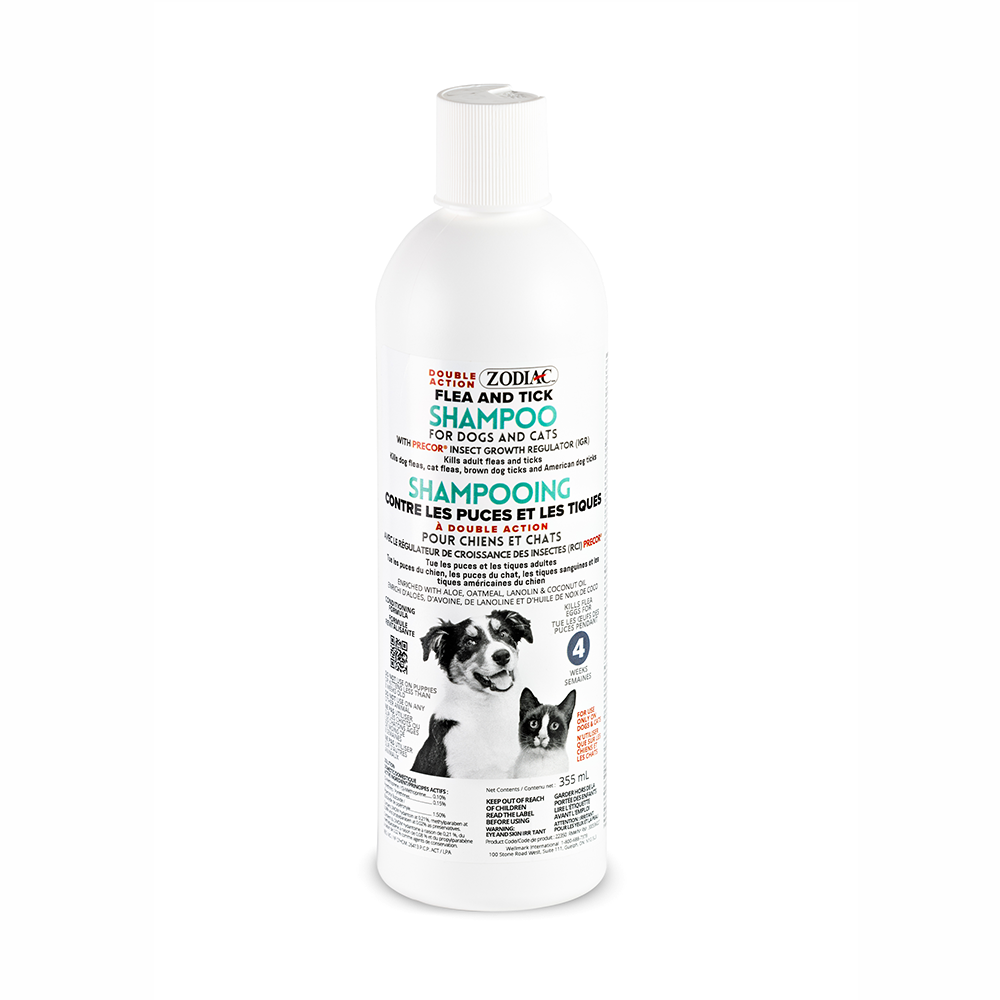
Select quality grooming products for your Westie. Shampoo should be gentle and suitable for sensitive skin. Avoid harsh chemicals that can irritate your dog. Conditioner can help keep the coat soft and manageable. Pick one that complements the shampoo. Ear cleaning solutions are essential for ear health. Choose a solution that is gentle yet effective. Eye wipes help remove tear stains. They ensure your Westie’s eyes are clean and clear. Dental care is crucial, so include dog toothpaste and a toothbrush. Regular brushing keeps teeth healthy and breath fresh.Bathing Basics
Bathing your Westie is essential for their health and happiness. With their unique coat, regular baths help keep them clean and fresh. Understanding the basics ensures your pup enjoys the process while maintaining a healthy coat.
Frequency Of Baths
Westies typically need a bath every 4-6 weeks. This frequency helps manage their skin’s natural oils and prevents dryness. Bathing too often can strip these oils, leading to skin issues. Consider your dog’s lifestyle; active dogs may need more frequent baths.
Best Practices For Bathing
- Use lukewarm water to prevent discomfort or irritation.
- Select a gentle, dog-specific shampoo for their sensitive skin.
- Ensure thorough rinsing to avoid shampoo residue, which can cause itching.
- Pat dry with a towel, then use a low-heat hairdryer if needed.
- Brush before and after bathing to manage tangles and matting.
Creating a calm environment is key. Speak softly and reassure your Westie throughout the bath. Make it a bonding time, turning bath time into a positive experience.
Brushing Techniques
Brushing your Westie isn’t just about maintaining their adorable appearance; it’s essential for their health and well-being. Regular brushing helps to remove loose hair, dirt, and prevents matting, ensuring your furry friend looks and feels their best. But with so many techniques and tools available, how do you choose the best approach for your Westie? Let’s dive into the specifics.
Choosing The Right Brush
Westies have a unique coat that requires special care. Selecting the right brush can make all the difference in your grooming routine. A slicker brush is often recommended because its fine wire bristles can easily penetrate the Westie’s dense coat, removing tangles without causing discomfort. Another option is a bristle brush, which is excellent for smoothing the hair and distributing natural oils.
Ever tried using a pin brush? It’s gentle enough for daily use and works well for fluffing the coat to give your Westie that perfect ‘just groomed’ look. Consider testing different brushes to see which your Westie responds to best. After all, a happy dog makes for an easier grooming session!
Brushing Frequency
How often should you brush your Westie? The answer might surprise you. While some breeds require daily brushing, Westies typically do well with a few sessions a week. This routine helps maintain their coat’s cleanliness and prevents tangling. However, if your Westie loves outdoor adventures, you might find yourself reaching for that brush more often.
Regular brushing sessions also allow you to bond with your pet and check for any skin issues or parasites. Notice any extra shedding or dryness? Adjust your grooming schedule accordingly. Remember, consistency is key to keeping your Westie looking their best. Wouldn’t it be wonderful if grooming felt like a treat rather than a chore?
Credit: www.instagram.com
Nail Care Tips
Proper nail care keeps a Westie dog comfortable and healthy. Trim nails regularly to prevent discomfort and injury. Use a gentle approach and a suitable nail clipper for best results.
Caring for your Westie’s nails is a crucial part of grooming. Neglecting them can lead to discomfort and even health issues. Proper nail care ensures your furry friend can walk and play without pain.Trimming Frequency
Regular nail trimming is essential for your Westie’s health. Aim to trim their nails every three to four weeks. This keeps the nails at a comfortable length and prevents them from curling into the paw pads. If you’re unsure about the frequency, observe your Westie’s nails. When they touch the ground or make a clicking sound on hard surfaces, it’s time for a trim. Consistent trimming helps maintain their paw health and prevents potential injuries.Avoiding Injury
Trimming your Westie’s nails can be a daunting task, especially if you’re worried about cutting too close. Use a sharp, quality nail clipper designed for small dogs. This ensures a clean cut and reduces the risk of splitting the nails. To avoid cutting into the quick, the sensitive part of the nail, trim a little at a time. Look for a chalky white appearance, which indicates you’re nearing the quick. If you’re unsure or nervous, consider seeking guidance from a professional groomer. Remember, keeping your Westie’s nails trimmed not only supports their comfort but also strengthens your bond with them during grooming time. Are you ready to tackle nail trimming with confidence?Dental Hygiene Practices
Maintaining a Westie dog’s dental health is crucial for their overall well-being. Dental hygiene practices help prevent bad breath, gum disease, and tooth decay. Regular care ensures your Westie stays happy and healthy. Let’s explore effective methods to care for your Westie’s teeth.
Effective Toothbrushing
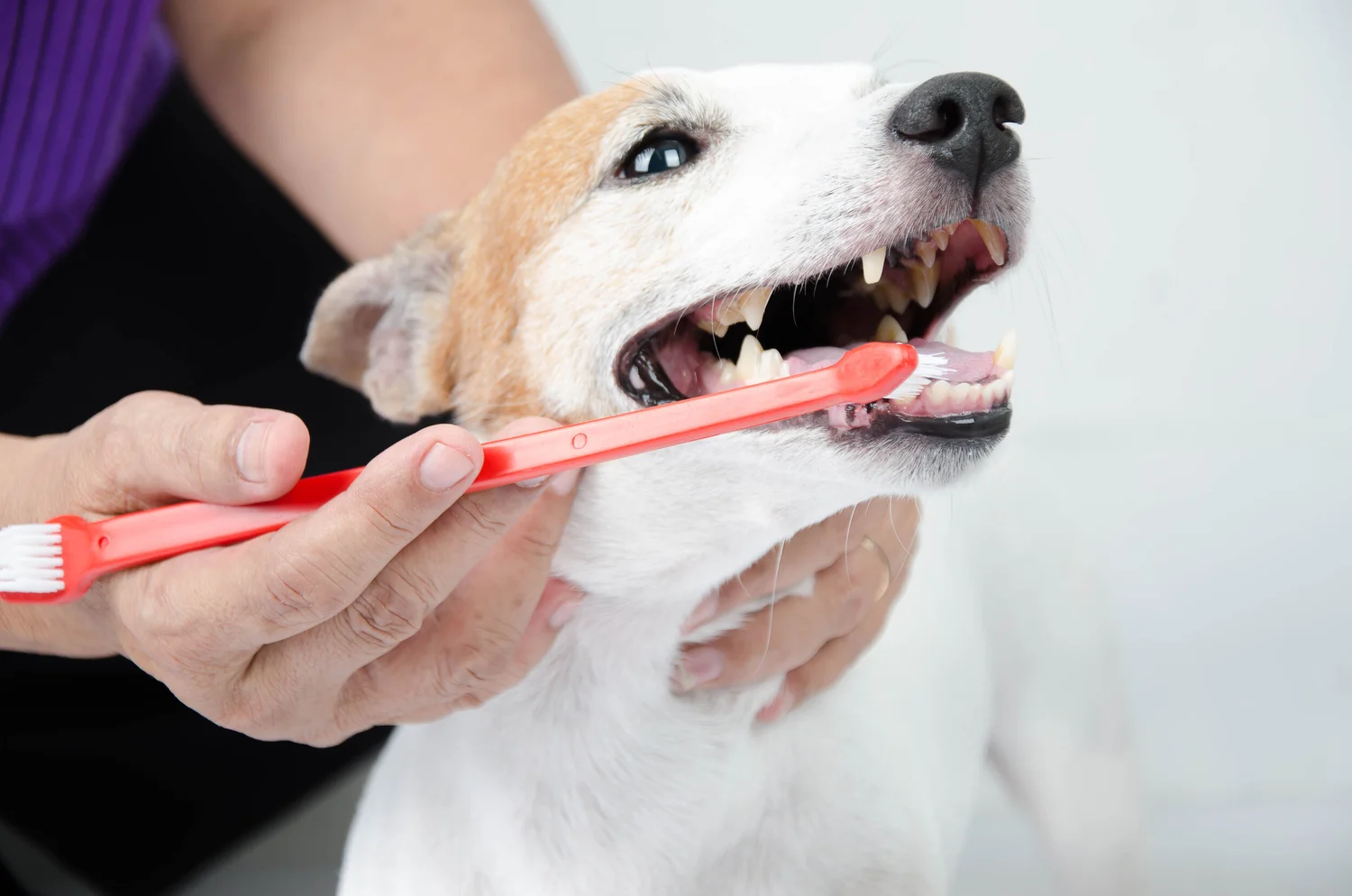
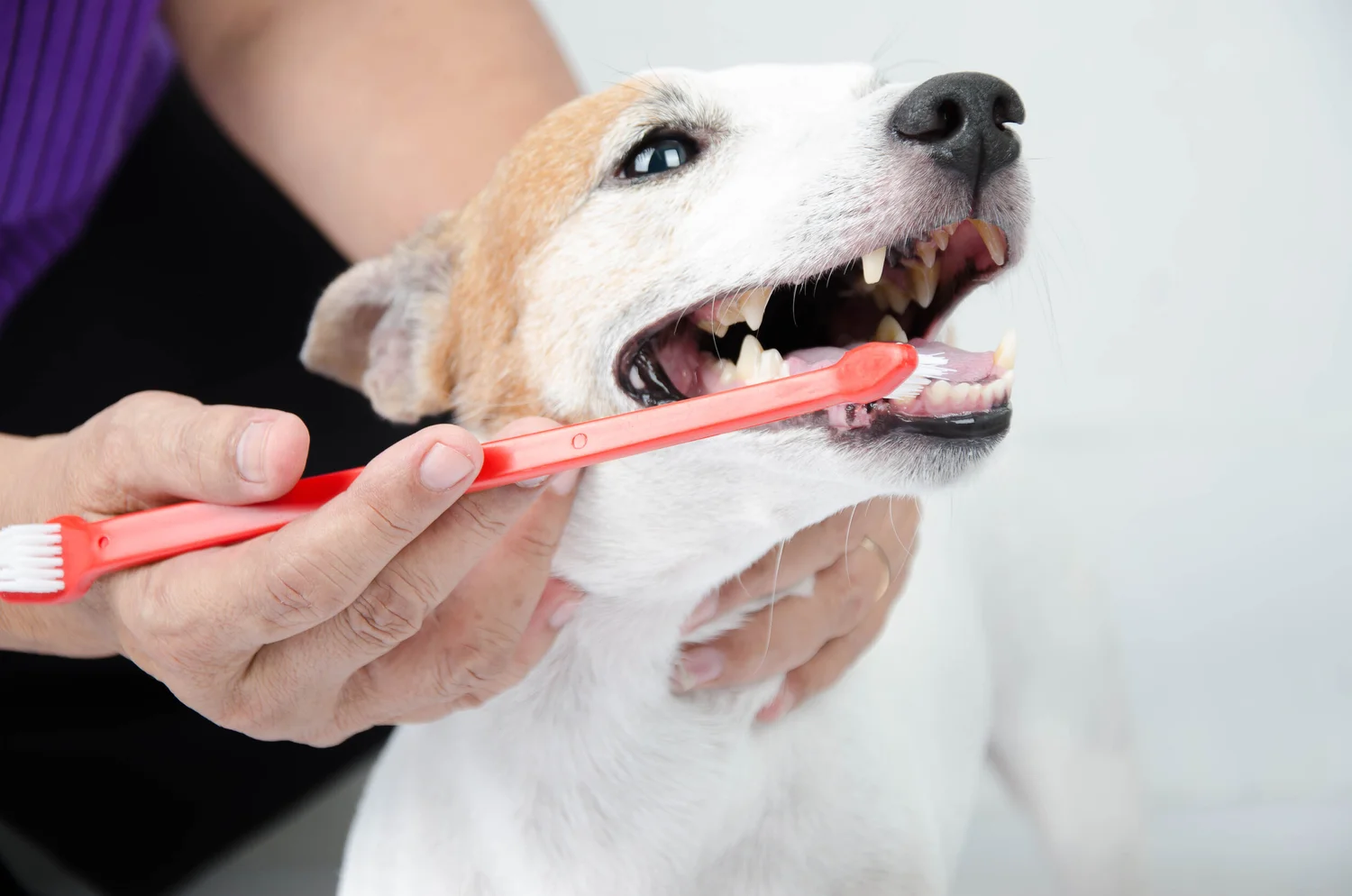
Toothbrushing is vital for keeping your Westie’s teeth clean. Use a soft-bristled toothbrush designed for dogs. Gently brush their teeth at least three times a week. Focus on the gum line where plaque tends to build up. Start slowly to let your dog get used to the process.
Make brushing a positive experience. Offer rewards after each session. This encourages cooperation and makes future brushings easier. Gradually increase brushing frequency as your Westie gets comfortable.
Choosing Dental Products
Selecting the right dental products ensures effective cleaning. Look for toothpaste made specifically for dogs. Human toothpaste can be harmful to them. Flavored toothpaste can make brushing more enjoyable for your Westie.
Consider dental chews as a supplement to brushing. These help reduce plaque and tartar buildup. Choose products approved by veterinary dental experts. This ensures they are safe and beneficial for your dog.
Credit: www.tiktok.com
Skin And Coat Maintenance
West Highland White Terriers, commonly known as Westies, are charming dogs with distinctive white coats. Proper skin and coat maintenance is vital for their health and appearance. Regular grooming helps prevent skin issues and enhances coat quality.
Identifying Skin Issues
Westies are prone to skin problems. Regular checks are essential to catch issues early. Look for redness, itching, or flakiness. These signs may indicate allergies or infections. Consult a vet if you notice persistent problems.
Enhancing Coat Health
Maintain a healthy coat through proper grooming. Brush your Westie’s coat regularly to remove dirt and loose hair. Use a gentle dog shampoo for bathing to keep their coat clean. Ensure their diet includes essential fatty acids for coat shine. Omega-3 and Omega-6 are beneficial.
Addressing Grooming Challenges
Grooming a Westie dog can sometimes present unique challenges. These energetic and spirited dogs may react differently during grooming sessions. Understanding how to address these challenges ensures a smoother experience for both you and your furry friend. Let’s delve into some common grooming challenges and how to effectively manage them.
Dealing With Anxiety
Westies may feel anxious during grooming sessions. Their small size and sensitive nature can contribute to this. To ease anxiety, create a calm environment. Play soothing music and speak softly. Use treats as positive reinforcement. Reward them for good behavior. Patience is key. Gradually introduce grooming tools. Let them sniff and explore. This helps them feel more comfortable. Maintain a consistent routine. Regular grooming sessions help reduce anxiety over time.
Handling Aggressive Behavior
Some Westies may show aggression during grooming. This can be due to fear or discomfort. Start by identifying the triggers. Is it the brush, clippers, or a specific area being groomed? Understanding the cause helps tailor your approach. Use a gentle touch. Avoid sudden movements. Speak in a calm and reassuring voice. If aggression persists, consider professional help. A dog behaviorist can offer valuable insights. Consistency and patience are crucial. Over time, your Westie will learn to trust the process.
Frequently Asked Questions
How Often Should I Groom My Westie?
Westies should be groomed every 4 to 6 weeks. Regular grooming helps maintain their coat and skin health. Brushing their coat several times a week prevents matting and reduces shedding. Frequent grooming sessions also help monitor their overall health, identifying any skin issues or parasites early.
What Tools Do I Need To Groom A Westie?
To groom a Westie, you’ll need a slicker brush, comb, and nail clippers. Additionally, a pair of scissors for trimming and a grooming rake can be helpful. Regularly using these tools maintains their coat’s texture and appearance, ensuring your Westie looks and feels their best.
How Do I Trim A Westie’s Nails?
Trim a Westie’s nails using pet nail clippers every 3-4 weeks. Hold their paw gently and carefully clip the tip of each nail, avoiding the quick. Regular trimming prevents discomfort and promotes healthy paw structure, ensuring your Westie stays active and comfortable during walks.
Can I Bathe My Westie Too Often?
Bathing a Westie too often can strip their coat of natural oils. Aim to bathe them every 6-8 weeks or when necessary. Use a gentle dog shampoo to maintain their coat’s health and shine. Overbathing may lead to dry skin and irritation, so moderation is key.
Conclusion
Grooming your Westie isn’t just about looks. It’s essential for their health and happiness. Regular brushing keeps their coat shiny and tangle-free. Bathing every few weeks removes dirt and odors. Trim their nails to prevent discomfort. Clean their ears gently to avoid infections.
Check their eyes for any signs of irritation. All these steps ensure your Westie stays in top shape. With a little care, your Westie will feel loved and pampered. Happy grooming! Your furry friend deserves the best. Keep their grooming routine simple and consistent.
They’ll thank you with wagging tails and joyful barks.

Similar Posts