How to Groom Dog Paws: Expert Tips for Pet Owners
Imagine your dog happily trotting alongside you, their paws perfectly groomed and healthy. It’s a picture of joy and comfort, not just for them, but for you too.
Those little paws do so much—running, playing, and always being there to greet you with excitement. Yet, they often don’t get the care they deserve. Neglecting your dog’s paws can lead to discomfort and health issues that could easily be avoided.
You want the best for your furry friend, and understanding how to groom their paws is a crucial part of that care. This guide will walk you through the easy steps you need to take, ensuring your dog’s paws stay in top condition. You’ll learn simple techniques that can prevent problems before they start, save you costly vet visits, and keep your dog happy and active. Dive into this article to discover how to give your dog the paw care they need. Once you see the difference it makes, both you and your dog will be glad you did.

Credit: www.tiktok.com
Importance Of Paw Grooming
Dog paw grooming is crucial for your pet’s health and comfort. Regular paw care prevents dirt buildup and keeps paws healthy. It also strengthens the bond between you and your furry friend.
Health Benefits
Grooming dog paws promotes better circulation. It helps detect early signs of health issues. Clean paws prevent infections and irritations. Regular cleaning keeps paws free from harmful substances.
Preventing Injuries
Proper paw grooming reduces the risk of injuries. Trimming nails prevents painful breaks. Removing debris helps avoid splinters and cuts. Maintaining paw health ensures your dog walks safely.
Tools For Paw Grooming
Grooming dog paws requires specific tools like nail clippers, paw pads trimmers, and brushes. Clippers ensure safe nail trimming while paw pads trimmers maintain cleanliness. Brushes remove debris and keep paws healthy and comfortable.
Grooming dog paws is essential for their health and comfort. Proper tools make the task easier and safer for both you and your furry friend. Each tool serves a unique purpose, ensuring a thorough and effective grooming routine. Let’s explore the tools needed for paw grooming and how to choose the right products for your dog’s needs.Essential Tools
- Nail Clippers:These come in various styles, such as guillotine or scissor types. Choose one that fits comfortably in your hand.
- Nail Grinder:It smooths the edges of nails, minimizing sharpness. Ideal for dogs scared of clippers.
- Paw Hair Trimmer:Keep the fur between the pads trimmed to prevent dirt accumulation.
- Brush:A gentle brush removes debris and keeps fur clean between grooming sessions.
- Paw Balm:Moisturizes and protects paws from cracking, especially in extreme weather conditions.
- Tweezers:Useful for removing splinters or debris stuck in the paw pads.
Choosing The Right Products
Selecting quality products ensures safety and effectiveness. Consider the size and breed of your dog when choosing clippers. Large breeds require sturdy tools, while smaller breeds need delicate ones. Look for grinders with adjustable speeds for better control. Opt for hypoallergenic paw balms to avoid skin irritations. Natural ingredients are preferable, offering gentle care for sensitive paws. Choose a trimmer that doesn’t overheat, ensuring a comfortable grooming experience. A durable brush is essential for regular cleaning. Bristles should be soft, preventing discomfort or injury. Always test products on a small area first to ensure compatibility with your dog’s skin and fur.Step-by-step Paw Grooming
Grooming your dog’s paws is essential for their health and comfort. A proper paw grooming routine prevents infections and keeps your dog happy. This step-by-step guide makes paw grooming simple and effective.
Cleaning The Paws
Start by gently wiping each paw with a damp cloth. Remove dirt and debris, paying attention to the spaces between the toes. Use a mild soap if needed, but rinse thoroughly to avoid irritation. Dry the paws with a soft towel to prevent moisture buildup.
Trimming Nails
Check your dog’s nails for length. If they touch the ground, it’s time for a trim. Use a dog nail clipper, cutting small amounts at a time. Avoid cutting too close to the quick, as this can cause pain. Smooth the edges with a nail file to prevent snags.
Tending To Pads
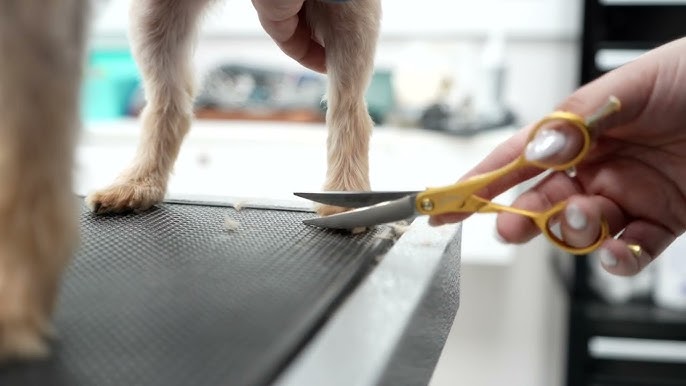
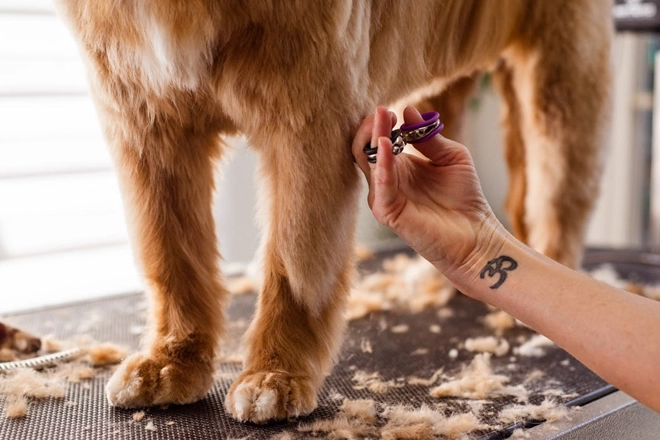
Inspect the pads for cracks or cuts. Apply a paw balm to keep them soft and healthy. Trim excess fur around the pads with scissors, being careful not to nick the skin. This helps your dog walk comfortably and prevents matting.
Handling Common Paw Issues
Grooming dog paws involves regular trimming of nails and fur between the pads. Check for dirt or debris lodged in the paw pads. Keep the paws moisturized to prevent cracking.
Handling common paw issues is essential for your dog’s overall health and comfort. Your furry friend’s paws endure a lot of stress from walking, running, and exploring. Regularly checking their paws can prevent small problems from turning into big ones. Let’s dive into some common issues and how you can effectively manage them.Dealing With Dryness
Dry, cracked paws can be uncomfortable for your dog and may lead to more serious problems if not addressed. Moisturize their paws regularly using a dog-safe balm or coconut oil. It’s like giving them a mini spa treatment right at home! Consider the surfaces your dog walks on. Hot pavement or cold snow can exacerbate dryness. Wouldn’t you want to wear shoes if you walked on hot sand or freezing ice?Treating Cuts And Scrapes
Accidents happen, and dogs often get minor cuts or scrapes on their paws. Clean the wound gently with warm water and mild soap. Apply an antiseptic solution to prevent infection. Keep an eye on the wound as it heals. If it doesn’t improve, or if you notice swelling or redness, consult your vet. Remember, a little vigilance can go a long way.Managing Paw Infections
Paw infections can be tricky, often showing as redness, swelling, or a foul odor. If you suspect an infection, it’s crucial to seek veterinary advice promptly. Early intervention can prevent the infection from spreading. Maintaining clean paws is a proactive step. Regularly washing and drying your dog’s paws, especially after walks, can help ward off infections. Isn’t it worth a few extra minutes of your day to ensure your pet’s health? By addressing these common paw issues, you’re not only ensuring your dog’s comfort but also fostering a deeper bond. After all, those paws take them everywhere they want to go — and you’re their trusted guide.Tips For Sensitive Dogs
Grooming a dog’s paws can be a sensitive task. Some dogs get anxious during grooming. It’s crucial to approach them with care. Understanding their needs can make the process smoother.
Calming Techniques
Start by creating a peaceful environment. Minimize loud noises around you. Soft music might help relax your dog. Consider gentle petting to ease tension. Treats can be a great distraction. Offer them during grooming for positive reinforcement.
Another tip is using calming sprays. These sprays often contain natural ingredients. They help soothe anxious dogs. Applying them on your hands can assist. Let your dog sniff them first. This builds trust and reduces stress.
Approaching Nervous Pets
Approach slowly and gently. Sudden movements can scare sensitive dogs. Speak in a calm voice. This reassures them that they’re safe.
Squat down to their level. Being eye-level reduces intimidation. Allow them to smell grooming tools. Familiarity reduces fear. Praise them frequently during grooming. Positive words boost their confidence.
Break the grooming into small sessions. Long sessions can overwhelm sensitive dogs. Short breaks help them relax. Gradually increase the duration as they become comfortable.
Credit: www.betterpet.com
Regular Paw Care Routine
Regular paw care is crucial for your dog’s health. Clean paws prevent infections and discomfort. A routine helps spot issues early. It’s more than trimming nails. Consider skin and pad health too.
Frequency Of Grooming
Groom paws every few weeks. Check nails and fur between pads. Long nails can cause pain. Trim when you hear clicking sounds. Inspect fur for debris or knots.
Seasonal Considerations
Paws need extra care in different seasons. Winter salt can harm pads. Use paw balm for protection. In summer, hot pavement can burn pads. Walk on grass or use booties. Check for ticks during spring.
When To Seek Professional Help
Grooming dog paws is a vital part of pet care. Regular grooming prevents infections and keeps your dog’s feet healthy. Sometimes, professional help is necessary to ensure paws are in the best condition. Recognizing signs that need expert attention is crucial for your dog’s well-being.
Identifying Serious Issues
It’s important to notice any unusual signs on your dog’s paws. Look for swelling, redness, or bleeding. These symptoms can indicate infections or injuries. If your dog limps or avoids walking, it’s time to consult a professional. Persistent licking of paws is another warning sign. This may suggest discomfort or pain. Changes in nail color or texture require expert evaluation.
Benefits Of Professional Grooming
Professional groomers offer specialized care that ensures your dog’s paws are treated with expertise. They use safe tools and techniques to trim nails and clean paws. Groomers identify problems early, preventing serious issues. Regular visits keep your dog’s paws healthy and clean. They know how to handle anxious dogs, making the grooming process less stressful.
Credit: pethelpful.com
Frequently Asked Questions
How Often Should I Groom My Dog’s Paws?
Regular paw grooming is essential for your dog’s health. Aim to groom their paws every 1-2 weeks. This schedule helps prevent matting, infections, and ensures your dog’s comfort. Adjust frequency based on breed and activity level. Always check for debris, dirt, or injuries during grooming.
What Tools Are Needed For Paw Grooming?
You’ll need a few essential tools for effective paw grooming. Use a quality nail clipper, paw brush, and dog-friendly wipes. Clippers maintain nail length, while brushes remove dirt and debris. Wipes ensure paws stay clean and free from germs. Consider a paw balm for added protection and nourishment.
Can I Trim My Dog’s Paw Hair Myself?
Yes, you can trim your dog’s paw hair at home. Use small, sharp scissors or a clipper for precision. Trim hair between pads and toes carefully to avoid injuries. Regular trimming prevents matting and keeps your dog’s paws clean. Always ensure your dog is calm and comfortable during the process.
What Are Signs Of Paw Issues In Dogs?
Look for signs like limping, excessive licking, or redness. These may indicate paw issues. Swelling, cuts, or irritation also warrant attention. Regular grooming helps detect problems early. If you notice persistent issues, consult a veterinarian. Prompt care prevents complications and keeps your dog healthy.
Conclusion
Grooming your dog’s paws keeps them happy and healthy. Regular checks prevent injuries. Clean paws mean fewer germs in your home. Trim nails to avoid discomfort. Use the right tools for safety. Make grooming a calm experience for your pet.
Reward them after each session. Build trust and make it a bonding time. Your dog will love the extra attention. Proper paw care leads to less vet visits. Enjoy peace of mind with a well-groomed dog. Happy paws, happy pet.