How to Groom My Dog: Expert Tips for a Shiny Coat
Imagine your dog, gleaming with health and happiness, turning heads on your daily walks. That’s the power of proper grooming.
Not only does it make your furry friend look fantastic, but it also keeps them healthy and comfortable. If you’ve been wondering how to groom your dog effectively, you’re in the right place. This guide is designed just for you, simplifying the grooming process with easy-to-follow steps.
By the end, you’ll feel confident and ready to transform grooming time into a bonding experience that both you and your dog will look forward to. Dive in and discover how you can make grooming a joyous part of your routine!
Essential Grooming Tools
Grooming your dog requires essential tools like brushes, combs, and nail clippers. These tools keep your pet’s coat shiny and healthy. Regular grooming with the right tools also helps prevent mats and tangles.
Grooming your dog ensures they stay healthy and happy. Essential grooming tools make the process smoother. With the right tools, you can keep your dog looking and feeling great. Here’s what you need to get started.Brushes And Combs
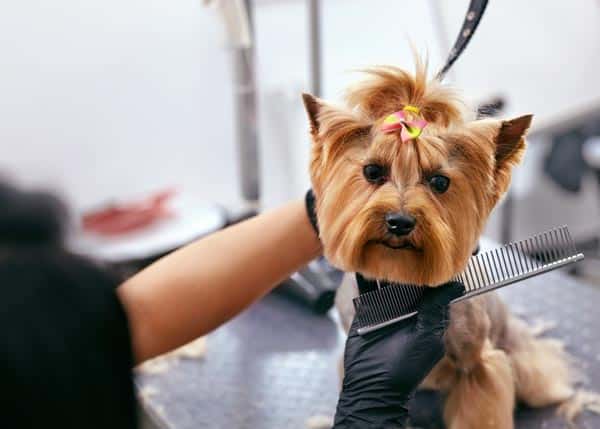
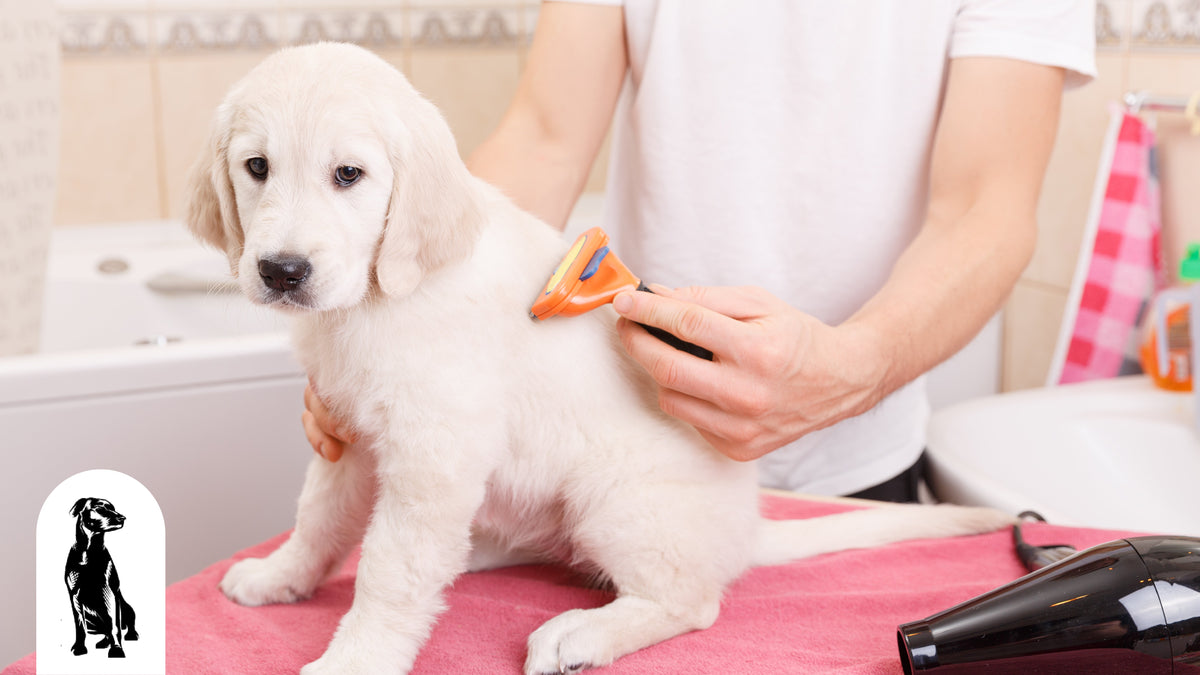
Different dogs have different coat types. Choose brushes based on your dog’s coat. Slicker brushes work well for tangled hair. For shedding dogs, a de-shedding tool helps. A comb can remove smaller knots and check for fleas.Nail Clippers
Long nails can cause discomfort for dogs. Use nail clippers designed for dogs. There are two main types: guillotine and scissor styles. Choose one that you feel comfortable using. Be careful not to cut too close to the quick.Shampoo And Conditioner
Choose a shampoo that suits your dog’s skin type. Hypoallergenic shampoos are good for sensitive skin. Use conditioners to keep the coat soft and shiny. Always rinse thoroughly to avoid irritation.Ear Cleaning Supplies
Dogs’ ears can collect dirt and wax. Use a vet-recommended ear cleaner. Cotton balls or pads are useful for applying the solution. Never use cotton swabs; they can hurt your dog’s ears.Toothbrush And Toothpaste
Dental health is important for dogs. Use a toothbrush designed for dogs. Dog toothpaste comes in flavors they like. Brush their teeth regularly to prevent plaque buildup.Hair Clippers
Clippers are needed for trimming long hair. Choose clippers that are safe and easy to handle. Different blade sizes suit different coat types. Always follow safety guidelines to avoid injury.Towels And Dryers
After a bath, dry your dog well. Towels help absorb water quickly. For long-haired dogs, a dryer works best. Use a dryer with a low heat setting to prevent burns.Grooming Table
A grooming table keeps your dog steady. It makes grooming more comfortable for both of you. Look for a sturdy table with non-slip surfaces. A good table has adjustable height settings for convenience. Having the right tools makes grooming easier. With these tools, your dog will look its best.Bathing Techniques
Grooming your dog involves regular baths using warm water and mild dog shampoo. Gently massage the shampoo into the fur, then rinse thoroughly to avoid skin irritation. Dry your dog with a soft towel or pet dryer to keep them comfortable and clean.
Bathing your dog can be a fun bonding activity, but it requires the right techniques to ensure it’s enjoyable and effective. It’s more than just getting your dog wet and soapy; it involves choosing the right products and following specific steps to ensure your dog’s coat and skin are healthy. Are you using the right shampoo? Are you applying it correctly? Let’s dive into the essentials of dog bathing techniques.Choosing The Right Shampoo
Selecting the right shampoo is crucial for your dog’s health. Different breeds may have specific needs based on their coat type and skin sensitivity. Opt for a shampoo that is designed for dogs, as human products can irritate their skin. Consider your dog’s skin condition. For a dog with dry skin, look for a moisturizing formula. If your dog has sensitive skin, hypoallergenic shampoos are a safe bet. Always check the ingredients to avoid harmful chemicals like sulfates and artificial fragrances. You might find that your dog has a favorite scent or reacts positively to natural ingredients. Experiment with products until you find one that your dog enjoys. It’s about making bath time a pleasant experience for both of you.Proper Bathing Steps
Bathing your dog involves a series of steps to ensure thorough cleaning and comfort. Begin by brushing your dog to remove loose fur and tangles. This helps the shampoo to work effectively and prevents matting. Wet your dog completely with lukewarm water. Ensure the temperature is comfortable; too hot or too cold can be distressing. Apply the shampoo and massage it into the coat, taking care to avoid the eyes and ears. Rinse thoroughly to remove all soap residue. This step is vital to prevent irritation. Consider using a detachable shower head for an even rinse. After rinsing, wrap your dog in a towel and gently dry them. You might find your dog anxious during the bath. Speak to them calmly and offer treats as a reward. Creating a relaxing environment can transform bath time into a positive experience. Wouldn’t you want your dog to look forward to bath time?Brushing Strategies
Brushing your dog regularly prevents tangles and mats. Use gentle strokes to remove loose fur and dirt. Focus on areas prone to knots, like behind ears and under legs, for a smooth coat.
Brushing your dog isn’t just about keeping them looking good; it’s about their overall health and happiness. Regular brushing removes loose hair, prevents matting, and helps distribute natural oils for a shiny coat. It’s also a great time to bond with your furry friend, making them feel loved and cared for.Types Of Brushes
Choosing the right brush is crucial for effective grooming. For short-haired breeds, a bristle brush works wonders, helping to remove loose fur and dirt. Dogs with longer hair benefit from a slicker brush, which can penetrate the coat to remove tangles. Have a dog with a thick undercoat? An undercoat rake is your best friend, especially during shedding season. It’s all about matching the brush to your dog’s coat type for the best results.Brushing Frequency
How often should you brush your dog? It depends on their coat. Short-haired breeds might only need a weekly brush, while long-haired or double-coated breeds could benefit from daily grooming. Regularity is key. Consistent brushing not only keeps your dog’s coat healthy but also reduces the amount of hair left around your home. Plus, frequent sessions help your dog become more comfortable with the process. Think about your dog’s lifestyle too. Dogs who spend a lot of time outdoors may need more frequent brushing to keep dirt and debris at bay. How often do you find yourself reaching for the brush?Trimming And Clipping
Trimming and clipping are essential for maintaining your dog’s coat health. Regular grooming prevents tangles and mats, ensuring your pet looks neat. Use the right tools to make the process smooth and stress-free for both you and your furry friend.
Trimming and clipping your dog’s hair is crucial for their hygiene. Regular grooming keeps their coat healthy and prevents matting. It also reduces shedding and helps in spotting any skin issues. Knowing the right techniques ensures your pet feels comfortable and safe during grooming sessions.Safe Clipping Practices
Use sharp, clean clippers designed for dogs. Dull clippers can tug and hurt your pet. Always start slowly, allowing your dog to get used to the noise. Trim in the direction of the hair growth for smooth results. Keep the clippers cool by taking breaks during long sessions. This prevents burns on your dog’s skin. Regularly check for any signs of irritation or redness.Managing Long Hair
Long-haired dogs need extra care. Brush their coat before trimming to remove knots. Use scissors for sensitive areas like the face and paws. Trim around the ears carefully to avoid injury. For thick coats, section the hair and clip one part at a time. This ensures even trimming and a clean look. Regular grooming keeps your dog’s coat tangle-free and beautiful.Nail Care Essentials
Keeping your dog’s nails trimmed is crucial for their health and comfort. Long nails can cause pain and lead to walking difficulties. Regular nail care prevents these issues and keeps your pet happy. Understanding the basics of nail care helps simplify this important task.
Identifying The Quick
The quick is the sensitive part of the nail containing nerves and blood vessels. Cutting it causes pain and bleeding. Identifying the quick is easier in dogs with light-colored nails. It’s the pinkish area visible inside the nail. For dogs with dark nails, look for a chalky white ring in the cross-section after a small trim. Trim cautiously to avoid cutting into the quick.
Using Clippers Correctly
Choose clippers that suit your dog’s nail size. Guillotine clippers work well for small to medium-sized dogs. Scissor-style clippers are ideal for larger breeds. Hold your dog’s paw firmly but gently. Position the clipper at a 45-degree angle to the nail. Trim small sections at a time, especially if the quick is hard to see. This approach reduces the risk of cutting too deep. Always ensure the clippers are sharp for a clean cut.

Credit: www.tiktok.com
Ear Cleaning Tips
Gently clean your dog’s ears with a damp cotton ball to remove dirt and wax. Avoid using cotton swabs inside the ear canal to prevent injury. Regular ear checks help keep infections at bay and ensure your pet’s comfort.
Cleaning your dog’s ears might seem daunting, but it’s crucial for their health and happiness. Regular ear cleaning helps to prevent infections, maintain good hygiene, and keep your furry friend comfortable. Let’s explore how you can make ear cleaning a breeze for both you and your dog.Preventing Infections
Dogs are prone to ear infections due to various factors like moisture, wax buildup, or even allergies. Regular ear cleaning can significantly reduce the risk of infections. Start by inspecting your dog’s ears weekly. Look for signs of redness, bad odor, or excessive wax. These could indicate an infection or the need for cleaning. A quick wipe with a damp cloth can help keep the outer ear clean. But be gentle! Use a soft touch to avoid irritating their delicate skin. Does your dog enjoy water activities? Dry their ears thoroughly afterward to prevent moisture buildup, which can lead to infections.Choosing Ear Cleaners
Selecting the right ear cleaner is vital for effective ear maintenance. Opt for a cleaner recommended by your vet, as they know your dog’s specific needs. Avoid cleaners with alcohol or hydrogen peroxide, which can dry out and irritate the ear canal. Consider using natural ear cleaners for a gentle approach. Look for solutions with soothing ingredients like aloe vera or chamomile. These can calm inflammation and are usually well-tolerated by dogs. Test a small amount of the cleaner on your dog’s skin before using it in their ears. This ensures they won’t have an adverse reaction. Remember, each dog is unique, so finding the right cleaner might require some trial and error.Dental Hygiene
Keeping your dog’s dental health in check is vital. It prevents painful issues and supports overall well-being. Regular dental care can make a big difference in your pet’s life. It’s not just about fresh breath; it impacts their health significantly. Let’s dive into how you can ensure your dog’s teeth stay clean and healthy.
Brushing Techniques
Start with a dog-friendly toothbrush. Choose one with soft bristles. Use canine toothpaste, never human toothpaste. Human toothpaste can harm dogs. Begin by letting your dog taste the toothpaste. Gradually introduce the brushing routine. Brush gently in circular motions. Focus on the gum line and teeth. Aim for brushing at least two to three times a week.
Dental Treats And Toys
Dental treats can help reduce plaque. Look for treats approved by veterinarians. Choose toys that promote chewing. Chewing helps clean teeth naturally. Hard rubber toys are durable and effective. Avoid toys that are too hard. They can damage your dog’s teeth. Rotate different toys to keep interest high. This encourages regular chewing habits.
Diet And Coat Health
Grooming your dog involves more than just brushing their coat. A healthy diet plays a crucial role in maintaining their coat’s shine and softness. Feeding your dog the right nutrients can lead to a beautiful, glossy coat.
Nutritional Needs
A balanced diet is vital for your dog’s coat health. Proteins are essential as they build and repair tissues, including skin and fur. Lean meats, fish, and eggs are excellent sources. Fatty acids, especially omega-3 and omega-6, support a shiny coat. Look for foods rich in these, like fish oil and flaxseed. Carbohydrates provide energy but choose whole grains for better nutrition. Vitamins and minerals also contribute to coat health. Ensure your dog gets enough vitamins A, E, and B. They support skin renewal and hair strength.
Supplements For Shine
Sometimes, diet alone isn’t enough. Supplements can enhance your dog’s coat health. Fish oil supplements are popular for their omega-3 content. They can improve coat texture and reduce shedding. Biotin supplements promote healthy skin and hair. They can be beneficial for dogs with dull coats. Zinc is another vital nutrient. It helps with skin health and reduces inflammation. Always consult your vet before adding supplements to your dog’s diet. They can recommend the right dosage and product for your pet.
Routine Maintenance
Grooming your dog involves regular brushing to remove loose fur and prevent tangles. Bathing keeps their coat clean and healthy. Check their ears and nails weekly to ensure they are clean and trimmed. Keeping up with these tasks helps maintain your dog’s comfort and hygiene.
Routine maintenance is a crucial aspect of grooming your dog that ensures their health and happiness. By regularly attending to your pet’s grooming needs, you not only keep them looking their best but also help prevent potential health issues. Establishing a consistent routine and understanding key signs of skin problems are essential steps in maintaining your dog’s well-being.Setting A Grooming Schedule
Creating a regular grooming schedule tailored to your dog’s breed and lifestyle is vital. Some dogs may need daily brushing, while others might require weekly baths. It’s essential to find a balance that works for both you and your pet. Start by assessing your dog’s coat type and activity level. A long-haired dog that loves outdoor adventures may need more frequent grooming than a short-haired, indoor dog. Use a calendar to note down grooming tasks to stay organized. Consistency is key. Choose a time that fits into your routine, making it a bonding experience rather than a chore. Do you have a favorite day of the week for grooming? Consider using it as a regular grooming day for your dog.Signs Of Skin Issues
Keeping an eye out for signs of skin issues is an important part of grooming. Regular checks can help you catch problems early before they become serious. Look for redness, flakiness, or unusual bumps while grooming. These could indicate allergies, infections, or other health concerns. If you notice excessive scratching or licking, it might be worth consulting your vet. Remember, every dog is different. What might be normal for one could be a concern for another. Do you notice any changes in your dog’s skin or coat? Make a note of anything unusual and seek professional advice if needed. By setting a grooming schedule and being vigilant about your dog’s skin, you can ensure a healthy and happy life for your furry friend.
Credit: www.youtube.com

Credit: www.reddit.com
Frequently Asked Questions
How Often Should I Groom My Dog?
Grooming frequency depends on your dog’s breed and coat type. Generally, dogs with longer coats require grooming every 4-6 weeks. Short-haired breeds can be groomed every 8-12 weeks. Regular brushing and baths in between help maintain your dog’s hygiene and health.
What Tools Do I Need For Dog Grooming?
You need basic grooming tools like a brush, comb, nail clippers, and shampoo. For dogs with specific coat types, use specialized brushes or de-shedding tools. Always use dog-friendly products to ensure safety and effectiveness during grooming sessions.
How Can I Make Grooming Comfortable For My Dog?
Create a calm environment with minimal distractions. Use treats and positive reinforcement to build comfort and trust. Start grooming slowly and gradually, focusing on short sessions. This helps reduce anxiety and makes grooming a positive experience.
What Are Common Dog Grooming Mistakes?
Common mistakes include using human shampoos, cutting nails too short, and ignoring ear cleaning. Always use dog-specific grooming products. Be careful with nail trimming and regularly clean your dog’s ears to avoid infections and discomfort.
Conclusion
Grooming your dog can be simple and fun. Regular brushing keeps fur healthy. Bathing removes dirt and odors. Trim nails carefully to prevent discomfort. Check ears often for signs of infection. Clean them gently. Teeth need regular brushing to avoid dental problems.
Use dog-friendly toothpaste. Proper grooming supports your dog’s health and happiness. Practice patience and reward your pet. Build a routine that suits your dog’s needs. Enjoy the bonding time as you care for your furry friend. Your dog will appreciate the love and attention.