How to Groom Your Dog: Expert Tips for Flawless Fur
Senior Canine Nutritionist & Dog Behavior Specialist at Cozy Dog Go Wellness Lab
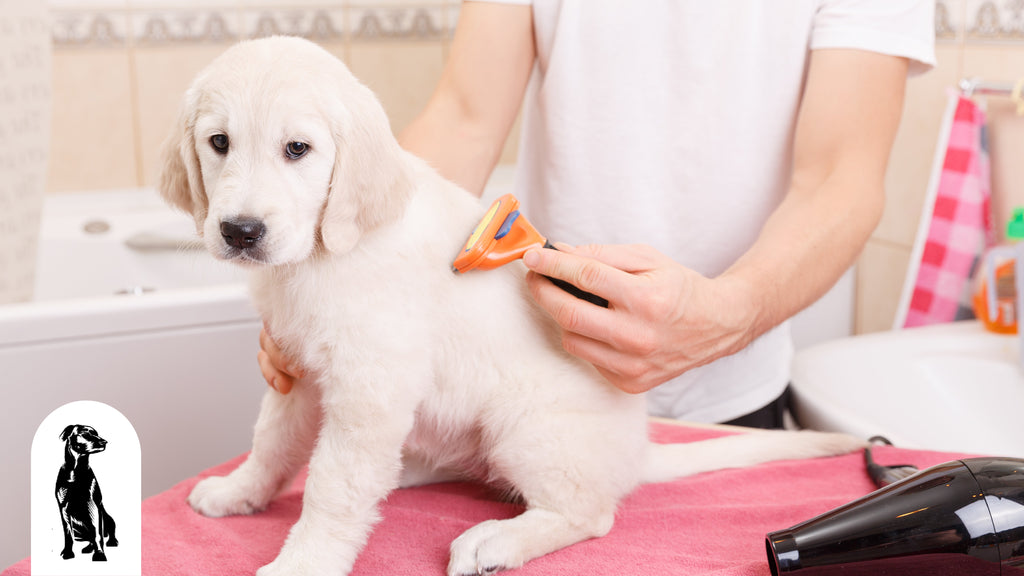
Imagine this: your dog is the star of the park, the one everyone stops to admire. A well-groomed dog not only looks fabulous but also feels great.
Grooming isn’t just about looking good; it’s about your pet’s health and happiness. You might be wondering how to achieve that perfect balance of shine and comfort. The good news? It’s easier than you think. Whether you’re dealing with tangles, shedding, or just a pooch that loves to roll in the mud, we’ve got you covered.
Dive into our guide on grooming your dog and uncover the secrets to keeping your furry friend looking and feeling their best. With the right tips and techniques, you’ll transform grooming from a chore into a bonding experience that you both enjoy. Ready to make your dog the envy of the neighborhood? Let’s get started!

Credit: www.primpedpooches.com
Choosing The Right Tools
Selecting the right grooming tools ensures your dog’s comfort and safety. Brushes, clippers, and nail trimmers suit different breeds and needs. Quality tools make grooming easier and more effective.
Choosing the right tools for grooming your dog is like selecting the perfect ingredients for a recipe. It can make the whole process smoother, more enjoyable, and effective. The right tools not only ensure your dog’s coat stays healthy and shiny but also help you maintain a strong bond with your furry friend during grooming sessions. Having struggled initially with the wrong tools, I quickly learned that investing in the right ones can save time and reduce stress for both you and your pet. What tools should you have on hand to make grooming a pleasant experience for everyone involved?Brushes And Combs
Brushes and combs are essential for maintaining your dog’s coat. Different breeds require different types of brushes. For instance, a slicker brush works wonders for dogs with long hair, such as Golden Retrievers, whereas a bristle brush is perfect for short-haired breeds like Beagles. Using the right brush not only detangles and removes loose hair but also distributes natural oils across your dog’s coat. It’s a relaxing experience for them and an opportunity for you to check for any skin issues or parasites. How often do you brush your dog, and is your current brush doing the job well?Clippers And Scissors
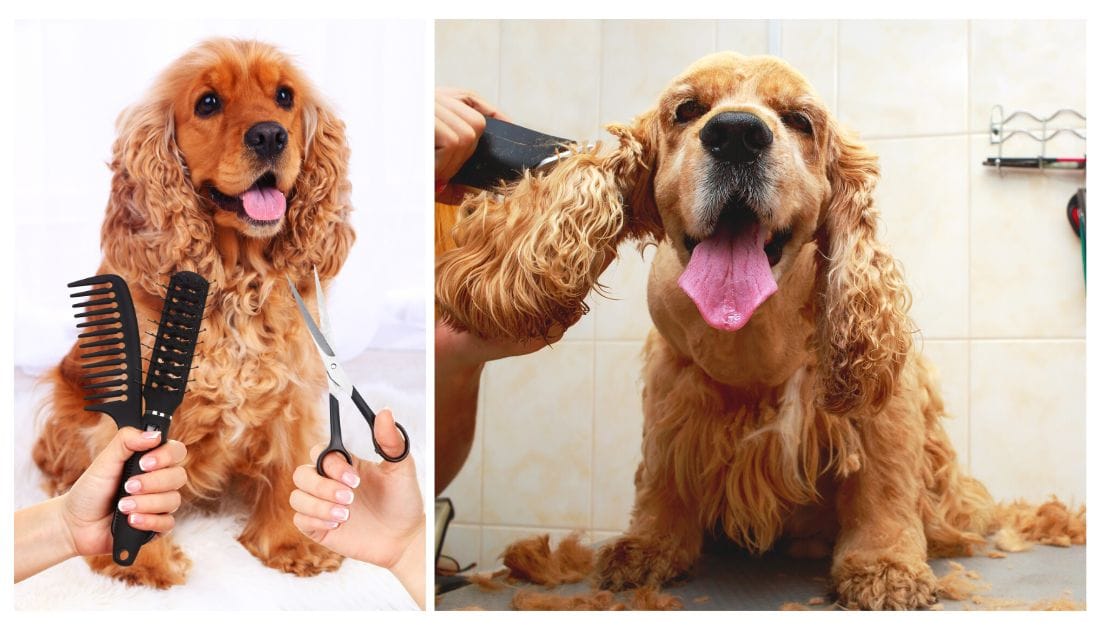
Clippers and scissors are vital for keeping your dog’s fur at a manageable length. Investing in a good quality clipper can save you a trip to the groomer and help keep your pet looking sharp. Ensure your clippers have adjustable blades to suit different lengths, especially if your dog has a thick or curly coat. Scissors are perfect for those finishing touches or trimming around sensitive areas like the ears and paws. Always go slow and steady, and remember, it’s better to trim less rather than cut too much. Do you feel confident using clippers, or do scissors seem more your style?Shampoos And Conditioners
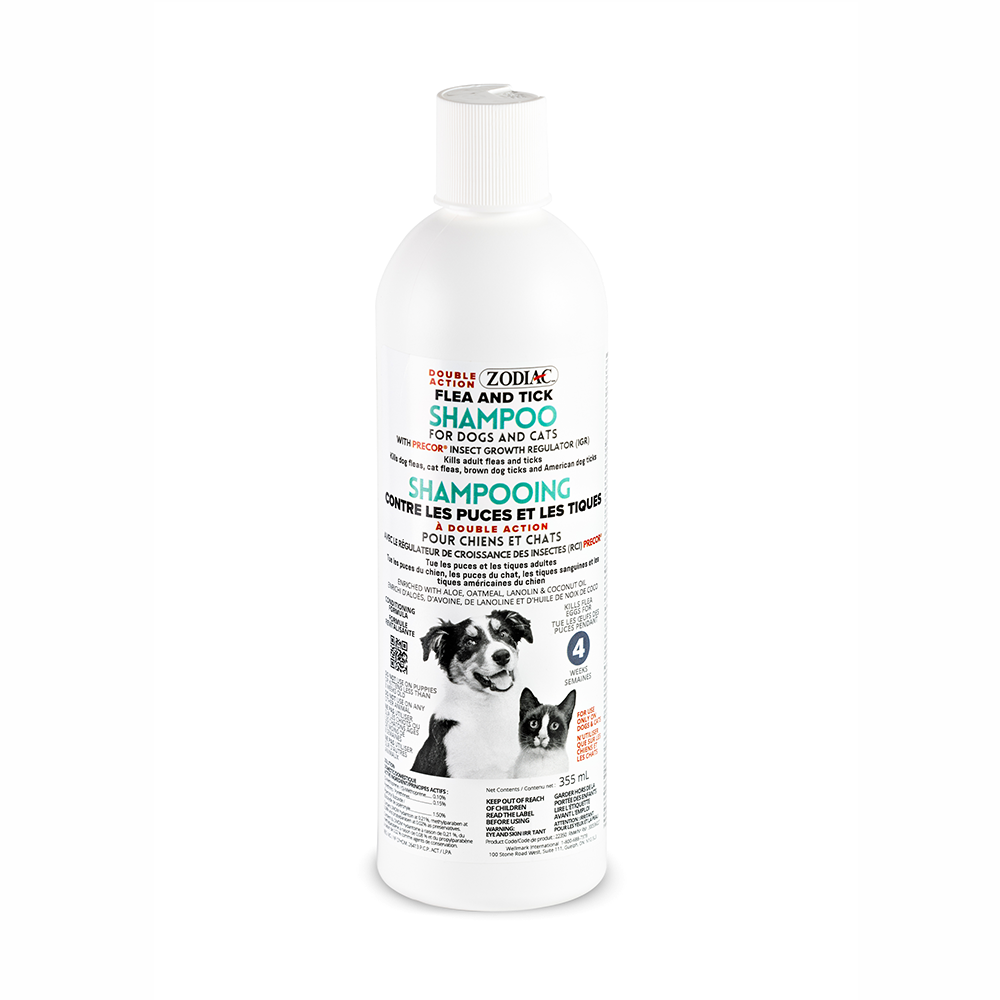
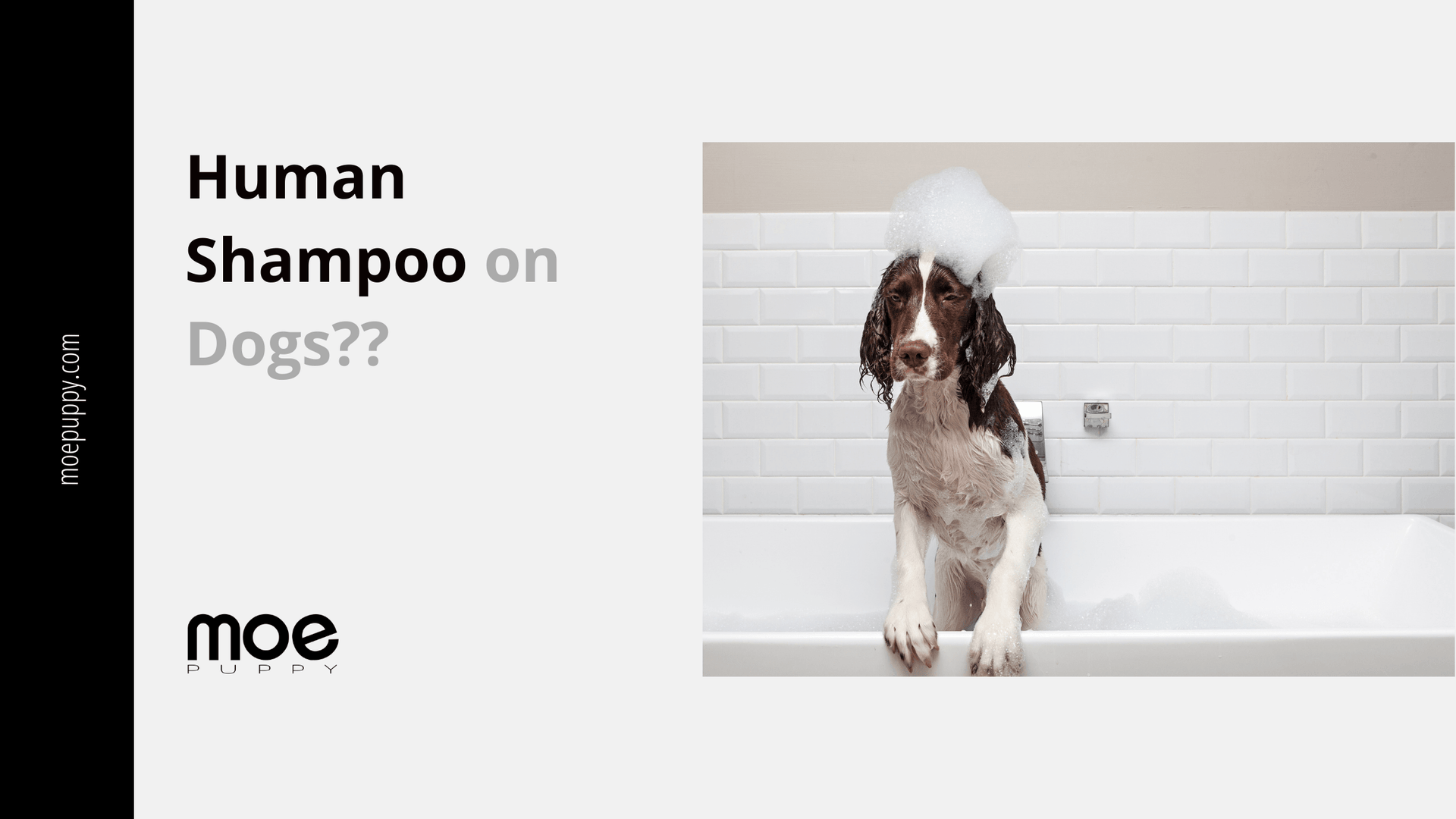
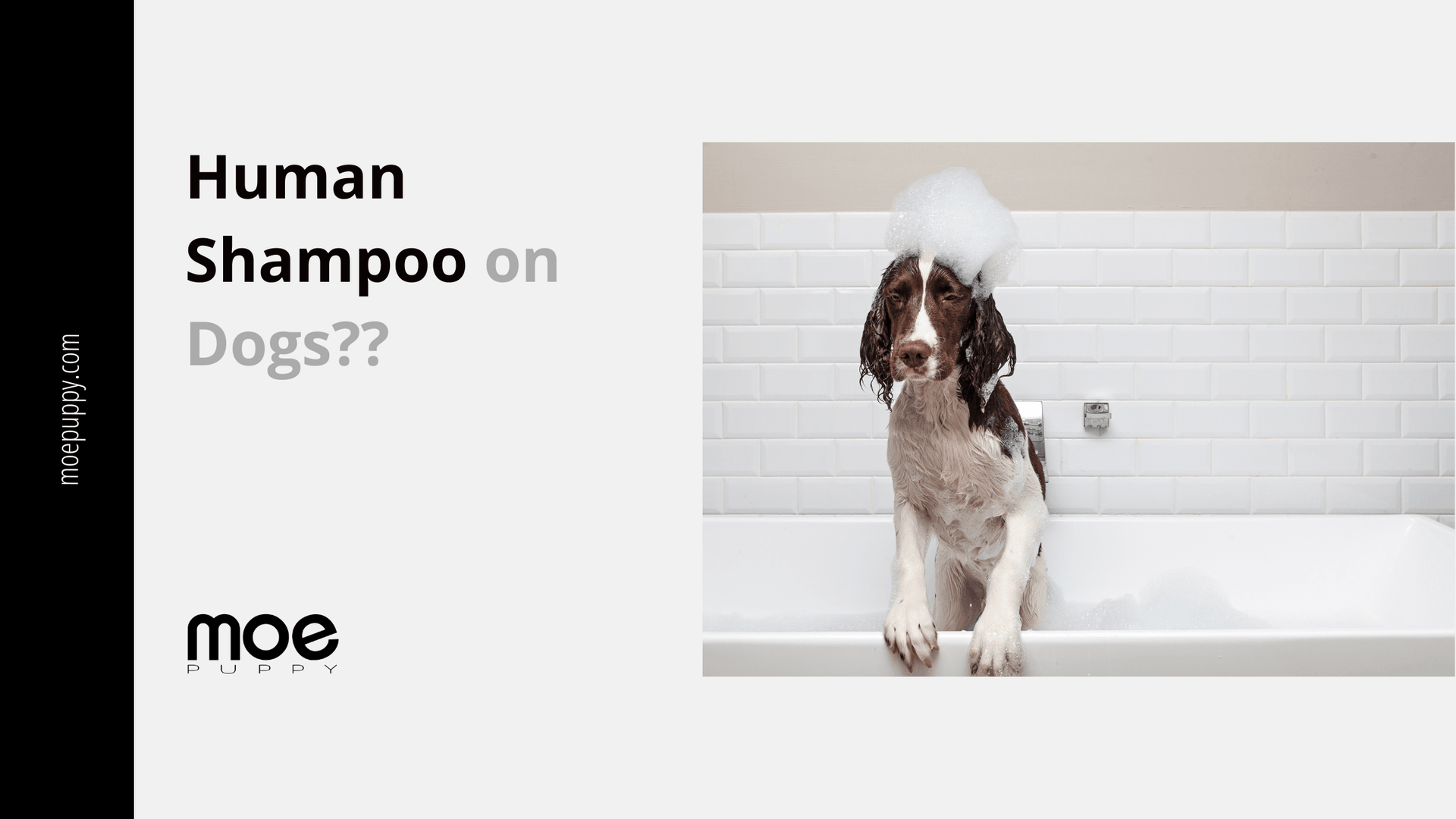
Choosing the right shampoos and conditioners is crucial for your dog’s skin and coat health. Always opt for products specifically designed for dogs, as their skin has a different pH balance compared to humans. If your dog has sensitive skin, hypoallergenic shampoos can be a lifesaver. Conditioners can add an extra layer of moisture, leaving your dog’s fur soft and manageable. Remember to rinse thoroughly to avoid any residue that could irritate your dog’s skin. Have you checked your dog’s shampoo lately? Is it the best choice for their coat type? By thoughtfully selecting the tools above, grooming becomes a joyful routine rather than a dreaded task. Your dog will thank you with a wagging tail and a shiny coat!Understanding Your Dog’s Coat
Understanding your dog’s coat is vital for proper grooming. Each dog has a unique fur type, influencing how they should be cared for. Knowing these differences helps in maintaining their health and appearance. Let’s explore the various fur types and special needs for different breeds.
Types Of Fur
Dogs have different fur types, affecting grooming needs. Some have short, smooth coats. Others have long, silky ones. Here are common fur types:
- Short Coat:Easy to maintain. Needs regular brushing.
- Double Coat:Thick undercoat and outer layer. Requires frequent grooming.
- Curly Coat:Dense, curly fur. Needs special care to prevent tangles.
- Wire Coat:Rough texture. Regular trimming is essential.
Special Needs For Different Breeds
Different breeds have unique grooming needs. Understanding these ensures their coat stays healthy. Here’s what to consider:
- Golden Retrievers:Regular brushing prevents matting.
- Poodles:Curly coats need professional grooming.
- Bulldogs:Short fur requires less grooming but check for skin issues.
- Siberian Huskies:Thick double coat needs frequent brushing.
Bathing Techniques
Grooming your dog involves gentle brushing to remove loose fur and dirt before bathing. Use lukewarm water to avoid discomfort and apply a dog-safe shampoo, working it into a lather. Rinse thoroughly to ensure no residue remains, and dry your pet with a towel or low heat dryer.
Bathing your dog can be an enjoyable bonding experience, offering them a fresh start and ensuring their coat stays healthy. However, mastering the art of dog bathing involves more than just soap and water. It requires preparation, technique, and care. Let’s dive into the essential steps of bathing techniques that will make this task a breeze for both you and your furry friend.Preparing The Bath
Before you start, gather all necessary supplies like dog shampoo, towels, and a non-slip mat. Consider the water temperature. Make sure it’s lukewarm to keep your dog comfortable. If you have a small dog, a bathtub or sink might be ideal. Larger dogs may require a garden hose or a shower.Step-by-step Bathing Guide
First, ensure your dog is calm. Offer treats as a positive reinforcement before you begin. Wet your dog thoroughly, avoiding the ears and eyes. Use a cup or hose for controlled water flow. Apply shampoo, starting from the neck and moving downwards. Gently massage it into their coat. Rinse your dog thoroughly to remove all shampoo residue, which can irritate the skin if left behind.Drying Methods
Choose between towel drying and using a blow dryer. If using a dryer, opt for a low heat setting. For towel drying, gently pat your dog’s coat instead of rubbing. This minimizes tangles and discomfort. Consider letting your dog shake off excess water outside if the weather permits. Do you notice your dog shivering after baths? Try warming the towels beforehand for added comfort.
Credit: m.youtube.com
Brushing And Combing
Regular brushing and combing keep your dog’s coat healthy and shiny. These grooming steps help prevent tangles and remove loose fur, ensuring a comfortable experience for your pet.
Grooming your dog is not just about keeping them looking their best; it’s essential for their health and well-being. Brushing and combing are fundamental components of this routine. They help remove dirt, prevent matting, and distribute natural oils throughout your dog’s coat, keeping it shiny and healthy. But how often should you do it, and are there specific techniques for different coat types?Frequency And Timing
How often you brush and comb your dog can depend on their breed and coat type. Dogs with longer coats may require daily brushing to prevent tangles and mats. Short-haired breeds might only need a good brushing once a week. It’s crucial to set a consistent routine. Consider brushing your dog after their daily walk or during a quiet evening at home. This not only maintains their coat but also provides an excellent opportunity for bonding. Have you tried setting a specific day for grooming, or do you play it by ear?Techniques For Different Coat Types
Different coat types require tailored techniques. For dogs with long hair, like a Shih Tzu, use a slicker brush to gently detangle and follow up with a comb to ensure no knots are left behind. For medium-coated breeds, such as Golden Retrievers, a combination of a bristle brush and an undercoat rake works wonders. It helps remove loose fur and reduces shedding. Short-haired dogs, like Beagles, benefit from a rubber curry brush that massages the skin and removes dead hair effortlessly. Each technique has its unique benefits, but the key is to be gentle and patient. Have you noticed a difference in your dog’s coat health when using these tailored techniques?Trimming And Styling
Grooming your dog is essential for their health and happiness. Trimming and styling help maintain their coat and boost their appearance. Each breed has unique grooming needs, so understanding these differences is key. With the right tools and techniques, you can keep your dog looking their best.
Safe Clipping Practices
Clipping your dog’s coat requires care and precision. Use sharp, clean tools to avoid pulling or snagging. Always clip in the direction of hair growth. This prevents discomfort and ensures smooth results. Be patient and calm, keeping your dog relaxed throughout the process.
- Use safety scissors for sensitive areas.
- Check for skin irritations before trimming.
- Trim slowly around the ears and paws.
Styling Tips For Various Breeds
Different breeds require tailored styling approaches. For long-haired breeds, regular trims prevent matting. Short-haired dogs benefit from a sleek, tidy finish. Understand your dog’s breed characteristics to enhance their natural beauty.
- Golden Retrievers: Feathered trims around the tail and legs.
- Poodles: Classic pom-poms on paws and tail.
- Terriers: Neat cuts to highlight their sturdy build.
Experiment with styles that suit your dog’s personality. Use accessories like bows or bandanas for extra flair. Tailor each grooming session to your dog’s comfort and style preferences.
Ear And Nail Care
Grooming your dog involves more than just a shiny coat. Ear and nail care are crucial for their health and well-being. Regular ear cleaning prevents infections and discomfort. Trimming nails avoids painful overgrowth and helps maintain proper walking posture. Let’s explore how to clean your dog’s ears safely and trim their nails effectively.
Cleaning Ears Safely
Check your dog’s ears weekly. Look for dirt or wax buildup. Use a vet-approved ear cleaner. Dampen a cotton ball with the solution. Gently wipe the outer ear. Avoid inserting anything deep into the ear canal. This can harm your dog’s sensitive ears. Praise your dog after cleaning. This reinforces positive behavior.
Nail Clipping Techniques
Trim your dog’s nails every 3-4 weeks. Use dog-specific nail clippers. Choose a quiet, calm space. Hold your dog’s paw firmly, but gently. Identify the quick – the pink area inside the nail. Avoid cutting the quick to prevent bleeding. Clip the nail at a slight angle. Trim small bits at a time. Reward your dog with a treat after trimming. This makes future sessions easier.
Handling Common Issues
Understanding your dog’s grooming needs can help tackle issues like shedding and mats. Regular brushing reduces tangles and keeps fur healthy. Address skin irritations by checking for fleas or allergies and use dog-friendly products.
Handling common issues while grooming your dog can turn a daunting task into a rewarding experience. It’s natural for every dog owner to face challenges like tangles, mats, and shedding. These issues can seem overwhelming, but with a bit of patience and the right techniques, you can tackle them effectively. Imagine the joy of seeing your dog prance around, looking and feeling great after a good grooming session!Dealing With Tangles And Mats
Tangles and mats can be a nightmare for both you and your furry friend. They can cause discomfort and even skin issues if not addressed promptly. Begin by using a detangling spray specifically designed for dogs. This will help loosen the knots and make brushing easier. Use a slicker brush or a comb with wide teeth to gently work through the tangles. Always start from the ends and work your way towards the skin to minimize pulling. If you encounter stubborn mats, consider using a mat splitter or scissors to carefully cut them out. Remember, patience is key. Rushing can lead to unnecessary pain and stress for your dog. Have you ever noticed how calm your dog becomes when you take things slow and gentle?Managing Shedding
Shedding is a natural process for dogs, but it can be managed effectively with regular grooming. Start by choosing the right brush for your dog’s coat type. For short-haired breeds, a bristle brush works wonders. For long-haired breeds, opt for an undercoat rake or a shedding blade. Make brushing a routine to prevent loose hair from spreading around your home. It’s not just about keeping your house clean; regular brushing stimulates the skin and promotes healthy hair growth. Consider adding omega-rich foods to your dog’s diet to improve coat health. A healthy coat sheds less, making your grooming task easier. Have you ever thought about how dietary changes can impact shedding? By addressing these common grooming issues, you not only enhance your dog’s appearance but also contribute to their overall health and happiness. Grooming can become a bonding experience, strengthening the connection between you and your canine companion.Professional Grooming
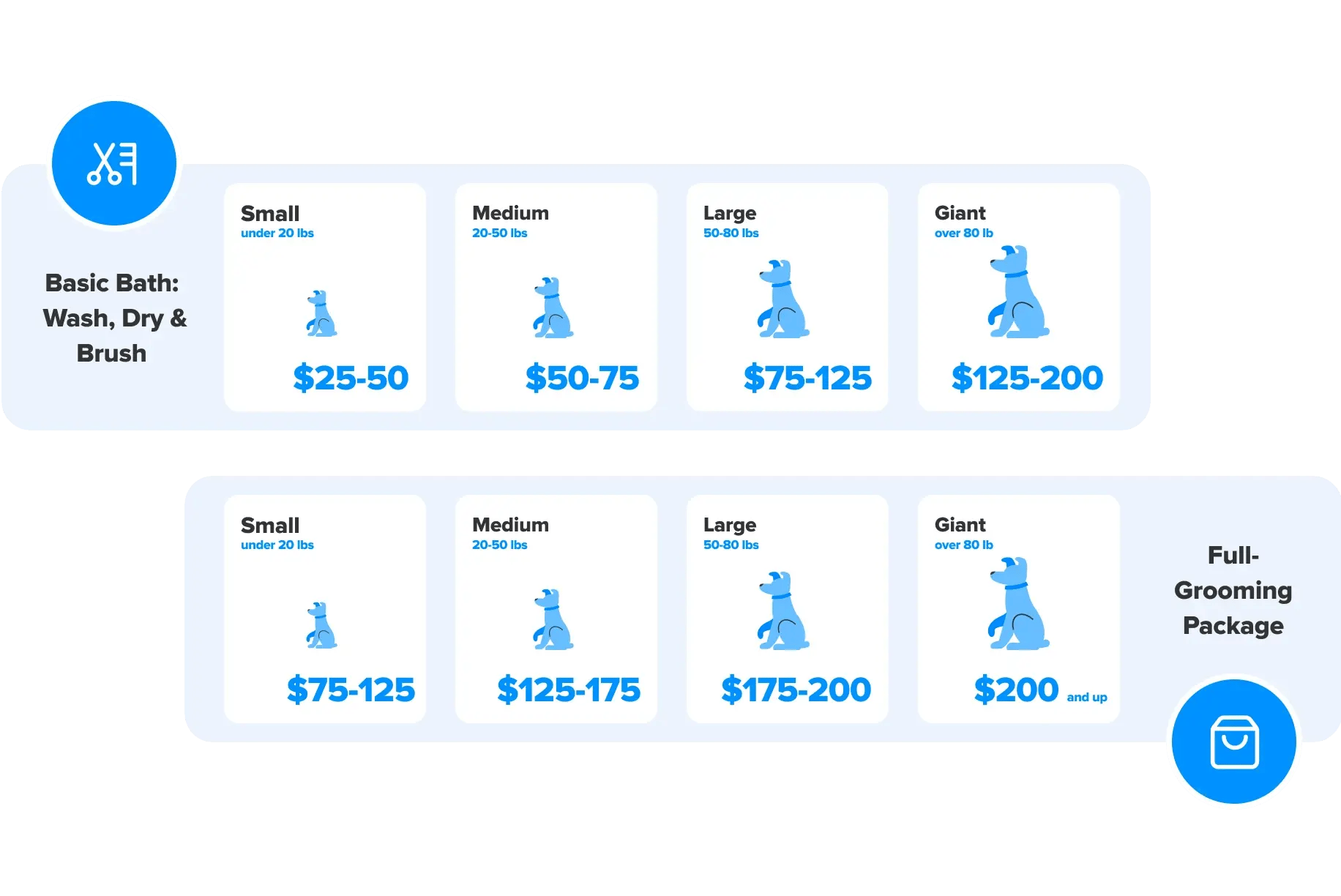
Grooming your dog is more than just a routine activity; it’s an essential part of keeping your furry friend healthy and happy. While regular home grooming can certainly help maintain your dog’s coat, there comes a time when professional grooming becomes necessary. Professional groomers have the expertise and tools to handle intricate grooming tasks that you might find challenging at home. But how do you know when it’s time to seek expert help, and how do you choose the right groomer for your pet?
When To Seek Expert Help
Have you ever found yourself struggling with a matted coat or tricky nail clipping? These are clear signs that your dog might benefit from professional grooming. Expert groomers can efficiently manage tasks such as removing tough mats, trimming nails with precision, and even styling coats according to breed standards.
Sometimes, your dog’s coat might require specialized attention, particularly if it’s prone to tangling or shedding. If your attempts at home result in frustration or discomfort for your pet, it might be time to consider professional assistance. Additionally, regular professional grooming can help catch potential health issues early, such as skin infections or parasites.
Choosing A Groomer
Finding the right groomer is crucial for ensuring your dog receives the best care possible. Start by asking for recommendations from fellow pet owners or your veterinarian. Personal experiences can provide valuable insights into the groomer’s skills and reliability.
When you visit a grooming salon, observe the environment. Is it clean and welcoming? Do the staff seem knowledgeable and friendly? A reputable groomer will be happy to answer questions about their services and experience. Look for certifications or affiliations with professional grooming associations, as these often indicate a commitment to quality and ongoing education.
Don’t forget to consider your dog’s comfort and temperament. A groomer who is patient and understanding can make the experience pleasant for even the most anxious pets. Remember, your dog’s grooming session should be a positive experience, not a stressful one.
Maintaining A Grooming Routine
Keeping your dog well-groomed is essential for their health and happiness. Regular brushing reduces shedding and prevents tangles. Bathing keeps their coat clean and shiny. Proper grooming also helps you spot any health issues early on.
Maintaining a Grooming Routine Creating a regular grooming routine for your dog is essential to keep them healthy and happy. It not only helps in managing their fur but also allows you to keep an eye on any skin issues or health problems. A well-maintained grooming schedule can also strengthen the bond between you and your furry friend.Creating A Schedule
Setting a grooming schedule is crucial for consistent care. Consider your dog’s breed and coat type to determine how often they need grooming. You might opt for weekly brushing if your dog has a longer coat, while shorter-haired breeds may need less frequent attention. Pick days and times that fit easily into your routine, ensuring you won’t skip it due to busy days.Tips For Consistency
Consistency is key to maintaining a grooming routine. Start by associating grooming with positive experiences to make it enjoyable for your dog. Have you ever noticed how your dog perks up when you bring out their favorite treat? Use this to your advantage during grooming sessions to create a positive association. Set reminders on your phone or calendar to keep you on track. Think about how you can make grooming a fun bonding time rather than a chore. What small changes could you make to ensure you never miss a session?
Credit: www.youtube.com
Frequently Asked Questions
How Often Should You Groom Your Dog?
Grooming frequency depends on your dog’s breed, coat type, and lifestyle. Generally, most dogs benefit from grooming every 4-6 weeks. Regular grooming helps maintain their coat health and reduces shedding. Consult your vet for a personalized grooming schedule.
What Tools Do You Need For Dog Grooming?
Basic grooming tools include a brush, comb, nail clipper, and dog-friendly shampoo. For specific breeds, you may need specialized tools like clippers or de-shedding tools. Always choose high-quality grooming tools to ensure your dog’s safety and comfort.
How Do You Bathe A Dog Properly?
Start by brushing your dog to remove loose fur and tangles. Use lukewarm water and a dog-specific shampoo. Rinse thoroughly to avoid residue. Dry your dog with a towel or pet dryer. Ensure the bath area is safe and non-slip to prevent accidents.
Why Is Regular Grooming Important For Dogs?
Regular grooming promotes healthy skin, reduces shedding, and prevents matting. It also helps detect skin issues or parasites early. Grooming is essential for maintaining your dog’s overall hygiene and well-being. Regular grooming sessions strengthen the bond between you and your pet.
Conclusion
Grooming your dog strengthens your bond. Regular brushing keeps fur healthy. Bathing removes dirt and odors. Nail trimming prevents discomfort. Clean ears stop infections. Teeth brushing ensures fresh breath. Proper grooming boosts your dog’s happiness. It promotes good health. Start grooming with gentle care.
Your dog will love the attention. Build a routine that fits your schedule. Simple steps make a big difference. Trust your instincts. Your dog depends on you. Enjoy the process. Your dog will thank you with wagging tails. Happy grooming leads to happy dogs.
Make grooming a joyful experience for both.

Similar Posts