How to Help Dry Skin in Dogs: Proven Care Tips
Senior Canine Nutritionist & Dog Behavior Specialist at Cozy Dog Go Wellness Lab

Is your furry friend constantly scratching or looking uncomfortable? Dry skin can be a common issue for dogs, but thankfully, there are effective ways to help.
Imagine your dog feeling relief and comfort, free from the itch and irritation. Understanding how to care for your dog’s skin can transform their well-being and your peace of mind. You might be wondering what causes dry skin in dogs and how you can help.
The answers could be simpler than you think, and making a few adjustments can lead to a happier, healthier pup. Keep reading to uncover practical solutions that will not only soothe your dog’s skin but also strengthen your bond with them. Discover how small changes can make a big impact on your dog’s comfort and happiness.

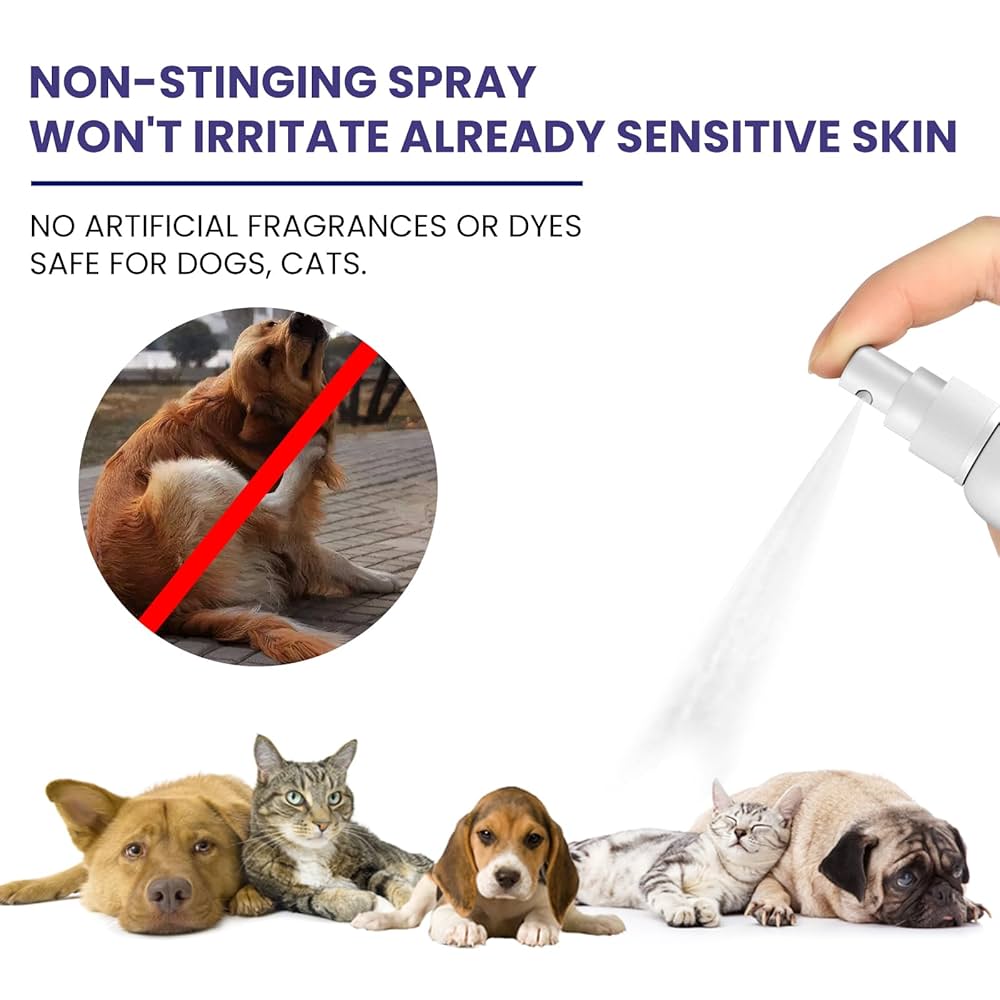
Credit: squishface.com
Causes Of Dry Skin In Dogs
Environmental factors like cold weather and low humidity often lead to dry skin in dogs. Allergies and poor nutrition can also contribute to this condition.
Understanding the causes of dry skin in dogs is essential for ensuring your furry friend stays comfortable and itch-free. Dry skin can be more than just an annoyance—it can lead to further skin problems if left untreated. Let’s explore the various factors contributing to this common issue.Environmental Factors
The environment plays a significant role in your dog’s skin health. Dry air, particularly during winter months when heating systems are in full swing, can strip moisture from your dog’s skin. If you notice your dog’s skin becoming flaky during certain seasons, consider adding a humidifier to your home to maintain moisture levels. Exposure to harsh weather conditions can also affect your dog’s skin. Wind, cold, and sun can all contribute to dryness. Keeping your dog protected with appropriate clothing or limiting exposure during extreme weather can make a big difference.Dietary Influences
What your dog eats directly impacts their skin health. A diet lacking in essential fatty acids, like omega-3 and omega-6, can lead to dry skin. Ensuring your dog’s diet includes high-quality food with these nutrients can help maintain healthy skin. Sometimes, even the most well-intentioned dietary choices can lead to skin issues. Low-quality dog foods with fillers and artificial ingredients might not provide the necessary nutrients. You might want to consult your vet about supplementing with fish oil or choosing a more balanced diet.Allergies And Sensitivities
Allergies are a common culprit of dry skin in dogs. They can be triggered by various factors, including pollen, dust mites, and even certain foods. If your dog frequently scratches or has red, irritated skin, it could be worth investigating potential allergens. Identifying the specific allergy can be tricky but worth the effort. Have you considered keeping a diary of your dog’s diet and environment to pinpoint triggers? Allergy testing through your vet can also provide valuable insights.Underlying Health Issues
Dry skin may be a symptom of a more serious health problem. Conditions like hypothyroidism or Cushing’s disease can manifest through skin issues. Regular check-ups with your vet can help catch these conditions early. Skin infections and parasites like mites or fleas can also cause dryness and irritation. A thorough examination by a vet can rule out these issues and provide appropriate treatment if necessary. By understanding these causes, you can take proactive steps to ensure your dog’s skin stays healthy and hydrated. Have you checked your dog’s environment, diet, and health recently? Taking a holistic approach can make all the difference in keeping your pup comfortable and happy.Identifying Dry Skin Symptoms
Dogs with dry skin may show signs like itching, redness, or flakes. Regular moisturizing shampoos and balanced diets can help soothe their skin. Keep their environment humid to prevent further dryness.
Identifying Dry Skin Symptoms Dry skin in dogs can be uncomfortable and even distressing for your furry friend. Understanding and identifying the symptoms is the first step in providing effective relief. By knowing the signs, you can better tailor your approach to help your dog feel more comfortable.Visible Signs
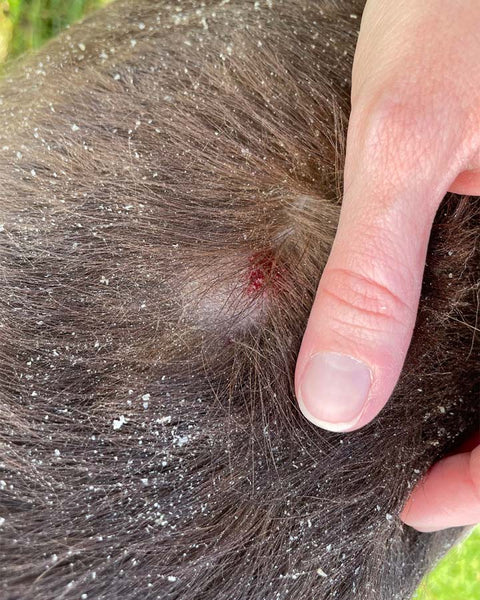
Start by observing your dog’s skin closely. Are there flaky patches or dandruff-like flakes? These could be signs of dry skin. Notice any redness or irritation as well; these can indicate inflammation due to dryness. Look at your dog’s coat. Is it looking dull or lifeless? A healthy dog’s coat should be shiny and smooth. If it’s not, dry skin might be the culprit.Behavioral Indicators
Your dog’s behavior can also hint at skin issues. Is your dog scratching more than usual? Excessive scratching or licking can signal dry skin discomfort. Pay attention to any change in their routine. Are they avoiding certain areas like grass or carpet? This could be because these surfaces are irritating their skin.Common Misconceptions
It’s easy to mistake dry skin for other conditions. Many people assume that all skin problems are due to allergies. While allergies can cause skin issues, dry skin is often overlooked. Some believe that a change in diet will solve all skin problems. While diet is important, it’s not always the sole solution for dry skin. You might need additional topical treatments or changes in your dog’s environment. Understanding these symptoms can pave the way to effective care. So, what should you look for next time you cuddle your pet?Effective Home Remedies
Is your furry friend’s skin feeling more like sandpaper than a smooth coat of fur? Dry skin in dogs can be uncomfortable and frustrating. The good news is, you don’t always need to rush to the vet or the pet store for solutions. There are plenty of effective home remedies that can help soothe your dog’s dry skin. Let’s explore some practical options you can try right in the comfort of your home.
Natural Oils
Natural oils are a great way to nourish your dog’s skin. Coconut oil, for instance, is a popular choice because it has moisturizing properties and is safe for dogs to ingest if they lick their fur. You can gently massage a small amount into your dog’s skin, focusing on dry patches.
Olive oil is another option that can be added to your dog’s diet. Just a teaspoon mixed into their food can provide essential fats that help hydrate the skin. Have you noticed how your dog’s coat shines after an olive oil treatment?
Oatmeal Baths
Oatmeal isn’t just for breakfast; it’s a natural skin soother. An oatmeal bath can relieve itchy and dry skin in dogs. Simply grind plain oatmeal into a fine powder and mix it into a warm bath.
Let your dog soak in the oatmeal-infused water for about 10-15 minutes. The oatmeal acts as an anti-inflammatory and can ease irritation. Remember to rinse your dog thoroughly afterward to avoid any residue.
Humidifiers
A dry environment can exacerbate your dog’s skin issues. Using a humidifier can add moisture back into the air, which benefits both you and your pet. Place a humidifier in the room where your dog spends most of their time.
Have you ever noticed how dry your own skin feels during winter? Just like us, dogs can benefit from a more humid atmosphere. Regular use of a humidifier can prevent their skin from drying out further.
Which remedy will you try first? Each of these options is a step towards comfort and relief for your dog. Remember, consistency is key. Your furry friend will thank you for the extra care!

Credit: petfriendlybox.com
Dietary Adjustments
Dry skin in dogs can be uncomfortable for your furry friend. Making dietary adjustments can help improve their skin health. Proper nutrition provides essential nutrients that support skin hydration and elasticity. Focus on incorporating key nutrients into your dog’s diet to combat dryness effectively.
Essential Fatty Acids
Essential fatty acids are vital for healthy skin. Omega-3 and Omega-6 fatty acids help reduce inflammation and promote moisture retention. Include fish oil or flaxseed oil in your dog’s meals. These oils are rich in beneficial fatty acids. They help soothe dry skin and improve coat texture.
Hydration Importance
Hydration is crucial for maintaining skin moisture. Ensure your dog has access to fresh, clean water throughout the day. Wet dog food can also contribute to their water intake. It provides additional moisture compared to dry kibble. Proper hydration supports skin health and prevents dryness.
Quality Food Choices
Choose high-quality dog food with natural ingredients. Foods rich in vitamins and minerals support skin health. Look for products with antioxidants and vitamins like E and A. Avoid fillers and artificial additives that may irritate the skin. Quality food choices enhance overall wellness and skin condition.
Professional Treatments
Dry skin in dogs can cause discomfort and irritation. Professional treatments include moisturizing shampoos, omega-rich diets, and regular vet check-ups. Addressing environmental factors also helps maintain healthy skin.
Professional treatments can significantly improve dry skin in dogs. These treatments often target the root cause of the problem. They are usually more effective than home remedies. They provide long-lasting relief. Seeking professional advice ensures your dog gets the best care.Veterinary Consultation
A vet can diagnose the exact cause of dry skin. This helps in choosing the right treatment. Vets have access to various tests to identify skin issues. They may perform skin scrapings or blood tests. These tests reveal underlying health problems. Consultations can prevent conditions from worsening.Medicated Shampoos
Vets often recommend medicated shampoos for dry skin. These shampoos contain special ingredients. They soothe irritation and reduce inflammation. They help restore moisture to the skin. Medicated shampoos are usually prescribed after a thorough examination. Regular use can make a noticeable difference.Prescription Diets
Prescription diets can improve a dog’s skin health. They are formulated to boost skin moisture. These diets contain essential fatty acids. Omega-3 and omega-6 acids support skin hydration. They improve overall health. Vets may recommend specific brands. Diet adjustments can lead to healthier skin.Preventative Measures
Regular grooming can help protect a dog’s skin from dryness. Choose a gentle shampoo that retains natural oils. Providing a balanced diet rich in essential fatty acids can also promote healthy skin.
Preventative measures are crucial in managing your dog’s dry skin. By focusing on regular routines and healthy habits, you can help keep your furry friend’s skin in top condition. Let’s explore some actionable steps you can take.Regular Grooming
Regular grooming is essential for maintaining healthy skin in dogs. Brushing your dog not only keeps their coat tidy but also stimulates blood circulation and distributes natural oils. This can prevent dryness and flakiness. Use a brush suitable for your dog’s coat type, and consider setting a weekly schedule to make grooming a habit.Balanced Nutrition
A well-balanced diet plays a significant role in skin health. Ensure your dog’s diet includes essential fatty acids like Omega-3 and Omega-6, known for their skin-boosting properties. High-quality dog food often contains these nutrients, but you can also add fish oil or flaxseed oil to their meals.Routine Check-ups
Regular vet visits can help detect skin issues before they become serious. A vet can provide insights into any underlying health problems contributing to dry skin. Ask your vet about allergy testing or specific skin treatments that might benefit your dog. Taking these steps can make a world of difference in your dog’s comfort and happiness. Have you noticed any positive changes after implementing these measures? Your dog’s skin health journey might inspire others to make similar changes!
Credit: visapoint.travel
Frequently Asked Questions
What Causes Dry Skin In Dogs?
Dry skin in dogs can result from various factors, including allergies, environmental conditions, or poor diet. Sometimes, parasites like fleas or mites can also lead to skin dryness. It’s crucial to identify the root cause to provide appropriate treatment and improve your dog’s skin health.
How Can I Treat My Dog’s Dry Skin?
Treating dry skin in dogs involves moisturizing, improving diet, and regular grooming. Use dog-specific moisturizers and shampoos designed for sensitive skin. Adding omega-3 fatty acids to their diet can help improve skin condition. Regular brushing removes dead skin and stimulates natural oil production.
Is Dry Skin In Dogs Serious?
Dry skin can lead to discomfort and secondary infections if left untreated. It is important to address the issue promptly. Severe dryness may indicate underlying health problems that require veterinary attention. Monitoring your dog’s skin health is essential to ensure overall well-being.
What Are Home Remedies For Dry Skin In Dogs?
Home remedies include using coconut oil or oatmeal baths to soothe dry skin. Coconut oil moisturizes and provides relief. Oatmeal baths can reduce itching and irritation. Ensure your dog has a balanced diet and stays hydrated. Always consult your vet before trying new remedies.
Conclusion
Caring for your dog’s dry skin is important. Regular checks keep skin healthy. Use dog-friendly moisturizers for relief. Bathe with mild shampoos to prevent irritation. Provide a balanced diet for skin health. Keep them hydrated with fresh water. Consider supplements like fish oil.
Consult a vet for persistent issues. Simple steps ensure your dog’s comfort. Happy dogs mean happy owners. Stay attentive and responsive to their needs. Your furry friend will thank you with wagging tails and joyful barks. Dry skin doesn’t have to be a problem.
Just a little care goes a long way.

Similar Posts