How to Use Dog Nail Trimmers: Tips for Stress-Free Grooming
Your furry friend’s comfort and health are a top priority, and taking care of their nails is a crucial part of that. You might feel a bit anxious about trimming your dog’s nails, but don’t worry—you’re not alone.
Many pet owners share the same concern. Imagine your dog walking with ease, no more clicking sounds on the floor or potential nail-related injuries. By learning how to use dog nail trimmers properly, you can make nail trimming a stress-free experience for both you and your pet.
This guide will walk you through the steps, ensuring you feel confident and your dog feels comfortable. Ready to discover the secrets to a smooth nail trimming session? Let’s dive in!

Credit: mypetcommand.com
Choosing The Right Nail Trimmer
Choosing the right nail trimmer for your dog is crucial to making the grooming process smooth and stress-free. The perfect trimmer can prevent unnecessary discomfort and even injuries. But with so many options available, how do you know which is the best fit for your furry friend?
Types Of Dog Nail Trimmers
Dog nail trimmers come in several types, each designed for specific needs and preferences.
- Scissor Clippers:These are ideal for large dogs with thick nails. They work much like regular scissors and offer a powerful cut.
- Guillotine Clippers:Best suited for small to medium-sized dogs. You place the nail in a small hole and squeeze the handle to trim.
- Grinders:These are electric tools that file down the nail. They are great for dogs who are sensitive to clippers, providing a gradual trim.
Each type has its pros and cons, so it’s important to match the tool with your dog’s size and nail texture.
Factors To Consider
When picking a nail trimmer, think about the comfort and safety of both you and your dog.
- Size and Breed:A large dog with tough nails might need a scissor clipper, while a small breed could do well with a guillotine clipper.
- Ease of Use:Look for ergonomic designs that offer a comfortable grip. Your hand should not tire easily during the process.
- Safety Features:Some trimmers come with quick-guards to prevent cutting too far and hurting the dog. These can be lifesavers if you’re new to trimming.
- Noise Level:If your dog is sensitive to noise, a quiet grinder might be the way to go, reducing anxiety and stress.
Consider your dog’s temperament as well. Is your dog calm during grooming, or do they squirm and fuss? The right tool can make a significant difference in these scenarios.
Ultimately, the key is to choose a trimmer that suits your dog’s specific needs and your comfort level. Have you found the perfect nail trimmer for your dog yet? Exploring different options might just lead you to the ideal match!
Preparing Your Dog For Nail Trimming
Introduce your dog to nail trimmers slowly to reduce anxiety. Use treats and gentle praise to build positive associations. Trim nails calmly, ensuring the right angle to prevent injury.
Preparing your dog for nail trimming is an essential step that can make the process smoother and stress-free for both you and your furry friend. It’s about creating a comfortable and familiar experience so your dog feels safe and relaxed. This preparation not only prevents anxiety but also builds trust between you and your dog, making nail trimming a routine rather than a battle.Creating A Calm Environment
Start by choosing a quiet space where your dog feels at ease. Avoid noisy areas or places with too many distractions. Consider turning on some soft music to calm both you and your dog. Lighting should be just right – not too bright, but enough for you to see clearly. Why not make this a bonding moment? Speak to your dog in a soothing voice and reward them with gentle pets. A cozy blanket or their favorite toy can add a sense of familiarity and comfort.Familiarizing Your Dog With The Trimmer
Introduce the nail trimmer slowly to your dog. Let them sniff and inspect it while you hold it calmly. Show them there’s nothing to fear by using treats and positive reinforcement. Why not make a game out of it? Each time they touch the trimmer, reward them with a treat. Handle the trimmer near their paws without actually trimming to get them used to the feeling. Do this regularly until your dog appears relaxed and unbothered by its presence. By creating a calm environment and familiarizing your dog with the trimmer, you set the stage for a stress-free nail trimming experience. Have you tried these methods before? If not, give them a shot and see how your dog responds.Step-by-step Trimming Guide
Trimming your dog’s nails can seem daunting. With the right guidance, it becomes easy. A step-by-step approach ensures safety and comfort for both you and your furry friend. Follow this trimming guide to make nail care a breeze.
Positioning Your Dog
Choose a calm environment. Ensure your dog is comfortable. Use treats to keep them happy. Sit them on your lap or the floor. Hold their paw gently but securely. This helps reduce anxiety.
Trimming Technique
Use sharp dog nail trimmers. Hold the trimmer perpendicular to the nail. Trim small parts, not large chunks. Make sure the cuts are smooth. This prevents splits and cracks. Trim slowly and check often.
Avoiding The Quick
The quick is a sensitive part of the nail. It’s pink and contains nerves. Cutting the quick causes pain and bleeding. Trim just before the quick. Look for a lighter, hollow area in the nail. This is a safe trimming spot.
Tips For Stress-free Grooming
Grooming your dog’s nails doesn’t have to be stressful. With the right approach, you can make this task enjoyable. Here are some tips to ensure stress-free nail trimming for both you and your furry friend.
Using Positive Reinforcement
Positive reinforcement can make a big difference. Use treats or praise to encourage calm behavior. Reward your dog when they allow you to handle their paws. This builds trust and makes future grooming sessions easier. Make sure to use their favorite treat. This will keep them excited and cooperative during the process.
Breaks And Patience
Patience is key during grooming. If your dog gets anxious, take breaks. Short sessions prevent stress and discomfort. Allow your dog to relax between trims. This approach helps them associate the activity with calmness. Remember, rushing can lead to mistakes or injury. Slow and steady wins the race.
Handling Common Challenges
Handling Common Challenges Ease your dog’s discomfort during nail trimming with patience and treats. Choose the right trimmers for safe cuts. Trim slowly to avoid hurting the quick, ensuring a stress-free experience for both you and your pet.
Handling dog nail trimming challenges can be daunting. Many pet owners face common issues while trying to keep their dog’s nails healthy and well-maintained. Understanding these challenges and finding effective solutions makes the process smoother and less stressful for both you and your furry friend.Dealing With Anxiety
Dogs often feel anxious during nail trimming sessions. This anxiety can stem from previous bad experiences or fear of the unknown. To ease your dog’s stress, create a calm environment. Use soothing words and gentle touches to reassure them. Familiarize your dog with the nail trimmer. Let them sniff and explore it before you start trimming. Gradually introduce the trimmer in short sessions. Reward your dog with treats and praise for remaining calm. This positive reinforcement encourages a relaxed atmosphere, making future trims easier.Managing Overgrown Nails
Overgrown nails can be painful for dogs and lead to other health issues. To manage long nails effectively, patience is key. Trim a small portion of the nail at a time. Avoid cutting too close to the quick, which can cause bleeding. Use a sharp trimmer for precise cuts. Regularly check and trim nails to prevent them from becoming too long. For severely overgrown nails, it may take several sessions to reach a healthy length. Consistent trimming helps maintain proper nail length and keeps your dog comfortable.
Credit: happytailpuppies.com
Post-trimming Care
Ensure your dog’s comfort by gently smoothing rough edges after trimming. Apply pet-safe ointment to soothe their paws. Regularly check for signs of irritation or infection, keeping nails clean and healthy.
Post-trimming care is essential for maintaining your dog’s nail health and ensuring they feel comfortable after a grooming session. Paying attention to a few key areas can make all the difference in your dog’s overall experience. By following these steps, you can ensure that your furry friend stays happy and healthy.Inspecting For Injuries
After trimming your dog’s nails, take a moment to inspect each nail for any signs of injury. Look for cracks, splits, or bleeding, as these could cause discomfort or lead to infections. If you notice any issues, clean the affected area gently and consider consulting your vet for further advice. Your dog may not always show pain immediately, so observe their behavior over the next few days. If you see them licking their paws more than usual, it might be a sign of discomfort. Keeping an eye on these small details can prevent bigger problems later.Cleaning And Storing The Trimmer
Once you’ve finished trimming, it’s crucial to clean your nail trimmer properly. Use a damp cloth to wipe off any nail debris and sanitize the blades with alcohol. This ensures your trimmer stays hygienic and ready for the next use. Store your trimmer in a dry, safe place where it won’t be damaged or cause injuries. Consider using a dedicated grooming kit box to keep everything organized. By taking care of your tools, you’re also taking care of your pet’s grooming needs.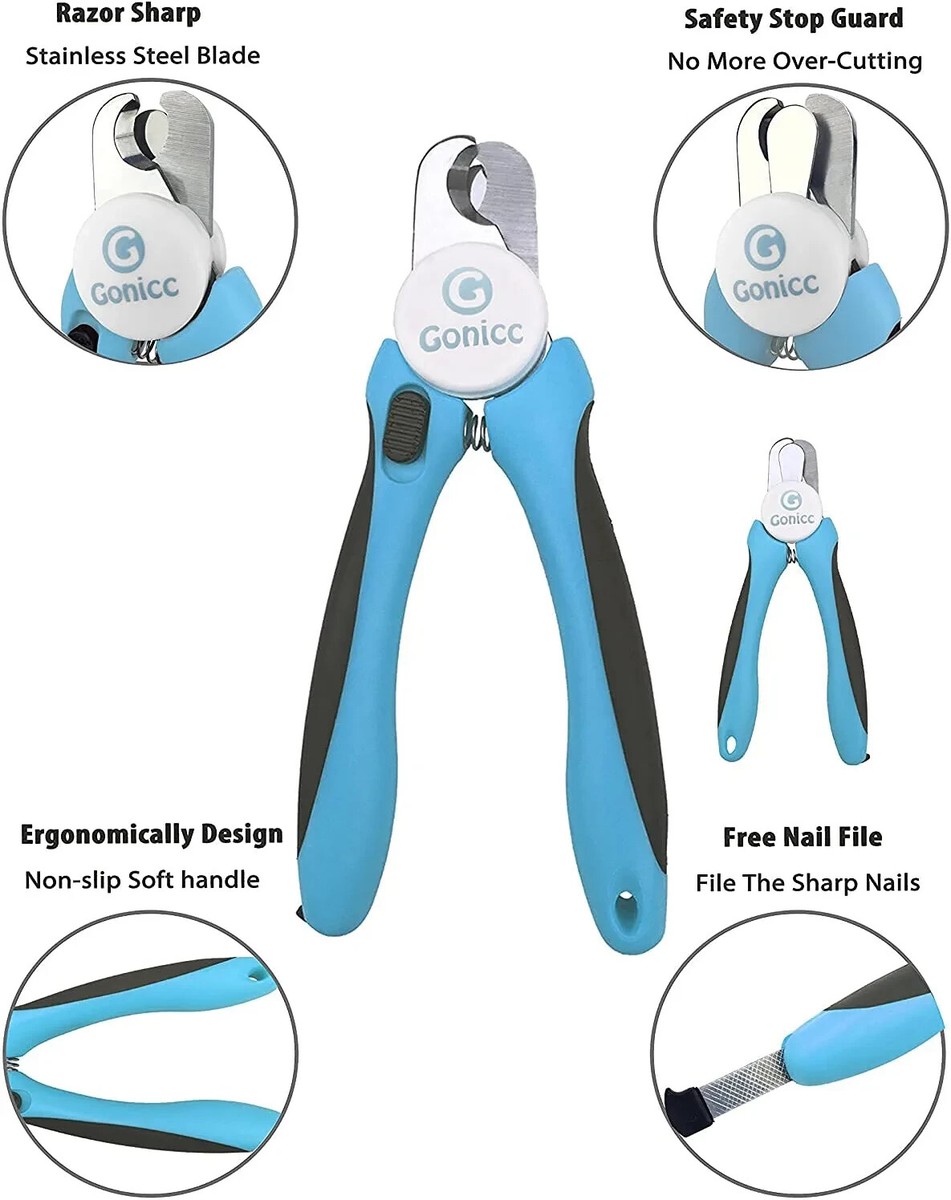
Credit: collegeofems.com
Frequently Asked Questions
What Are The Types Of Dog Nail Trimmers?
Dog nail trimmers come in guillotine, scissors, and grinder types. Guillotine trimmers are best for small dogs. Scissors trimmers suit large or thick nails. Grinders provide a smoother finish and are good for dogs scared of clipping.
How Often Should I Trim My Dog’s Nails?
Trim your dog’s nails every 3-4 weeks, depending on their activity level. Active dogs may wear down nails naturally. Regular trimming prevents discomfort and health issues. Check nail length regularly to ensure your dog’s comfort.
Can I Use Human Nail Clippers On Dogs?
Human nail clippers are not suitable for dogs. They may cause splitting and discomfort. Dog nail trimmers are specifically designed for canine nails. Use proper dog nail trimmers for safe and effective grooming.
How Do I Calm My Dog During Nail Trimming?
To calm your dog, start slowly with positive reinforcement. Use treats and soothing words. Gradually introduce the trimmer and let your dog sniff it. Take breaks if your dog shows signs of stress, ensuring a comfortable experience.
Conclusion
Properly trimming your dog’s nails keeps them healthy and comfortable. Regular nail care prevents pain and injury. Choose the right trimmer for your dog’s size. Always ensure the blades are sharp. Calm your dog with gentle words and treats. Trim little by little to avoid cutting too deep.
Look for the quick to prevent bleeding. Practice makes the process easier over time. Make nail trimming a positive experience. Your dog will appreciate the care. Consistent grooming strengthens your bond with your furry friend. Now, you’re ready to keep your dog’s paws in top shape.