Is Dog Shampoo Safe for Cats: Unveiling the Truth
Senior Canine Nutritionist & Dog Behavior Specialist at Cozy Dog Go Wellness Lab

Have you ever found yourself staring at a bottle of dog shampoo, wondering if it could be used on your cat? You’re not alone.
Many pet owners face this dilemma, especially when their feline friends are in desperate need of a bath and dog shampoo is the only option on hand. Before you make a decision, it’s essential to understand the potential risks and benefits.
After all, your cat’s health and comfort are at stake. We’ll delve into the differences between dog and cat shampoos and explore whether using dog shampoo on your cat is truly safe. By the end, you’ll have all the information you need to make the best choice for your furry companion. Let’s uncover the truth together!
Credit: www.reddit.com
Ingredients In Dog Shampoo
Understanding the ingredients in dog shampoo is crucial when considering its safety for your feline friend. Dog shampoos are specifically formulated for canines and can have components that are harmless to dogs but potentially harmful to cats. Knowing what these ingredients are can help you make informed decisions about your pet’s grooming needs.
Common Components
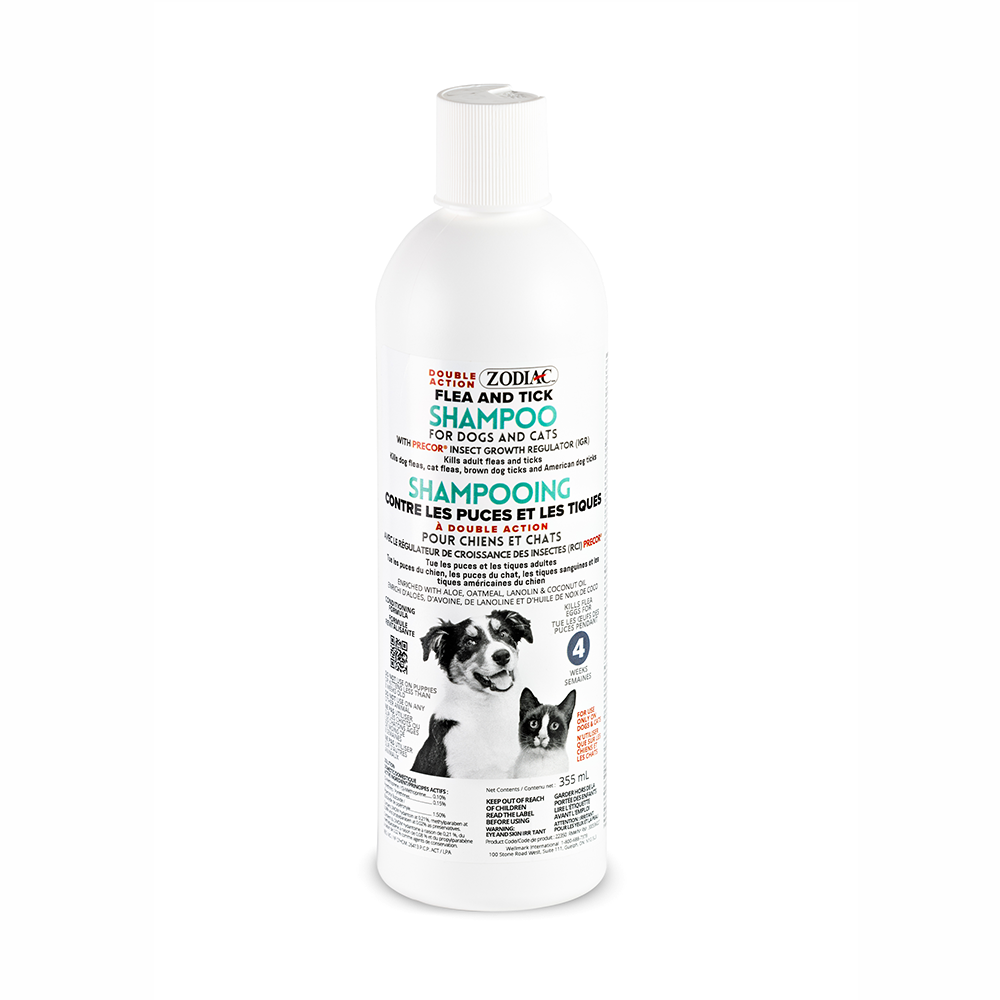
Dog shampoos often contain ingredients such as flea and tick repellents, fragrances, and moisturizers. These might include pyrethrins, which are safe for dogs but can be toxic to cats. Additionally, artificial fragrances and essential oils are commonly found, which can cause allergic reactions in sensitive felines.
Surfactants like sodium lauryl sulfate are also prevalent, used for their cleansing properties. While effective for cleaning dirt and oils from a dog’s coat, these can strip a cat’s skin of natural oils, leading to dryness and irritation. It’s interesting to note that what works for one species might not always work for another.
Potential Risks For Cats
Using dog shampoo on cats can pose several risks due to the differences in their skin and fur requirements. Cats are known for their grooming habits, and any residue from harmful ingredients can be ingested, leading to digestive issues or poisoning. Have you ever noticed how often your cat licks its fur? This habit makes the choice of shampoo even more critical.
Moreover, the pH levels of dog shampoos are not designed for the naturally more acidic feline skin, potentially causing irritation or allergic reactions. Cats have a unique skin structure, and disrupting their pH balance can lead to skin problems. It’s always better to use products specifically designed for the species you’re caring for.
Before using any grooming products, always read labels carefully and consult with a veterinarian if you’re uncertain. Your cat’s health is worth the extra attention to detail. Have you checked the label of your pet’s shampoo recently?
Differences Between Dog And Cat Skin
Dog and cat skin have distinct pH levels and needs. Dog shampoo might irritate a cat’s more sensitive skin. Always choose products specifically designed for cats to ensure safety and comfort.
Differences Between Dog and Cat Skin Have you ever wondered why your cat seems to be more sensitive to grooming products than your dog? Both creatures might share a home, but their skin tells a different story. Understanding these differences can help you make better choices for their grooming needs and avoid unnecessary discomfort.Ph Levels
Cats and dogs have distinct pH levels on their skin. Dogs typically have a more neutral pH, ranging from 6.5 to 7.5. This makes their skin more resilient to various shampoos. Cats, on the other hand, have a slightly more acidic skin pH, usually between 5.5 and 7.0. Using dog shampoo on cats can disrupt this balance, leading to irritation or dryness. Ever tried using a product that was “perfect for all pets”? You may find it works wonders for your dog but leaves your cat feeling itchy. This is why understanding pH levels is crucial.Sensitivity Factors
Cats often have more sensitive skin compared to dogs. This sensitivity means that they react more strongly to certain ingredients found in dog shampoos. Dog shampoos might contain fragrances or chemicals that are too harsh for a cat’s delicate skin. What’s gentle for a dog could be overpowering for a cat. Have you noticed your cat shying away from grooming sessions or scratching more than usual? It could be a sign that your choice of shampoo isn’t working well for them. It’s essential to pay attention to your cat’s reactions and choose products specifically designed for feline skin. This way, you can ensure their comfort and well-being during grooming sessions.Effects Of Dog Shampoo On Cats
Cats have unique skin and fur needs. Using dog shampoo on cats can cause problems. It’s important to understand how these shampoos affect cats.
Immediate Reactions
Some cats may have allergic reactions to dog shampoo. These reactions can include itching and redness. A cat might start scratching more often. This can lead to skin irritation and discomfort. Watch for signs of distress after using dog shampoo.
Some ingredients in dog shampoo can cause nausea. Cats might drool or vomit if they lick the shampoo. Their skin may become dry and flaky. This can happen soon after a bath.
Long-term Consequences
Using dog shampoo regularly can harm your cat’s coat. The coat might lose its natural oils. This can make it look dull and unhealthy. Your cat may develop chronic skin issues. These issues can be hard to treat.
Long-term exposure to certain chemicals can cause more serious health problems. Cats are sensitive to some substances. These can affect their liver or other organs over time. It’s crucial to choose products made for cats. This ensures their well-being and health.
Safe Alternatives For Cat Grooming
When it comes to grooming your feline friend, ensuring their safety and comfort is paramount. While it might be tempting to use dog shampoo for your cat, it’s important to consider cat-specific grooming solutions. Cats have unique skin and fur needs, which means they require products tailored just for them. So, what are some safe alternatives that you can trust for your cat’s grooming?
Cat-specific Shampoos
Using shampoos specifically formulated for cats is one of the safest choices. These products are designed to match the pH balance of a cat’s skin, preventing dryness and irritation. Look for shampoos that are labeled hypoallergenic and free of harsh chemicals.
Brands like Earthbath and Vet’s Best offer cat shampoos that are both effective and gentle. They include natural ingredients such as oatmeal and aloe vera, which soothe the skin. These products are also often tearless, ensuring a stress-free bath time for your cat.
Natural Remedies
If you’re leaning towards a more natural approach, there are several home remedies you can try. A simple mixture of water and apple cider vinegar can be used as a gentle cleanser. It helps in maintaining the coat’s shine while being mild on the skin.
Another alternative is using a baking soda and water paste. This can help in deodorizing your cat’s fur and absorbing excess oils. Always ensure you rinse thoroughly to avoid any residue.
Have you ever wondered how cats managed their grooming in the wild? Their instincts drive them to clean themselves, but a little help from you with safe products can make a big difference. By choosing the right grooming alternatives, you’re not only caring for your cat’s physical health but also strengthening your bond with them.
Expert Opinions
When it comes to choosing the right shampoo for your feline friend, you might wonder if dog shampoo is safe for cats. To help you make an informed decision, let’s dive into what the experts have to say. Understanding their perspectives can guide you in providing the best care for your pet and ensuring their safety during bath time.
Veterinarian Insights
Veterinarians are often the first point of contact for pet owners seeking advice on pet care products. Many vets caution against using dog shampoo on cats due to differences in skin pH levels and sensitivities. Cats have more delicate skin, and ingredients in dog shampoos can irritate or harm them.
Dr. Sarah Johnson, a seasoned veterinarian, shares a crucial insight: “Cats are not small dogs, and using products designed for dogs can lead to allergic reactions or dry skin issues.” She recommends opting for shampoos specifically formulated for cats to avoid any adverse effects.
Pet Care Specialists
Pet care specialists provide valuable insights based on practical experiences with grooming and maintaining animal hygiene. They stress the importance of reading labels and understanding product ingredients. Some dog shampoos contain insecticides that are toxic to cats.
John Smith, a pet care specialist with over a decade of experience, suggests: “Always check for ingredients like permethrin, which is safe for dogs but highly toxic to cats. Educating yourself on these small details can make a big difference in your pet’s health.”
Have you ever noticed your cat scratching more after a bath? This could be a sign that the shampoo used wasn’t suitable. Consider consulting with pet care specialists who can offer tailored advice and recommend cat-specific products.
Do you feel confident in choosing the right products for your cat now? Remember, expert opinions can help you navigate the complexities of pet grooming and ensure your furry companion stays safe and healthy.
Credit: www.reddit.com
Best Practices For Pet Owners
Caring for both dogs and cats requires thoughtful planning. Pet owners must ensure their pets’ safety in every aspect. One common question is whether dog shampoo is safe for cats. Each pet has unique needs, and using the wrong product can lead to health issues. Pet owners should follow best practices to keep their furry friends healthy and happy.
Reading Product Labels
Always read product labels carefully. Check if the shampoo is safe for both dogs and cats. Some ingredients in dog shampoos can harm cats. Look for warnings or notes on the packaging. Ingredients like essential oils can be toxic to cats. Identify any potential allergens or harmful chemicals. This step is crucial for your pet’s safety.
Consulting Professionals
Consult a veterinarian before using dog shampoo on cats. Professionals can offer guidance based on your pet’s health and needs. Veterinarians understand the risks and benefits of various products. They can recommend safe alternatives if needed. This ensures your pet receives the best care possible.

Credit: www.purina.com
Frequently Asked Questions
Can Dog Shampoo Harm Cats?
Dog shampoo can harm cats due to different pH levels and ingredients. Cats have sensitive skin that requires specific formulations. Some ingredients in dog shampoos can be toxic to cats. Always use products specifically designed for cats to ensure their safety and health.
Why Can’t Cats Use Dog Shampoo?
Cats can’t use dog shampoo because their skin is more sensitive. Dog shampoos often contain ingredients that are not suitable for cats. These ingredients can cause irritation or allergic reactions. Always opt for shampoos specifically formulated for cats to avoid any health issues.
What Ingredients Are Dangerous For Cats?
Certain ingredients in dog shampoos, like essential oils and insecticides, are dangerous for cats. Cats have unique metabolic systems that can’t process some chemicals found in dog products. Always check labels and avoid any shampoo that is not specifically designed for cats.
How Do I Choose A Safe Cat Shampoo?
Choose a safe cat shampoo by looking for products specifically labeled for cats. Ensure it is free from harsh chemicals and fragrances. Opt for hypoallergenic options if your cat has sensitive skin. Consulting your veterinarian for recommendations can also help in selecting the best product.
Conclusion
Cats have unique needs compared to dogs. Their skin is sensitive. Using dog shampoo on cats can cause irritation. Always opt for a cat-specific shampoo. It ensures safety and comfort for your feline friend. Consult your vet for the best recommendations.
They know your pet’s needs well. Proper grooming keeps cats healthy and happy. Choose wisely to avoid any harm. Your cat deserves the best care possible. Always prioritize their health and well-being. A small decision can have a big impact.
Be informed. Keep your cat safe and clean.

Similar Posts