Is Salmon Skin Okay for Dogs: Safe Treat or Not?
Senior Canine Nutritionist & Dog Behavior Specialist at Cozy Dog Go Wellness Lab

When it comes to pampering your furry friend, you want to ensure every treat is both delicious and safe. You’re probably familiar with salmon as a healthy option for dogs, but what about the skin?
Is salmon skin okay for dogs, or should you steer clear? This question might have crossed your mind during a meal when your pup’s eyes were locked on the salmon on your plate. After all, you want the best for your four-legged companion, without any risk to their health.
Imagine the joy your dog feels when receiving a tasty treat, and the peace of mind you get knowing it won’t harm them. You’ll discover the truth about salmon skin for dogs, unravel the myths, and explore the benefits it might hold. Stick around to learn whether you can safely share this seemingly irresistible part of your dinner with your beloved pet. Your dog’s health and happiness depend on your informed choices, and we’re here to guide you through them.
Credit: www.amicascience.com
Benefits Of Salmon Skin For Dogs
Salmon skin offers healthy fats and omega-3s, which support a dog’s coat and skin health. These nutrients can improve joint function and reduce inflammation. Always ensure the skin is cooked and free from harmful seasonings.
If you’ve ever wondered whether salmon skin is a good treat for your dog, you’re not alone. It’s a question many pet owners ponder. Salmon skin isn’t just a tasty snack; it offers several health benefits for your furry friend. Imagine giving your dog a treat that’s not only delicious but also packed with nutrients. Let’s dive into the benefits of salmon skin for dogs.Nutritional Value
Salmon skin is rich in essential nutrients. It’s loaded with vitamins like B12 and D, which support your dog’s overall health. These vitamins are crucial for energy production and maintaining healthy skin and fur. Minerals like selenium in salmon skin help boost the immune system. They play a role in preventing cellular damage and enhancing your dog’s resilience against diseases. Feeding your dog salmon skin occasionally can provide these nutrients naturally. It’s a simple way to supplement their diet without artificial additives.Omega-3 Fatty Acids
One of the standout features of salmon skin is its omega-3 fatty acid content. These fats are known for their anti-inflammatory properties. They can improve your dog’s joint health, making it easier for them to move around. Omega-3s also benefit the brain, supporting cognitive function. This is especially important for older dogs who might need a mental boost. Have you noticed your dog’s coat looking dull? Omega-3s help maintain a shiny and healthy coat. Your pet will look and feel better with this natural addition to their diet.Protein Content
Protein is a building block for your dog’s body, and salmon skin is a great source. It helps with muscle development and repair. This is vital for active dogs who love to run and play. Including salmon skin in your dog’s diet can ensure they get enough protein. It’s especially useful for dogs with dietary restrictions or allergies to other protein sources. Are you looking for a way to add variety to your dog’s meals? Salmon skin provides a tasty change while delivering essential proteins. It’s a win-win for both you and your pet.Potential Risks Of Feeding Salmon Skin
Salmon skin is often considered a tasty treat for dogs. While it offers benefits, potential risks also exist. Dog owners must understand these risks before feeding salmon skin to their pets.
Contaminants And Toxins
Salmon can contain harmful toxins and contaminants. These include heavy metals and pollutants. Consuming these can pose health risks to dogs. Always source salmon from reputable suppliers to minimize this risk.
Allergic Reactions
Some dogs may develop allergies to fish. Allergic reactions can include skin irritation or digestive issues. Monitor your dog for any signs of discomfort after eating salmon skin.
Digestive Concerns
Salmon skin is high in fat, which can upset some dogs’ stomachs. Overconsumption may lead to vomiting or diarrhea. Introduce salmon skin slowly to gauge your dog’s tolerance.
Preparation Tips For Safe Consumption
Salmon skin can be safe for dogs if prepared properly. Remove any scales and cook it thoroughly to eliminate parasites. Avoid adding seasonings or oils to keep it healthy for your pet.
When it comes to ensuring your dog enjoys salmon skin safely, preparation is key. Salmon skin can be a nutritious treat, but there are a few things you should consider to make sure it’s safe for your furry friend. Let’s dive into some essential preparation tips that will keep your dog happy and healthy.Cooking Methods
Cooking salmon skin before giving it to your dog is crucial. Raw fish can carry parasites and bacteria that could harm your pet. Baking or grilling are great methods to eliminate these risks. Baking salmon skin in the oven at 350°F for about 10-15 minutes is a simple and effective method. This ensures the skin is cooked through and any harmful pathogens are destroyed. Alternatively, grilling the skin on medium heat until crispy is another tasty option your dog will love.Avoiding Seasonings
While you might enjoy a bit of salt or a sprinkle of lemon on your salmon, these seasonings aren’t suitable for your dog. Dogs have different dietary needs, and many common seasonings can be harmful. It’s best to keep the salmon skin plain and simple. This way, your dog can enjoy the flavor of the fish itself without any risks. Remember, what’s delicious for you might not be safe for your pet.Proper Portion Sizes
Moderation is the name of the game when it comes to feeding your dog salmon skin. While it’s a healthy treat, too much of it can lead to digestive issues. A good rule of thumb is to give small pieces that are easy for your dog to chew and digest. Think of salmon skin as an occasional treat rather than a regular part of their diet. Balancing your dog’s treats with their regular meals ensures they get the nutrients they need without overindulging. How do you ensure your pet’s treats are both safe and satisfying?Credit: www.facebook.com
Alternatives To Salmon Skin
Salmon skin is often considered a tasty treat for dogs. But some dog owners may seek alternatives. Exploring other options can provide variety and ensure a balanced diet. Here, we discuss different choices that can replace salmon skin for your furry friend.
Other Fish Skin Options
Fish skin offers a crunchy, nutritious treat for dogs. Cod skin is an excellent alternative. It is low in fat and high in protein. Haddock skin is another option. It has a mild taste and is rich in omega-3 fatty acids. Fish skin treats can be found in pet stores or made at home. Just ensure the fish is free of harmful additives.
Commercial Dog Treats
There are many commercial treats available. Look for those made from natural ingredients. Read labels to avoid artificial flavors and preservatives. Some brands offer treats made from other fish skins. Others provide meat-based options like chicken or beef. Choose treats that align with your dog’s dietary needs.
Homemade Treat Recipes
Making treats at home ensures quality control. Simple recipes can be crafted using safe ingredients. For fish-based treats, use baked or dehydrated fish skins. Mix with dog-safe vegetables like carrots. You can also create meat or peanut butter treats. Use whole wheat flour as a base for crunchy biscuits. Homemade treats allow customization for allergies or preferences.
Consulting With A Veterinarian
Consult a veterinarian to ensure salmon skin is safe for your dog. Salmon skin can be nutritious but may contain harmful substances. Professional guidance will help you make the best choice for your pet’s health.
Consulting with a veterinarian ensures the safety of feeding salmon skin to dogs. Veterinarians know a lot about dog nutrition. Their expertise helps in making informed decisions about pet diets. They consider individual health needs and possible risks. This guidance is crucial for ensuring a dog’s well-being.Assessing Individual Needs
Every dog has unique dietary requirements. Some dogs may have allergies or sensitive stomachs. Veterinarians assess these individual needs before recommending salmon skin. They check for any signs of intolerance or digestive issues. This personalized approach helps avoid adverse reactions.Monitoring Health Effects
After introducing salmon skin, monitoring your dog’s health is important. A veterinarian can help track any changes in behavior or digestion. Regular check-ups ensure the dog remains healthy. Any negative effects can be quickly addressed. This proactive approach keeps your dog safe and healthy.Making Informed Decisions
Deciding whether to include salmon skin in your dog’s diet requires careful thought. Veterinarians provide valuable information based on scientific research. They explain the benefits and potential risks of salmon skin. With this knowledge, you can make informed choices for your pet’s diet. This careful decision-making promotes a balanced and healthy diet for your dog.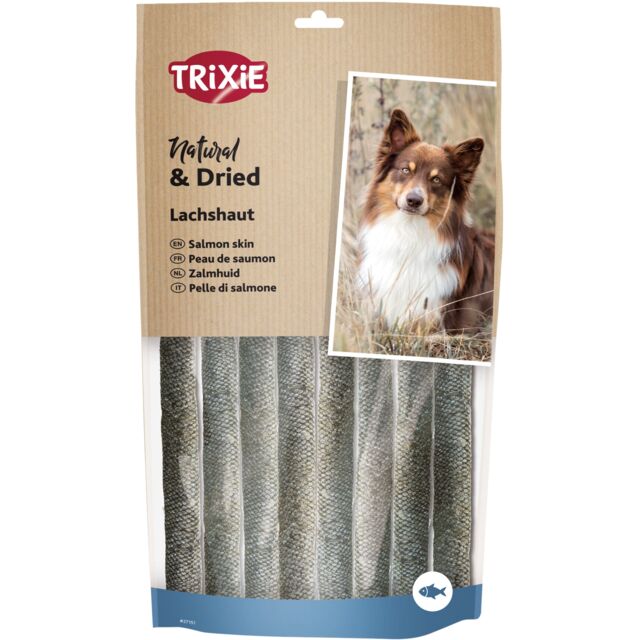
Credit: www.trixie.de
Frequently Asked Questions
Can Dogs Eat Salmon Skin Safely?
Yes, dogs can eat salmon skin in moderation. It’s rich in omega-3 fatty acids, beneficial for their skin and coat. However, ensure it’s cooked properly without any seasoning. Raw or overly oily skin can cause digestive issues. Always introduce new foods gradually and watch for any adverse reactions.
Is Salmon Skin Nutritious For Dogs?
Salmon skin is nutritious for dogs, containing omega-3 fatty acids, essential for their health. These nutrients support a shiny coat, reduce inflammation, and boost heart health. Ensure it’s cooked and free from harmful additives. Moderation is key to prevent excessive fat intake, which can lead to weight gain.
Should I Remove Salmon Skin Before Feeding?
You don’t need to remove salmon skin if it’s cooked and unseasoned. It offers nutritional benefits like omega-3 fatty acids. However, ensure there are no harmful additives or spices. Always monitor your dog for any adverse reactions when introducing salmon skin to their diet.
How Often Can Dogs Have Salmon Skin?
Dogs can have salmon skin occasionally as a treat. It’s high in healthy fats, so moderation is crucial. Feeding it once a week can offer nutritional benefits without overloading their diet. Monitor their weight and overall health, adjusting portions as needed to maintain balance.
Conclusion
Salmon skin can be a healthy treat for dogs. It provides omega-3 fatty acids. These support a shiny coat and healthy skin. Always serve cooked salmon skin. Raw skin may contain harmful bacteria. Avoid adding salt or seasonings, as these can harm dogs.
Moderation is key. Too much can lead to weight gain. Monitor your dog’s reaction to new foods. Some dogs may have allergies. Always consult your vet before adding new treats. They know what’s best for your furry friend. With care, salmon skin can be a tasty, nutritious addition.
Your dog will surely thank you!

Similar Posts