What Can You Give Dogs for Joint Pain: Ultimate Relief Tips
Your furry friend deserves the best care, especially when they start to slow down due to joint pain. It’s heart-wrenching to see your dog struggle to move, jump, or play like they used to.
You might be wondering what you can give your dog to ease their joint pain and bring back their wagging tail. You’re not alone in this search. Many dog owners face the same dilemma, eager to find effective solutions that are both safe and beneficial.
We’ll explore simple yet powerful remedies that can make a world of difference for your pet. Keep reading to discover how you can help your dog live a more comfortable and active life.

Credit: www.amazon.com
Causes Of Joint Pain In Dogs
Various factors like aging, injuries, or arthritis can cause joint pain in dogs. Providing supplements such as glucosamine or chondroitin may help alleviate discomfort and support joint health.
Joint pain in dogs can be distressing for both pets and their owners. Identifying its causes is crucial for effective management. Various factors contribute to joint pain, ranging from health conditions to aging and breed-specific issues. Understanding these can help you provide better care for your furry friend.Common Health Conditions
Several health conditions can lead to joint pain in dogs. Arthritis is a common culprit. It causes inflammation and discomfort in the joints. Hip dysplasia affects many dogs, particularly larger breeds. It results in a malformed hip joint. Obesity is another contributing factor. Excess weight puts extra pressure on the joints, leading to pain. These conditions can significantly affect a dog’s mobility.Impact Of Aging
Aging plays a significant role in joint pain. As dogs grow older, their joints wear down. Cartilage, which cushions the joints, gradually deteriorates. This leads to stiffness and pain. Senior dogs often experience reduced activity levels. This can exacerbate joint issues. Regular check-ups can help detect age-related joint problems early.Breed-specific Issues
Certain breeds are predisposed to joint pain. Large breeds like German Shepherds and Labradors often face hip and elbow dysplasia. Small breeds can suffer from patellar luxation, where the kneecap dislocates. Breeding practices sometimes contribute to these issues. Knowing your dog’s breed risks helps in preventive care. Early intervention can mitigate severe joint problems. Understanding these breed-specific issues aids in better management.Symptoms Of Joint Pain In Dogs
Joint pain in dogs can be distressing for both pets and their owners. Early recognition of symptoms is crucial for effective management. Dogs may exhibit varied signs indicating discomfort. Understanding these symptoms helps in providing timely care.
Behavioral Changes
Dogs may display unusual behaviors due to joint pain. They can become irritable or withdrawn. A once playful dog might seem uninterested in games. Watch for increased vocalizations like whimpering or barking. These signs often indicate discomfort or pain.
Physical Indicators
Physical changes can signal joint pain. Swelling around joints is common. You might notice stiffness or reduced flexibility. Muscle atrophy occurs when dogs avoid using painful limbs. Check for changes in posture or gait.
Mobility Challenges
Mobility issues often indicate joint pain. Dogs may struggle with daily activities. Difficulty climbing stairs or jumping is a key symptom. Your dog might show reluctance to move. They might limp or favor certain limbs. These signs require attention and care.
Dietary Supplements For Joint Pain
Dogs can benefit from dietary supplements to ease joint pain. Glucosamine and chondroitin are popular choices. Omega-3 fatty acids also help reduce inflammation and support joint health.
Dietary supplements can play a crucial role in easing joint pain in dogs. They provide essential nutrients that support joint health and help reduce inflammation. Incorporating these supplements into your dog’s diet can improve mobility and enhance their overall well-being.Glucosamine And Chondroitin
Glucosamine and chondroitin are popular supplements for joint health. Glucosamine helps repair cartilage and supports joint function. Chondroitin aids in slowing cartilage breakdown and reducing pain. Together, they work to enhance joint mobility and relieve discomfort.Omega-3 Fatty Acids
Omega-3 fatty acids are known for their anti-inflammatory properties. They help reduce joint inflammation and improve overall joint health. These fatty acids can be found in fish oil and flaxseed oil. Including them in your dog’s diet can ease joint pain and improve flexibility.Turmeric And Curcumin
Turmeric contains curcumin, a powerful anti-inflammatory compound. It helps reduce joint pain and swelling. Curcumin also enhances joint function and promotes better mobility. Adding turmeric to your dog’s diet can be a natural way to support their joint health.Medications For Pain Relief
Dogs with joint pain can benefit from medications like NSAIDs, which reduce inflammation and provide relief. Glucosamine supplements also support joint health by promoting cartilage repair. Always consult a veterinarian before giving any medication to ensure safety and proper dosage.
When your beloved furry companion starts showing signs of joint pain, it’s only natural to want to help them feel better. Medications for pain relief can be a crucial part of managing your dog’s discomfort and improving their quality of life. But what options are available, and how do you choose the best one for your pet?Non-steroidal Anti-inflammatory Drugs
Non-Steroidal Anti-Inflammatory Drugs, or NSAIDs, are often the first line of defense against joint pain in dogs. These medications work by reducing inflammation, which is a major cause of joint discomfort. Popular choices include Rimadyl and Metacam, which veterinarians frequently prescribe. It’s vital to administer the correct dosage as advised by your vet. Overuse or incorrect dosing can lead to harmful side effects such as stomach ulcers or kidney issues. Always ensure that your vet monitors your dog’s response to these drugs.Prescription Pain Relievers
In some cases, NSAIDs may not be enough, and your vet might prescribe other pain relievers. Tramadol is a common option, providing relief by affecting the central nervous system. This medication is typically used for more severe pain or when NSAIDs are not suitable. Another option could be Gabapentin, which is often used for nerve-related pain. If your dog suffers from chronic joint issues, your vet might suggest these stronger medications. Regular check-ins with your vet are crucial to adjust dosages and ensure your dog’s safety.Natural Alternatives
For those who prefer a more holistic approach, natural alternatives can be considered. Supplements like glucosamine and chondroitin are popular for promoting joint health. These can often be found in chewable treats, making administration easy and enjoyable for your dog. Turmeric is another natural remedy that some pet owners use due to its anti-inflammatory properties. Before starting any natural supplements, it’s essential to discuss them with your vet to ensure they won’t interfere with other medications. What is your go-to method for managing your dog’s joint pain? Finding the right balance between medication and natural remedies can make all the difference in your pet’s comfort and happiness. Always consult with your vet to tailor the best plan for your dog’s needs.Physical Therapy And Exercise
Physical therapy and exercise can greatly help dogs with joint pain. They improve mobility and reduce discomfort. Regular activity and targeted therapies strengthen muscles and support joints. This can lead to improved overall well-being for your furry friend.
Importance Of Regular Activity
Regular activity keeps your dog’s joints healthy. It prevents stiffness and maintains flexibility. Short, frequent walks are ideal. They stimulate blood flow and reduce inflammation. Always adjust the intensity to suit your dog’s condition.
Hydrotherapy Benefits
Hydrotherapy is a gentle exercise for joint pain relief. The water supports your dog, reducing stress on joints. Swimming builds muscle strength without adding pressure. It also improves cardiovascular health. Many veterinary clinics offer specialized hydrotherapy sessions.
Massage Techniques
Massage soothes sore joints and relaxes tense muscles. It improves blood circulation and promotes healing. Use gentle strokes and focus on problem areas. Regular massage can greatly enhance your dog’s comfort and mobility. Always observe your dog’s reactions to ensure their comfort.

Credit: www.amazon.com
Lifestyle Adjustments For Pain Management
Managing joint pain in dogs often requires more than just medication. Lifestyle adjustments can play a crucial role in alleviating discomfort. Simple changes in their daily routine can significantly improve their quality of life. Let’s explore some effective lifestyle adjustments for managing joint pain in dogs.
Comfortable Living Spaces
Create a cozy space for your dog to rest. Use orthopedic dog beds that offer support to aching joints. Consider placing rugs or carpets on hard floors to prevent slipping. Ensure their favorite spots are easily accessible. Avoid stairs and high jumps which can strain their joints. A comfortable environment helps reduce stress and pain.
Weight Management
Maintaining a healthy weight is vital for dogs with joint pain. Excess weight puts extra pressure on their joints. Feed them a balanced diet with appropriate portions. Consult your vet for a weight loss plan if needed. Regular, gentle exercise helps them stay fit without overexerting their joints. Monitor their progress and adjust as necessary.
Heat And Cold Therapy
Heat and cold therapy can provide relief from joint pain. Use warm towels or heating pads on sore areas to relax muscles. Cold packs can reduce inflammation and swelling. Apply these therapies for 10-15 minutes as needed. Always supervise your dog during treatment to avoid burns or frostbite. Consult your vet for guidance on frequency and duration.
Consulting A Veterinarian
Consulting a veterinarian is crucial when your dog shows signs of joint pain. While home remedies can offer temporary relief, a professional’s guidance ensures your furry friend receives the best care possible. Veterinarians can offer insights that are beyond our understanding, making their role indispensable.
When To Seek Professional Advice
It’s easy to dismiss minor limps or slower movements as part of aging. But how do you know when it’s time to consult a veterinarian? If your dog shows persistent discomfort, reluctance to move, or decreased activity levels, these are red flags. Acting promptly can prevent further complications and provide your dog with a better quality of life.
Diagnostic Tests
Once you decide to visit the vet, diagnostic tests play a key role in identifying the root cause of your dog’s joint pain. These tests might include X-rays, blood tests, or even advanced imaging techniques like MRIs. Understanding these tests can seem daunting, but they are essential in pinpointing the exact issue your dog is facing.
Tailored Treatment Plans
After diagnosis, veterinarians can craft tailored treatment plans that suit your dog’s specific needs. These plans may involve medication, physical therapy, or dietary changes. Personalized care ensures your dog gets the most effective treatment, addressing the exact issue rather than a one-size-fits-all approach.
Imagine the relief you feel when your dog enjoys their daily walks again. Consulting a veterinarian not only provides solutions but also peace of mind. Remember, your dog’s comfort and happiness are worth every effort!
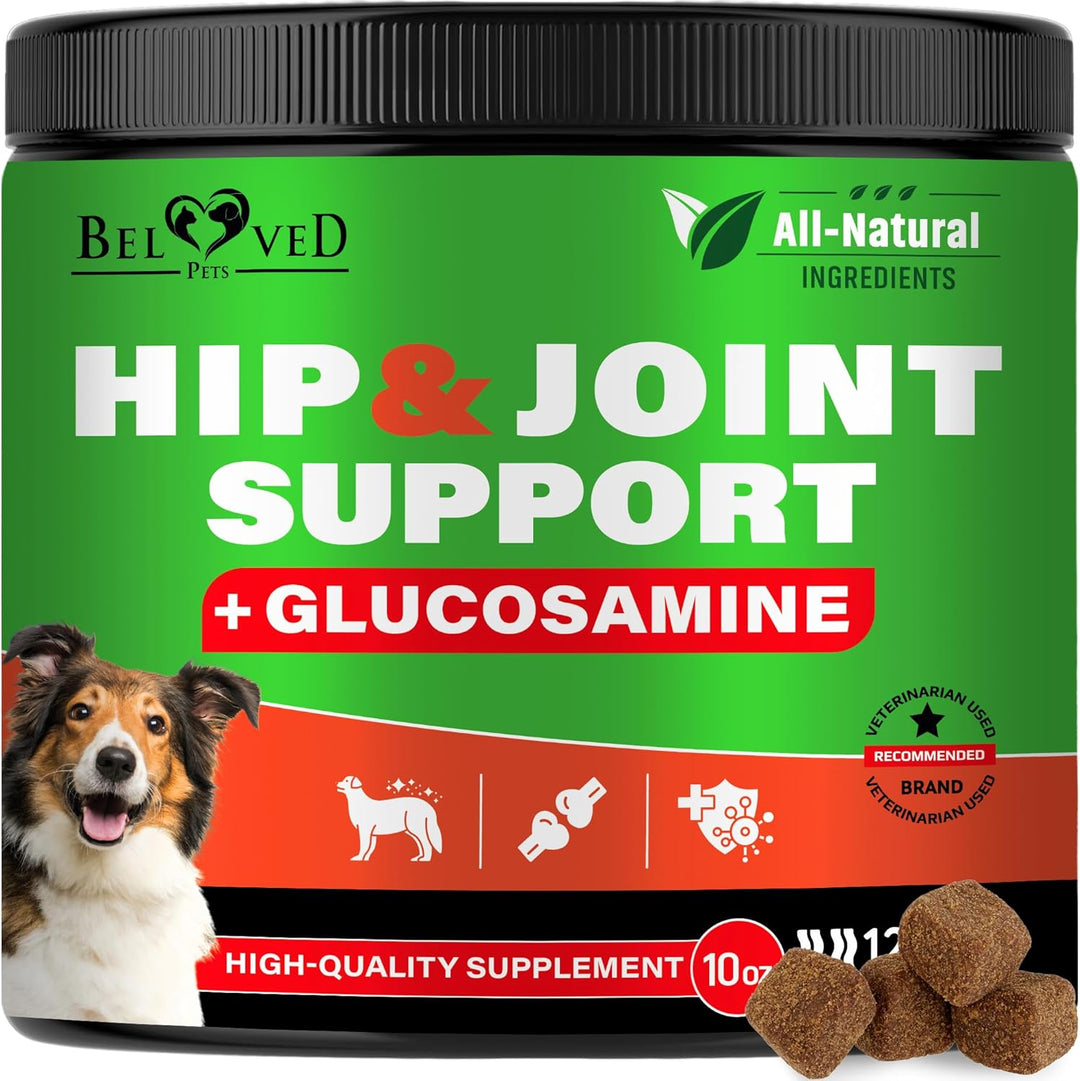
Credit: belovedpets.com
Frequently Asked Questions
What Supplements Help Dogs With Joint Pain?
Supplements like glucosamine, chondroitin, and omega-3 fatty acids can support joint health in dogs. These supplements help reduce inflammation and improve mobility. Always consult your vet before starting any supplement regimen for your dog.
Can Cbd Oil Alleviate Dog Joint Pain?
CBD oil may help reduce inflammation and pain in dogs with joint issues. It can improve mobility and comfort. However, it’s important to consult your veterinarian for appropriate dosage and to ensure it’s safe for your pet.
How Can Weight Management Aid Dog Joint Pain?
Maintaining a healthy weight reduces stress on a dog’s joints. It helps improve mobility and reduces pain. Regular exercise and a balanced diet are essential for weight management in dogs.
Are There Natural Remedies For Dog Joint Pain?
Yes, natural remedies like turmeric, fish oil, and green-lipped mussels can help. These remedies have anti-inflammatory properties that support joint health. Always consult a vet before introducing new remedies to your dog’s routine.
Conclusion
Helping dogs with joint pain is important for their comfort. Simple changes can make a big difference. Proper diet, regular exercise, and safe supplements aid relief. Consult your vet for personalized advice. They know what suits your dog’s needs. Understand your dog’s signs of discomfort.
Observing changes in behavior matters. Keep their weight in check. It reduces strain on joints. Warm beds and gentle massages offer extra comfort. Every effort counts. Your dog deserves a happy, pain-free life. Make caring for their joints a priority.
Their wagging tails and playful spirit will thank you.