What Does a Tick on a Dog Skin Look Like: Visual Guide
Imagine giving your furry friend a loving pat only to discover something unusual on their skin. It’s small, dark, and clings tightly.
Is it a tick? If you’ve ever found yourself in this situation, you’re not alone. Understanding what a tick on a dog’s skin looks like is crucial for every pet owner. It helps you act quickly, ensuring your pet stays healthy and happy.
We’ll explore the appearance of ticks, so you can spot them with ease. By the end, you’ll feel confident in identifying and dealing with these pesky parasites, keeping your beloved dog safe and comfortable. Dive in to learn more, because your pet’s health is too important to leave to chance.
Identifying Ticks On Dogs
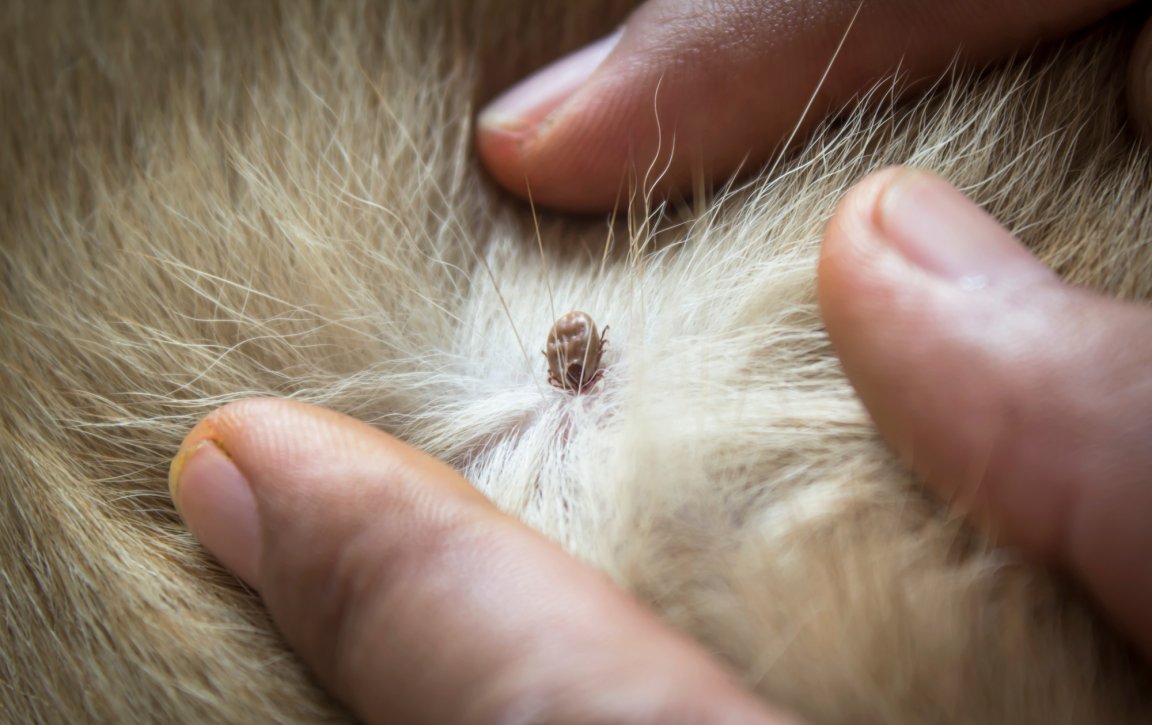
Identifying ticks on dogs is crucial for their health. Ticks can carry diseases that may harm your furry friend. Knowing what ticks look like helps in removing them quickly. They can appear as small, dark bumps on your dog’s skin. Often, they are mistaken for moles or skin tags.
Common Tick Species
Several tick species infest dogs. Each has unique traits.
- Deer Tick:Also called black-legged tick. They are small and reddish-brown.
- American Dog Tick:These are larger and have a brown body with white markings.
- Brown Dog Tick:Brown and often found indoors. They prefer dogs but can bite humans.
- Lone Star Tick:Females have a distinctive white dot on their back.
Tick Life Stages
Ticks have four life stages. Each stage looks different.
- Egg:Tiny and often laid in large batches.
- Larva:Six-legged and very small. Often called seed ticks.
- Nymph:Eight-legged and larger than larvae. They are more active.
- Adult:Fully developed and ready to reproduce. They are easiest to spot.
Credit: www.outdoorlife.com
Visual Characteristics Of Ticks
Identifying ticks on your dog’s skin can be a tricky task, especially when you’re not sure what to look for. Their appearance can vary, but understanding their visual characteristics can help you spot them early and keep your pet safe. Knowing these details empowers you to take swift action and protect your furry friend from potential diseases.
Size And Shape
Ticks are usually small, ranging from a pinhead to about the size of a pencil eraser. They have a round, flat body which becomes more engorged as they feed. Imagine a tiny, flat seed that suddenly plumps up—it’s a bit like that. Do you know how a raisin looks compared to a grape? That’s a handy comparison for ticks, too.
Color Variations
The color of ticks can vary widely, influenced by species and feeding stage. Some ticks appear reddish-brown, while others might be grayish or even black. When they’ve fed, ticks can look more bluish or gray due to the blood they’ve consumed. Have you ever spotted a dark speck on your dog that wasn’t dirt? It might have been a tick.
Where Ticks Commonly Attach
Finding a tick on your dog can be a surprising discovery, often raising the question: where do these pesky parasites commonly attach? Ticks are sneaky creatures, skilled at finding the perfect spot on your dog’s body to latch onto. Understanding their favorite hiding places can help you in your quest to keep your furry friend tick-free. Let’s explore these areas so you can be proactive in your tick checks.
Preferred Areas On Dog’s Body
Ticks often choose areas that are less exposed to movement or friction, allowing them to feed undisturbed. Common spots include the neck, especially under the collar, and behind the ears. These spots offer warmth and protection, making them ideal for ticks.
Another favored location is around the tail base. You might notice your dog scratching here more than usual if a tick has taken up residence. The folds of skin where the legs meet the body are also prime real estate for ticks.
Hidden Spots To Check
Ticks are experts at hiding in less obvious places. Have you ever thought about checking between your dog’s toes? This area is often overlooked but can be a tick haven. Similarly, ticks might find their way into the armpits, which are sheltered and warm.
Don’t forget to examine under the chin and around the snout. These areas might not be immediately visible but can be just as inviting to a tick. Regular checks here can prevent ticks from going unnoticed.
By knowing where ticks commonly attach, you can perform thorough checks and keep your dog healthy. Have you found ticks in unexpected places on your dog before? Sharing your experiences can help others be better prepared.

Credit: www.facebook.com
Symptoms Of Tick Presence
A tick on a dog’s skin resembles a small, dark bump, often gray or brown. These parasites latch on tightly, feeding on the dog’s blood, and can cause irritation, redness, or swelling around the attachment site.
Ticks are more than just pesky parasites; they can pose serious health risks to your furry friend. Spotting them early is crucial. But how do you know if your dog has ticks? Recognizing the symptoms of tick presence can help you act swiftly and protect your dog from potential harm.Physical Signs On Skin
When examining your dog, look for small bumps or lumps on their skin. These might be ticks, especially if they’re located in warm areas like armpits, groin, or behind the ears. Ticks can vary in size, from as small as a pinhead to as large as a pencil eraser when engorged with blood. You might notice a reddish or inflamed spot where the tick has bitten. This is your dog’s skin reacting to the tick’s saliva. If you find a tick, removing it safely is essential to prevent any further irritation or infection.Behavioral Changes In Dogs
Has your dog been scratching more than usual or showing signs of discomfort? This could be a sign of a tick bite. Dogs may also seem lethargic or reluctant to move, as ticks can make them feel unwell. In some cases, dogs may lose their appetite or appear more anxious. These subtle changes in behavior can indicate a tick has latched on. Paying attention to these cues can help you detect ticks early and ensure your dog stays healthy. Have you ever noticed any unusual signs in your dog that led you to find a tick? Share your stories in the comments to help other pet owners!Effective Ways To Check For Ticks
Checking for ticks on your dog is crucial. Ticks can carry diseases harmful to both pets and humans. Regular checks ensure your dog stays healthy. They also help catch ticks before they cause any issues. Here are some effective ways to check for ticks on your dog’s skin.
Routine Checks
Conduct routine checks after outdoor activities. Focus on areas ticks love to hide. These include the ears, neck, and underbelly. Brush your fingers through the fur gently. Feel for tiny bumps that might indicate ticks. Examine your dog’s skin closely. This helps spot ticks early.
Using Tick Detection Tools
Tick detection tools make checks easier. Use a tick comb for thorough examination. It helps separate fur and reveals hidden ticks. A magnifying glass assists in spotting tiny ticks. Check your dog’s skin with good lighting. This ensures you don’t miss any ticks.
Safe Tick Removal Techniques
A tick on a dog’s skin often appears as a small, dark bump. These pests can be brown or black and might resemble a tiny wart. Proper removal ensures safety for your pet and prevents infections.
Removing ticks from your dog’s skin can be a daunting task, but it’s crucial for their health. Ticks can carry diseases that affect both dogs and humans. Knowing how to remove them safely can prevent potential infections and ensure your pet’s comfort. Let’s dive into the techniques and tools you need for safe tick removal, so you can act confidently when you spot one on your furry friend.Step-by-step Removal Process
Begin by calming your dog, as their movement can make the removal process challenging. It’s essential to have a steady hand and a clear view of the tick.
Using a fine-tipped tweezers, grasp the tick as close to the skin’s surface as possible. It’s crucial to pull upward with steady, even pressure.
Avoid twisting or jerking motions, as this can cause the tick’s mouth to break off and remain in the skin. If this happens, clean the area and try again.
Once removed, ensure you dispose of the tick properly. A sealed bag or container is ideal to prevent it from escaping.
Finally, clean the bite area with antiseptic and wash your hands thoroughly. Monitor the site for any signs of infection or irritation.
Tools For Removal
- Fine-tipped tweezers:These are essential for grasping the tick close to the skin without squeezing its body.
- Tick removal hook:Designed specifically for ticks, this tool can offer a clean removal by sliding under the tick.
- Antiseptic wipes:Handy for cleaning the bite area immediately after removal.
- Gloves:Wearing gloves ensures you don’t come into direct contact with the tick and potential pathogens.
- Magnifying glass:Useful for spotting small ticks that are hard to see with the naked eye.
Which tool do you find most effective for tick removal? Share your experiences with fellow pet owners to help keep our furry friends safe!
By being prepared with the right tools and knowledge, you can confidently remove ticks and protect your dog from potential diseases. Happy and safe tick hunting!
Preventing Tick Infestations
Ticks on a dog’s skin resemble small, dark bumps and can look like tiny seeds or warts. They often attach in hidden areas like between toes or behind ears, blending with the fur.
Preventing tick infestations in your furry friend is crucial to their health and comfort. Ticks can transmit diseases and cause irritation, making their prevention a top priority for any dog owner. Taking proactive steps can save you and your dog from the stress of dealing with these pesky parasites.Protective Measures
Keeping your yard tidy is the first line of defense against ticks. Regularly mow the lawn and trim bushes to reduce tick-friendly habitats. Consider creating a barrier between wooded areas and your yard using gravel or wood chips. When you walk your dog, stick to the center of trails and avoid tall grasses. After your adventures, thoroughly check your dog for ticks, especially around the ears, neck, and underbelly. This daily inspection can help catch ticks before they attach.Tick Prevention Products
There are various tick prevention products available to suit different needs and preferences. Topical treatments are popular for their ease of use and effectiveness, usually applied monthly to keep ticks at bay. Oral medications are another option, offering long-lasting protection with just a chewable tablet. For those who prefer a more natural approach, tick collars infused with essential oils can be effective. Ensure any product you choose is vet-approved and suitable for your dog’s size and health condition. What tick prevention methods have you tried, and which have worked best for you and your dog?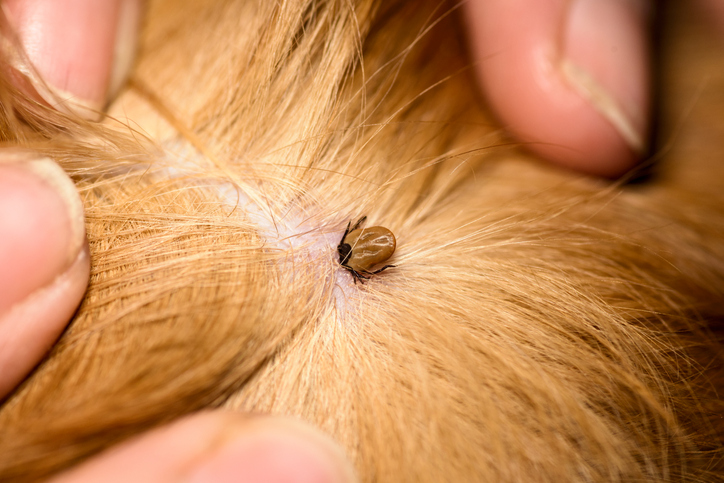
Credit: plymouth.thevillagevets.com
Frequently Asked Questions
What Does A Tick Look Like On Dogs?
Ticks on dogs often appear as small, round, dark bumps. They can vary in size depending on their feeding stage. Initially, they are tiny but can swell up after feeding. Ticks are usually brown or black and are most commonly found around the dog’s ears, neck, and belly.
How Do Ticks Attach To Dog Skin?
Ticks attach to dog skin by inserting their mouthparts into the dog’s skin to feed. They use specialized hooks to anchor themselves securely. This attachment can cause irritation and discomfort for the dog. Proper inspection and removal are essential to prevent tick-borne diseases.
Where Are Ticks Commonly Found On Dogs?
Ticks are commonly found on dogs in areas with less hair, like ears and neck. They also prefer warm and moist areas such as under the collar or between the toes. Regularly checking these areas can help in early detection and removal of ticks.
Can Ticks Harm Dogs?
Yes, ticks can harm dogs by transmitting diseases such as Lyme disease and Ehrlichiosis. They can cause irritation, allergic reactions, and infections. Prompt removal and treatment are crucial to minimize health risks associated with tick bites on dogs.
Conclusion
Spotting ticks on your dog is crucial. They appear as small, dark bumps. Check your pet’s skin regularly. Ticks can cause health problems. Removing them quickly is essential. Use tweezers to pull them off. Clean the area afterward. Consult a vet if unsure.
Prevention is key. Use tick-repellent products on your dog. Keep your surroundings clean. Ticks thrive in tall grass. A tidy yard helps prevent infestations. Protect your furry friend from these tiny pests. Regular checks ensure your dog’s safety. Stay vigilant for a happy, healthy pet.