What Helps Dogs With Itchy Skin: Effective Relief Tips
Senior Canine Nutritionist & Dog Behavior Specialist at Cozy Dog Go Wellness Lab

Does your furry friend seem to be scratching more than usual? Itchy skin can be a real nuisance for dogs and a source of concern for you as their owner.
Watching your dog in discomfort is hard, but understanding what helps dogs with itchy skin can make a world of difference. You might wonder if there’s a simple solution to your dog’s itching woes. What if you could provide them with the relief they desperately need?
We’ll explore effective remedies that can soothe your dog’s itchy skin and restore their comfort. Keep reading to discover how you can turn those endless scratching sessions into tail-wagging happiness. Your dog deserves to feel at ease in their own skin, and we’re here to guide you through the best ways to make that happen.
Causes Of Itchy Skin In Dogs
Understanding the causes of itchy skin in dogs is crucial for providing them with relief and comfort. Various factors can lead to this uncomfortable condition, and identifying the root cause is the first step to finding the right solution. Let’s explore some common reasons behind your furry friend’s incessant scratching.
Allergies And Environmental Factors
Allergies are a significant cause of itchy skin in dogs. Your pet might be allergic to pollen, dust mites, mold, or even certain fabrics. Seasonal changes can exacerbate these allergies, causing your dog to scratch more during specific times of the year.
Have you noticed your dog scratching more after a romp in the park or a walk in the neighborhood? Environmental factors play a big role. Consider keeping an eye on their outdoor activities and potential allergens they might be exposed to.
Parasites And Infections
Parasites such as fleas and ticks are notorious for causing itchy skin. Even a single flea bite can lead to intense itching, especially if your dog is allergic to flea saliva. Regular grooming and using preventive measures can help keep these pesky invaders at bay.
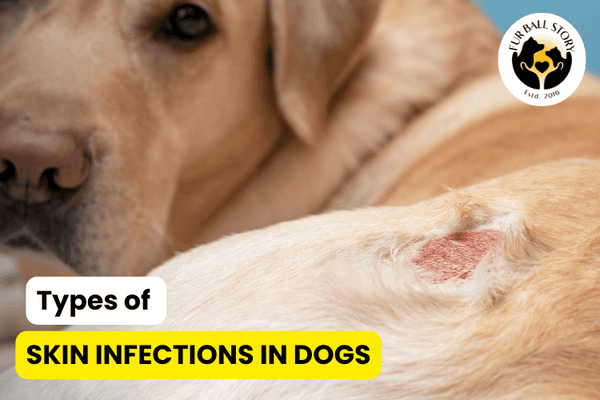
Infections, whether bacterial or fungal, are another culprit. These can develop due to skin injuries or prolonged scratching. Consult your vet if you notice any unusual redness or sores on your dog’s skin.
Dietary Influences
Did you know that your dog’s diet could be affecting their skin health? Certain food ingredients might trigger allergic reactions, leading to itchiness. Pay attention to their diet and try eliminating potential allergens like wheat, dairy, or specific proteins to see if there’s an improvement.
A balanced diet rich in Omega-3 and Omega-6 fatty acids can also promote healthy skin and reduce itchiness. Consider supplementing their meals with fish oil or flaxseed oil for added skin benefits.
Is your dog constantly scratching and you’re unsure why? Identifying the underlying cause of their itchy skin is crucial. Whether it’s allergies, parasites, or dietary issues, addressing these factors can help your furry friend find the relief they deserve.
Signs Of Itchy Skin
Itchy skin in dogs can be caused by allergies, parasites, or dry skin. Relief comes from vet-recommended shampoos and antihistamines. Regular grooming and a balanced diet also help soothe irritation.
Dogs can suffer from itchy skin for various reasons. Identifying signs of itchy skin is crucial for pet owners. This helps in providing timely relief to your furry friend. Let’s explore how to spot these signs through behavior and physical symptoms.Behavioral Indicators
Dogs often show discomfort through their behavior. Excessive scratching is a common indicator. You might notice them biting or licking certain areas. They may rub against furniture or the floor. Restlessness is another key sign. If they seem uneasy, it could be due to itchiness. Changes in sleeping patterns might also occur. This can be a sign of discomfort affecting their rest.Physical Symptoms
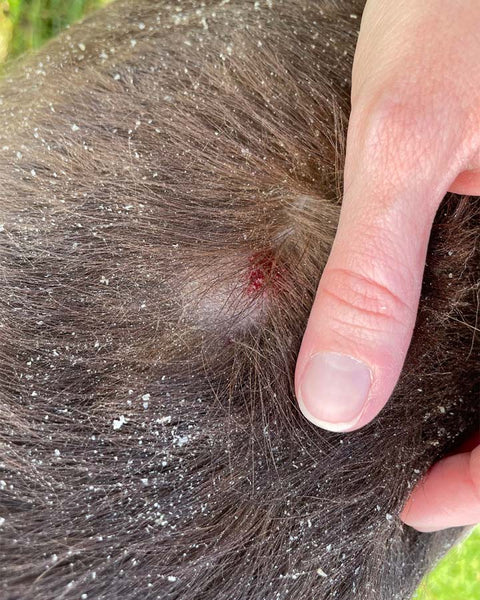
Physical signs are often visible on the skin. Redness or inflammation can indicate irritation. Bumps or rashes might be present. Hair loss in patches is another symptom. Dry or flaky skin can be a result of itchiness. You might notice scabs or sores due to scratching. These physical signs require attention. They often need medical intervention for relief.Natural Remedies For Relief
Dogs often suffer from itchy skin, causing discomfort and distress. Natural remedies can provide relief without harsh chemicals. These solutions are gentle, effective, and easy to use. They can soothe your dog’s skin, helping them feel more comfortable and relaxed.
Oatmeal Baths
Oatmeal baths offer soothing relief for itchy skin. Ground oatmeal works best. It contains compounds that reduce inflammation and irritation. To prepare, mix oatmeal with warm water. Let your dog soak for 10-15 minutes. This will calm the skin and reduce itching.
Coconut Oil Applications
Coconut oil is a natural moisturizer. It hydrates dry skin and reduces itching. Apply a small amount directly to affected areas. Massage gently for better absorption. Coconut oil also has antibacterial properties. It can prevent infections and promote healing.
Aloe Vera Usage
Aloe vera is known for its soothing effects. It cools and heals itchy skin naturally. Use pure aloe vera gel for best results. Apply it directly to the itchy spots. This helps reduce irritation and promotes skin health. Aloe vera can also speed up recovery.

Credit: www.skoutshonor.com
Dietary Adjustments
Itchy skin can be a common problem for dogs, leading to discomfort and distress. While there are many factors that contribute to this issue, dietary adjustments can play a significant role in alleviating symptoms. By making thoughtful changes to your dog’s diet, you can help improve their skin health and reduce itchiness. Let’s explore some dietary components that can be beneficial.
Omega-3 Fatty Acids
Omega-3 fatty acids are known for their anti-inflammatory properties, which can be crucial in combating itchy skin. These essential fats can help soothe irritation and promote a healthier coat. You might find omega-3s in fish oils or flaxseed oil, both of which can be added to your dog’s meals. Have you ever noticed how your skin feels after a nourishing meal? Your dog can experience similar benefits with these additions.
Probiotics Benefits
Probiotics are not just beneficial for humans; they can also improve your dog’s gut health, which in turn affects their skin. A healthy gut can reduce inflammation and support the immune system. Consider adding probiotic-rich foods like yogurt or a specialized supplement to your dog’s diet. Have you thought about how a balanced gut can influence overall health? It’s the same for your furry friend.
Hypoallergenic Diets
If your dog suffers from food allergies, a hypoallergenic diet might be the solution. These diets exclude common allergens such as chicken, beef, and dairy, which can trigger skin issues. Opting for novel proteins like venison or duck can minimize allergic reactions. Have you ever tried a dietary change that made a big difference? Experimenting with hypoallergenic options could be the key to your dog’s comfort.
Medications And Treatments
Oatmeal baths and hypoallergenic shampoos can soothe dogs with itchy skin. Fatty acid supplements also help reduce irritation. Always consult a vet for appropriate medications and treatments.
Dogs often suffer from itchy skin due to allergies or irritation. Medications and treatments can provide relief and improve their quality of life. These solutions help soothe the skin and reduce discomfort. Owners should explore various options, ensuring they choose the best one for their pet’s needs. Let’s look at some effective ways to treat itchy skin in dogs.Topical Solutions
Topical solutions offer direct relief to affected areas. Shampoos with oatmeal or aloe vera can soothe irritation. Creams and sprays often contain hydrocortisone, which reduces inflammation. These products are easy to apply and can be purchased over-the-counter. Regular use may lead to noticeable improvement in your dog’s skin condition.Antihistamines
Antihistamines combat allergic reactions causing itchiness. They block histamines responsible for the itch. Common options include diphenhydramine or cetirizine. These medications are usually safe for dogs but consult a vet for proper dosage. Antihistamines can be a quick fix for mild allergies and itching.Prescription Medications
For severe cases, prescription medications might be necessary. Vets may recommend stronger antihistamines or corticosteroids. These are tailored to your dog’s specific needs. They often provide fast relief but require careful monitoring. Side effects can occur, so regular vet check-ups are essential. Prescription solutions are a powerful option for persistent skin issues.Preventive Measures
Regular grooming and bathing with hypoallergenic shampoos can soothe a dog’s itchy skin. A balanced diet rich in omega-3 fatty acids helps maintain healthy skin. Consult a vet for appropriate supplements or medications to address persistent irritation.
Preventive measures for itchy skin in dogs focus on minimizing triggers. These measures help keep your dog’s skin healthy and itch-free. By implementing a few simple practices, you can reduce the risk of skin irritation.Regular Grooming
Regular grooming plays a vital role in maintaining healthy skin. Brushing removes loose fur and dirt, reducing skin irritation. It also helps distribute natural oils, keeping skin moisturized. Bathing your dog with gentle shampoos can soothe the skin.Flea And Tick Control
Flea and tick control is essential to prevent itchy skin. Parasites cause irritation and discomfort. Use vet-recommended treatments to keep these pests at bay. Check your dog’s fur often for signs of fleas or ticks.Balanced Nutrition
Balanced nutrition supports overall skin health. Ensure your dog’s diet includes essential fatty acids. These nutrients help maintain a healthy coat and skin. Consult your vet for dietary recommendations tailored to your dog’s needs.When To Consult A Veterinarian
Persistent itching in dogs may require a veterinarian’s advice. Severe scratching or skin irritation signals a need for professional help. Early consultation ensures effective solutions and relief for your pet.
When dogs suffer from itchy skin, it can signal various issues. While many cases are minor and manageable, some require professional intervention. Knowing when to consult a veterinarian is crucial for your pet’s health. Early veterinary advice can prevent complications and ensure proper care.Persistent Symptoms
If your dog’s itchiness lasts over a week, see a vet. Prolonged symptoms can indicate serious issues. Look for signs like constant scratching or biting. Also, check for redness or swelling on the skin. These can suggest infections or allergies. Quick veterinary attention can address these problems effectively.Underlying Health Conditions
Itchiness might relate to hidden health issues. Conditions like allergies or hormonal imbalances often cause skin problems. A vet can diagnose these underlying causes. They might perform tests to pinpoint the issue. Proper treatment of these conditions can relieve your dog’s itchiness.
Credit: www.pawparentacademy.com

Credit: www.amazon.com
Frequently Asked Questions
What Causes Dogs To Have Itchy Skin?
Dogs can have itchy skin due to allergies, parasites, or infections. Environmental factors like pollen and dust can also contribute. Food allergies are another common cause. It’s essential to identify the exact trigger to provide effective treatment. Regular vet check-ups can help diagnose the root cause of itchiness.
How Can I Soothe My Dog’s Itchy Skin?
You can soothe your dog’s itchy skin using oatmeal baths, coconut oil, or aloe vera. Medicated shampoos can also help. Ensure your dog’s diet is balanced and free from allergens. Regular grooming and flea prevention are crucial. Consult your vet for personalized advice and treatment options.
Are There Home Remedies For Itchy Dog Skin?
Yes, several home remedies can help relieve itchy dog skin. Oatmeal baths and coconut oil are popular choices. Apple cider vinegar can reduce irritation. Omega-3 supplements may improve skin health. Always consult your vet before trying home remedies to ensure they’re safe for your pet.
Can Diet Affect My Dog’s Skin Health?
Yes, diet significantly impacts your dog’s skin health. A balanced diet can prevent allergies and promote healthy skin. Essential fatty acids like omega-3 and omega-6 are crucial. Avoid ingredients your dog is allergic to. Consult your vet for dietary recommendations that suit your dog’s specific needs.
Conclusion
Finding relief for a dog’s itchy skin is crucial. Simple steps can help. Regular grooming reduces irritation. A balanced diet supports skin health. Look for hypoallergenic foods. Natural remedies like oatmeal baths soothe the skin. Always consult with a vet for persistent issues.
They provide the best advice. Medication might be necessary in some cases. Keep an eye on your dog’s comfort. Their well-being is important. Addressing skin problems improves their quality of life. Happy dogs mean happy owners. With care and attention, itchy skin can be managed effectively.
Your furry friend will thank you.

Similar Posts