What is a Double Coat on a Dog: Essential Insights
Senior Canine Nutritionist & Dog Behavior Specialist at Cozy Dog Go Wellness Lab

Have you ever wondered why some dogs are fluffier than others or why your furry friend sheds so much hair? The answer often lies in something known as a “double coat.”
Understanding what a double coat is can transform how you care for your dog, keeping them happier and healthier. You’ll discover how this unique feature affects grooming, shedding, and even your dog’s comfort in different weather conditions. If you want to ensure your pet is always feeling their best, then this is information you can’t afford to miss.
Dive in, and unlock the secrets of your dog’s double coat.
Credit: www.facebook.com
Understanding The Double Coat
A double coat on a dog consists of two layers of fur. The outer layer is tough and protective, while the inner layer is soft and insulating. This combination helps regulate temperature and provides defense against weather elements.
Understanding the Double Coat If you’ve ever run your fingers through your dog’s fur and found it surprisingly dense, you might be dealing with a double coat. This unique feature is more than just an extra layer of fluff; it’s a natural protective mechanism. Understanding the double coat can help you better care for your furry friend and ensure their comfort and health.Definition Of Double Coat
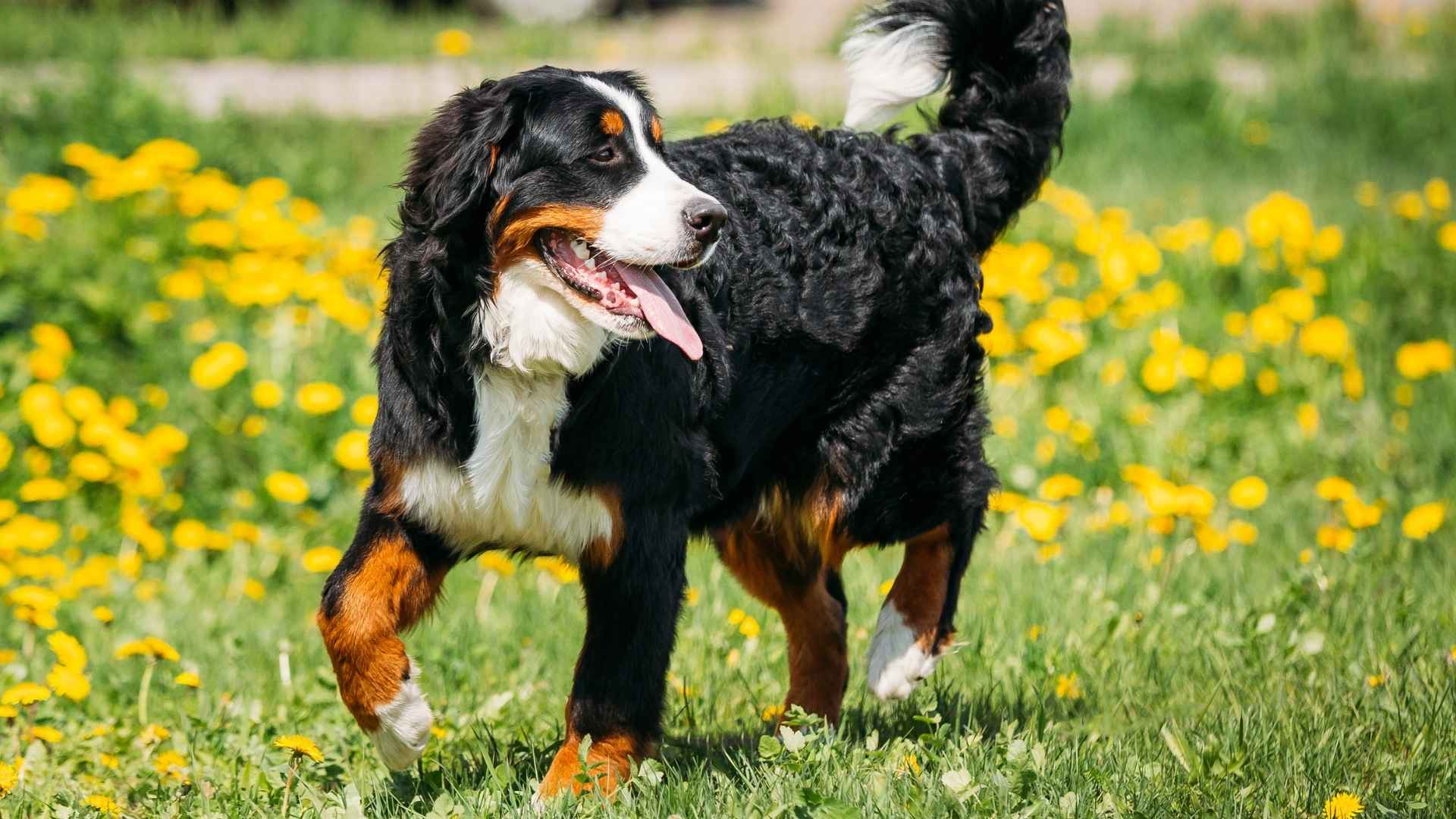
A double coat consists of two distinct layers of fur. The outer layer, or guard hairs, is long and coarse, providing protection against environmental elements like rain and dirt. Beneath this lies the softer, denser undercoat that acts as insulation, keeping your dog warm in winter and cool in summer. These dual layers work together to regulate temperature and shield the skin. Imagine wearing a raincoat over a wool sweater; that’s essentially what your double-coated dog is doing all year round. This design is common in breeds such as Huskies, German Shepherds, and Golden Retrievers.Characteristics Of Double-coated Dogs
Double-coated dogs often have a plush, full appearance, and their fur can feel luxuriously thick. This coat type sheds seasonally, often requiring more grooming during spring and fall when they “blow” their coat. Regular brushing helps manage shedding and prevents matting, which can be uncomfortable for your dog. In my experience with my own double-coated dog, grooming became a bonding activity. While it took time, the reward was a happy, healthy pup and a fur-free home. Double-coated breeds thrive in cooler climates due to their natural insulation. However, this doesn’t mean they’re immune to heat. It’s crucial to provide shade and water during hot days. Have you noticed how your double-coated dog loves to roll in the snow but seems uncomfortable in the summer sun? Understanding this can help you make better choices for their activities and care. By paying attention to these characteristics, you can better meet your dog’s needs and enjoy the companionship of a well-cared-for pet.Credit: www.facebook.com
Purpose Of A Double Coat
Double coats on dogs serve as protection against weather. The dense undercoat keeps them warm, while the topcoat repels water and dirt.
A double coat on a dog is a marvel of natural engineering, designed to serve multiple purposes that are crucial for the animal’s survival and comfort. If you’ve ever wondered why some dogs have those fluffy, seemingly endless layers of fur, it’s because each layer serves a specific function. Understanding the purpose of a double coat helps you appreciate these furry companions even more.Protection Against Weather
The double coat acts as a formidable shield against the elements. The outer layer, known as the guard coat, is coarse and water-resistant. It protects your dog from rain and snow, keeping them dry and comfortable during those unpredictable weather swings. Imagine a Labrador Retriever jumping into a lake, shaking off the water effortlessly. It’s the outer coat working its magic. The inner coat, soft and dense, provides an additional layer of protection against harsh winds and cold temperatures. Whether it’s a chilly winter night or a breezy autumn day, your dog is well-equipped to handle it.Insulation Benefits
The double coat also acts as a natural insulator. In hot conditions, the undercoat traps cooler air close to the skin, which helps regulate the dog’s body temperature. It’s like having a built-in air conditioning system. During winter, the dense undercoat traps body heat, preventing the cold from penetrating through to the skin. It’s a fascinating balance that keeps your dog comfortable regardless of the season. If you’ve ever felt your dog’s fur on a hot day and noticed it wasn’t as warm as expected, that’s the insulation at work. Taking care of a double coat requires regular grooming, but the benefits it provides your dog are remarkable. Are you ready to help your furry friend make the most of their natural gift?Double Coat Varieties
Double coats in dogs serve as natural protection. They help regulate body temperature and provide a shield against the elements. These coats have two layers. The undercoat is dense and soft. The outer coat is longer and coarser. Together, they create a robust barrier. Yet, not all double coats are the same. Let’s explore the varieties.
Breeds With Double Coats
Many popular breeds have double coats. These include:
- Labrador Retrievers
- Golden Retrievers
- Siberian Huskies
- German Shepherds
- Akitas
These breeds thrive in various climates due to their coats.
Variations In Texture And Thickness
Double coats vary in texture and thickness. Some dogs have dense undercoats. Others have lighter ones. Siberian Huskies have thick, woolly undercoats. This keeps them warm in freezing temperatures. Labradors have shorter, water-resistant outer coats. This helps them in wet environments.
The texture also varies. Some coats feel soft and fluffy. Others are more bristly. Different breeds have unique coat characteristics. These differences require specific grooming needs. Regular grooming ensures a healthy coat.
Grooming Double-coated Dogs
Grooming double-coated dogs can feel like an art form, requiring both skill and patience. These dogs have a unique coat made up of two layers: a dense undercoat and a longer outer coat. This dual-layer provides insulation and protection, but it also means you need to approach grooming with care to maintain their health and appearance. Understanding effective grooming techniques can make the process easier and more beneficial for your furry friend.
Brushing Techniques
Regular brushing is crucial for double-coated dogs. It prevents mats and tangles from forming, which can lead to discomfort and skin issues. Start by using a slicker brush to gently work through the outer coat. This tool is excellent for removing loose hairs and debris.
Next, switch to an undercoat rake. This will help you reach the dense undercoat, especially during shedding season. Be gentle and take your time to avoid pulling on their sensitive skin. Brushing should be a calming experience for both you and your dog, so it’s helpful to do this in a quiet space where your dog feels relaxed.
Dealing With Shedding
Shedding can be a real challenge with double-coated dogs. The amount can seem overwhelming, but there are ways to manage it effectively. During peak shedding periods, increase the frequency of brushing sessions. This helps remove loose fur before it ends up all over your home.
Consider using a de-shedding tool specifically designed for double coats. These tools are built to safely remove the dead undercoat without damaging the top coat. Regular grooming can significantly reduce the amount of hair your dog sheds, making your home cleaner and your dog more comfortable.
Are you finding it difficult to keep up with your dog’s shedding? It’s worth asking yourself if your grooming routine needs a little tweaking. Sometimes a small change, like incorporating a different tool or adjusting your brushing technique, can make a big difference.
Common Misconceptions
Dog owners often misunderstand double coats. These misconceptions can lead to improper grooming practices. The double coat serves a vital role in a dog’s health. Understanding it is essential for effective care.
Myths About Shaving
Many believe shaving a double-coated dog helps it stay cool. This is false. The outer layer protects against sunburn and heat. Shaving can damage this natural protection. It may also affect the coat’s ability to grow back properly.
Shaving might seem like a quick fix for shedding. In reality, it doesn’t reduce shedding. It can cause skin irritation and discomfort. A dog’s coat is designed to regulate temperature naturally. Removing it disrupts this process.
Misunderstood Grooming Practices
Over-brushing is another common mistake. Excessive brushing can harm the coat. It can lead to bald patches and skin issues. Regular brushing is beneficial but should be gentle and mindful.
Some owners skip grooming altogether, fearing coat damage. This misconception can lead to matting and dirt buildup. Proper grooming keeps the coat healthy and clean. It doesn’t mean cutting or altering the coat’s natural state.
Using the wrong grooming tools can also cause problems. Double coats require specific brushes to prevent damage. Choose tools that suit the coat’s texture and thickness.
Credit: www.facebook.com
Health Considerations
Understanding a dog’s double coat is vital for their health. This coat consists of a dense undercoat and a protective top layer. Regular grooming prevents matting and skin issues, ensuring your pet stays comfortable and healthy.
When caring for a dog with a double coat, understanding the health considerations is crucial. These dogs have unique grooming and care needs that impact their overall well-being. Proper attention to their coat and skin is essential for keeping them happy and healthy.Skin Health And Coat Maintenance
A double coat consists of a dense undercoat and a protective outer layer. Regular grooming is key to maintaining healthy skin and preventing matting, which can cause discomfort or skin irritations. Brushing your dog at least once a week helps remove loose hairs and stimulates natural oils, promoting a shiny coat. Consider using tools like slicker brushes or de-shedding combs to reach through the thick undercoat. Bathing should be done as needed—overbathing can strip away essential oils, causing dry skin. It’s important to find a balance that suits your dog’s lifestyle and specific coat type.Allergies And Sensitivities
Double-coated dogs can be prone to skin allergies and sensitivities. Identifying the root cause of irritation, whether it’s environmental or food-related, is crucial. Watch for signs like excessive scratching, redness, or dry patches. Diet plays a significant role in skin health. A high-quality, balanced diet rich in omega fatty acids can support skin and coat health. You may also want to consult your vet about adding supplements if your dog shows signs of sensitivities. Have you ever noticed your dog reacting differently to certain grooming products? Dogs with double coats might be more sensitive to harsh chemicals. Choose hypoallergenic shampoos and conditioners to minimize reactions. Keep an eye on your dog’s response after using new products and adjust accordingly.Seasonal Changes In Double Coats
Understanding the seasonal changes in your dog’s double coat can help you provide better care and maintenance throughout the year. Double-coated dogs have two layers of fur that adapt to the changing seasons, keeping them comfortable and protected. As the seasons shift, these coats undergo significant transformations, impacting grooming practices and your dog’s overall comfort.
Winter Coat Development
As temperatures drop, your dog’s double coat gears up for the cold months. The undercoat becomes denser and thicker, providing insulation against the chilly air. You might notice your pet’s fur looking fuller and feeling softer. This natural adaptation helps keep them warm without the need for additional clothing.
Have you ever wondered why some dogs seem unfazed by snow and frost? Their winter coat acts like a thermal blanket. To support this development, ensure your dog has a balanced diet rich in omega fatty acids to promote healthy fur growth.
Summer Shedding Cycle
When warmer days approach, you might find tufts of fur decorating your home. The summer shedding cycle is a crucial part of a double-coated dog’s life. During this period, the dense winter undercoat is shed, making room for a lighter summer coat.
Regular grooming can help manage this shedding and keep your home fur-free. Use brushes designed for undercoats to help remove loose hairs efficiently. Ever noticed how your dog seems more comfortable after a good grooming session? It’s because they’ve shed excess fur, helping them cool down.
How do you handle seasonal coat changes in your furry friend? Share your tips with fellow dog lovers and discover new techniques to keep your pet happy and healthy year-round.
Frequently Asked Questions
What Is A Double Coat In Dogs?
A double coat in dogs consists of two layers: an undercoat and a topcoat. The undercoat is dense and soft, providing insulation. The topcoat is longer and coarser, offering protection against elements. This combination helps regulate temperature and shields dogs from harsh weather conditions.
Why Do Dogs Have Double Coats?
Dogs have double coats primarily for protection and temperature regulation. The undercoat insulates against cold and heat, while the topcoat protects from dirt and moisture. This feature is especially beneficial for breeds originating from cold climates, ensuring their survival in harsh environmental conditions.
How To Care For A Dog’s Double Coat?
Proper care involves regular brushing to prevent matting and shedding. Use a slicker brush to reach the undercoat. Bathing should be infrequent to avoid stripping natural oils. Seasonal grooming helps manage shedding. It’s crucial to maintain cleanliness and prevent skin issues in double-coated dogs.
Can You Shave A Double-coated Dog?
Shaving a double-coated dog is not recommended. It can disrupt their natural insulation and protection. Shaving may lead to overheating or sunburn. It can also cause uneven regrowth and damage the coat’s texture. Regular grooming is a better option for managing their coat.
Conclusion
Double coats give dogs protection and comfort. They help regulate temperature. Thick layers keep them warm in cold weather. During hot days, the coat provides shade. It also repels water and dirt. Regular grooming is essential. This prevents tangles and skin issues.
Brushing reduces shedding and keeps coats clean. Double-coated dogs need attention and care. Understanding their needs ensures a happy pet. Always check coat health. This keeps your dog healthy and happy. So, take time to care for your furry friend.
Their double coat deserves your attention and love.

Similar Posts