What to Brush a Dog’S Teeth With: Best Tools & Tips
Ever noticed that not-so-pleasant smell coming from your dog’s mouth? It’s likely a sign that your furry friend needs some dental care.
Just like humans, dogs require regular teeth cleaning to maintain good oral health. But what exactly should you use to brush your dog’s teeth? Before you grab your toothpaste and toothbrush, it’s important to know that canine dental care is a bit different from ours.
By understanding the right tools and techniques, you can ensure your pet’s pearly whites stay healthy and strong. Keep reading to discover exactly what you need to keep your dog’s smile bright and fresh. Your pup will thank you, and you’ll love those doggy kisses even more!
Importance Of Dental Care For Dogs
Just like humans, dogs need regular dental care to maintain overall health. Neglecting their dental hygiene can lead to serious health issues, including gum disease and tooth loss. You might be surprised to learn that poor dental care can also affect a dog’s heart, liver, and kidneys. So, how can you ensure your furry friend’s teeth are in top shape? It starts with understanding the importance of dental care.
Why Dental Care Matters
When you brush your dog’s teeth, you help prevent plaque buildup. Plaque is a sticky film of bacteria that can harden into tartar. Tartar irritates gums, causing inflammation known as gingivitis. It’s a chain reaction that can lead to painful infections and tooth loss.
Dental issues don’t just affect your dog’s mouth. Bacteria from dental disease can enter the bloodstream, affecting vital organs. This can lead to more severe health problems over time.
Signs Your Dog Needs Dental Attention
Would you know if your dog is experiencing dental distress? Bad breath is a common indicator that something’s amiss. You might also notice changes in eating habits or excessive drooling.
Check for red or bleeding gums, or any swelling around the mouth. These are signs that your dog may need a dental check-up.
Practical Steps For Good Dental Care
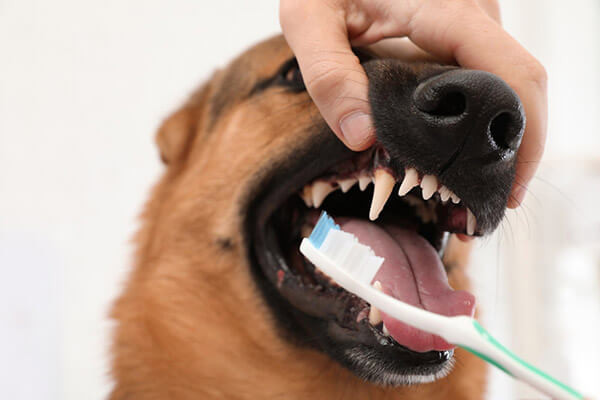
Start by using a toothbrush designed for dogs. These brushes often have softer bristles, making them gentler on your pet’s gums. Pair it with dog-friendly toothpaste; never use human toothpaste, as it can be toxic to dogs.
- Introduce brushing gradually. Let your dog taste the toothpaste first.
- Brush in small circles, focusing on the gum line where plaque tends to build up.
- Reward your dog after brushing to make the experience positive.
Alternative Dental Care Options
If brushing is a struggle, consider dental treats that help reduce plaque and tartar. These treats can be a tasty way to maintain oral health.
Chew toys designed for dental health can also be beneficial. They help clean teeth and massage gums during play.
Regular Professional Check-ups
Your vet can offer professional cleanings and advice tailored to your dog’s needs. Regular check-ups ensure any issues are caught early before they become serious.
Schedule a dental examination at least once a year, or more frequently if recommended by your vet.
Are you ready to take your dog’s dental care to the next level? By prioritizing their oral health, you’re ensuring a happier, healthier life for your furry friend. What’s stopping you from making dental care a routine part of your pet’s life?
Choosing The Right Toothbrush
Brushing your dog’s teeth is crucial for their health. Choosing the right toothbrush can make this task easier and more effective. The right brush helps remove plaque and keeps gums healthy. With various options available, finding the perfect match for your furry friend is important. Let’s explore the types and features to consider.
Types Of Dog Toothbrushes
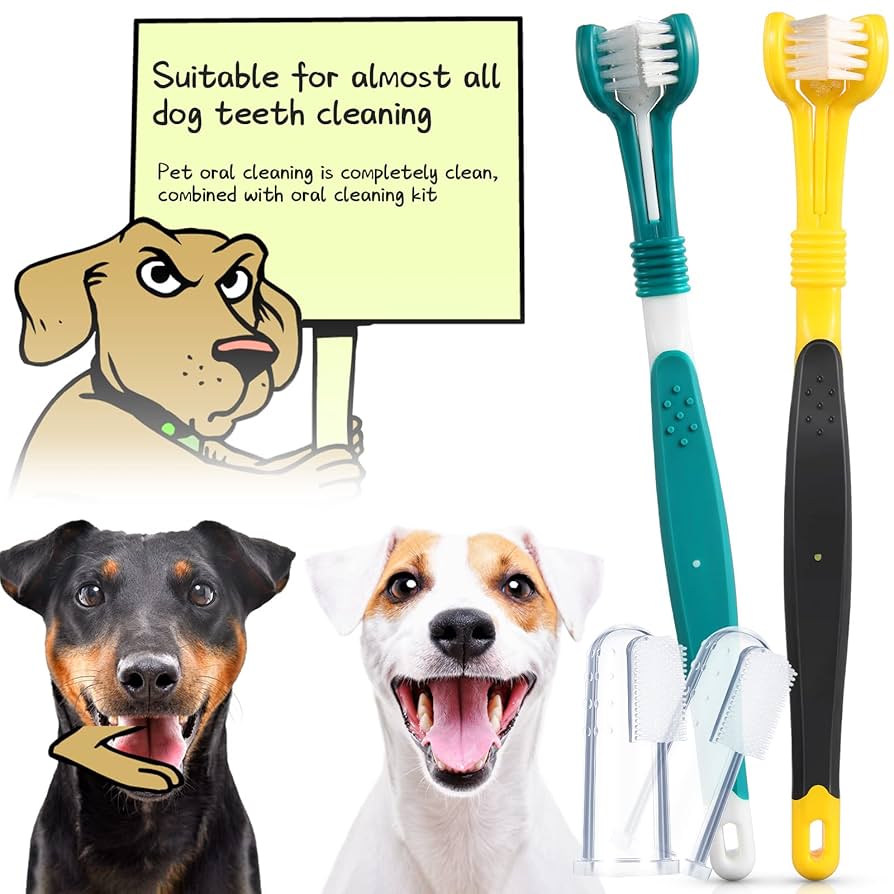
Dog toothbrushes come in several designs. Each offers unique benefits:
- Traditional Brushes:These resemble human toothbrushes. They have a long handle and bristles.
- Finger Brushes:These fit over your fingertip. They offer better control and are gentle.
- Dual-Head Brushes:These have two brush heads. They clean multiple surfaces at once.
- Electric Brushes:These use vibration or rotation. They provide thorough cleaning for dogs tolerant of noise.
Size And Comfort Considerations
Pick a brush size that suits your dog’s mouth. Smaller dogs need smaller brushes. Larger dogs benefit from bigger brush heads.
Comfort matters for both you and your pet. Ensure the handle fits well in your hand. The bristles should be soft to protect gums.
Try different types if unsure. Some dogs prefer finger brushes due to their gentleness. Others may accept a traditional brush better.
Selecting Safe Toothpaste
Brushing your dog’s teeth is crucial for their health. Selecting the right toothpaste ensures safety and effectiveness. Some ingredients can harm dogs, while others improve their oral health. Consider the taste too, as it can encourage brushing. Let’s explore how to choose the best toothpaste for your furry friend.
Ingredients To Avoid
Some toothpaste ingredients are unsafe for dogs. Avoid any toothpaste containing fluoride. It can be toxic if swallowed by dogs. Xylitol is another harmful ingredient. It’s a sugar substitute that can cause severe health issues. Certain artificial sweeteners and colors might also be risky. Always check labels before buying.
Flavor Preferences For Dogs
Dogs have unique taste preferences. Many prefer meat-flavored toothpaste. Chicken or beef flavors can make brushing a treat. Some dogs enjoy mint flavors too. You might need to experiment to find what your dog likes. A flavor they enjoy makes brushing easier and more pleasant.
Credit: dogtime.com
Alternative Dental Tools
Keeping your dog’s teeth clean is essential for their overall health. Traditional toothbrushes are great, but sometimes your furry friend might not be too fond of them. That’s where alternative dental tools come in handy. These tools can make oral hygiene easier and more enjoyable for both you and your dog. Let’s dive into some innovative options that can help maintain your pup’s pearly whites.
Finger Brushes
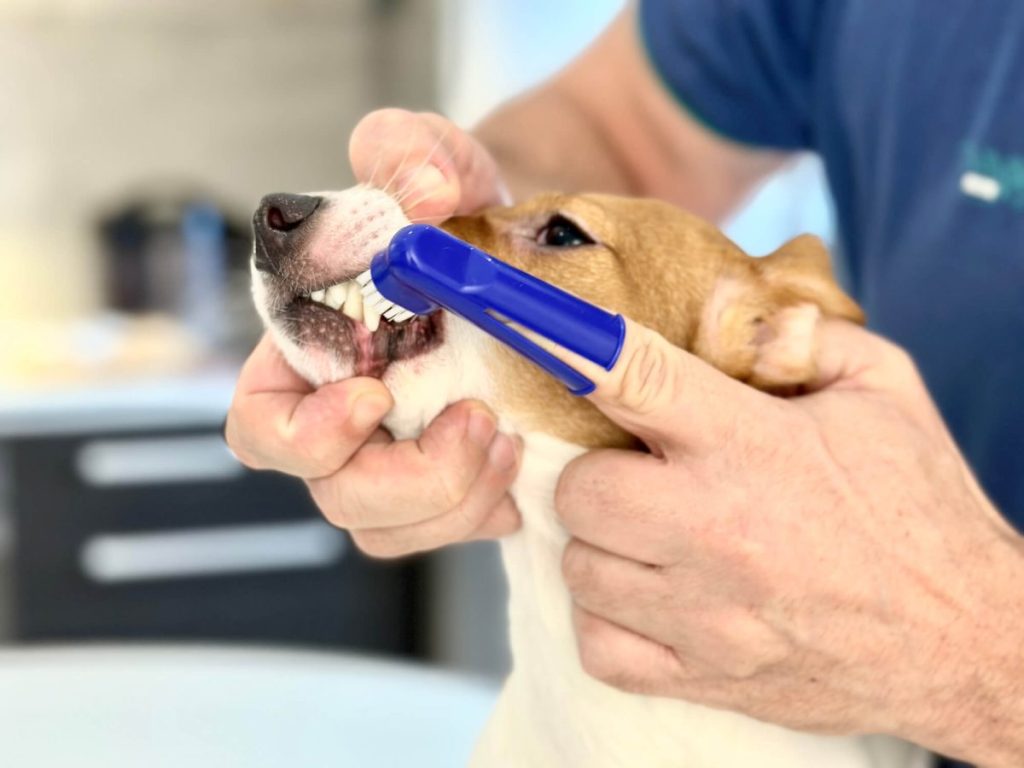
Finger brushes are a fantastic option if your dog is wary of standard toothbrushes. These small, rubber brushes fit snugly on your finger, giving you better control and a gentler touch. They are excellent for reaching every nook and cranny in your dog’s mouth. Many pet owners find that finger brushes make it easier to brush their dog’s teeth without causing stress or discomfort.
Dental Wipes
Dental wipes are convenient for quick clean-ups and can be a lifesaver for dogs who resist brushing. These wipes are pre-moistened with dog-safe dental solutions that help remove plaque and freshen breath. Simply wrap a wipe around your finger and gently rub it over your dog’s teeth and gums. They are a practical choice for busy days when you need to ensure your dog’s oral hygiene without the full brushing routine.
Chew Toys With Dental Benefits
Chew toys with dental benefits are a playful way to promote healthy teeth. Many toys are designed with textures that help clean teeth and massage gums while your dog chews. They are infused with flavors to encourage chewing, which can naturally reduce plaque buildup. Plus, these toys provide entertainment, making dental care feel less like a chore and more like playtime.
Have you tried any of these alternative dental tools with your dog? Finding the right fit for your furry friend’s needs can make all the difference in maintaining their dental health. Consider experimenting with these options and observe how your dog responds. After all, their comfort and happiness are key to a successful dental care routine.
Tips For Effective Brushing
Use a dog toothbrush or a finger brush for better control. Choose canine toothpaste, as human toothpaste can harm dogs. Flavored toothpaste can make brushing more enjoyable for your pet.
Brushing your dog’s teeth might not be at the top of your to-do list, but it’s essential for their health. Just like us, dogs can suffer from dental issues that affect their well-being. By incorporating some simple tips into your routine, you can ensure that your furry friend enjoys a healthy smile and avoids potential health problems.Establishing A Routine
Creating a consistent brushing schedule is key. Aim to brush your dog’s teeth at least two to three times a week. Regularity helps your pet get accustomed to the process. Over time, it becomes just another part of their day. Perhaps you can tie it to a walk or playtime. Consistency not only aids in maintaining oral health but also helps you spot any unusual changes. Do you notice any redness or unusual smells? These could be early signs of dental problems.Making Brushing Enjoyable
How can brushing be a positive experience for your dog? Start by choosing a dog-friendly toothpaste with flavors they love, like chicken or peanut butter. This way, brushing feels more like a treat than a chore. Introduce the toothbrush slowly. Let your dog sniff and play with it. Incorporating gentle strokes and offering praises or treats can make the process enjoyable. A calm and patient approach will turn brushing into a bonding moment rather than a battle.Recognizing Signs Of Dental Issues
Stay vigilant for potential dental problems. Does your dog shy away from brushing or show discomfort? This could indicate sensitive gums or tooth pain. Look for signs like bad breath, broken teeth, or changes in eating habits. These might suggest underlying dental issues that need a vet’s attention. Early detection can prevent more severe health complications down the road. Your dog’s dental health is crucial, and with these tips, you’re well-equipped to keep their smile both healthy and happy!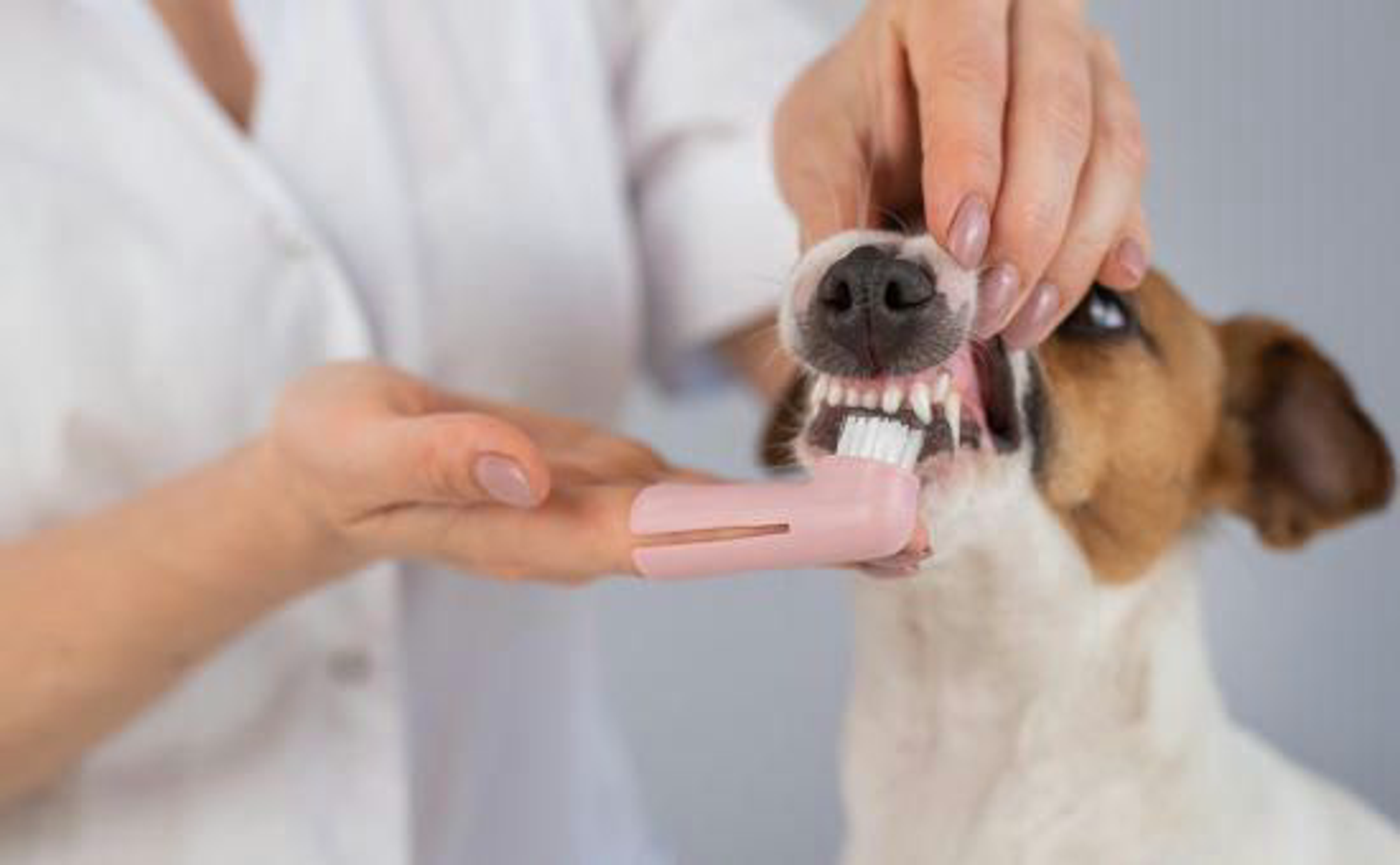
Credit: www.green-petfood.com
Professional Dental Care Options
Professional dental care options for your dog are crucial in maintaining their oral health. While home brushing is essential, professional care adds an extra layer of protection. These services ensure your dog’s teeth are in top shape, preventing serious dental issues.
Vet Check-ups
Regular vet check-ups are the cornerstone of professional dental care for your dog. During these visits, veterinarians assess your dog’s dental health and identify any potential problems. They can spot issues early, before they become major concerns. Imagine catching a cavity before it causes pain or infection. Regular check-ups can make this possible. Plus, your vet can give you tailored advice on how to brush your dog’s teeth effectively at home.
Professional Cleaning Services
Professional cleaning services are another essential aspect of dental care for dogs. These services usually involve a thorough cleaning of your dog’s teeth under anesthesia. This ensures deep cleaning that removes plaque and tartar buildup that regular brushing might miss. Have you ever noticed how fresh your own mouth feels after a dental cleaning? Your dog deserves the same experience. Additionally, professional cleaning can uncover hidden problems like gum disease, allowing for prompt treatment. Consider scheduling these cleanings annually or as recommended by your vet.
Credit: www.scottsdaleveterinaryclinic.com
Frequently Asked Questions
What Is The Best Toothpaste For Dogs?
Use toothpaste specifically formulated for dogs. Human toothpaste can be harmful if swallowed. Dog toothpaste often comes in flavors like poultry or beef, making it more appealing to pets. Always choose a vet-recommended brand to ensure safety and effectiveness.
Can I Use A Human Toothbrush For My Dog?
It’s better to use a dog-specific toothbrush. Dog toothbrushes have softer bristles and are designed for their mouths. Finger brushes are also a good option for beginners. They allow better control and are gentle on the gums.
How Often Should I Brush My Dog’s Teeth?
Brush your dog’s teeth at least two to three times a week. Regular brushing helps prevent plaque buildup and dental diseases. Daily brushing is ideal for maintaining optimal oral health. Consistency is key to keeping your dog’s teeth and gums healthy.
Are Dental Wipes Effective For Dogs?
Yes, dental wipes can be effective for dogs. They help remove plaque and freshen breath. While not a substitute for brushing, they are a good alternative for dogs who resist brushing. Use them regularly for the best results.
Conclusion
Brushing your dog’s teeth keeps them healthy and happy. Choose a toothpaste made for dogs. Human toothpaste can harm them. Use a soft-bristled brush or a finger brush. Regular brushing fights plaque and bad breath. Establish a routine. Make it fun with praise and rewards.
Healthy teeth mean fewer vet visits. Keep your dog’s smile bright and gums strong. Remember, dental care is part of good pet care. Your furry friend deserves the best. A little effort goes a long way. Start today for a healthier tomorrow.