What to Do for Dog Skin Allergies: Expert Solutions
Senior Canine Nutritionist & Dog Behavior Specialist at Cozy Dog Go Wellness Lab

When your furry friend is constantly scratching, it can be heart-wrenching to watch. Dog skin allergies are not just a minor inconvenience—they can seriously impact your pet’s quality of life.
If you’ve noticed your dog itching more than usual, it’s time to take action. Understanding what to do for dog skin allergies is crucial for bringing comfort to your beloved companion and restoring peace to your home. You’ll learn practical, easy-to-apply tips that can make a significant difference.
Imagine a world where your dog feels relief, and you no longer have to worry about their persistent discomfort. Dive into this guide to discover how you can help your dog feel their best again.
Identifying Skin Allergies In Dogs
Dog skin allergies can cause discomfort and irritation for your furry friend. Identifying these allergies early can help in providing relief and proper care. Knowing the signs and types of allergies can guide you in seeking the right treatment.
Common Symptoms
Dogs with skin allergies may exhibit various symptoms. Here are some common signs to watch for:
- Itching and scratching
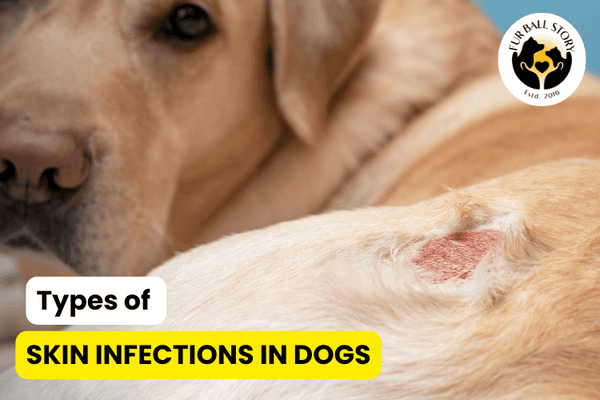
- Red or inflamed skin
- Excessive licking
- Hair loss in patches
- Scaly or flaky skin
If your dog shows these symptoms, consult a vet to confirm allergies.
Types Of Allergies
Several types of allergies can affect your dog’s skin. Understanding these can help in managing the condition effectively.
- Environmental Allergies:Caused by pollen, mold, or dust.
- Food Allergies:Triggered by specific food ingredients.
- Flea Allergies:Due to flea bites or saliva.
- Contact Allergies:Resulting from contact with irritants.
Identifying the specific allergy type is crucial for effective treatment.

Credit: www.amazon.ca
Causes Of Dog Skin Allergies
Dog skin allergies can be distressing for both you and your furry friend. Understanding what triggers these allergies is crucial in providing effective relief. Let’s dive into the primary causes behind dog skin allergies, which include environmental factors, food allergies, and genetic predisposition.
Environmental Factors
Environmental factors are a common culprit when it comes to dog skin allergies. Think about the pollutants and allergens in your surroundings. Dust mites, pollen, and mold are just a few examples that can irritate your dog’s skin.
Have you ever noticed your dog scratching more during certain seasons? Seasonal changes often increase pollen levels, which can exacerbate allergies. Consider how often you clean your pet’s bedding or vacuum your home. Regular cleaning can reduce exposure to these irritants.
Food Allergies
Food allergies can also lead to skin issues in dogs. Your pet might be allergic to certain proteins or additives found in commercial dog food. Chicken, beef, and dairy are common offenders.
Imagine how uncomfortable it must be for your dog to react negatively every time they eat. Switching to a hypoallergenic diet or trying a novel protein source can be a game-changer. How often do you review the ingredients in your dog’s food?
Genetic Predisposition
Some dogs are genetically predisposed to skin allergies. Breeds like Bulldogs, Retrievers, and Terriers are more prone to these issues. It’s not just about the breed; individual genetics play a significant role as well.
Reflect on your dog’s lineage. Knowing their genetic background can help you anticipate potential skin problems. Are you proactive in seeking advice from your vet regarding breed-specific allergies?
Understanding these causes can be your first step towards improving your dog’s quality of life. Addressing these factors head-on can lead to happier, itch-free days for your beloved pet.
Diagnosis Methods
Identifying dog skin allergies involves observing symptoms like itching or redness. Consult a vet for allergy tests. Blood tests and skin scrapings help pinpoint allergens effectively.
Understanding the cause of your dog’s skin allergies is crucial. Proper diagnosis ensures effective treatment and comfort for your furry friend. Let’s explore some common methods.Veterinary Examination
A veterinarian’s examination is the first step. They check for signs like redness, swelling, or rashes. Vets might ask about your dog’s diet and environment. This information helps identify potential allergens. Observing your dog’s behavior and symptoms is key. Vets might recommend further tests based on initial findings.Allergy Testing
Allergy testing pinpoints specific allergens causing issues. Blood tests are common and can detect antibodies to allergens. Skin tests involve injecting small amounts of allergens under the skin. These tests identify allergic reactions. Discuss options with your vet to choose the best method. Testing helps tailor a treatment plan for your dog’s needs.Treatment Options
Consult a vet for proper diagnosis and allergy testing. Consider special diets and hypoallergenic shampoos for relief. Medications like antihistamines may help control itching and inflammation.
Dealing with dog skin allergies can be challenging. These allergies cause discomfort and distress for your furry friend. Fortunately, there are effective treatment options. These options help manage and alleviate the symptoms. Understanding the available treatments is key to providing relief. Let’s explore some options to soothe your dog’s itchy skin.Medications
Medications can provide significant relief for dog skin allergies. Antihistamines are a common choice. They reduce itching and inflammation. Steroids offer stronger relief for severe cases. Always consult a veterinarian before giving any medication. They can determine the correct dosage and type for your dog.Dietary Changes
Diet plays a crucial role in managing skin allergies. Some dogs are sensitive to certain ingredients. Switching to hypoallergenic dog food can help. Look for foods that contain limited ingredients. This makes it easier to identify potential allergens. Omega-3 fatty acids also promote healthy skin. They reduce inflammation and improve the coat’s condition.Topical Treatments
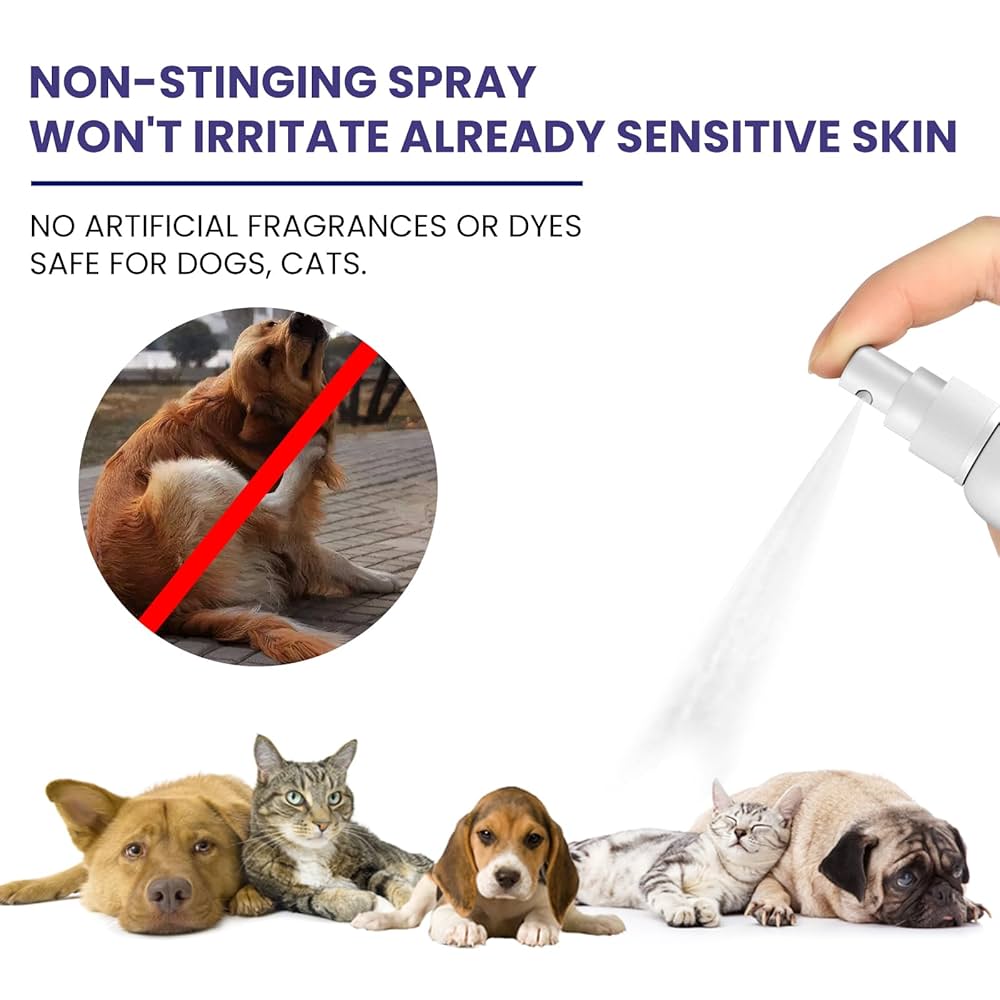
Topical treatments provide targeted relief for itchy skin. Special shampoos soothe irritated skin and reduce itching. Look for shampoos with oatmeal or aloe vera. These ingredients are gentle on the skin. Sprays and creams are also effective. They provide immediate relief and reduce inflammation. Always choose products specifically designed for dogs.Natural Remedies
Dog skin allergies can be distressing for both pets and owners. Many pet owners seek natural remedies to alleviate their dog’s discomfort. Natural solutions can be gentle and effective, promoting healthier skin and a happier pet. Explore some herbal solutions and home-based treatments to soothe your dog’s skin allergies.
Herbal Solutions
Herbs can offer soothing relief for itchy skin. Chamomile and calendula can reduce inflammation. These herbs have calming properties. Brew them as a tea and let it cool. Use the tea as a rinse after your dog’s bath. Oatmeal is another herbal remedy. It can soothe irritated skin. Grind oats into a fine powder. Mix with water to form a paste. Apply to affected areas for relief. Aloe vera gel can also provide cooling relief. It hydrates and heals damaged skin.
Home-based Treatments
Simple treatments at home can ease your dog’s skin allergies. Coconut oil is a natural moisturizer. It can soothe dry, itchy skin. Massage a small amount into your dog’s skin. Apple cider vinegar is another option. Mix equal parts with water. Use it as a rinse to relieve itchiness. Always avoid open wounds. Baking soda can neutralize allergens. Create a paste with water. Apply to your dog’s skin for 10 minutes. Rinse thoroughly.
Natural remedies can offer relief and comfort. They can improve your dog’s quality of life. Always consult your vet before trying new treatments. Ensure the safety and well-being of your furry friend.

Credit: www.amazon.ca
Preventative Measures
Regular grooming helps reduce dog skin allergies. Choose hypoallergenic shampoos to soothe irritation. Clean your dog’s bedding often to remove allergens.
Preventative measures play a crucial role in managing dog skin allergies. These strategies help reduce the frequency and severity of allergic reactions. By adopting simple habits, you can improve your dog’s skin health. Below are some effective preventative measures to consider.Regular Grooming
Regular grooming keeps your dog’s coat clean and healthy. It helps remove allergens like pollen and dust. Brush your dog often to reduce shedding and distribute natural oils. Use a gentle shampoo to avoid irritating sensitive skin. Check for fleas and ticks during grooming sessions. Early detection prevents potential skin issues.Environmental Control
Control your dog’s environment to reduce allergy triggers. Keep your home clean by vacuuming regularly. Use air purifiers to remove airborne allergens. Wash your dog’s bedding weekly in hot water. Limit your dog’s exposure to pollen-heavy areas. Consider creating a safe space indoors for your dog. Choose hypoallergenic materials for toys and blankets.When To Consult A Veterinarian
Dog skin allergies can be distressing for both pets and owners. While some allergies can be managed at home, others require a veterinarian’s expertise. Knowing when to seek professional help is crucial for your dog’s health. Early intervention can prevent further complications and ensure effective treatment. Watch for signs indicating a serious condition that warrants veterinary attention.
Signs Of Severe Allergies
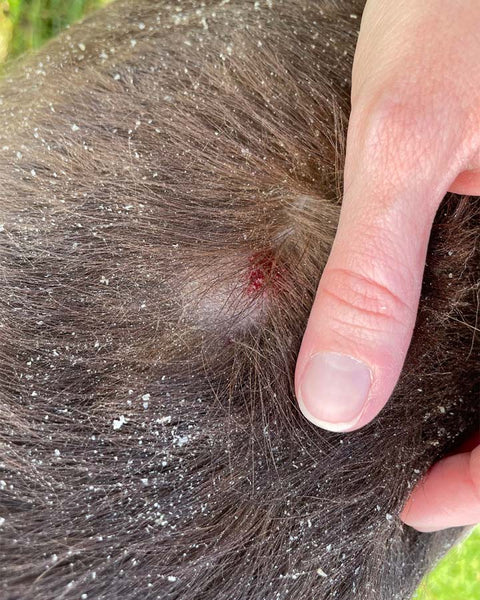
- Continuous itching leading to wounds.
- Redness and swelling on the skin.
- Hair loss in large patches.
- Persistent ear infections.
- Unusual odor from the skin.
If your dog exhibits these symptoms, consult a vet promptly. Severe allergies can affect a dog’s quality of life. Timely intervention can prevent worsening conditions.
Professional Advice
Veterinarians offer tailored solutions for your dog’s allergies. They can identify specific allergens through tests. Treatment options may include medicated shampoos, dietary changes, or prescribed medications. Regular check-ups help monitor your dog’s progress. Professional guidance ensures your pet receives the best care possible.

Credit: abvc.ae
Frequently Asked Questions
What Causes Dog Skin Allergies?
Dog skin allergies are often caused by environmental factors like pollen, dust, or mold. Food allergies, including specific proteins or grains, can also trigger skin reactions. Flea bites are another common cause. Identifying the allergen is crucial for effective treatment and relief for your furry friend.
How Can I Treat My Dog’s Skin Allergies?
Consult a veterinarian for a proper diagnosis and treatment plan. Options may include medicated shampoos, antihistamines, or hypoallergenic diets. Avoiding known allergens and using flea prevention can also help. Regular grooming and using skin-soothing products can provide additional relief.
Are There Natural Remedies For Dog Skin Allergies?
Yes, natural remedies like oatmeal baths and coconut oil can soothe irritated skin. Omega-3 supplements may reduce inflammation. Consult your veterinarian before trying any natural treatments to ensure they’re safe and effective for your pet.
What Are The Symptoms Of Dog Skin Allergies?
Symptoms include itching, redness, and inflamed skin. Dogs may excessively scratch, lick, or bite affected areas. Hair loss and hot spots are other common indicators. If your dog shows these signs, consult a veterinarian for a proper diagnosis and treatment plan.
Conclusion
Dog skin allergies need attention and care. A vet can guide you. They offer treatments and solutions. Regular grooming helps reduce allergens. Clean bedding is essential for comfort. Choose hypoallergenic products for your dog’s skin. Healthy diet supports immune system.
Monitor your dog’s reaction to foods. Try new routines slowly. Watch for signs of improvement. Patience is key in managing allergies. Your dog deserves relief and happiness. Keep learning and adapting. Your efforts make a difference. Happy, healthy pets bring joy.
Always stay informed and consult professionals. Your dog depends on your love and care.

Similar Posts