What Vaccines Do Dogs Need for Grooming: Essential Guide
Senior Canine Nutritionist & Dog Behavior Specialist at Cozy Dog Go Wellness Lab

Are you planning to take your furry friend for a grooming session? Before you do, there’s something crucial you need to know.
Just like us, dogs require certain vaccinations to ensure their health and safety during grooming. These vaccines don’t just protect your pet; they also safeguard the entire grooming environment from potential diseases. With the right vaccines, you can prevent a host of problems and give your dog the best grooming experience possible.
Keep reading to discover which vaccines are essential for your dog before their next grooming appointment. You’ll gain peace of mind knowing your beloved pet is protected, and you’ll learn how to make their grooming sessions stress-free and enjoyable. Don’t miss out on this vital information that every responsible pet owner should know.
Core Vaccines For Dogs
Dogs need core vaccines before grooming. These include rabies, distemper, and parvovirus vaccines. Protecting them ensures safety during grooming sessions.
Understanding the core vaccines your dog needs for grooming is crucial for their health and safety. These vaccines protect against serious diseases and ensure your furry friend remains healthy while socializing with other pets. Let’s dive into the essential vaccines every dog should receive.Rabies Vaccine
The rabies vaccine is not only essential but legally required in many areas. Rabies is a fatal virus that can affect both animals and humans. Make sure your dog is up to date with this vaccine to keep them safe and compliant with local laws.Distemper Vaccine
Distemper is a highly contagious virus that affects the respiratory, gastrointestinal, and nervous systems. This vaccine is vital as the disease can be fatal, especially in young puppies. Regular boosters ensure your dog remains protected throughout their life.Parvovirus Vaccine
Parvovirus is known for causing severe gastrointestinal issues in dogs. It’s highly contagious and can be deadly without prompt treatment. Vaccination is key to preventing this disease, especially since it spreads easily through direct and indirect contact.Adenovirus Vaccine
The adenovirus vaccine protects against infectious canine hepatitis, a disease that affects the liver. This vaccine is often combined with the distemper and parvovirus vaccines for comprehensive protection. Keeping your dog vaccinated helps prevent outbreaks in dog-friendly environments. By ensuring your dog receives these core vaccines, you not only safeguard their health but also contribute to the well-being of the wider pet community. Have you checked your dog’s vaccination schedule lately? It’s a small step that makes a big difference.Credit: www.petco.com
Non-core Vaccines
Non-core vaccines are essential for specific situations. These vaccines are not mandatory for all dogs. They protect against diseases common in certain areas or environments. Understanding these vaccines helps keep dogs healthy, especially in grooming settings.
Bordetella Vaccine
Bordetella causes kennel cough. It’s common in places with many dogs. Grooming salons are such places. This vaccine reduces the risk of infection. It’s crucial for dogs visiting groomers often.
Leptospirosis Vaccine
Leptospirosis spreads through water or soil. It’s dangerous and affects the kidneys and liver. Dogs going outside frequently may need this vaccine. It helps protect against severe illness.
Lyme Disease Vaccine
Lyme disease comes from tick bites. Ticks are often found in grassy areas. This vaccine is important for dogs living near woods or fields. It prevents long-term health issues.
Canine Influenza Vaccine
Canine influenza is like a dog flu. It spreads quickly among dogs. Grooming places can be hotspots. This vaccine helps stop the spread. It’s beneficial for dogs in social environments.
Importance Of Vaccination For Grooming
Vaccination plays a critical role in ensuring your dog’s health, especially when it comes to grooming. Imagine the bustling environment of a grooming salon filled with dogs eager to socialize. This scenario underscores the importance of vaccinations. Not only do they safeguard your furry friend, but they also protect other dogs from potential health risks. Vaccines are the invisible shield that ensures every grooming session is a safe and happy experience.
Preventing Disease Transmission
Have you ever wondered what happens when dogs mingle at the grooming salon? Without proper vaccinations, disease transmission can become a real concern. Grooming involves close contact with other dogs, shared grooming tools, and sometimes communal spaces. A vaccine acts as a barrier, preventing diseases like Bordetella and Canine Influenza from spreading. It’s akin to providing your dog with a protective armor against invisible threats. By vaccinating, you’re not only protecting your dog but also contributing to the health of the entire dog community.
Ensuring Safe Socialization
Socialization is an essential aspect of your dog’s life. Grooming salons offer a unique opportunity for dogs to interact and socialize with others. However, without vaccinations, this socialization can pose risks. Vaccines ensure that your dog can safely enjoy the company of other dogs. Picture your pup meeting new friends without the worry of contracting illnesses. Vaccinations pave the way for safe and carefree interactions, allowing your dog to build confidence and social skills.
Credit: www.facebook.com
Grooming Facility Requirements
Dog grooming facilities have specific vaccination requirements to ensure safety. These requirements protect both pets and grooming staff from potential health risks. Understanding these requirements is vital for every dog owner. Vaccinations keep your pet healthy and prevent disease spread in public places.
Common Vaccination Policies
Many grooming salons have a list of required vaccines. These vaccines typically include rabies, distemper, and parvovirus. Rabies is crucial as it protects against a severe virus. Distemper and parvovirus protect against highly contagious diseases. Some facilities may also require vaccines for bordetella. Bordetella protects against kennel cough, a common respiratory infection. Check with your groomer for specific vaccination needs.
Health Certifications Needed
Some grooming facilities may ask for health certifications. These certifications prove your dog is healthy and up-to-date on vaccines. A vet provides these after examining your dog and confirming vaccinations. Presenting a health certificate reassures groomers of your pet’s health status. It helps maintain a safe and clean environment for all pets.
Vaccination Schedule For Dogs
Regular vaccination is essential for dogs, especially before grooming. Core vaccines include rabies, distemper, and parvovirus. These protect against serious diseases, ensuring a healthy grooming experience.
Vaccinations keep dogs healthy and ready for grooming. A proper vaccination schedule protects them from diseases. This schedule varies for puppies and adult dogs. Understanding it ensures your pet stays safe and healthy.Puppy Vaccination Timeline
Puppies need several vaccines in their first year. These vaccines protect against common diseases. – 6-8 weeks: Start with the first shots. They include distemper and parvovirus. – 10-12 weeks: Follow up with more vaccines. These include hepatitis and leptospirosis. – 14-16 weeks: Finish the initial series. Rabies and boosters are given now. Keep this timeline handy. It ensures your puppy’s health and readiness for grooming.Adult Dog Booster Shots
Adult dogs need booster shots. These maintain their immunity. – Yearly or every three years: Rabies booster is essential. Check local regulations for timing. – Every year: Other boosters include distemper, parvovirus, and leptospirosis. – Every six months to a year: Consider bordetella if your dog visits groomers often. Regular boosters keep adult dogs protected. This keeps them healthy for grooming and socializing.Choosing The Right Vaccines
Choosing the right vaccines is vital for a dog’s grooming routine. Essential vaccines include rabies, distemper, and parvovirus. These protect your pet and ensure a safe grooming experience.
Choosing the right vaccines for your dog is a crucial step in ensuring their health and safety during grooming appointments. Vaccines protect your furry friend from various diseases that they may encounter at grooming salons or while interacting with other pets. But how do you know which vaccines are necessary for your dog?Consulting With Veterinarians
Your veterinarian is your best ally in making informed decisions about your dog’s vaccinations. They can provide guidance tailored to your dog’s specific needs and health status. Regular check-ups allow your vet to assess your dog’s current health and recommend any additional vaccines if necessary. Engage in an open dialogue with your vet, asking questions about the benefits and potential side effects of each vaccine. This will help you make educated choices for your dog’s well-being. Trusting their expertise ensures you aren’t over-vaccinating or missing crucial protections.Assessing Lifestyle Factors
Your dog’s lifestyle plays a significant role in determining necessary vaccines. Consider factors such as how often your dog interacts with other animals or frequents public places. Dogs that regularly visit dog parks or grooming salons may require more extensive vaccination coverage. Evaluate your dog’s daily routine and environment to identify potential risks. If your dog is often outdoors or in contact with wildlife, vaccines like Leptospirosis may be recommended. Tailoring vaccine choices to your dog’s lifestyle ensures they receive the appropriate protection without unnecessary extras. Choosing the right vaccines is a personalized process. What steps will you take to ensure your dog’s health and safety during grooming?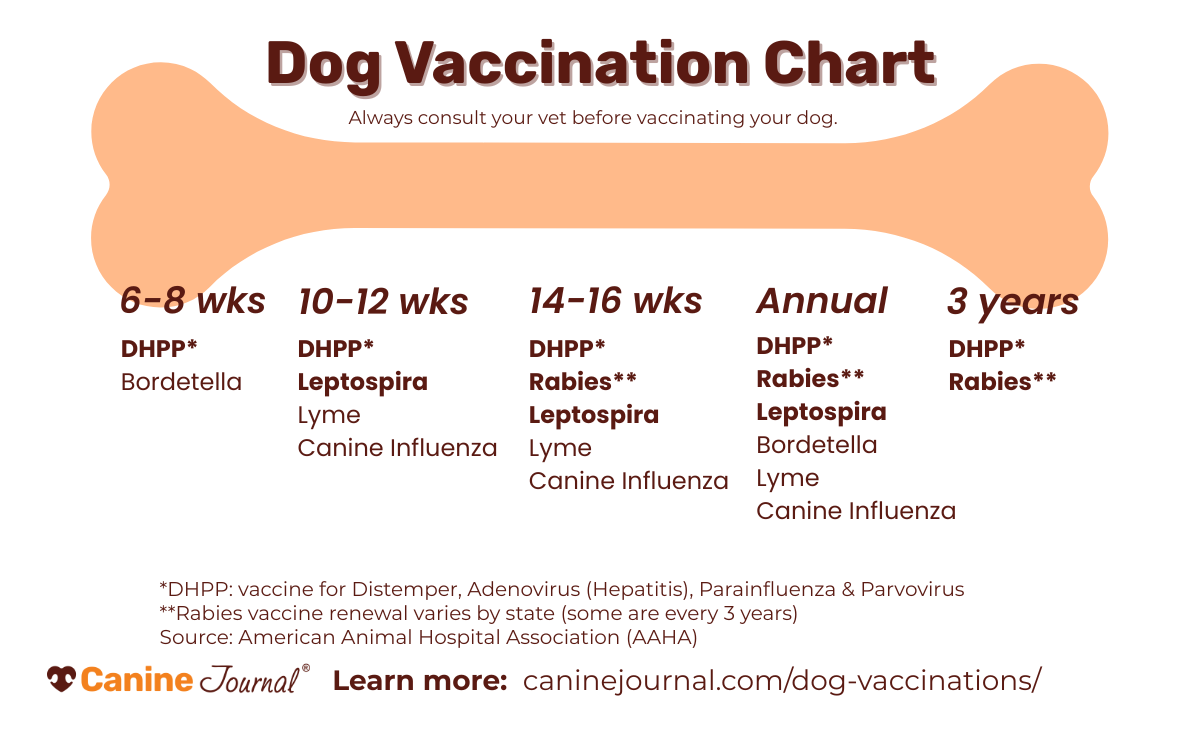
Credit: www.caninejournal.com
Frequently Asked Questions
What Vaccines Are Needed For Dog Grooming?
Dogs typically need rabies, distemper, and bordetella vaccines for grooming. These vaccines protect them from contagious diseases. Most grooming facilities require proof of these vaccinations to ensure the safety of all pets. It’s essential to keep your dog’s vaccinations up to date to prevent infections and ensure a smooth grooming experience.
Why Are Vaccines Important For Dog Grooming?
Vaccines prevent the spread of diseases during grooming. Grooming facilities often host many dogs, increasing the risk of infection. Vaccines like rabies and bordetella protect against common diseases. Ensuring your dog is vaccinated helps maintain health standards and provides a safer environment for all pets.
How Often Should Dogs Be Vaccinated For Grooming?
Dogs should receive vaccinations according to their veterinarian’s schedule. Typically, rabies is given annually, while bordetella might be every six months. It’s essential to consult with your vet for specific recommendations. Keeping up with vaccinations ensures your dog can be groomed without health risks.
Can Dogs Be Groomed Without Vaccines?
Most grooming facilities require proof of vaccination. This policy ensures all dogs are protected from contagious diseases. Without vaccines, your dog might be denied grooming services. It’s important to maintain up-to-date vaccinations to avoid any inconvenience and ensure your dog’s safety during grooming.
Conclusion
Grooming keeps dogs healthy and looking great. Vaccines play a key role. They protect dogs from diseases. Regular vaccinations make grooming safe and stress-free. Always check with your vet. They will guide you on the necessary shots. Staying updated on vaccines is crucial.
It ensures your dog’s well-being. Happy dogs enjoy grooming sessions more. So, keep track of vaccination schedules. This helps prevent sickness and discomfort. Your furry friend deserves the best care. A healthy dog means a happy life. Make grooming a safe experience.
Vaccinate your dog regularly for peace of mind.

Similar Posts