What’S Good for Dog Dry Skin: Top Remedies Revealed
Senior Canine Nutritionist & Dog Behavior Specialist at Cozy Dog Go Wellness Lab

Is your furry friend scratching more than usual? If so, you might be dealing with the challenge of dog dry skin.
This common issue can make your beloved pet uncomfortable and restless. But don’t worry, you’re not alone in this. Many dog owners face similar concerns and are eager to find effective solutions. Imagine your dog’s relief when those persistent itches fade away.
Picture the peace of mind you’ll have knowing you’ve found the right remedy. We’ll explore what’s good for dog dry skin, offering simple yet powerful tips to soothe your pup’s discomfort. Let’s uncover the secrets to a happier, itch-free pet that will have tails wagging in no time. Ready to give your dog the comfort they deserve? Keep reading to discover how you can make a difference.
Causes Of Dry Skin In Dogs
Environmental factors like cold weather or low humidity can dry out a dog’s skin. Poor diet lacking essential nutrients also contributes to skin issues. Regular grooming and moisturizing can help maintain healthy skin.
Dry skin in dogs can be more than just a minor inconvenience. It can lead to itchiness, discomfort, and even infections if not addressed promptly. Understanding the causes of dry skin in dogs can help you effectively manage and prevent this condition, ensuring your furry friend remains happy and healthy.Environmental Factors
Environmental factors play a significant role in your dog’s skin health. Dry air, especially during the winter months, can strip moisture from your dog’s skin. If you notice your dog scratching more during cold weather, it might be time to consider a humidifier for your home. Additionally, frequent bathing can remove natural oils from your dog’s skin, contributing to dryness. Opt for gentle shampoos and limit baths to when they’re absolutely necessary.Dietary Influences
Your dog’s diet directly impacts their skin condition. A lack of essential fatty acids, like Omega-3 and Omega-6, can lead to dry skin. Including these nutrients in their diet can improve skin moisture and overall health. Consider adding fish oil supplements or integrating foods rich in these nutrients into their meals. Just like humans, dogs benefit from a balanced diet full of vitamins and minerals.Allergies And Sensitivities
Dogs can be allergic or sensitive to certain substances, leading to skin issues. Common allergens include pollen, dust mites, and certain food ingredients. If your dog suddenly develops dry skin, think about recent changes in their environment or diet. Consulting a vet might be necessary to pinpoint the exact cause and to explore hypoallergenic options that can alleviate your dog’s discomfort.Underlying Health Conditions
Sometimes, dry skin is a symptom of an underlying health issue. Conditions like hypothyroidism or Cushing’s disease can manifest as skin problems. Regular check-ups with your vet can help identify these issues early. It’s essential to monitor any additional symptoms your dog might have, such as lethargy or unexplained weight changes, which could indicate a larger health concern. By understanding these causes, you can take proactive steps to address your dog’s dry skin. Have you noticed any of these factors affecting your dog’s skin health? Addressing them can lead to happier, itch-free days for your furry companion.Identifying Dry Skin Symptoms
Dry skin in dogs can be a frustrating issue for both you and your furry friend. It can make your pet uncomfortable and lead to further health problems if not addressed. Knowing how to identify the symptoms of dry skin is crucial in ensuring your dog’s skin stays healthy and hydrated. By recognizing the signs early, you can take steps to alleviate your dog’s discomfort and improve their quality of life.
Visible Signs To Look For
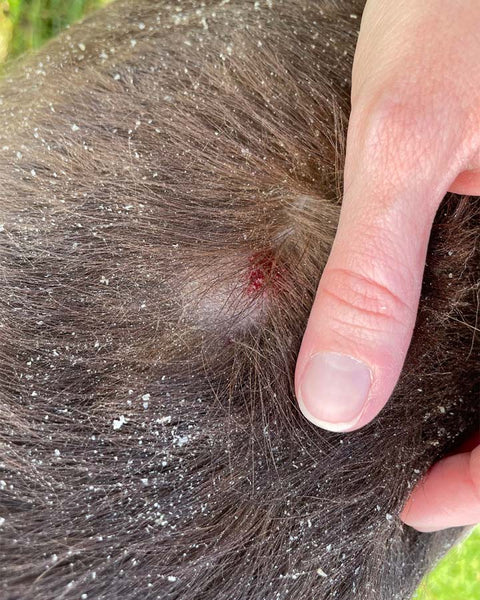
Take a close look at your dog’s skin and fur. Is their coat looking dull or flaky? Flaky skin is often a clear indicator of dryness. You may also notice redness or small bumps on their skin. These symptoms are often more visible on areas with less fur, such as the belly or inside of the ears. Checking these areas regularly can help you catch any issues early.
Another visible sign is excessive shedding. While shedding is normal, if you find clumps of fur around the house more often, it might be due to dry skin. Pay attention to these subtle changes—they can provide clues about your dog’s skin health.
Behavioral Changes In Dogs
Dry skin doesn’t just affect your dog’s appearance; it can also impact their behavior. Have you noticed your dog scratching more than usual? Increased scratching can be a sign of irritation caused by dry skin. Over time, this scratching can lead to sores or infections, so it’s important to address it promptly.
Dogs with dry skin may also be more lethargic or less interested in activities they usually love. If your dog is less playful or seems uncomfortable, dry skin might be the culprit. Observing these behavioral changes can help you pinpoint the issue and consider possible solutions.
Think about your dog’s recent habits. Are they avoiding certain surfaces or trying to rub against things more frequently? These actions can indicate discomfort from dry skin, and knowing what to look for can make all the difference in ensuring your dog stays happy and healthy.
Natural Remedies For Relief
Coconut oil can soothe a dog’s dry skin effectively. Oatmeal baths also provide relief by moisturizing and calming irritation.
Dog dry skin can be a real challenge, but there are natural remedies that can help soothe your furry friend’s discomfort. These remedies are not just effective but also safe and gentle for your dog’s skin. Let’s dive into some simple yet powerful solutions to give your dog the relief they need.Coconut Oil Benefits
Coconut oil is a powerhouse when it comes to moisturizing dry skin. Applying a small amount directly to your dog’s skin can bring immediate relief. Many pet owners have noticed their dogs’ coats becoming shinier after regular use. It’s also great for reducing inflammation and soothing irritated skin. Wouldn’t it be amazing if a simple kitchen staple could transform your dog’s skin health?Oatmeal Baths
Oatmeal is a natural soothing agent that’s perfect for a calming bath. Grinding oatmeal into a fine powder and mixing it into your dog’s bathwater can provide much-needed relief. This is a trick many dog owners swear by, especially for dogs with sensitive skin. It helps to reduce itching and irritation, making bath time a relaxing experience. Have you tried turning bath time into a spa day for your pup?Aloe Vera Applications
Aloe vera is known for its healing properties, and it’s just as beneficial for dogs as it is for humans. Applying aloe vera gel directly to dry patches can help heal and hydrate the skin. It’s particularly effective for sunburned areas or spots with persistent dryness. Many pet parents keep a bottle of aloe vera gel handy for quick relief. Could this be the soothing solution your dog’s skin has been craving? Trying these natural remedies can make a big difference in your dog’s comfort and overall skin health. Which one will you try first?
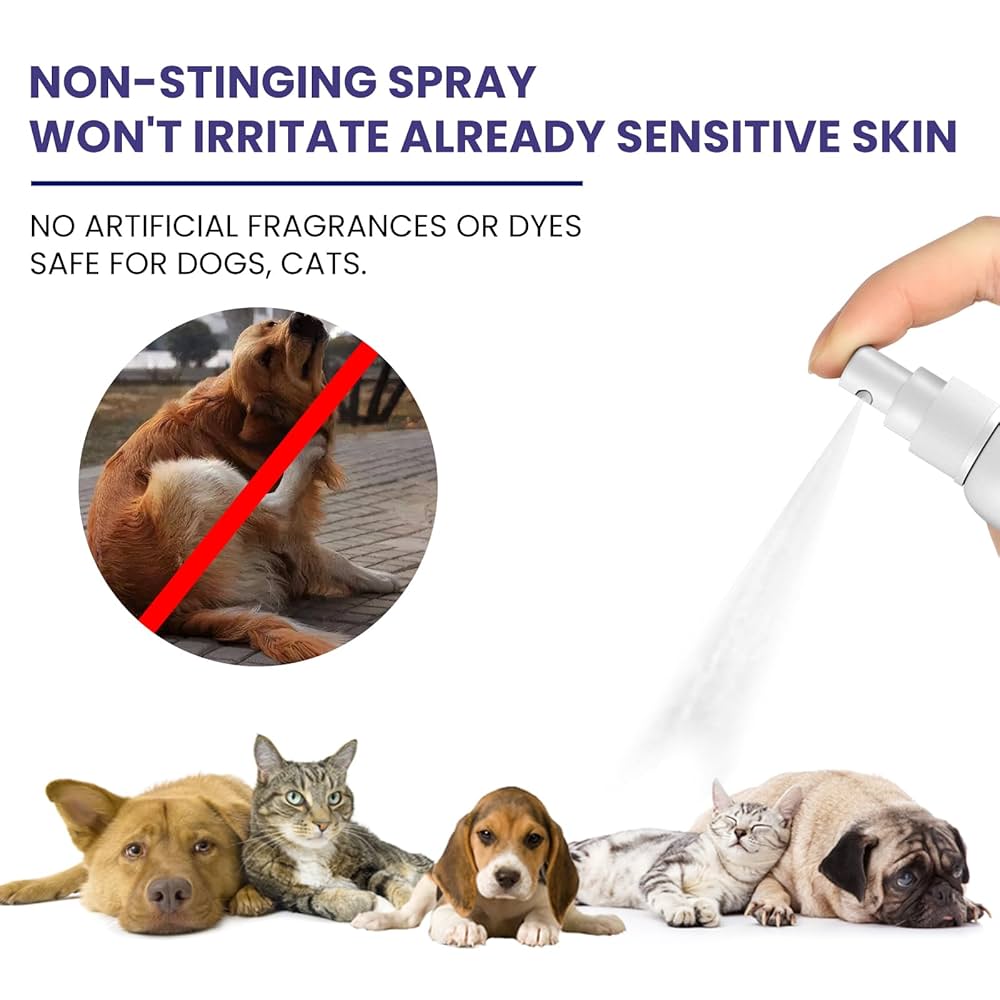
Credit: www.amazon.com
Dietary Adjustments For Skin Health
Boost your dog’s skin health with foods rich in omega-3 fatty acids. These help reduce dryness and inflammation. Adding vitamin E and zinc can also improve skin condition and support a shiny coat.
Dietary adjustments can greatly improve your dog’s skin health. Dry skin in dogs often stems from nutritional deficiencies. By focusing on specific dietary components, you can help alleviate this issue. Here’s how certain nutrients can make a difference in your dog’s skin condition.Essential Fatty Acids
Essential fatty acids are crucial for skin health. Omega-3 and Omega-6 fatty acids help maintain skin moisture. They reduce inflammation and improve the skin barrier. These fatty acids are found in fish oils and flaxseed. Adding them to your dog’s diet can enhance skin texture. Ensure balanced fatty acid intake to avoid imbalances.Hydration Importance
Proper hydration is vital for skin health. Dry skin often results from dehydration. Encourage your dog to drink fresh water daily. Wet food can also increase water intake. A hydrated body supports healthy skin cells. Be mindful of water consumption, especially in dry weather.Vitamin-rich Foods
Vitamins play a significant role in skin health. Vitamin E and Vitamin C are antioxidants that protect skin cells. They promote healing and reduce oxidative stress. Foods rich in these vitamins include sweet potatoes and spinach. Incorporate them into your dog’s meals for better skin health. Ensure a variety of vitamin-rich foods for balanced nutrition.Commercial Products For Dry Skin
Coconut oil can soothe dog dry skin and reduce itchiness. Aloe vera gel offers natural relief and promotes healing. Oatmeal baths provide gentle nourishment and moisturization for sensitive skin.
Dog dry skin can be a frustrating issue, leaving your furry friend uncomfortable and itchy. Fortunately, there are numerous commercial products available to help alleviate this condition. These products are designed to hydrate and nourish your dog’s skin, providing relief and promoting a healthy coat. Let’s explore some effective solutions you can consider.Choosing The Right Shampoo
Selecting a shampoo specifically formulated for dry skin is crucial. Look for gentle shampoos enriched with natural ingredients like oatmeal or aloe vera, known for their soothing properties. Avoid shampoos with harsh chemicals, as they can strip natural oils from your dog’s skin, worsening dryness. Consider a product with added vitamins and minerals to nourish the skin. Brands like Earthbath offer shampoos that cater to sensitive and dry skin, ensuring a comfortable bathing experience for your dog.Moisturizing Conditioners
A moisturizing conditioner can be a game changer for your dog’s dry skin. These conditioners work to lock in moisture, leaving the skin hydrated and the coat shiny. Opt for conditioners that contain ingredients such as shea butter or coconut oil, which are excellent for skin hydration. Apply conditioner generously after shampooing, allowing it to sit for a few minutes before rinsing. This ensures maximum absorption, providing long-lasting relief to your dog’s dry skin.Specialized Skin Care Lotions
Specialized skin care lotions are another effective option to combat dry skin. These lotions are designed to be applied directly to the skin, delivering moisture and soothing irritated areas. Products like Dermagic Skin Rescue Lotion are specifically crafted to treat dry and flaky skin. Use these lotions regularly, especially in areas where your dog’s skin is prone to dryness. This not only alleviates discomfort but also prevents future dryness, keeping your dog’s skin healthy and comfortable. Could the right product be the key to a happier, itch-free pup? By choosing suitable commercial products, you can significantly improve your dog’s skin health, ensuring they remain happy and lively.Preventive Measures
Preventive Measures To soothe a dog’s dry skin, provide omega-rich foods and ensure regular grooming. Hydrating baths with oatmeal shampoo can offer relief.
Preventive Measures Dog dry skin can be uncomfortable for your furry friend and worrying for you. Taking preventive measures is the first step to ensuring your dog’s skin remains healthy. It’s about adopting habits that contribute to their overall well-being.Regular Grooming Practices
Regular grooming is not just about keeping your dog looking neat. It’s essential for maintaining healthy skin. Brushing your dog’s coat can help distribute natural oils, which are crucial for keeping their skin moist. A friend once shared how a simple routine of brushing her dog’s fur twice a week drastically reduced his dry skin issues. Imagine how a small change could make a big difference for your pet!Maintaining A Balanced Diet
A balanced diet plays a significant role in skin health. Dogs need a diet rich in omega-3 and omega-6 fatty acids, which help keep their skin hydrated. Including foods like fish and flaxseed can provide these essential nutrients. Have you noticed how your dog’s energy levels fluctuate with dietary changes? It’s similar with their skin health. A small adjustment in diet can lead to noticeable improvements.Monitoring Environmental Changes
Environmental factors, such as changes in humidity and temperature, can impact your dog’s skin. Dry air from heaters in winter can lead to dry skin. Consider using a humidifier to maintain moisture in the air. Have you ever wondered why your dog seems itchier during certain seasons? Keeping an eye on environmental changes can help you pinpoint the cause and adjust accordingly. Taking these preventive measures can help ensure your dog’s skin stays healthy and comfortable. What changes will you make today to improve your dog’s skin health?When To Consult A Veterinarian
Consult a veterinarian if your dog’s dry skin persists despite home treatments. Persistent itching, redness, or sores need professional attention. Early consultation can prevent more serious skin issues.
When it comes to your dog’s dry skin, knowing when to consult a veterinarian is crucial. While some dryness can be managed at home, certain signs require professional attention. Early intervention can prevent more serious issues and ensure your dog’s comfort. Below are key moments to seek veterinary advice.Persistent Symptoms
If your dog’s dry skin symptoms persist, it’s time to see a vet. Watch for continuous itching, redness, or flaking. These could signal underlying issues. Persistent symptoms might indicate allergies or infections. Ignoring them can lead to more severe conditions.Severe Skin Conditions
Severe skin conditions require immediate veterinary care. Look for signs of bleeding, open sores, or intense scratching. These symptoms might suggest a serious ailment. Your vet can diagnose and treat these effectively. Waiting might worsen the situation.Expert Advice And Treatment Options
Veterinarians offer expert advice and treatment options. They can identify root causes of dry skin. Treatments may include medicated shampoos, dietary changes, or medications. Professional guidance ensures tailored care for your dog. Trust their expertise for the best outcomes.
Credit: www.amazon.com

Credit: www.pawparentacademy.com
Frequently Asked Questions
How Can I Soothe My Dog’s Dry Skin?
You can soothe your dog’s dry skin by using natural moisturizers like coconut oil or oatmeal baths. Regular grooming and hydration also help. Consult your vet for a suitable diet, as nutrition plays a key role. Avoid harsh shampoos and opt for hypoallergenic options to prevent further irritation.
What Are Common Causes Of Dry Skin In Dogs?
Common causes of dry skin in dogs include poor diet, allergies, and environmental factors like dry weather. Parasites and infections can also contribute. Sometimes, frequent bathing with harsh shampoos strips natural oils. Regular vet check-ups can help identify underlying health issues that might be causing skin dryness.
Is Coconut Oil Good For Dogs With Dry Skin?
Yes, coconut oil is beneficial for dogs with dry skin. It moisturizes and promotes healing. Apply a small amount directly to the skin or add it to food. Ensure your dog isn’t allergic to it. Coconut oil also has anti-inflammatory properties, which can reduce skin irritation.
What Diet Helps Prevent Dry Skin In Dogs?
A diet rich in omega-3 fatty acids and vitamins helps prevent dry skin in dogs. Include fish oils, flaxseeds, and high-quality proteins. Ensure your dog gets adequate hydration. Consult your vet for personalized dietary recommendations. Balanced nutrition supports skin health and overall well-being.
Conclusion
Healthy skin keeps dogs happy and comfortable. Regular grooming helps maintain skin health. Choose a gentle shampoo for your dog. Moisturizing oils can soothe dry skin. Consult a vet for persistent skin issues. A balanced diet supports skin health. Omega-3 supplements may help improve skin condition.
Hydration is important for skin wellness. Avoid harsh chemicals in grooming products. Keeping your dog’s environment clean aids skin health. Consistent care prevents skin problems in dogs. Happy dogs have healthy skin.

Similar Posts