When Do Dogs Shed Their Puppy Coat: Key Insights
You’ve welcomed a playful puppy into your home, and life is full of wagging tails and tiny paws. But as your furry friend grows, you might notice changes in their coat.
One day, the soft puppy fur seems to be everywhere—on your clothes, your couch, and even in your morning coffee. You might wonder, “When do dogs shed their puppy coat? ” This transformation is a natural part of your dog’s journey to adulthood.
Understanding the timing and reasons behind this shedding can help you manage the process with ease and ensure your pup’s transition is smooth. Stick around to discover not only when this shedding occurs but also how you can make it a stress-free experience for both you and your pup.

Credit: www.purina.com
Puppy Coat Characteristics
Puppies begin shedding their fluffy coat around three to six months of age. During this time, their fur transitions to adult texture and color. Regular grooming helps manage shedding and keeps their coat healthy.
Understanding the characteristics of a puppy coat can make the transition to adulthood less of a mystery. Puppies are born with a soft, fluffy coat that feels like a gentle cloud. This coat serves as a protective layer, keeping them warm and cozy.Softness And Texture
The puppy coat is notably softer than the adult coat. Touch it, and you’ll notice it feels like silk. It’s this softness that often makes puppy cuddles irresistible.Color Variations
Puppy coats might differ in color from their adult counterparts. A black puppy could grow into a grey or even white adult. This gradual change can be surprising but is perfectly normal.Thickness And Density
While fluffy, the puppy coat is usually not as dense as the adult coat. It’s designed to provide warmth without the weight. Does your puppy’s coat seem less thick? That’s a typical characteristic that changes as they grow.Shedding Frequency
Puppies shed less than adult dogs. Their initial coat doesn’t shed often, which is a relief for your cleaning routine. But be prepared, as this changes when they develop their adult coat.Individual Variation
Not all puppies are the same. Some might shed their coat earlier or later than others. Watching your puppy’s coat evolve can be an exciting journey. Have you noticed any unique changes in your puppy’s coat? Understanding these characteristics helps you anticipate changes and care for your puppy better. Every fur strand tells a story of growth and change. Enjoy each phase of your puppy’s life, and be ready for the next chapter.Timing Of Shedding
Understanding when dogs shed their puppy coat is crucial for pet owners aiming to maintain their furry friend’s comfort and appearance. Shedding is a natural process that varies in timing, often influenced by breed characteristics and environmental conditions. Knowing when your puppy will transition to its adult coat can help you prepare for the shedding period and manage it effectively.
Breed Variations
Different breeds have unique shedding timelines. For instance, some breeds like Golden Retrievers start shedding their puppy coat around 6 months, while others like Poodles may take up to a year. Short-haired breeds generally shed their puppy coat earlier compared to long-haired breeds. It’s fascinating how the diversity in breed genetics affects shedding schedules.
Environmental Factors
Environmental factors, such as climate and living conditions, can significantly impact shedding timing. Puppies in warmer climates might shed earlier due to the need for a lighter coat, while those in cooler areas may retain their puppy coat longer. Additionally, indoor dogs may shed differently than outdoor dogs, influenced by temperature control and exposure to sunlight.
Have you noticed any patterns with your puppy? Observing these changes can offer insights into when shedding might occur. Preparing for this transition with proper grooming tools and techniques can make the process smoother for both you and your pet. Are you ready for the puppy coat transformation? Embrace this natural phase with understanding and care, ensuring your dog feels comfortable as they grow into their adult coat.
Signs Of Shedding
Recognizing the signs of shedding in puppies can help pet owners prepare for this natural process. As puppies grow, they lose their soft puppy coat and develop a thicker adult coat. Watching for specific signs can ensure proper care during this transition.
Physical Changes
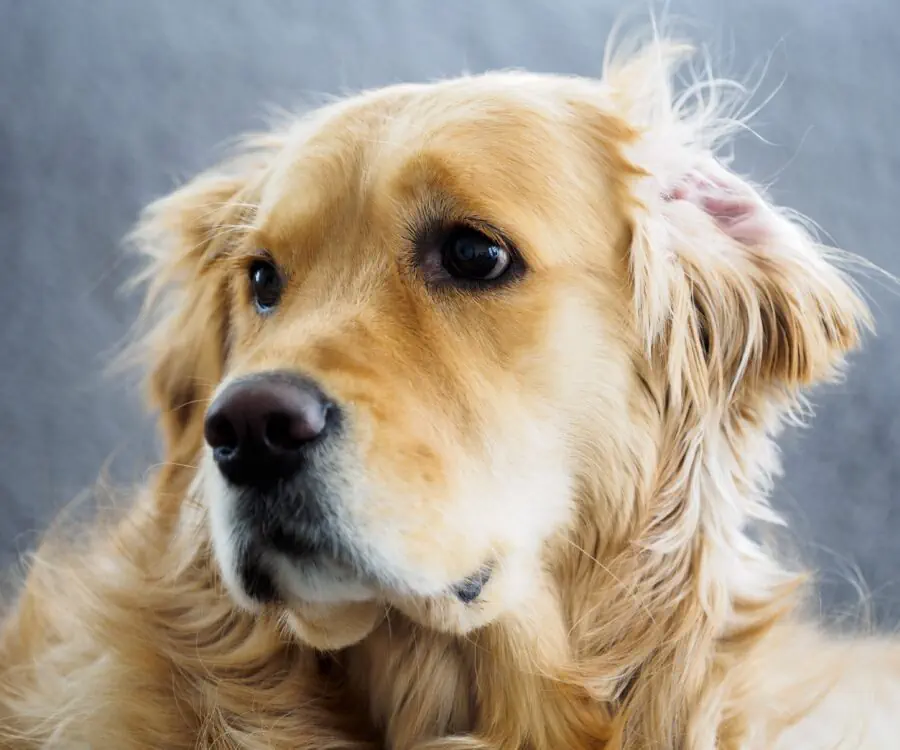
One noticeable sign is the appearance of loose fur around the home. The puppy’s coat may look uneven or patchy. New fur growth might have a different texture or color. You may see more fur on clothes and furniture.
Behavioral Indicators
Puppies may scratch more during shedding. Increased scratching can indicate irritation or itchiness. Some puppies become less active or restless. They might rub against surfaces to relieve discomfort. Watch for changes in their grooming habits.
Credit: www.mygoldenretrieverpuppies.com
Managing Shedding Process
Puppies shed their coat between 4 to 6 months old. Their soft fur transforms into a thicker adult coat. Regular brushing helps manage shedding and keeps your home cleaner.
Managing the shedding process of a dog’s puppy coat can be a challenge for many pet owners. During this period, puppies transition from their soft puppy fur to an adult coat. This change involves more than just brushing and cleaning. Understanding the nuances of grooming and dietary needs can make the experience smoother for both the dog and the owner.Grooming Tips
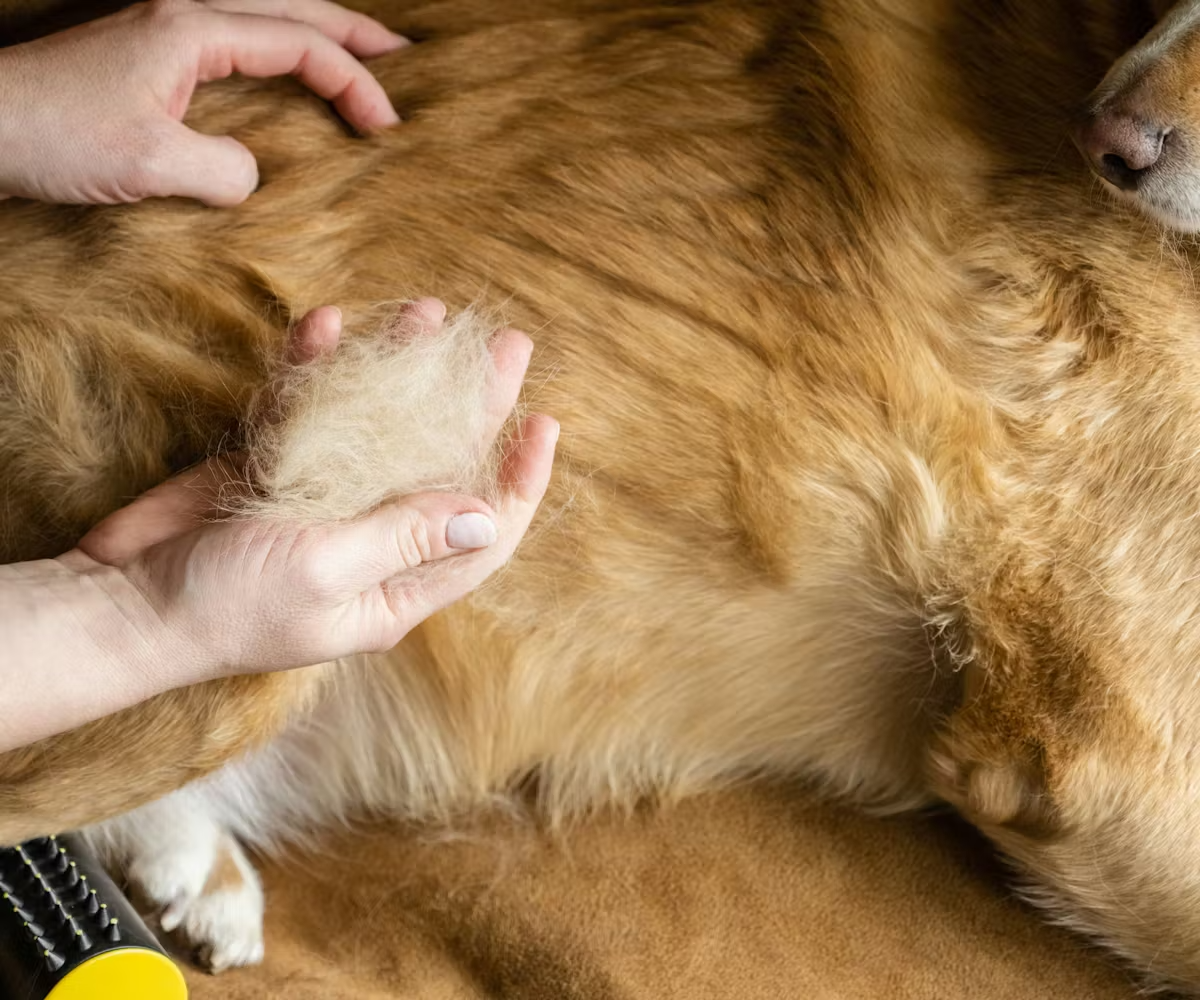
Regular grooming is crucial during the shedding phase. Brush your puppy daily to remove loose fur. This helps prevent mats and tangles. Use a brush suited for your dog’s coat type. Short-haired breeds need a bristle brush. Long-haired breeds benefit from slicker brushes. Bathing your puppy also aids in reducing shedding. Use a gentle dog shampoo to avoid skin irritation. Dry your dog thoroughly after baths to prevent damp fur mats. Regular grooming sessions also allow you to check for skin issues.Dietary Considerations
Diet plays a significant role in managing shedding. Ensure your puppy receives a balanced diet rich in nutrients. Omega-3 and Omega-6 fatty acids support healthy skin and coat. Foods containing fish oil or flaxseed can be beneficial. Protein is essential for coat health. Include high-quality sources like chicken or beef in their meals. Hydration also affects shedding. Ensure your puppy drinks enough water daily. Proper nutrition can minimize excessive shedding and promote a shiny coat.Common Challenges
Transitioning from puppy coat to adult fur can be challenging. Owners often find fur everywhere and frequent grooming becomes necessary. Understanding this phase helps manage shedding effectively.
Common Challenges Puppy shedding can be a messy stage for pet owners. It often leads to fur all over the house. As your puppy transitions to an adult coat, shedding becomes more noticeable. This change can bring various challenges. Many owners struggle with the amount of fur. Others worry about allergies. Understanding these challenges helps in managing them better.Dealing With Excessive Shedding
Excessive shedding can seem overwhelming. Regular grooming can help manage loose fur. Use a soft brush to remove shedding hair. Brush your puppy daily during this phase. This keeps your home cleaner and reduces fur on furniture. Vacuum regularly to keep your space tidy. Pay attention to your puppy’s diet. A balanced diet promotes healthy skin and coat. Sometimes, shedding can signal health issues. Consult a vet if shedding seems abnormal.Allergy Concerns
Puppy shedding can trigger allergies. Pet dander is a common allergen. It clings to fur and spreads in the home. Regular cleaning can reduce allergen buildup. Wash your puppy’s bedding frequently. Keep your puppy off beds and sofas. Use air purifiers to clean indoor air. They help trap pet dander. Bathing your puppy can also reduce allergens. Use a mild shampoo to avoid skin irritation. If allergies persist, seek advice from an allergist.Role Of Veterinarian
Veterinarians help monitor the shedding of a dog’s puppy coat, which typically occurs between 4 to 6 months. They provide guidance on managing the transition to adult fur, ensuring a healthy coat development.
The transition from puppyhood to adulthood is a significant phase in a dog’s life, and shedding their puppy coat is a part of this process. This change can sometimes be confusing for pet owners, making the role of a veterinarian crucial. A veterinarian not only helps you understand the shedding process but also ensures that your puppy’s transition is smooth and healthy.When To Consult
Timing is everything when it comes to consulting your vet about your puppy’s coat shedding. If you notice excessive shedding or bald patches, it’s time to make an appointment. A sudden change in your puppy’s coat could indicate underlying health issues that need attention. Beyond health concerns, a vet visit can provide peace of mind. If you’re worried about the amount of shedding or whether it’s happening at the right age, a vet can offer guidance. Typically, puppies start shedding their coat around four to six months, but this can vary.Advice And Treatments
Your veterinarian can offer tailored advice and treatments to help manage your puppy’s shedding. This might include dietary recommendations to promote a healthy coat. Proper nutrition plays a vital role in maintaining skin and coat health. Vets might also suggest grooming techniques or products that can reduce shedding. Regular brushing and using the right kind of brush can significantly minimize loose hair around your home. In some cases, your vet may recommend supplements that support coat health. Omega-3 fatty acids, for instance, are known to improve coat quality and reduce shedding. Always consult your vet before adding any supplements to your puppy’s diet. By working closely with your vet, you can ensure your puppy’s shedding phase is as stress-free as possible. Have you consulted your vet about your puppy’s shedding? If not, it might be time to schedule a visit and get expert advice tailored to your furry friend’s needs.
Credit: www.facebook.com
Frequently Asked Questions
When Do Puppies Start Shedding Their Coat?
Puppies typically begin shedding their coat between 4 to 6 months of age. During this time, their soft puppy fur is gradually replaced by a more mature coat. This process can vary depending on the breed and individual dog.
How Long Does The Shedding Process Last?
The shedding process usually lasts several weeks. It can sometimes extend up to a few months. The duration depends on factors like breed, health, and environmental conditions. Regular grooming can help manage shedding and keep your dog comfortable.
Do All Dog Breeds Shed Their Puppy Coat?
Yes, all dog breeds shed their puppy coat. However, the extent and duration can vary. Some breeds may shed more noticeably than others. It’s essential to understand your dog’s specific grooming needs to manage shedding effectively.
How Can I Manage My Puppy’s Shedding?
Regular brushing can help manage your puppy’s shedding. It removes loose fur and reduces shedding around the home. A healthy diet and regular vet check-ups can also support coat health. Using appropriate grooming tools for your dog’s coat type is recommended.
Conclusion
Understanding when dogs shed their puppy coat is crucial for pet care. Puppies usually start shedding between three to six months. This is a natural process. Regular brushing helps manage shedding. It also keeps their coat healthy and clean. Different breeds shed at different times.
Always consult your vet for specific advice. They can provide guidance on your puppy’s coat change. Patience is key during this phase. Enjoy this time with your growing puppy. Their adult coat will soon come in. With care, their transition will be smooth.
Happy pet parenting!