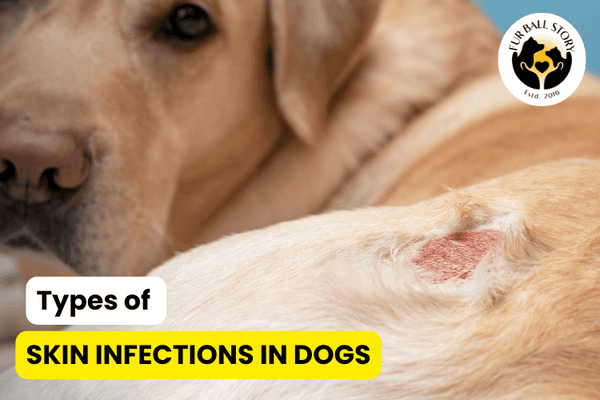
Why Does My Dog Have Red Spots on His Skin: Causes Unveiled
Senior Canine Nutritionist & Dog Behavior Specialist at Cozy Dog Go Wellness Lab
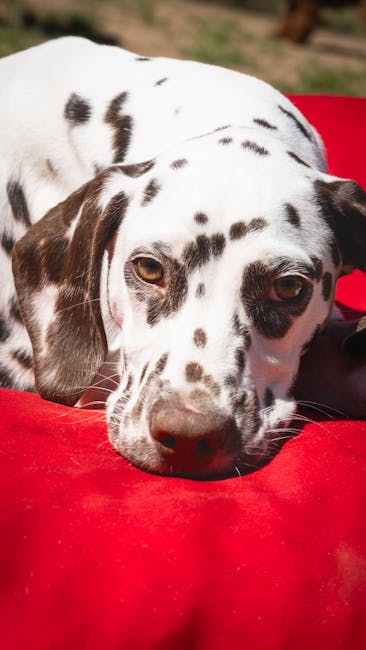
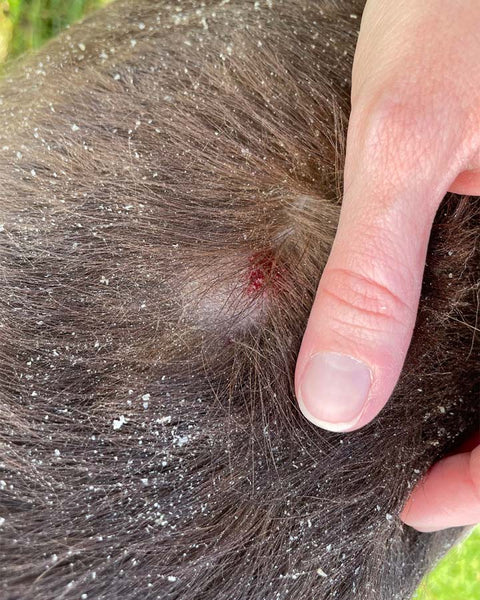
Is your furry friend suddenly sporting red spots on his skin? You’re not alone.
Many pet owners notice these mysterious marks on their dogs and wonder what’s causing them. Red spots can be concerning, leaving you feeling worried and eager to find answers. Are they a sign of something serious, or just a minor irritation?
Understanding the cause is crucial for your dog’s health and your peace of mind. This article will guide you through the common reasons behind these red spots, so you can take the right steps to help your pet feel better. Read on to discover what these red spots might mean for your beloved companion and how you can address them effectively.
Common Skin Conditions In Dogs
Dogs often experience skin issues, causing concern for pet owners. Red spots on your dog’s skin can be alarming. Understanding common skin conditions helps manage your dog’s health better. Identifying the cause is crucial for effective treatment.
Flea Allergy Dermatitis
Flea allergy dermatitis is a frequent skin problem in dogs. Even a single flea bite can cause severe itching. Dogs allergic to flea saliva experience intense reactions. Look for signs like red spots, hair loss, and excessive scratching. Regular flea prevention can help manage this condition.
Canine Atopic Dermatitis
Canine atopic dermatitis is an inherited condition. It often results from environmental allergens. Pollens, molds, and dust mites are common triggers. Symptoms include red, inflamed skin and persistent itching. Treatment involves allergy management and sometimes medication. Regular baths with medicated shampoos can provide relief.
Contact Dermatitis
Contact dermatitis occurs when a dog’s skin touches irritating substances. Common culprits are chemicals, plants, or certain fabrics. Symptoms include red spots, swelling, and itching. Identifying and removing the irritant is key. Protective clothing or barriers can prevent future contact. Regular monitoring helps ensure your dog’s comfort.
Environmental Factors
Changes in weather or pollution can cause red spots on your dog’s skin. Allergens like pollen or dust may also lead to irritation. Keep an eye on your dog’s environment to help prevent skin issues.
Environmental factors can greatly impact your dog’s skin health. Red spots might be a sign of your dog’s sensitivity to surroundings. Understanding these factors can help maintain your dog’s skin health.Seasonal Allergies
Seasonal changes bring different allergens. Pollen is a common irritant. Dogs often react to pollen. Red spots can appear on the skin. Watch for these signs during spring and fall. Outdoor playtime might increase exposure. Limit time outside during peak pollen seasons. Regular baths can help reduce pollen exposure.Irritants And Pollutants
Household products can irritate your dog’s skin. Cleaning agents, perfumes, and sprays are potential irritants. Dogs might develop red spots from these chemicals. Choose pet-friendly cleaning products. Air pollutants also affect dog skin. Smog and smoke can cause reactions. Keep your home well-ventilated. Use air purifiers to reduce indoor pollutants. Regular grooming helps remove irritants from your dog’s coat.Diet And Nutrition
Understanding the role of diet and nutrition in your dog’s skin health is crucial. Red spots can be a sign that something is off with what your furry friend is eating. Just like humans, dogs can have reactions to certain foods or lack essential nutrients, affecting their skin and overall health.
Food Allergies
Food allergies are a common culprit behind red spots on your dog’s skin. If your dog is allergic to a specific ingredient, it may cause itchy red patches. Common allergens include beef, chicken, dairy, and wheat.
Have you noticed your dog scratching more after certain meals? It might be time to reconsider what’s in their bowl. Switching to a hypoallergenic diet could be the solution. Consult your vet to identify potential allergens and choose a suitable diet plan.
Nutritional Deficiencies
Nutritional deficiencies can also lead to skin issues. Essential fatty acids, vitamins, and minerals play a vital role in maintaining healthy skin. A lack of these nutrients can result in dryness, irritation, and red spots.
Is your dog’s diet well-rounded? Adding foods rich in omega-3 fatty acids, like fish oil, can improve skin health. Consider incorporating fresh fruits and vegetables to boost vitamin intake. A balanced diet not only nourishes their body but also enhances their coat’s shine and resilience.
Parasites And Infections
Red spots on your dog’s skin might be caused by parasites like fleas or ticks. Infections such as bacterial or fungal can also lead to skin irritation. Consulting a vet can help identify the cause and provide effective treatment.
Parasites and infections can be a common culprit behind those pesky red spots on your dog’s skin. These tiny invaders can cause irritation, itchiness, and discomfort for your furry friend. Understanding the root of these issues can help you take swift action to ensure your dog’s comfort and health.Ticks And Fleas
Ticks and fleas are notorious for causing red, itchy spots on dogs. These parasites latch onto your dog’s skin, feeding on their blood and leaving behind irritated patches. Regularly check your dog, especially after walks in grassy areas, to catch these critters early. Consider using a flea comb or a tick removal tool to keep these pests at bay. Consistent use of veterinarian-recommended flea and tick preventatives can significantly reduce the risk.Bacterial And Fungal Infections
Bacterial and fungal infections might also be to blame for your dog’s red spots. These infections often occur when your dog’s skin becomes damaged or their immune system is compromised. Watch for additional symptoms like an unpleasant odor or pus, which can indicate an infection. A quick visit to the vet can confirm the presence of an infection and help you get the right treatment for your dog. Maintaining good hygiene and monitoring any changes in your dog’s skin can help prevent future infections. Regular grooming and keeping their environment clean are simple steps you can take. Have you ever noticed how quickly a small irritation can escalate if left unchecked? By being proactive, you can ensure your dog’s skin stays healthy and irritation-free.Genetic Predispositions
Understanding your dog’s skin health can be crucial. Red spots might alarm any pet owner. One possible cause is genetic predispositions. Some dogs are more prone to skin issues. These genetic factors can be deeply rooted in their lineage.
Breed-specific Issues
Certain breeds face skin problems more often. Bulldogs often have skin folds. These folds can trap moisture, leading to irritation. Dalmatians may develop red spots due to allergies. Labrador Retrievers sometimes suffer from hot spots. Knowing your dog’s breed helps anticipate these issues.
Hereditary Conditions
Hereditary conditions can affect skin health. Some dogs inherit sensitive skin. This sensitivity can result in red spots. Genetic skin disorders might also be passed down. Conditions like eczema might be inherited. Regular vet visits can help manage these genetic issues.
Credit: www.facebook.com
When To Consult A Veterinarian
Noticing red spots on your dog’s skin can be worrying. While some causes are mild, others require professional attention. Knowing when to consult a veterinarian can help ensure your dog stays healthy and comfortable.
Signs Of Severe Issues
Some signs might indicate a serious problem. Look for swelling around the red spots. This can suggest an infection or allergic reaction. If your dog is excessively scratching or licking the area, it might be in discomfort. Hair loss around the affected spots is another concern. Notice any changes in your dog’s behavior, like lethargy or loss of appetite. These can be signs that the issue is affecting their overall health.
Treatment Options
A veterinarian can provide treatments based on the cause. For bacterial infections, antibiotics are often prescribed. Allergies might require antihistamines or special diets. For parasitic issues, medicated shampoos or topical treatments may be recommended. In some cases, more advanced treatments like steroids or immunotherapy could be necessary. Regular check-ups can help manage chronic conditions and prevent flare-ups. Always follow the veterinarian’s advice for the best outcomes.
Credit: www.facebook.com
Frequently Asked Questions
What Causes Red Spots On My Dog’s Skin?
Red spots on your dog’s skin can be caused by allergies, infections, or parasites. Allergic reactions to food, pollen, or flea bites are common culprits. Bacterial or fungal infections might also lead to red spots. Consulting a veterinarian for an accurate diagnosis and treatment is essential.
Are Red Skin Spots In Dogs Dangerous?
Red skin spots in dogs can indicate underlying health issues. While some causes might be minor, others could be serious. Prompt veterinary attention helps determine the cause and necessary treatment. Ignoring these symptoms could lead to complications. Always monitor your dog’s condition closely.
How Can I Treat My Dog’s Red Skin Spots At Home?
Treating red skin spots at home involves keeping the affected area clean. Use gentle, vet-approved topical solutions and prevent your dog from scratching. If the condition persists or worsens, seek veterinary advice. Never use human medications on dogs without consulting your vet.
Can Food Allergies Cause Red Spots On Dogs?
Yes, food allergies can cause red spots on a dog’s skin. Common allergens include beef, dairy, and wheat. Identifying and eliminating the allergen from your dog’s diet can help. A vet can recommend an elimination diet or allergy tests for proper diagnosis.
Conclusion
Red spots on your dog’s skin can cause concern. Always check for allergies or insect bites. Daily grooming helps spot issues early. Consult your vet if redness persists. Proper care keeps your dog happy and healthy. Don’t ignore unusual skin changes.
Dogs need regular vet visits for skin health. Keep your dog’s environment clean and safe. Healthy diet and hydration are essential. Your dog’s skin reflects overall well-being. Act promptly to address skin problems. Happy dogs have healthy skin.

Similar Posts