Why is My Dog’s Skin Turning Dark? Uncover Causes Now
Senior Canine Nutritionist & Dog Behavior Specialist at Cozy Dog Go Wellness Lab

Have you noticed your dog’s skin turning dark recently? You’re not alone.
Many pet owners face this puzzling change and wonder what it means for their furry friends. Your dog is more than just a pet; they’re a cherished member of your family. So, when their skin starts to change color, it’s natural to feel concerned and curious.
This article will help you uncover the reasons behind this shift and what you can do about it. By understanding the causes, you can ensure your dog’s health and happiness. Stick around, because the answers might surprise you. You’ll not only learn why it’s happening but also discover how to address it effectively, ensuring your dog stays healthy and comfortable.
Common Causes Of Skin Darkening
As a dog owner, noticing changes in your furry friend’s skin can be concerning. If you’ve recently observed that your dog’s skin is turning dark, you’re not alone. This alteration in skin color can be attributed to various reasons, some of which might require immediate attention. Understanding the common causes of skin darkening can help you determine the next steps in ensuring your pet’s health and comfort.
Hyperpigmentation
Hyperpigmentation occurs when there’s an increase in melanin production, the pigment responsible for skin color. This condition can be a response to trauma or irritation. For example, if your dog frequently scratches or bites a particular area, you might notice the skin in that region becoming darker.
Sometimes, hyperpigmentation is a sign of hormonal imbalances. Have you recently changed your dog’s diet or noticed changes in their behavior? These could be subtle indicators of underlying issues. Consulting with your vet can shed light on whether this is the case.
Allergies
Allergies are notorious for causing skin changes in dogs. Whether it’s food, environmental factors, or flea bites, allergies can lead to inflammation. This inflammation often results in darker skin patches over time.
Imagine your dog playing in the garden, rolling in grass, and suddenly developing dark patches. Could it be an allergic reaction? Identifying the allergen can sometimes be a guessing game, but keeping track of your dog’s activities and diet can provide valuable clues.
Infections
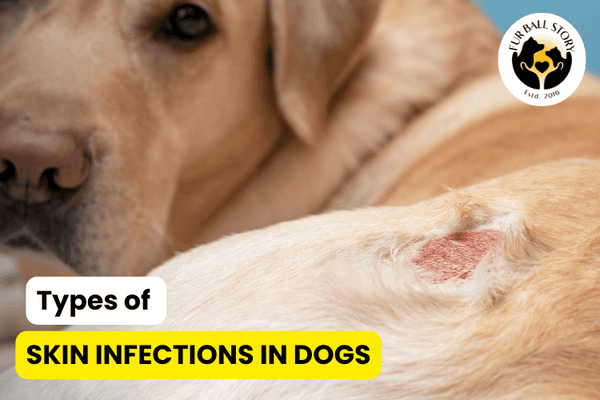
Skin infections are another common culprit behind darkening skin. Bacterial and fungal infections can lead to changes in skin pigmentation. This might be accompanied by other symptoms such as odor or discharge.
If your dog’s skin turns dark and you notice they are unusually sensitive or uncomfortable, it’s time to consider a vet visit. Prompt treatment can prevent complications and bring relief to your pet.
Have you ever wondered how quickly infections can escalate? Staying vigilant and observing your dog’s behavior can make all the difference in early detection and treatment.
Hormonal Influences
Dogs’ skin color can change due to hormonal changes. Hormones play a vital role in regulating skin pigment. When hormones are imbalanced, you might notice your dog’s skin turning darker. Let’s explore two common hormonal issues affecting your dog’s skin color.
Thyroid Issues
The thyroid gland affects skin health. Hypothyroidism, a thyroid condition, leads to changes in skin pigmentation. Dogs with hypothyroidism often experience hair thinning and darker skin patches. This happens because the thyroid gland isn’t producing enough hormones. Low hormone levels disrupt the normal skin cycle. If you suspect thyroid problems, consult a vet for testing.
Adrenal Disorders
Adrenal glands also impact skin color. Cushing’s disease is a common adrenal disorder. It causes excess cortisol production. Cortisol affects skin pigmentation and can lead to darkening. Dogs with Cushing’s may have thinning skin and increased pigmentation. Identifying adrenal disorders early helps manage symptoms. Regular vet check-ups are crucial for adrenal health.
Environmental Factors
Have you noticed your dog’s skin darkening and wondered why? Environmental factors can play a significant role in this change. Understanding these factors can help you make informed decisions about your dog’s health and well-being.
Sun Exposure
Sun exposure can be a major contributor to your dog’s skin turning dark. Just like humans, dogs are susceptible to the effects of UV radiation. Spending long hours basking in the sun can cause an increase in melanin production, resulting in darker skin patches.
Think about the times you took your dog out for a beach day or a long hike under the sun. While they enjoyed the outdoor adventure, their skin might have been slowly reacting to the UV exposure. You may want to consider applying dog-safe sunscreen or limiting sun exposure during peak hours.
Chemical Irritants
Chemical irritants can also lead to changes in your dog’s skin color. Household cleaners, pesticides, or even grooming products can sometimes cause skin reactions. If your dog’s skin starts darkening after using a new product, it might be worth investigating further.
Have you recently switched shampoos or started using a new cleaning agent in your home? These changes could be affecting your dog more than you realize. It’s crucial to read labels and opt for products specifically designed for dogs to minimize risks.
Could your dog’s environment be contributing to their skin changes? By addressing these environmental factors, you can take proactive steps to keep your furry friend healthy and comfortable.
Credit: www.facebook.com
Breed-specific Traits
Certain dog breeds may have skin that darkens due to genetic traits. This change might signal a skin condition or natural pigmentation shift. Consult a vet to ensure your pet’s health.
Understanding why your dog’s skin is turning dark can sometimes be linked to breed-specific traits. Certain breeds have genetic predispositions that can cause darker pigmentation in their skin. This isn’t necessarily a cause for alarm but rather an interesting aspect of what makes your dog unique.Genetic Predisposition
Some dogs are genetically predisposed to changes in skin pigmentation. This means that even if your dog is perfectly healthy, their skin might naturally darken over time due to their DNA. It’s similar to how some humans tan easily while others don’t. Have you noticed this change primarily in areas exposed to the sun? It could be your dog’s natural response to sunlight, much like how people develop tans. Observing these changes can give you insights into your dog’s genetic traits.Common Breeds Affected
Several breeds are known for their tendency to develop darker skin patches. These include:- Chow Chows
- Rottweilers
- Doberman Pinschers
- Dachshunds
Signs And Symptoms
Darkening skin in dogs may indicate health issues like hormonal imbalances or skin infections. Other signs include itching, redness, and hair loss. Consulting a vet helps identify underlying causes and ensures proper treatment.
Signs and Symptoms of darkening skin in dogs can vary. It’s crucial to observe any changes to understand the underlying issue. Changes in skin color can indicate health problems. Identifying symptoms early can help prevent complications. Regular checks can keep your dog healthy and happy.Changes In Skin Texture
Darkening skin may come with texture changes. You might notice rough patches. The skin could feel thicker than usual. This could indicate a skin condition. A healthy dog’s skin should be smooth. Any roughness requires attention.Other Accompanying Symptoms
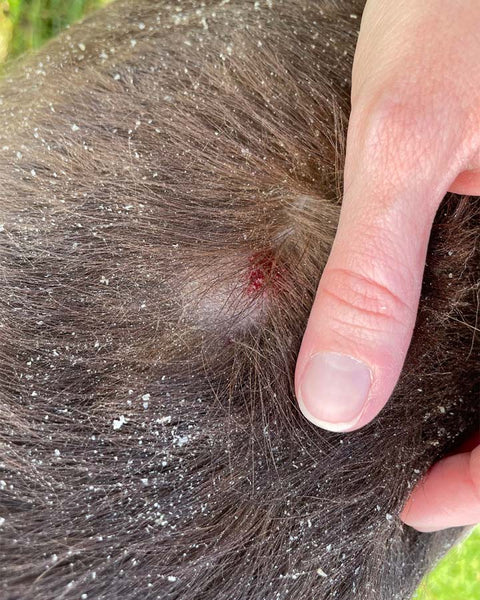
Several symptoms may accompany skin darkening. Hair loss is a common sign. Look for bald spots on your dog. Redness and inflammation can also occur. Your dog might scratch or lick more often. This behavior indicates irritation or discomfort. Watch for any unusual smells from the skin. A strong odor may signal infection.Credit: www.facebook.com
When To Consult A Veterinarian
Changes in your dog’s skin color can signal health concerns. Darkening skin might indicate hormonal imbalances or infections. Consulting a veterinarian ensures proper diagnosis and treatment.
When your dog’s skin starts changing color, it can be worrying. Although some changes are normal, others might indicate underlying health issues. Knowing when to consult a veterinarian can save your dog from discomfort and potential complications. Paying attention to specific signs can guide you in making the right decision for your furry friend.Persistent Skin Changes
If your dog’s skin darkens and doesn’t return to its usual color, it’s time to seek professional advice. Temporary changes can happen due to sun exposure or minor irritations. However, persistent changes might be a sign of hormonal imbalances or allergies. Consider if the darkening is accompanied by other symptoms. Are there any new lumps or bumps? Noticing such changes early can help the vet diagnose and treat any underlying conditions.Signs Of Discomfort
Your dog can’t tell you when something is wrong, but their behavior might. Is your dog scratching more than usual? Excessive scratching could suggest that the darkening skin is itchy or painful. Look for other signs like licking or biting at the area. These behaviors often indicate that your dog is trying to soothe irritation or pain. If your dog seems restless or uncomfortable, it’s a good idea to visit the vet. Remember, you’re the best advocate for your dog’s health. Trust your instincts when you notice changes in their skin or behavior. Regular vet visits can keep your dog happy and healthy, ensuring that darkening skin is just a minor bump in their road.Treatment Options
When your dog’s skin starts turning dark, it can be concerning. Understanding treatment options can help alleviate this issue. Addressing the root cause is essential for effective treatment. Below are some common methods to consider.
Medications
Veterinarians might prescribe medications for skin darkening. These can include antibiotics or antifungal medications. They target infections or skin conditions causing discoloration. Corticosteroids might also be used. They help reduce inflammation and irritation.
Always follow the vet’s advice for dosage and administration. Never self-prescribe medications for your pet. Proper medication can significantly improve your dog’s skin health.
Dietary Changes
A balanced diet plays a crucial role in skin health. Nutrient deficiencies can lead to skin issues. Consider high-quality dog food rich in vitamins and minerals. Omega-3 fatty acids can be particularly beneficial. They promote healthy skin and a shiny coat.
Consult your vet about potential food allergies. They might suggest eliminating certain ingredients. This helps identify triggers causing skin discoloration. A healthy diet supports overall well-being and skin condition.
Preventive Measures
Regular vet check-ups can catch early signs of skin issues in dogs. A balanced diet supports skin health and prevents discoloration. Proper grooming helps maintain healthy skin and coat.
Preventive measures can help maintain your dog’s skin health. These steps reduce the risk of skin darkening. Regular grooming and a healthy diet are key.Regular Grooming
Frequent grooming keeps your dog’s skin clean and healthy. Brush their coat to remove dirt and dead skin cells. This can prevent infections that lead to skin darkening. Bathing your dog regularly is also important. Use dog-friendly shampoos to maintain skin moisture. Check for fleas or ticks during grooming sessions. These pests can irritate the skin and cause it to change color.Healthy Diet
A balanced diet plays a crucial role in skin health. Ensure your dog eats nutrient-rich foods. Foods with omega-3 fatty acids promote skin health. Vitamin E also supports skin repair and protection. Consult with a vet for specific dietary advice. Avoid feeding your dog low-quality food. It can lead to nutrient deficiencies affecting skin color. Keep your dog hydrated to support overall skin health.
Credit: www.dogster.com
Frequently Asked Questions
Why Is My Dog’s Skin Pigmentation Changing?
Changes in your dog’s skin pigmentation can be due to aging, hormonal changes, or sun exposure. It could also be a sign of a medical issue like allergies or infections. Consulting a veterinarian is recommended to determine the underlying cause and ensure your dog’s health and well-being.
Can Allergies Cause Dark Skin In Dogs?
Yes, allergies can cause skin changes, including darkening, in dogs. Allergic reactions often lead to inflammation and irritation. This can result in hyperpigmentation. Identifying the allergen and managing the allergy effectively can help prevent further skin changes and improve your dog’s comfort.
Is Dark Skin On Dogs A Sign Of Illness?
Dark skin can be a symptom of various medical conditions. It might indicate infections, hormonal imbalances, or skin disorders. Observing other symptoms like itching, redness, or hair loss is important. If you notice these, consult a veterinarian for a comprehensive evaluation and diagnosis.
How Can I Treat My Dog’s Dark Skin?
Treatment depends on the underlying cause of the dark skin. If it’s due to allergies, identifying and eliminating allergens is crucial. For infections or hormonal issues, medications might be necessary. Regular vet check-ups and a healthy diet can also support your dog’s skin health.
Conclusion
Darkening skin in dogs can signal underlying health issues. Observing changes early helps. Regular vet visits ensure your dog’s health stays optimal. Diet and environment might affect skin color too. Always keep your dog’s living area clean. Ensure a balanced diet to support skin health.
Hydration is essential for healthy skin. If darkening persists, consult your vet. Understanding your dog’s needs helps maintain their well-being. Simple changes can make a big difference. Prioritize your dog’s health and happiness every day.

Similar Posts