Do Dog Flea Collars Work: Unveiling the Truth
Have you ever caught your furry friend scratching incessantly, leaving you wondering if fleas are the culprit? As a pet owner, you know that fleas can turn your dog’s life—and yours—into a nightmare.
When it comes to battling these tiny pests, you’re faced with a plethora of options, one of the most popular being flea collars. But do dog flea collars really work? Imagine a world where your dog can roam freely, play in the grass, and snuggle up with you without the constant worry of flea infestations.
You might be hoping that flea collars are the magic solution you’ve been searching for. Before you make a decision, though, it’s crucial to understand how these collars function, their effectiveness, and if they’re the right choice for your beloved pet. We’ll delve into the science behind flea collars, share insights from pet owners like you, and explore expert opinions, all to help you make an informed choice. Stick around, because your dog’s comfort and health are worth every minute.
The Science Behind Flea Collars
Flea collars are a popular choice among pet owners. They offer a convenient solution to pesky flea problems. But how do they work? Understanding the science behind flea collars can help you choose the best option for your furry friend.
How Flea Collars Function
Flea collars release chemicals that repel or kill fleas. These chemicals spread over your dog’s fur and skin. This creates a protective barrier. Some collars work by emitting gas that kills fleas on contact. Others release ingredients that dissolve and spread through the skin’s natural oils.
Active Ingredients Explained
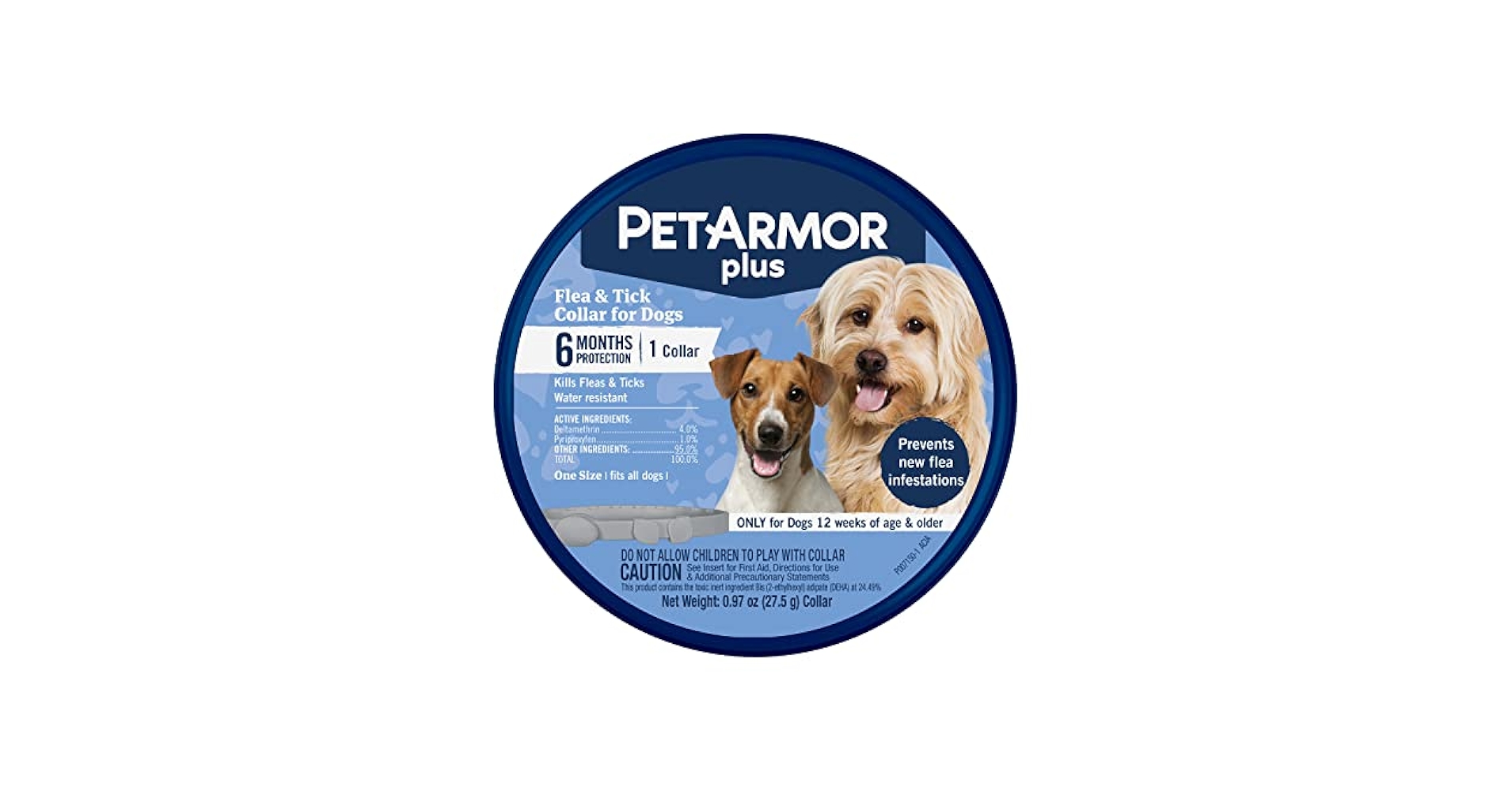
Common active ingredients in flea collars include imidacloprid, flumethrin, and pyriproxyfen. Imidacloprid affects the flea’s nervous system. This leads to paralysis and death. Flumethrin repels and kills ticks and fleas. It disrupts their nervous system. Pyriproxyfen prevents larvae from growing into adult fleas. This stops the flea life cycle.
Choosing the right collar depends on your dog’s needs. Some collars target fleas only, while others target a range of pests. Understanding these active ingredients can help make an informed decision.
Credit: www.amazon.com
Effectiveness Of Flea Collars
Flea collars are popular tools for keeping pets free from fleas. They release chemicals that repel or kill fleas, providing a layer of protection. Many pet owners turn to flea collars for their convenience and effectiveness. But how effective are they really?
Success Stories From Pet Owners
Many pet owners have positive experiences with flea collars. One dog owner shared how a flea collar kept her pet flea-free throughout summer. Her dog enjoyed outdoor activities without any flea infestations. Another pet owner praised the collar’s long-lasting effects. Her dog remained protected for months with a single collar.
Flea collars can be a reliable choice for many pet owners. They provide peace of mind knowing their pets are protected. These success stories highlight the potential of flea collars in controlling flea issues.
Limitations And Challenges
Despite success stories, flea collars may not work for every dog. Some dogs may have skin sensitivities. Chemicals in collars can cause irritation or allergic reactions in sensitive pets. Owners need to monitor their pets for any adverse reactions.
Flea collars might not offer complete protection. Heavy infestations may require additional treatments. Flea collars work best as part of a comprehensive flea control plan. Owners should combine collars with regular grooming and cleaning.
Choosing the right collar is crucial for effectiveness. Not all collars are created equal. Quality and brand can influence how well a collar works. Pet owners must research and select a collar suited to their pet’s needs.
Comparing Flea Collars To Other Solutions
When it comes to keeping your furry friend free from fleas, the options seem endless. You might be wondering which solution is the most effective for your dog. Among the popular choices are flea collars, oral medications, and topical treatments. Each has its own advantages and drawbacks, and understanding these can help you make the best decision for your pet’s health and comfort.
Flea Collars Vs. Oral Medications
Flea collars provide a convenient, long-lasting solution to flea prevention. They can offer protection for several months, reducing the need for frequent applications. However, oral medications are known for their fast action and effectiveness. They work by killing fleas quickly after they bite your pet, preventing infestations from growing.
While flea collars emit chemicals that repel or kill fleas, oral medications circulate the active ingredient through your dog’s bloodstream. This means oral meds might be more suitable if your pet already has a flea problem that needs immediate attention.
Have you ever noticed how some dogs are picky about what they eat? Oral medications can be a challenge if your pet is a fussy eater. Flea collars remove this hurdle, as they don’t require ingestion. On the flip side, oral meds often have fewer potential contact allergies than collars, which some dogs might be sensitive to.
Flea Collars Vs. Topical Treatments
Topical treatments are another common choice, typically applied directly to the skin. They offer quick relief and are easy to apply. However, flea collars provide a hands-off approach that lasts longer, making them ideal for pet owners who prefer less frequent intervention.
One advantage of topical treatments is their ability to target specific areas. They can be applied precisely where needed, ensuring comprehensive coverage. In contrast, flea collars distribute chemicals around the neck area, which might not reach all parts of the body equally.
Have you ever thought about the mess topical treatments can leave behind? They often leave residues that can transfer to furniture or clothing. Flea collars avoid this issue, keeping both your dog and your home cleaner. However, collars can sometimes be less effective for dogs who enjoy swimming or bathing frequently, as water exposure can diminish their potency.

Credit: www.amazon.com
Safety Concerns With Flea Collars
Flea collars are a popular choice for dog owners. They provide protection against pesky fleas. But are they safe for your furry friend? Safety concerns often arise. Some worry about the chemicals used in these collars. Understanding potential risks and safe usage is crucial.
Potential Side Effects
Some dogs may experience skin irritation. Redness, itching, or rashes can occur. In rare cases, dogs may have allergic reactions. Symptoms include swelling or difficulty breathing. Always monitor your pet after fitting a new collar. If symptoms persist, consult a vet immediately.
Safe Usage Tips
Ensure the collar fits snugly but not too tight. You should fit two fingers underneath. Read the instructions on the package thoroughly. Always use the collar as directed. Avoid combining it with other flea treatments. Too many chemicals can harm your pet. Regularly check your dog’s skin for any signs of irritation.
Choosing The Right Flea Collar
Choosing the right flea collar for your dog can be challenging. Different collars offer various benefits and features. Understanding what to look for ensures your pet’s comfort and safety.
Factors To Consider
Several factors influence the effectiveness of a flea collar. Consider the size of your dog. Some collars are adjustable; others are not. Make sure the collar fits comfortably around your dog’s neck.
Check the collar’s active ingredients. Some dogs may be sensitive to certain chemicals. Choose collars with natural ingredients if your pet has sensitive skin.
Evaluate the duration of protection. Some collars last for months, while others need frequent replacement. Longer-lasting collars are often more convenient.
Consider the cost-effectiveness. More expensive collars might offer better protection. Balance the price with the quality and duration of protection.
Popular Brands Reviewed
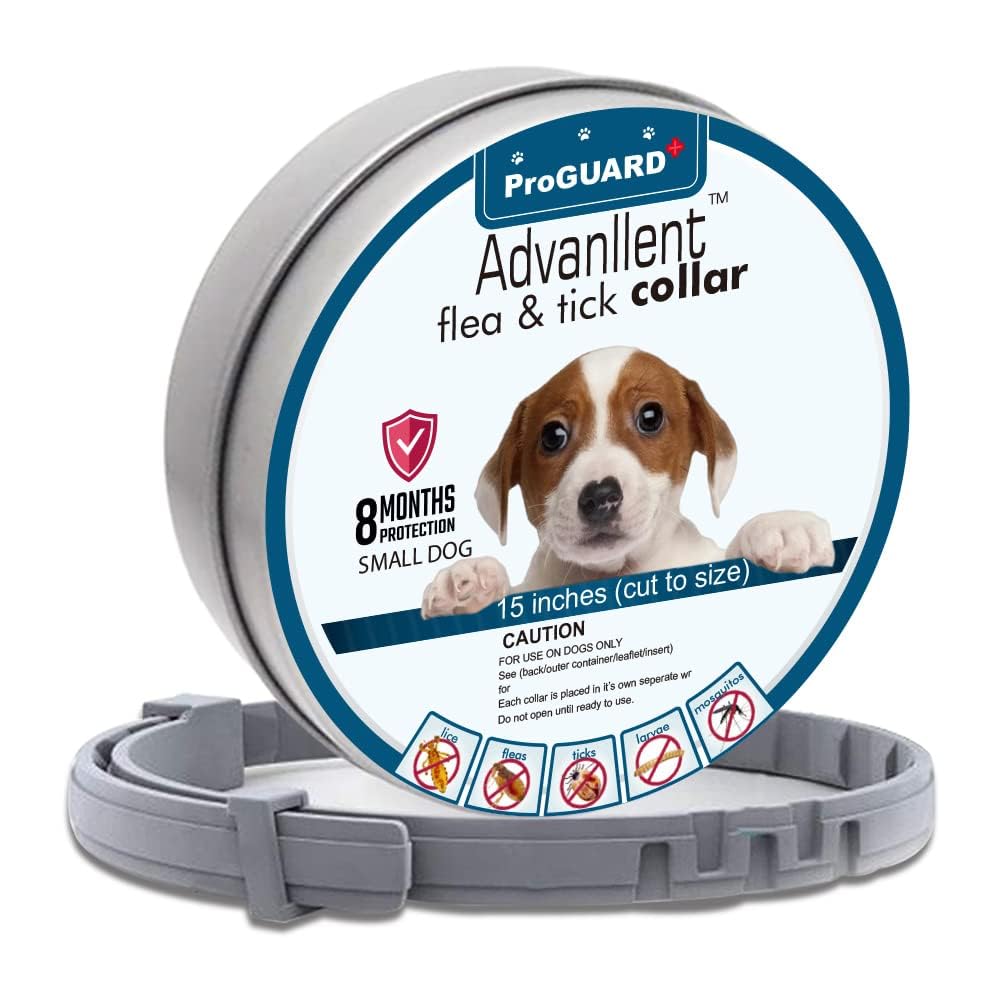
Several brands offer reliable flea collars. Seresto is known for long-lasting protection and ease of use. It provides up to eight months of protection.
Bayer Seresto collars are popular for their non-greasy texture. They repel and kill fleas effectively.
Adams Flea Collars are affordable and offer quick relief. They work well for dogs of all sizes.
Hartz UltraGuard is another option for budget-conscious pet owners. It provides protection for up to seven months.
Sentry offers collars with natural ingredients. They are ideal for dogs with sensitive skin.
Each brand has its unique features. Choose based on your dog’s needs and your budget.
Expert Opinions On Flea Collars
When considering flea collars for your furry friend, it’s crucial to weigh the expert opinions on their effectiveness. While some pet owners swear by them, others remain skeptical. To help you make an informed decision, let’s delve into what the experts have to say.
Veterinarian Insights
Veterinarians often have first-hand experience with pets suffering from flea infestations. Many vets recommend flea collars as part of an integrated pest management plan. They emphasize that while flea collars can be effective, they work best when combined with other treatments, like topical solutions or oral medications.
One veterinarian shared a story about a patient whose flea problem was reduced after using a high-quality flea collar alongside regular grooming. This highlights the importance of not relying solely on collars but using them as a complementary tool.
Have you consulted your vet about which flea collar might be best for your dog? It’s always a good idea to get professional advice tailored to your pet’s needs.
Research Findings
Scientific studies provide valuable insights into the efficacy of flea collars. Research indicates that modern flea collars, especially those containing active ingredients like imidacloprid and flumethrin, are effective in killing fleas and ticks.
One study showed a significant reduction in flea populations within 48 hours of using a collar. However, some research also points out that the effectiveness can vary based on the brand and the specific needs of your pet.
Consider the research findings as a guide to choose a collar that has been proven to work. Have you checked the ingredients and research backing of the flea collar you are considering?
Understanding these expert opinions can help you make a more informed choice. Do you think a flea collar could be the right solution for your pet’s needs?

Credit: www.amazon.com
Frequently Asked Questions
How Do Flea Collars Work For Dogs?
Flea collars release chemicals that repel and kill fleas on your dog. They create a protective barrier around your dog’s neck. The active ingredients spread across the body. They effectively prevent flea infestations, offering long-lasting protection. Always choose a collar suited to your dog’s size and weight for optimal results.
Are Flea Collars Safe For All Dogs?
Most flea collars are safe, but not for all dogs. Puppies, pregnant dogs, or those with sensitive skin might react. Always consult your vet before choosing a flea collar. Supervise your dog initially to ensure no adverse reactions occur. Safety is key to maintaining your dog’s health.
How Long Do Flea Collars Remain Effective?
Flea collars can be effective for several months, usually around 3 to 8 months. Their duration depends on the brand and active ingredients. Regularly check the manufacturer’s guidelines for specific details. Replace the collar as recommended to ensure continuous protection against fleas and ticks.
Can Flea Collars Cause Side Effects?
Flea collars can cause side effects like skin irritation or allergies. Monitor your dog for any unusual behavior. If signs of discomfort occur, remove the collar immediately. Consult a veterinarian for alternative flea control methods. It’s vital to choose a collar that suits your dog’s needs.
Conclusion
Dog flea collars can help control fleas effectively. They offer convenience and protection. Consider your dog’s size and lifestyle. Always check for any reactions or allergies. Regularly inspect the collar for wear and tear. Consult a vet for the best options.
Flea collars work best with other flea control methods. Keep your pet safe and comfortable. Choose wisely for your dog’s needs. Remember, a healthy dog is a happy dog. Flea prevention is key to their well-being. Stay informed and proactive in flea management.