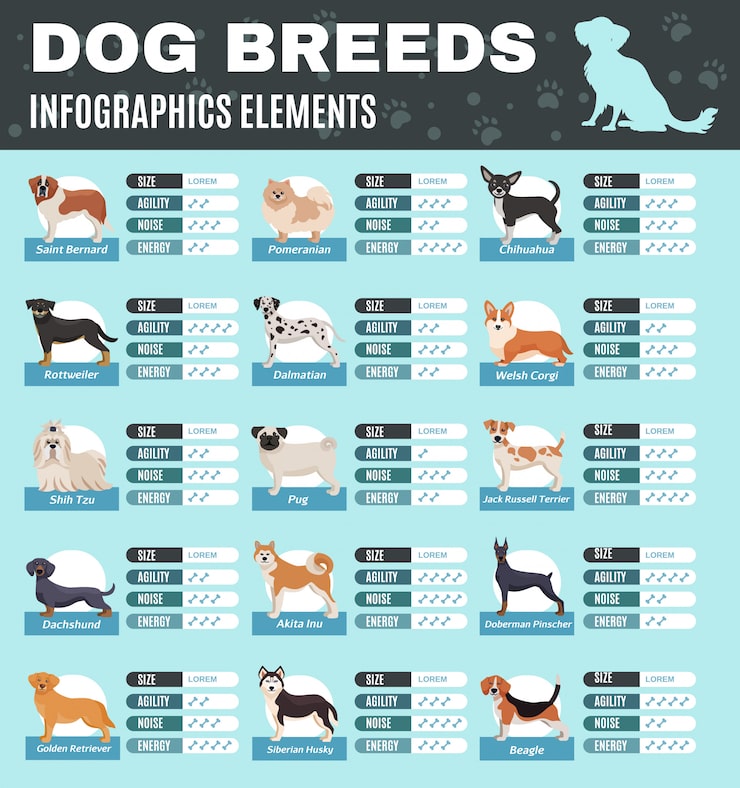
Are you a dog lover who’s always on the lookout for your next furry friend? Or perhaps you’re just curious about the wide variety of dog breeds out there?
Get ready to explore the fascinating world of A-Z dog breeds! Whether you’re searching for a playful pup to join your family or simply want to expand your canine knowledge, this guide has something for you. Imagine having all the essential details about each breed at your fingertips.
By the end, you’ll be able to impress your friends with fun facts and maybe even find your perfect pet match. Dive in and discover the unique traits, temperaments, and histories of dogs from A to Z. This isn’t just a list; it’s your ultimate guide to understanding the diverse and delightful world of dogs. Don’t miss out—keep reading to meet your potential new best friend!
Popular Dog Breeds
Popular dog breeds often capture the hearts of pet lovers around the world with their distinct characteristics and lovable personalities. Whether you’re a seasoned dog owner or considering welcoming a furry friend into your life, understanding popular breeds can help you make an informed choice. Each breed offers unique traits and qualities, making the selection process both exciting and daunting.
Labrador Retriever
Renowned for their friendly nature and boundless energy, Labrador Retrievers are an excellent choice for families. Their playful demeanor and intelligence make them easy to train and a joy to be around. Labs often excel in activities like swimming and fetch, making them perfect companions for active lifestyles.
German Shepherd
German Shepherds are celebrated for their loyalty and protective instincts. Known for their intelligence, they are often employed as working dogs in various fields, from police work to search and rescue. With a strong bond to their owners, German Shepherds are both courageous and affectionate, providing a sense of security and companionship.
Golden Retriever
Golden Retrievers are adored for their gentle temperament and striking golden coats. They are highly sociable and thrive in environments where they can interact with people and other pets. Their eagerness to please makes them ideal for obedience training, and their loving nature ensures they fit well into family settings.
Small Dog Breeds
Small dog breeds are adored for their compact size and lively personalities. These little companions offer immense joy and fit perfectly into smaller living spaces. They often embody the phrase “big things come in small packages,” as they bring boundless energy and affection despite their tiny stature. Exploring the world of small dog breeds is like diving into a treasure trove of cuteness. Let’s look at three popular small dog breeds that capture hearts worldwide.
Chihuahua
The Chihuahua is known for its bold personality. Despite being tiny, they often act larger than life. Their loyalty is unmatched and they bond closely with their owners. They are easy to carry around and adapt well to apartment living. Their coats come in various colors, adding to their charm. Regular grooming helps keep them looking their best.
Pomeranian
Pomeranians are fluffy and full of life. They have a spirited nature and enjoy being the center of attention. Their thick coats require regular brushing to prevent tangles. They are intelligent and respond well to training. These little dogs have a strong desire to please their owners. Their playful antics keep families entertained.
Yorkshire Terrier
Yorkshire Terriers, or Yorkies, are known for their silky coats. They are elegant and have a confident demeanor. Despite their size, they are brave and curious. They form close bonds with their families and are protective. Regular grooming keeps their long fur smooth and shiny. Yorkies are adaptable and thrive in various living environments.
Medium Dog Breeds
Medium dog breeds often strike the perfect balance between size and temperament, making them ideal companions for various lifestyles. They can adapt to apartment living as well as larger homes with yards. If you’re considering adding a medium-sized furry friend to your family, understanding their unique characteristics can help you make an informed decision.
Bulldog
The Bulldog is known for its distinctive wrinkled face and muscular build. Despite their tough appearance, Bulldogs are gentle and loving, making them great family pets. They don’t require much exercise, which is perfect if you prefer leisurely walks over intense runs. However, their stubborn nature might test your patience during training sessions. With the right approach, you’ll find that their loyalty and charm are worth the effort.
Beagle
Beagles are energetic and curious dogs, often described as having a nose that never rests. Their keen sense of smell makes them exceptional hunters, but also means they can get easily distracted by interesting scents. They thrive on companionship and are happiest when they’re part of the family activities. Be prepared for their vocal nature; they can be quite expressive, especially when they’re excited or curious.
Border Collie
If you’re seeking an intelligent and active companion, the Border Collie might be your perfect match. Known for their herding instincts, these dogs excel at agility and obedience challenges. Their energy levels require regular mental and physical stimulation. Are you ready to match their enthusiasm with engaging games and tasks? With a Border Collie, every day is an opportunity for fun and learning.
Large Dog Breeds
Large dog breeds captivate with their majestic appearance and gentle nature. They often possess a calm demeanor and are loyal companions. These dogs require space and exercise but offer unmatched companionship. Let’s explore some notable large breeds.
Great Dane
The Great Dane is known as a gentle giant. It stands tall and has a sleek, muscular body. Despite its size, it’s friendly and good with families. This breed requires regular exercise and a balanced diet. Its short coat makes grooming easy.
Saint Bernard
Saint Bernards are famous for their rescue work in the Alps. They have a thick, fluffy coat and a kind expression. These dogs are patient, making them excellent with children. Regular grooming is needed to manage shedding. They enjoy cooler climates.
Mastiff
Mastiffs are large and powerful with a protective nature. They are loyal and form strong bonds with their families. Despite their size, they are gentle and calm. Mastiffs require consistent training and socialization. Their short coat is easy to maintain.
Rare Dog Breeds
Discover the charm of rare dog breeds, from Affenpinscher to Xoloitzcuintli. Each breed has unique traits and histories. These dogs offer an exciting world of diversity for pet enthusiasts.
Rare dog breeds often capture the imagination of dog lovers everywhere. They offer unique qualities and characteristics that you won’t find in more common breeds. If you’re seeking a canine companion that stands out from the crowd, these rare breeds might just be what you’re looking for.Norwegian Lundehund
The Norwegian Lundehund is known for its distinctive features, including six toes on each foot and extraordinary flexibility. Historically, this breed was used in Norway to hunt puffins, showcasing its agility and resourcefulness. Imagine taking your Lundehund on a hike, watching it navigate tricky terrains with ease—it’s like having a little acrobat by your side!Azawakh
The Azawakh is a strikingly elegant breed that hails from the African Sahel region. Its lean and graceful build makes it an exceptional runner, perfect for those who enjoy jogging or long walks. Owning an Azawakh means having a loyal companion with a regal presence, often catching the eyes of fellow dog enthusiasts.Catalburun
The Catalburun, known for its unique split nose, originates from Turkey and is a rare sight outside its homeland. This breed’s exceptional scenting ability makes it an excellent hunting partner. If you’re intrigued by a dog with both a distinctive appearance and a keen sense of smell, the Catalburun is a fascinating choice to consider. When considering a rare breed, what qualities do you most value in a dog?
Credit: www.freepik.com
Working Dog Breeds
Working dog breeds are known for their incredible intelligence, strength, and versatility. Whether you’re looking for a companion to join you in outdoor adventures or seeking a hardworking dog to assist in specific tasks, these breeds have much to offer. Let’s dive into some fascinating working dog breeds that will pique your interest.
Siberian Husky
The Siberian Husky is a remarkable breed with roots tracing back to the cold terrains of Siberia. Known for their endurance and speed, Huskies were originally bred to pull sleds over long distances. Their thick fur and striking blue eyes make them a favorite among dog enthusiasts.
Imagine taking your Siberian Husky on a snowy hike. Their energy and enthusiasm are contagious, making every adventure unforgettable. Have you ever considered how your own lifestyle might benefit from the companionship of such a dynamic breed?
Rottweiler
The Rottweiler is a powerful breed that excels in protection and service roles. With their muscular build and loyal nature, Rottweilers have been employed in various tasks, including search and rescue and police work.
Owning a Rottweiler can be an enriching experience. Their protective instincts and unwavering loyalty mean you have a dependable guardian at your side. What might it be like to feel the assurance of having a Rottweiler watching over your family?
Boxer
Boxers are known for their playful yet disciplined demeanor. Originating from Germany, these dogs are agile and strong, making them suitable for roles that require stamina and quick thinking.
Having a Boxer means endless playtime and companionship. Their boundless energy and friendly nature create a lively household atmosphere. Could you see yourself sharing spontaneous moments with a Boxer in your daily life?
Sporting Dog Breeds
Sporting dog breeds are known for their agility and energy. They excel in activities like hunting, retrieving, and field trials. This group includes some of the most popular dogs worldwide. Their playful nature and intelligence make them great companions. Let’s explore a few notable breeds.
Cocker Spaniel
Cocker Spaniels are known for their silky coat and cheerful disposition. They originated in England, used primarily for hunting birds. Their small size and affectionate nature suit family life. Regular grooming is essential to maintain their beautiful fur. They love playtime and mental challenges.
Vizsla
The Vizsla is a Hungarian breed with strong hunting instincts. They have a sleek, rust-colored coat and muscular build. Their friendly demeanor makes them excellent family pets. Vizslas require regular exercise to stay happy and healthy. They bond closely with their owners, enjoying companionship.
Weimaraner
Weimaraners are large and elegant sporting dogs. Their silver-gray coat and striking eyes are distinctive features. Originally bred in Germany for hunting, they are versatile and intelligent. Weimaraners need plenty of exercise to prevent boredom. They are loyal and thrive in active households.
Herding Dog Breeds
Herding dog breeds are remarkable for their intelligence and energy. Originally bred to manage livestock, these dogs excel in agility and obedience. They are known for their strong work ethic and loyalty. Many herding breeds are popular pets due to their friendly nature. Let’s explore some of the most popular herding breeds.
Australian Shepherd
The Australian Shepherd is a versatile and energetic breed. Despite its name, this breed was developed in the United States. Known for its distinctive merle coat and striking eyes, the Australian Shepherd is highly intelligent. It thrives on mental stimulation and physical activity. This breed is popular in dog sports and competitions. Australian Shepherds are also excellent family companions. They bond closely with their human families.
Sheepdog
Sheepdogs are the classic herding dogs. They are known for their work on farms across the world. These dogs are highly skilled at guiding and protecting sheep. Sheepdogs have a gentle and patient demeanor. They are loyal and form strong bonds with their owners. Their intelligence makes training a rewarding experience. Sheepdogs require regular grooming due to their thick coat. They are great companions for active families.
Corgi
Corgis are compact yet powerful herders. They are famous for their short legs and playful personalities. Despite their size, Corgis are adept at managing livestock. They are intelligent and eager to learn new tasks. Corgis are friendly and get along well with children. Their small size makes them suitable for various living environments. Corgis enjoy regular exercise and mental challenges. They thrive in homes where they receive attention and affection.
Terrier Dog Breeds
Terrier dog breeds are energetic and lively. They are known for their bold personalities. Originally bred for hunting, they have an innate sense of adventure. Each terrier breed has unique traits and charm. Let’s explore some popular terrier breeds.
Bull Terrier
The Bull Terrier stands out with its egg-shaped head. It has a playful and mischievous nature. This breed is loyal and protective of its family. They require daily exercise to channel their energy. Bull Terriers are known for their strong build and determination.
Scottish Terrier
The Scottish Terrier, or “Scottie,” is compact and sturdy. It has a distinctive beard and eyebrows. Known for its independence and confidence, the Scottie is brave and dignified. They are excellent watchdogs and form strong bonds with their family.
Airedale Terrier
The Airedale Terrier is the largest of all terriers. They are intelligent and versatile, excelling in various roles. Known as the “King of Terriers,” they are both courageous and friendly. Airedales have a wiry coat that requires regular grooming. They enjoy mental and physical challenges.

Credit: www.freepik.com
Toy Dog Breeds
Toy dog breeds charm with their petite size and playful nature. These breeds offer companionship and fit well in small spaces. Explore an A-Z list of these adorable pups, perfect for families and individuals alike.
Toy dog breeds are the perfect companions for those who appreciate small but mighty pets. Often characterized by their delightful personalities and compact size, these breeds make great companions for apartment dwellers and anyone looking for a lap-sized friend. Their playful nature and affection make them beloved members of many families.Pug
The Pug’s charmingly wrinkled face and big, soulful eyes make it hard not to fall in love at first sight. Despite their small stature, Pugs have a big personality and are known for their jovial nature. They’re great with kids and other pets, making them ideal for families. Pugs are relatively low-maintenance, though they do need regular exercise to stay healthy. A short walk or some playtime each day will keep them happy. Have you ever seen a Pug zoom around your living room with sheer joy? It’s a sight worth witnessing!Shih Tzu
Shih Tzus are the little lions of the toy breed world, known for their regal appearance and flowing coats. Their affectionate demeanor and playful spirit make them wonderful companions. You might find that a Shih Tzu is happiest when lounging beside you, enjoying some quality time. While their coats require regular grooming, many owners find joy in pampering these adorable pups. Could you imagine the bond formed through a daily grooming ritual? It’s a special time to connect with your furry friend.Maltese
Maltese dogs are famous for their silky white coats and gentle disposition. Their elegance and grace are undeniable, making them a favorite in the toy breed category. These dogs are incredibly loyal and thrive on human companionship. Maltese require regular grooming to maintain their luxurious coat, but their loving nature makes it worth the effort. Have you ever been greeted by a Maltese’s wagging tail after a long day? It’s the kind of welcome that warms the heart. Toy dog breeds offer a unique blend of companionship, fun, and love. Whether it’s the playful Pug, the regal Shih Tzu, or the elegant Maltese, there’s a toy breed for everyone. Which one could be your perfect match?Non-sporting Dog Breeds
Non-sporting dog breeds encompass a diverse group that doesn’t fit into the conventional categories like working, sporting, or herding. These breeds often have unique characteristics and versatile roles. Whether you’re looking for a loyal companion or a playful pet, non-sporting breeds offer a variety of options.
Dalmation
Dalmatians are known for their iconic black and white spotted coats. They are energetic and love activities that challenge their minds and bodies. If you have ever seen them in action, you’ll know they are natural athletes. Dalmatians thrive in environments where they can run freely and socialize often. Are you ready for a dog that can keep up with your active lifestyle?
French Bulldog
French Bulldogs are small yet mighty, boasting big personalities in compact bodies. They are ideal for apartment living due to their size and moderate energy levels. Despite their muscular build, they are quite the snuggle enthusiasts. Their charming bat-like ears and affectionate nature make them irresistible companions. Could a French Bulldog be the cozy addition your home needs?
Poodle
Poodles are celebrated for their intelligence and elegant appearance. They come in three sizes: standard, miniature, and toy, each offering a unique charm. Poodles are highly trainable and excel in obedience, making them perfect for families who enjoy engaging their pets in learning. With their hypoallergenic coat, they are a popular choice for those with allergies. Do you appreciate a dog that combines beauty with brains?
Hound Dog Breeds
Hound dog breeds excel in hunting, boasting a keen sense of smell and remarkable endurance. These breeds include Beagles, Bloodhounds, and Dachshunds, each known for unique traits. Their friendly nature makes them popular pets, while their intelligence aids in training and companionship.
Hound dogs are a fascinating group of breeds known for their keen sense of smell and remarkable hunting skills. These breeds have been cherished by hunters for centuries due to their ability to track and chase prey. But beyond their hunting prowess, hound dogs make loving companions with unique personalities.Basset Hound
The Basset Hound is instantly recognizable with its long ears and droopy eyes. These dogs are surprisingly agile despite their short legs. Their sense of smell is second only to the Bloodhound, making them excellent scent trackers. Bassets are known for their gentle disposition and are great with children. However, their stubborn nature can be a challenge during training. Patience and consistency are key when teaching a Basset Hound new tricks.Dachshund
Often affectionately called “wiener dogs,” Dachshunds are small but full of spirit. Their long bodies and short legs were originally bred for burrowing into badger dens. Today, they are more likely to burrow into your heart. Dachshunds are courageous and sometimes fearless, which can lead them to take on much larger animals. Training should focus on socialization to ensure they get along well with other pets. Their playful nature makes them a favorite among families.Greyhound
Greyhounds are the athletes of the hound group, known for their speed and grace. These dogs are built for racing, with long legs and a slender body. Despite their athleticism, they are often referred to as “couch potatoes” due to their love of lounging. Adopting a retired racing Greyhound can be a rewarding experience. They are gentle and affectionate, thriving in a calm and loving environment. Are you ready to make space on your couch for one of these elegant dogs? Each hound dog breed brings its own charm and challenges. Whether you’re drawn to the Basset’s soulful eyes, the Dachshund’s playful energy, or the Greyhound’s elegance, there’s a hound dog out there for you. Which one captures your heart?Dog Breed Characteristics
Explore the unique traits of dog breeds from A to Z. From loyal Labradors to energetic Jack Russells, each breed offers distinct characteristics. Discover the diversity and charm in every canine companion.
Dog breed characteristics are essential for understanding different breeds. Each breed has unique features that set it apart. These characteristics help determine suitability for families, living spaces, and lifestyle. Knowing them aids in choosing the right dog breed. Below, we explore some key aspects of dog breed characteristics.Temperament
Understanding a dog’s temperament is vital. It defines how a dog behaves and interacts. Some breeds are known for their friendly nature. Others might be more reserved or protective. A breed’s temperament can affect its trainability. Active breeds often require more exercise. Calm breeds might be content with less activity. Matching temperament with your lifestyle can ensure a harmonious relationship.Coat Types
Dog breeds come with varied coat types. Some dogs have short, smooth coats. Others boast long, flowing hair. There are breeds with curly or wiry fur. Coat types influence grooming needs. Short-haired breeds might need less grooming. Long-haired breeds often require frequent brushing. A dog’s coat type can also affect shedding. Choosing the right coat type aligns with grooming preferences.Size And Weight
Size and weight are major breed characteristics. Dogs range from tiny toy breeds to large giants. Small breeds might weigh under 10 pounds. Larger breeds can exceed 100 pounds. Size affects living space requirements. Smaller breeds adapt well to apartments. Larger breeds need more room to move. Understanding size and weight helps in planning for care and space.Choosing The Right Breed
Choosing the right dog breed involves understanding each breed’s unique characteristics. Size, temperament, and care needs vary widely across breeds. Consider your lifestyle and preferences to find the perfect canine companion.
Choosing the right dog breed is a crucial decision that can significantly impact your life and the life of your new furry friend. It’s not just about picking the cutest puppy in the litter. It’s about understanding which breed fits best with your lifestyle, living situation, and activity levels. Let’s dive into some important considerations to ensure you make an informed choice.Lifestyle Considerations
Your daily routine plays a vital role in determining the best breed for you. Are you someone who loves to spend weekends hiking or are you more of a homebody? Breeds like Border Collies and Australian Shepherds thrive with active owners. Meanwhile, if Netflix marathons are more your style, a Bulldog or Basset Hound might be your perfect match. Think about your family dynamics as well. If you have young kids, breeds known for their patience like Golden Retrievers or Beagles could be ideal. Have allergies? Look into hypoallergenic breeds such as Poodles or Schnauzers. Reflecting on these factors ensures a harmonious relationship with your pet.Space And Living Environment
The amount of space you have can greatly influence your breed choice. Living in a small apartment? A Chihuahua or French Bulldog might be more suitable due to their compact size. These dogs adapt well to smaller spaces and don’t require a yard to roam. On the other hand, larger breeds like Labradors or German Shepherds need ample space to move around. A house with a backyard is ideal for these energetic canines. Consider your living environment to ensure your dog has enough room to thrive. Remember, it’s not just about indoor space. Some breeds, like Huskies, enjoy spending time outdoors and might need a secure yard for playtime. Ensure your home environment aligns with the needs of your future pet.Activity Levels
Different breeds have varying activity requirements. Understanding this can help you avoid a mismatch that leads to frustration for both you and the dog. High-energy breeds like Jack Russell Terriers need plenty of exercise to stay happy and healthy. Regular walks and play sessions are a must. Conversely, if your schedule is packed, a low-energy breed like a Bulldog or Shih Tzu might be more suitable. These breeds enjoy lounging and short walks, making them perfect for busier individuals. Ask yourself: Can I commit to daily exercise routines? Do I have the time and energy to meet a high-energy dog’s needs? Your honest answers will guide you to the right breed.Care And Maintenance
Owning a dog is a rewarding experience, but it comes with responsibilities. Each breed has unique care needs, and understanding them is vital for a happy, healthy pet. Let’s dive into the essentials of care and maintenance, focusing on diet, grooming, and exercise.
Diet And Nutrition
Every dog breed has specific dietary requirements. Smaller breeds often need calorie-dense foods, while larger breeds benefit from joint-supporting nutrients. My Labrador, Max, thrived on a diet rich in omega-3s. This approach kept his coat shiny and supported his joint health.
- Consider your dog’s size and age when choosing food.
- Consult your vet for tailored dietary advice.
- Avoid overfeeding to prevent obesity.
Have you noticed your dog’s energy levels vary with different foods? It’s worth experimenting to find the perfect balance.
Grooming Needs
Grooming goes beyond aesthetics; it’s crucial for your dog’s health. Breeds like Poodles require frequent grooming to prevent matting, while short-haired dogs need less frequent attention. My experience with a Poodle taught me the importance of regular grooming sessions.
- Brush your dog according to their coat type.
- Trim nails regularly to prevent discomfort.
- Check ears and teeth during grooming sessions.
Have you ever considered grooming as a bonding activity? It’s a wonderful opportunity to strengthen your connection with your pet.
Exercise Requirements
Exercise is crucial for a dog’s physical and mental health. High-energy breeds like Border Collies need daily runs, while less active breeds might be content with short walks. My Border Collie, Bella, always had extra pep in her step after a brisk morning run.
- Adapt exercise routines to your dog’s energy level.
- Include mental exercises like puzzle toys.
- Consider variety to keep workouts engaging.
How do you keep your dog active and entertained? Exploring new walking routes or interactive games might just be the key.

Credit: www.instagram.com
Health And Wellness
When it comes to the health and wellness of your beloved dog, understanding their specific needs is crucial. Different breeds come with unique health challenges, and it’s essential to stay informed to ensure your furry friend leads a happy, healthy life. Let’s dive into some key aspects of canine health, exploring common issues and how you can proactively support your dog’s well-being.
Common Health Issues
Each dog breed has its quirks and potential health issues. For example, larger breeds like Great Danes may face joint problems, while smaller breeds such as Dachshunds are prone to spinal issues. Allergies, skin conditions, and obesity are also common across many breeds.
By recognizing these breed-specific concerns, you can tailor your care approach. Have you noticed any unusual behaviors in your dog recently? It might be time to investigate further.
Preventative Care
Preventative care is your best defense against many health problems. Regular exercise and a balanced diet can significantly enhance your dog’s quality of life. Consider incorporating daily walks and interactive play sessions to maintain their physical health.
Dental hygiene is another often-overlooked area. Regular brushing can prevent issues like gum disease. Have you checked your dog’s teeth lately?
Veterinary Visits
Regular veterinary check-ups are vital. These visits can catch potential health issues before they become severe. Your vet can offer tailored advice based on your dog’s breed, age, and lifestyle.
Vaccinations and annual blood work are part of this routine. Are you up-to-date with your dog’s vaccinations? Keep a calendar for veterinary appointments to ensure you don’t miss any critical dates.
Frequently Asked Questions
What Are The Most Popular Dog Breeds?
Popular breeds include Labrador Retrievers, German Shepherds, and Golden Retrievers. These breeds are known for their intelligence and loyalty. They are often chosen for families due to their friendly nature and adaptability. Popular breeds often excel in various roles, including companionship, service, and therapy.
How To Choose The Right Dog Breed?
Consider size, temperament, and activity level when choosing a breed. Research breeds to match your lifestyle and needs. Some breeds require more exercise and grooming than others. It’s essential to understand the breed’s characteristics to ensure a good fit for your home and family.
Are Small Dog Breeds Good For Apartments?
Yes, many small breeds are perfect for apartment living. Breeds like Chihuahuas, French Bulldogs, and Pomeranians adapt well to smaller spaces. They require less exercise and are easier to manage indoors. However, regular walks and mental stimulation are essential to keep them happy and healthy.
Which Dog Breeds Are Hypoallergenic?
Breeds like Poodles, Bichon Frises, and Portuguese Water Dogs are considered hypoallergenic. These breeds produce fewer allergens, making them suitable for allergy sufferers. Regular grooming can also help minimize allergens. However, no breed is completely allergen-free, so individual reactions may vary.
Conclusion
Exploring dog breeds from A-Z offers great insights. Each breed has unique traits. Size, temperament, and care needs differ widely. Choosing a dog requires thought. Dogs bring joy and companionship. They enrich lives with loyalty. It’s important to match a breed to your lifestyle.
Learn about them before deciding. Responsible pet ownership is key. Give them love and proper care. Dogs are wonderful additions to families. This guide aids informed decisions. Enjoy discovering breeds that suit you. Find a loyal friend for life!


