Are Dog Food Bags Recyclable? Uncover the Truth
Have you ever wondered if those empty dog food bags piling up can be recycled? As a responsible pet owner, you care about your furry friend and the environment too.
You want to make choices that are good for both. But when it comes to recycling, things can get confusing. You’re not alone in this dilemma. Many pet owners are asking the same question: are dog food bags recyclable? Imagine the satisfaction of knowing that every bag you toss in the right bin contributes to a cleaner planet.
We’ll explore the ins and outs of recycling dog food bags, giving you the knowledge to make eco-friendly decisions effortlessly. Stick around, and you might just find the answer that aligns with your values and lifestyle.

Credit: www.facebook.com
Materials Used In Dog Food Bags
Dog food bags often use materials like plastic and foil. These materials can make recycling difficult. Always check local recycling guidelines to see if these bags are accepted.
Dog food bags are a staple in every pet owner’s household, but have you ever wondered what materials they are made of? Understanding the components of these bags is key to determining their recyclability. Each bag is crafted with specific materials that serve distinct purposes, from preserving freshness to providing durability. Let’s take a closer look at these elements to see if your dog’s food packaging can have a second life.Plastic Components
Plastic is often used in dog food bags to provide a moisture barrier, ensuring the contents remain fresh and protected from external elements. Bags might feature polyethylene or polypropylene, which are common plastics in packaging. These materials are known for their strength and flexibility, making them ideal for keeping the food safe during transport and storage. However, not all plastics are created equal when it comes to recycling. Check for recycling symbols on the bag to see if your local facility accepts them.Paper Elements
Some dog food bags incorporate paper for a more eco-friendly touch. Paper-based bags are often used for smaller quantities or specialty brands that prioritize sustainability. The paper provides a natural feel and is generally easier to recycle than plastic. If your dog food bag is made entirely of paper, you might have a simpler recycling process. However, paper bags that are treated or coated with other materials could present challenges. Always check the specifications to ensure proper recycling methods.Laminated Layers
Many dog food bags feature laminated layers, combining multiple materials for added protection. This lamination often includes both plastic and paper, or even metalized films. While these layers enhance the bag’s durability and shelf life, they complicate recycling efforts. Laminated bags may require specialized recycling processes, as separating the materials can be difficult. If you’re committed to recycling, consider reaching out to recycling centers for guidance on how to handle these complex materials. Are you checking your dog’s food bag for recycling symbols or researching local recycling options? Understanding the materials used is the first step in making informed, eco-friendly decisions. By being proactive, you can contribute to a more sustainable environment.Environmental Impact
Dog food bags often contain mixed materials, making recycling challenging. Some brands offer recyclable options with clear labels. Checking local recycling guidelines can help in proper disposal.
The environmental impact of dog food bags is significant. These bags contribute to waste and pollution. Understanding their effects is crucial for reducing harm to our planet.Effects On Landfills
Dog food bags often end up in landfills. They take years to decompose, occupying space for long periods. This increases landfill size, leading to environmental strain. Non-biodegradable materials in these bags exacerbate the problem. Landfills release harmful gases, affecting air quality.Energy Consumption
Producing dog food bags requires substantial energy. Manufacturing processes consume electricity and fuel. Energy-intensive production contributes to carbon emissions. Recycling these bags demands less energy than creating new ones. Opting for recyclable materials can save energy and reduce emissions.Chemical Leaching
Dog food bags may contain chemicals. When they decompose, these chemicals can leach into the soil. This affects soil health and can contaminate water supplies. Chemical leaching poses a risk to wildlife and plants. Choosing bags with fewer chemicals can lessen environmental impact.Recycling Challenges
Dog food bags often pose recycling challenges due to their mixed materials. Many bags combine paper with plastic or foil, making them non-recyclable. Check local recycling guidelines to ensure proper disposal and minimize environmental impact.
Recycling dog food bags presents unique challenges that can make the process less straightforward than recycling other household items. Despite your best intentions to recycle, certain obstacles can prevent these bags from being processed correctly. Understanding these challenges can help you make more informed decisions about how you dispose of your pet’s food packaging.Contamination Issues
Dog food bags often contain residues of oils and food particles that can contaminate recycling batches. Even a small amount of leftover food can compromise the quality of recycled materials. This contamination can lead to entire batches being rejected by recycling facilities. Have you ever wondered why some recycling bins refuse plastic bags altogether? It’s primarily because cleaning them to meet recycling standards can be costly and inefficient. Ensuring that your dog food bags are clean before disposal is a crucial step in mitigating contamination issues.Sorting Difficulties
The diverse materials used in dog food bags pose sorting difficulties at recycling facilities. These bags can be made from a mix of plastics, paper, and aluminum, which require different processing methods. Automated systems can struggle to differentiate between these materials, leading to improper sorting. Think about the complex layers in a typical dog food bag. Each layer is designed to preserve freshness, but this design complicates recycling. If facilities can’t efficiently sort these bags, they often end up in landfills rather than being recycled.Limited Recycling Facilities
Not all recycling facilities are equipped to handle dog food bags. The specialized machinery needed for processing mixed-material bags is not available everywhere. This limitation means that even if you diligently sort and clean your dog food bags, they may still not be recyclable in your area. Consider the recycling options in your community. Are there facilities nearby that accept mixed-material bags? If not, it might be worth advocating for expanded recycling capabilities. Your efforts can pave the way for more sustainable practices and inspire others to follow suit.Alternatives To Recycling
Dog food bags often end up in landfills. Recycling is not always possible due to mixed materials. But there are creative alternatives. These can reduce waste effectively. Let’s explore some engaging options.
Upcycling Ideas
Transform old dog food bags into useful items. Make them into tote bags or storage bins. Cut them into strips and weave them into mats. Use them as planters for small plants. With a little creativity, the possibilities are endless.
Composting Potential
Some dog food bags are compostable. Check if your bag is biodegradable. If so, it can go into your compost pile. It will break down and enrich your soil. Ensure the bag is free from plastic layers.
Reusable Packaging Solutions
Some companies offer reusable dog food containers. These containers replace traditional bags. They are easy to refill and seal. Opt for brands that use sustainable packaging. This choice helps reduce waste significantly.
Efforts To Improve Recyclability
Dog food bags often pose a challenge for recyclability due to mixed materials. Efforts are underway to develop eco-friendly packaging solutions that simplify recycling, ensuring a more sustainable future for pet owners and their furry friends.
Efforts to improve the recyclability of dog food bags are gaining momentum as environmental concerns become more pressing. Dog owners are increasingly aware of the impact of packaging waste and are looking for ways to reduce their ecological footprint. So, are dog food bags recyclable? Let’s dive into the efforts being made to make this a reality.Innovative Materials
Manufacturers are exploring innovative materials that can enhance the recyclability of dog food bags. Some brands are experimenting with biodegradable plastics and plant-based materials to replace traditional, less eco-friendly options. These materials not only break down more easily but also minimize the environmental impact. Imagine a future where your dog’s food comes in packaging that doesn’t contribute to landfills.Manufacturer Initiatives
Some manufacturers are taking the lead by launching initiatives aimed at improving the recyclability of their packaging. They are investing in research to develop recyclable packaging solutions and partnering with recycling programs to ensure their products do not end up as waste. Are there brands you purchase from that actively support recycling? It’s worth checking their efforts, as your purchasing choices can influence industry standards.Consumer Education
Consumer education plays a pivotal role in the recyclability of dog food bags. Many people are unaware of how to properly recycle or dispose of these bags. Educational campaigns and clear labeling can guide consumers in making environmentally conscious choices. Could clearer instructions on recycling change your habits? A simple tweak in understanding can lead to significant environmental benefits. Efforts are underway, but there’s still much to be done. The collaboration between manufacturers, consumers, and innovative thinkers will pave the way for a more sustainable future. How can you contribute to these efforts? Your choices can indeed make a difference.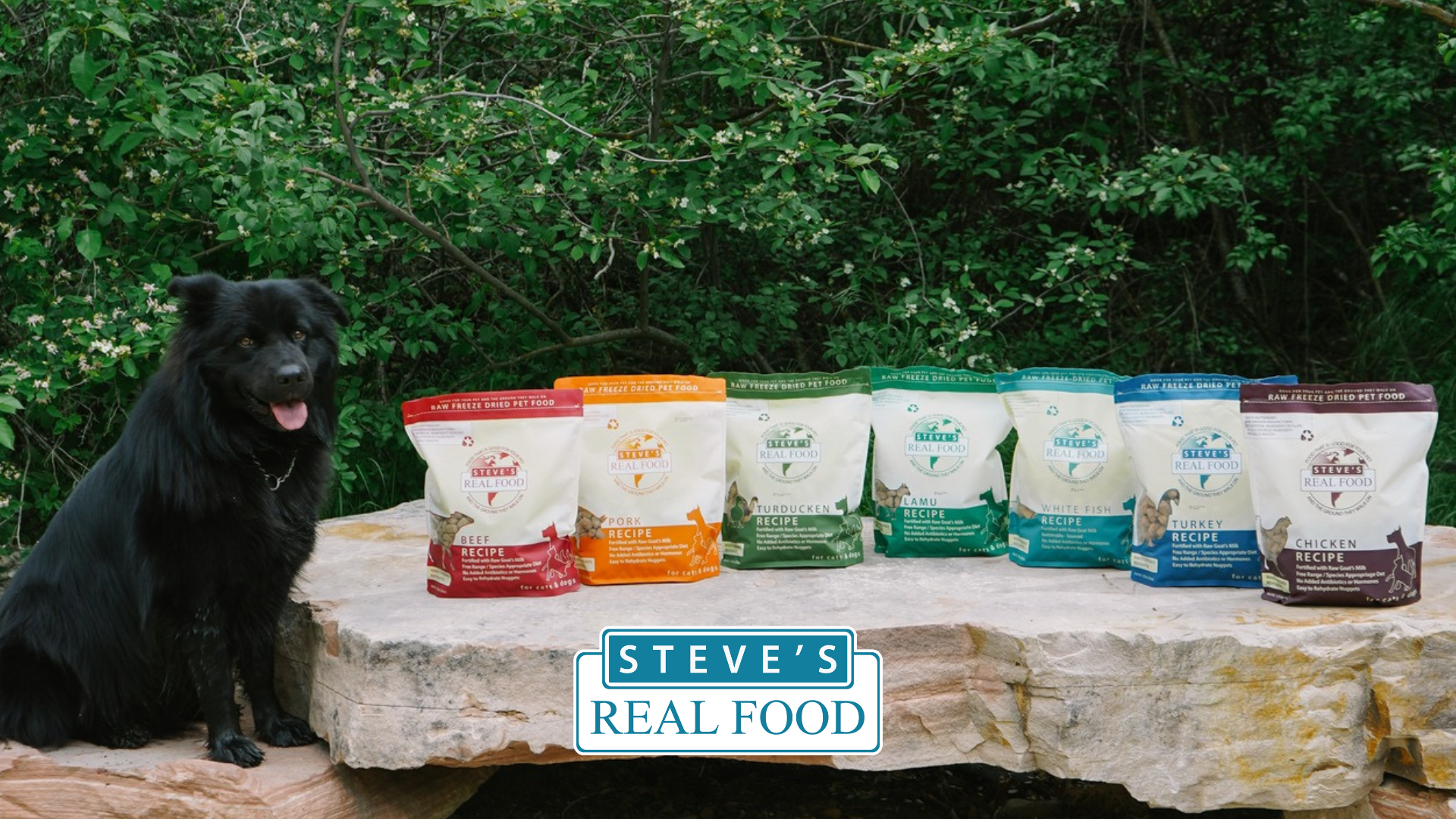
Credit: stevesrealfood.com
How To Dispose Of Dog Food Bags Responsibly
Dog food bags often pose a recycling challenge due to their mixed materials. Check local recycling rules to see if they accept these bags. If not, consider reusing them for storage or cleaning to minimize waste.
Disposing of dog food bags responsibly is a small yet impactful way to contribute to environmental sustainability. Many dog owners might not realize the potential harm in simply tossing these bags into the trash. Whether they’re made from paper, plastic, or a composite material, finding the right disposal method can make a significant difference. So, what are some practical steps you can take to ensure these bags are disposed of responsibly?Proper Disposal Methods
One effective approach is to check the packaging for any recycling symbols or instructions. Some manufacturers provide clear guidelines on how their bags can be recycled. Consider separating components if the bag is made from mixed materials. For example, you might find that the inner lining is recyclable, while the outer layer is not. Always ensure the bags are clean and free from food residues. This prevents contamination in the recycling process and increases the likelihood that the bags will be properly processed.Community Recycling Programs
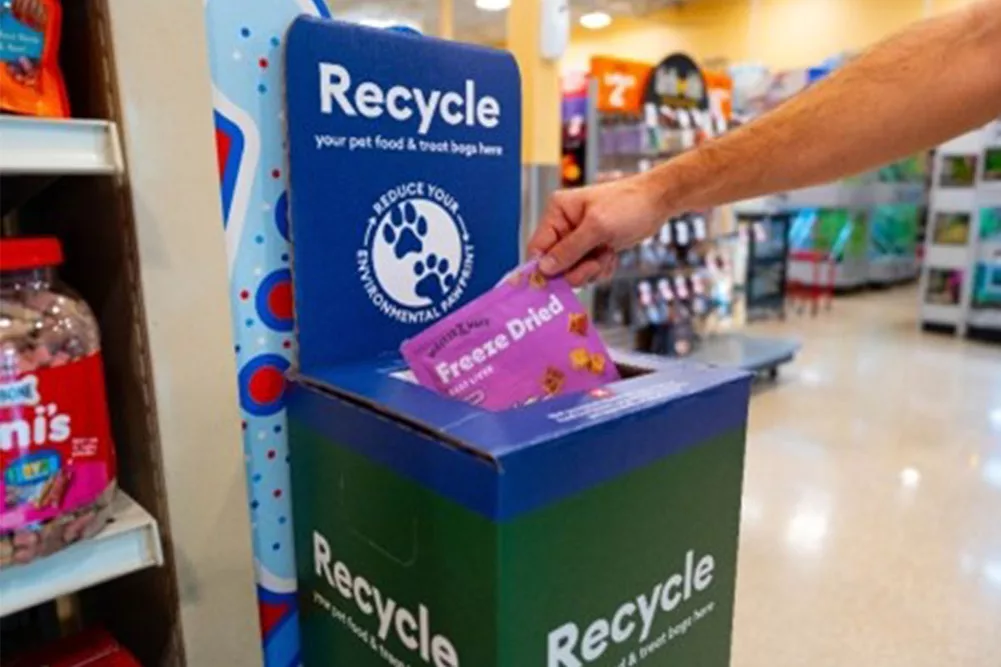
Many communities offer recycling programs specifically designed for items like dog food bags. Check with your local waste management service to see if they accept these materials. Participating in these programs not only aids in proper disposal but also supports community efforts in reducing waste. Some cities have drop-off locations for recyclable materials, making it easy for you to contribute without having to sort through your regular trash.Diy Disposal Tips
If recycling programs aren’t available, consider creative ways to reuse dog food bags at home. They can serve as liners for small trash bins or containers for non-food storage. Using bags in gardening as weed barriers or plant protectors is another innovative reuse idea. You might also engage in arts and crafts, turning old bags into unique items like totes or mats. This not only reduces waste but also adds a personal touch to your recycling efforts. Do you find yourself tossing dog food bags without a second thought? Taking a moment to explore these disposal options can transform a simple act into a meaningful contribution to sustainability.
Credit: www.petfoodprocessing.net
Frequently Asked Questions
Can You Recycle Dog Food Bags?
Yes, but it depends on the material. Some bags are made from recyclable plastics or paper. Check for recycling symbols or contact your local recycling center for guidance. Always clean and dry bags before recycling to prevent contamination.
Are Paper Dog Food Bags Eco-friendly?
Paper bags are generally more eco-friendly. They are biodegradable and often recyclable. However, they may have plastic linings that complicate recycling. Always check for any mixed materials. Supporting brands with sustainable packaging practices can help reduce environmental impact.
What Are Dog Food Bags Made Of?
Dog food bags are typically made of plastic, paper, or a combination. Some use multi-layer materials for durability. These layers can include plastics, foil, and paper. Knowing the material helps determine recyclability and environmental impact.
How To Dispose Of Non-recyclable Bags?
For non-recyclable bags, consider reuse for storage or waste disposal. Alternatively, check for specialized recycling programs. Some brands offer take-back schemes. Proper disposal prevents environmental harm and supports eco-friendly practices.
Conclusion
Dog food bag recycling varies by material and location. Check local guidelines first. Some bags, like paper or certain plastics, are recyclable. Others, especially mixed materials, are not. Reducing waste starts with informed choices. Consider brands with eco-friendly packaging. Reuse bags creatively at home.
Every small effort helps the planet. Spread awareness among friends and family. Together, we can make a difference. Recycling responsibly benefits everyone. Your actions matter. Remember, always stay informed about recycling options. This helps ensure a sustainable future for all.
Keep our environment clean and healthy.