Are you wondering if it’s safe to share that crispy salmon skin with your furry friend? You’re not alone.
Many dog owners are curious about what human foods are safe for their pets. The good news is, you’re about to discover everything you need to know about feeding salmon skin to your dog. Is it a tasty treat that can boost their health, or a potential hazard you should avoid?
We’ll explore the benefits, risks, and the best way to safely introduce salmon skin into your dog’s diet. Stick around to find out how you can make mealtime exciting and nutritious for your loyal companion.

Credit: www.skipperspetproducts.com
Benefits Of Salmon Skin For Dogs
Salmon skin offers rich omega-3 fatty acids beneficial for dogs’ coat health and joint support. These nutrients enhance brain function and reduce inflammation, contributing to overall wellness. It’s a tasty treat that provides essential vitamins and minerals, making it a healthy addition to your dog’s diet.
Feeding your dog salmon skin can be more than just a tasty treat. It offers numerous health benefits that might surprise you. Understanding these benefits can help you make better choices for your furry friend’s diet.Nutritional Value
Salmon skin is packed with essential nutrients that are beneficial for your dog’s health. It contains vitamins like B12 and D, which support energy levels and bone health. When you add salmon skin to your dog’s diet, you’re providing a nutrient-dense option that supports their overall well-being.Omega-3 Fatty Acids
One of the most significant benefits of salmon skin is its high content of omega-3 fatty acids. These essential fats are known for promoting a shiny coat and healthy skin. Have you noticed your dog scratching less or sporting a glossier coat after feeding them salmon skin? That’s the magic of omega-3s in action.Protein Content
Salmon skin is not just about healthy fats; it’s also a good source of protein. This protein helps in muscle growth and repair, keeping your dog active and strong. If you’re looking for a way to support your dog’s muscle health without overloading them with calories, salmon skin is an excellent choice. Incorporating salmon skin into your dog’s diet can lead to noticeable improvements in their health. Have you tried it yet? If not, consider adding this nutrient-rich treat to their meals and observe the positive changes.Potential Risks Of Salmon Skin
Salmon skin may pose risks if fed to dogs. It can contain high fat levels, leading to digestive issues. Additionally, potential toxins and parasites might be present, causing health concerns. Always ensure the skin is well-cooked and free from harmful substances before offering it to your pet.
Feeding your dog salmon skin might seem harmless. But, there are potential risks involved. It’s important to understand these risks before sharing your meal with your furry friend.Contaminants And Toxins
Salmon can contain harmful substances. These include heavy metals and pollutants. These toxins accumulate in the skin. They can pose health risks to dogs. Eating contaminated salmon skin may lead to poisoning. Always check the source of your salmon. Opt for high-quality, toxin-free options.Digestive Issues
Dogs may have trouble digesting salmon skin. The skin is often fatty and tough. This can cause stomach upset. Symptoms include vomiting or diarrhea. Some dogs may experience constipation. Always introduce new foods gradually. Monitor your dog’s reaction closely.Allergic Reactions
Some dogs are allergic to fish. Salmon skin can trigger allergic responses. Symptoms include itching and skin rashes. In severe cases, it may cause breathing problems. Always consult your vet before feeding fish products. Test with small amounts first. Ensure your dog is not allergic.Preparing Salmon Skin For Dogs
Preparing salmon skin for dogs can be a delightful treat. It’s important to ensure the salmon skin is safe and nutritious for your furry friend. This involves choosing the right cooking method, removing any harmful seasonings, and serving the right portion size. Let’s delve into each step to ensure your dog enjoys this tasty snack safely.
Cooking Methods
Cook salmon skin to remove harmful bacteria. Baking is a great option. Place the skin on a baking sheet and bake at 350°F for 10 minutes. Grilling is another method. It gives a nice smoky flavor. Ensure the grill is clean and free from oil. Pan-frying is also possible. Use a non-stick pan without oil. Cook until the skin is crispy. Avoid using raw skin as it might contain parasites.
Removing Seasonings
Salmon skin must be free from salt, garlic, or onion. These can be toxic to dogs. If the skin is seasoned, rinse it thoroughly under cold water. Check for any spices or herbs. Plain salmon skin is best for dogs. It keeps them safe from harmful ingredients.
Portion Sizes
Small portions are ideal for dogs. Large amounts can upset their stomach. Cut the salmon skin into bite-sized pieces. Offer a few pieces at a time. Monitor your dog’s reaction. If they enjoy it without issues, you can offer more next time. Remember, salmon skin should be an occasional treat, not a daily food. Moderation is key for maintaining a healthy diet.

Credit: pupford.com
Alternatives To Salmon Skin
Dogs can enjoy various treats besides salmon skin. Try lean chicken, turkey, or beef as tasty alternatives. These options provide protein without the potential risks of salmon skin.
Feeding your dog salmon skin can be an exciting treat, but it’s not the only option out there. Exploring different alternatives can provide your furry friend with a nutritious and satisfying snack. Let’s look at some other tasty options you might consider.Other Fish Options
If your dog enjoys fish, there are plenty of other options besides salmon. Whitefish, like cod and haddock, are excellent choices. They are lean and packed with proteins. Sardines are another great option. They are small, easy to chew, and rich in omega-3 fatty acids. Make sure they’re unsalted and packed in water. Consider trout for its mild flavor and nutritional benefits. Just ensure all fish is cooked properly to avoid any potential parasites.Commercial Dog Treats
There are many commercial dog treats that mimic the taste and texture of salmon skin. Look for those labeled as natural or organic. Check the ingredient list to avoid unnecessary additives or preservatives. Treats made with sweet potato and fish are a popular choice for their taste and health benefits. If your dog has specific dietary needs, consider hypoallergenic treats. Always read reviews or ask your vet for recommendations.Homemade Recipes
Creating homemade treats is a rewarding way to control what goes into your dog’s diet. Consider making baked fish cookies using ingredients like tuna, eggs, and whole wheat flour. Fish jerky can be made by slicing thin strips of fish and slowly drying them in the oven. It’s a chewy, protein-packed treat. Another idea is fish and veggie bites. Combine cooked fish with mashed sweet potatoes and peas. Shape into small balls and bake for a nutritious snack. Exploring these alternatives can keep your dog happy and healthy. Which option will you try first?Signs Of Adverse Reactions
Feeding your dog salmon skin might seem like a treat. But some dogs can have adverse reactions. Knowing the signs is crucial to keep your pet healthy. These reactions can vary widely.
Behavioral Changes
Dogs may show unusual behavior after eating salmon skin. They might become lethargic or hyperactive. Watch for changes in their mood. Anxiety or excessive barking can be signs too.
Physical Symptoms
Physical symptoms can include vomiting or diarrhea. Itching or skin rashes may appear. Check for swelling, especially around the face and paws. These symptoms need attention.
Seeking Veterinary Advice
If symptoms persist, contact your veterinarian. Professional advice helps in identifying the problem. They can suggest tests or treatments. Always prioritize your dog’s health.
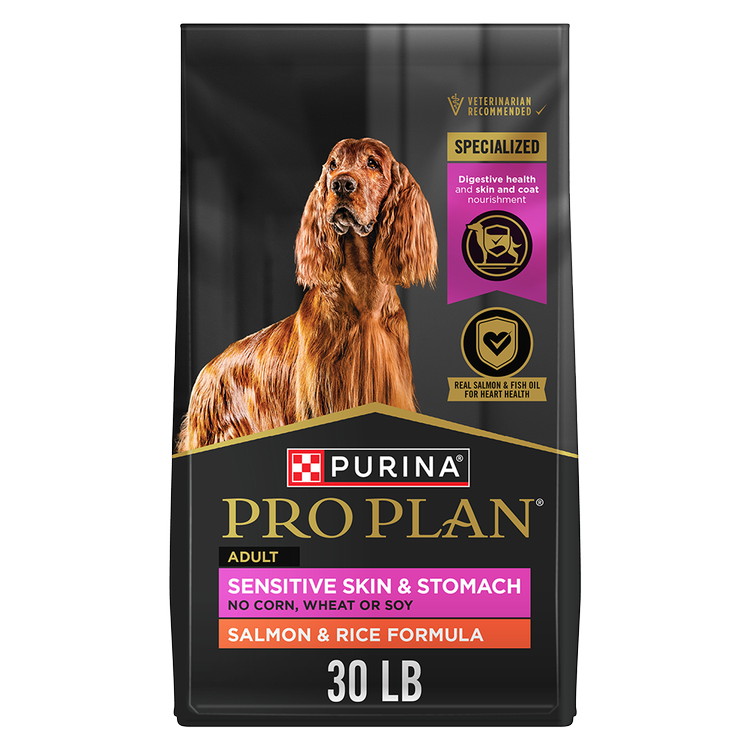
Credit: www.purina.com
Frequently Asked Questions
Is Salmon Skin Safe For Dogs To Eat?
Yes, salmon skin is generally safe for dogs if cooked properly. It should be free from seasonings, oils, and bones. Raw salmon skin can contain harmful parasites. Always ensure it’s cooked thoroughly to avoid risks. Moderation is key, as too much can lead to digestive issues.
What Are The Benefits Of Salmon Skin For Dogs?
Salmon skin is rich in omega-3 fatty acids, which promote healthy skin and coat. It also supports cognitive function and joint health. These nutrients can boost your dog’s overall well-being. However, it’s essential to serve in moderation to prevent excessive fat intake.
How Should I Prepare Salmon Skin For My Dog?
Cook salmon skin without any seasonings or oils. Baking or grilling is a healthy option. Ensure it’s cooked thoroughly to kill any parasites. Avoid frying, as it adds unnecessary fats. Cut the skin into small, manageable pieces before serving it to your dog.
Can All Dog Breeds Eat Salmon Skin?
Most dog breeds can safely enjoy salmon skin. However, always introduce it gradually to monitor for allergies. Some dogs may have specific dietary restrictions or allergies. Consult your vet before adding salmon skin to your dog’s diet, especially if they have known sensitivities.
Conclusion
Salmon skin offers nutrition but needs careful handling. Dogs can enjoy it safely when it’s properly cooked. Raw or seasoned skin poses risks. Always remove bones and check for allergies. Moderation is key in any treat. Balance salmon skin with a varied diet.
Consult your vet for personalized advice. Every dog’s needs differ. Watch for any unusual reactions. A well-fed dog stays happy and healthy. Consider all factors before serving salmon skin. Your furry friend deserves the best care. Make informed decisions for their welfare.