Do Fleas Burrow into Dog Skin? Uncover the Truth Now!
Senior Canine Nutritionist & Dog Behavior Specialist at Cozy Dog Go Wellness Lab
Imagine your beloved dog, usually full of energy and joy, suddenly scratching relentlessly. You might start wondering, “Do fleas burrow into dog skin?”
This unsettling question can make any pet owner anxious. As you care deeply for your furry friend, understanding what might be causing their discomfort is crucial. We’ll uncover the truth about fleas and their behavior on dogs. You’ll discover whether these pesky insects actually burrow into the skin or if there’s something else going on.
By the end, you’ll be armed with the knowledge to help keep your dog happy and healthy. Ready to dive in and find out what’s really happening beneath the fur? Let’s get to the bottom of this itchy mystery!
Flea Behavior And Habitat
Understanding flea behavior is key to managing infestations. Fleas are tiny, wingless insects that thrive in warm environments. They have adapted to survive on hosts like dogs, feeding on their blood. Knowing their lifecycle and preferred habitats helps control them effectively.
Lifecycle Of Fleas
Fleas undergo four stages: egg, larva, pupa, and adult. Female fleas lay eggs on the host’s skin, which later drop off into the environment. Larvae emerge from the eggs, feeding on organic matter and flea dirt. They then form cocoons, entering the pupal stage. Adult fleas emerge, seeking a host to start the cycle anew.
Preferred Hosts And Environment
Fleas favor warm, humid settings. Dogs are common hosts, providing warmth and a ready food source. Fleas can also inhabit carpets, bedding, and furniture. These areas offer shelter and proximity to hosts, making them ideal for fleas to thrive.
Credit: lavengel.com
Myths About Flea Burrowing
When it comes to fleas, many dog owners have heard the alarming myth that these pesky parasites burrow into their pets’ skin. This misconception can lead to unnecessary worry and ineffective treatments. Understanding the truth behind flea behavior is crucial for effective pet care and peace of mind.
Common Misconceptions
You’ve likely heard tales of fleas burrowing deep into a dog’s skin. The truth is, fleas are external parasites. They live on the surface of the skin and feed off blood.
They may cause itching and discomfort, but they don’t burrow or live under the skin. So, if you’re treating your dog for flea burrowing, you’re barking up the wrong tree!
Instead of wasting time on ineffective treatments, focus on proven methods like topical solutions or flea collars that target fleas on the skin.
Origins Of Burrowing Myths
The myth likely stems from confusion with other parasites. Mites and ticks can burrow or attach themselves more invasively than fleas.
Personal stories of dealing with ticks or mites might have morphed into generalized flea myths. Sharing accurate information can help debunk these myths.
Next time you hear someone mention flea burrowing, ask them: are they confusing fleas with another parasite? This question can lead to more informed discussions and better pet care solutions.
Flea Impact On Dogs
Understanding the impact fleas have on dogs is crucial for every pet owner. These tiny pests can cause significant discomfort and health issues for your furry friend. They don’t burrow into the skin, but their presence can lead to a series of problems that can affect your dog’s overall well-being. Let’s explore how fleas affect dogs and what you can do to protect your pet.
Symptoms Of Flea Infestation
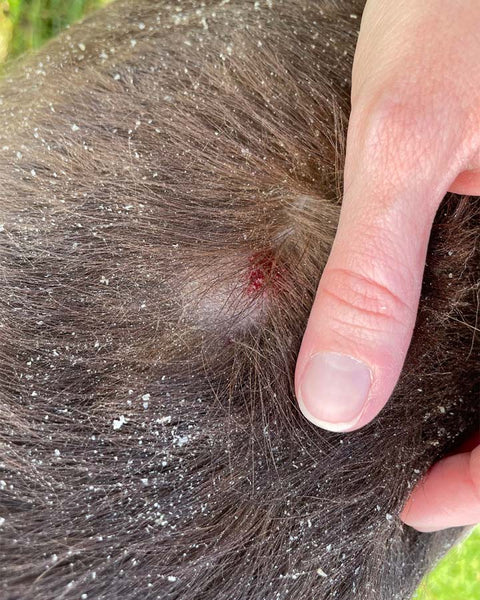
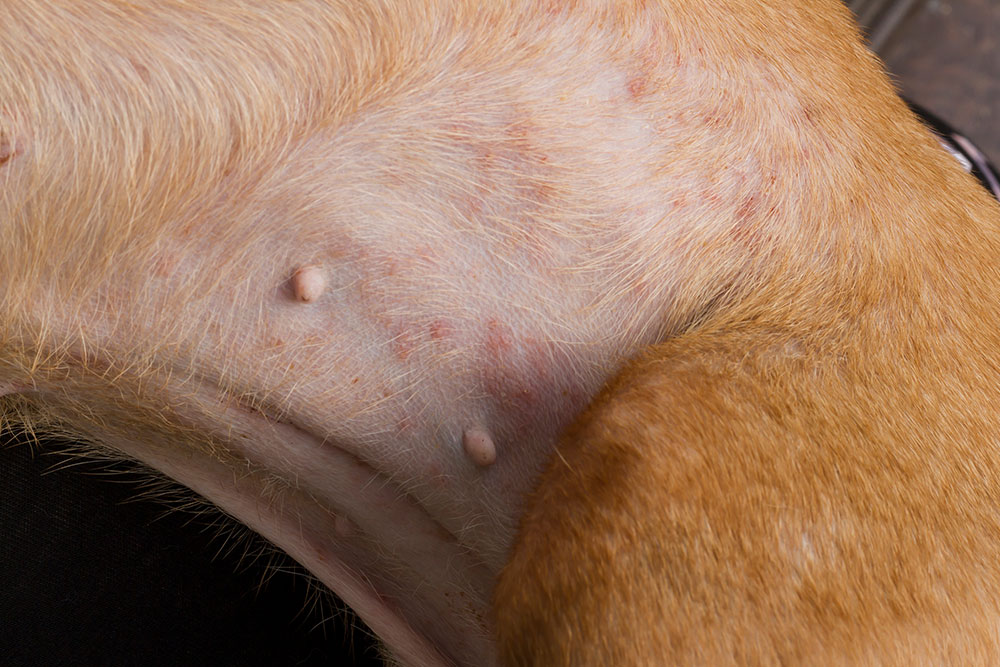
Fleas are more than just a nuisance. They can cause itching and discomfort, leading your dog to scratch incessantly. You might notice your dog chewing on its skin or developing red spots and rashes. Flea dirt, which looks like tiny black specks, can be found on your dog’s skin and coat.
Have you ever seen your dog unusually agitated or restless? Fleas might be the culprit. Constant scratching can disturb your dog’s sleep and daily activities. Regular grooming and checking for flea dirt can help you identify an infestation early.
Health Risks Associated With Fleas
Beyond discomfort, fleas pose serious health risks. Flea bites can lead to allergic reactions in some dogs, causing more severe itching and skin infections. In some cases, dogs develop flea allergy dermatitis, requiring veterinary treatment.
Fleas can also transmit tapeworms if swallowed by your dog while grooming. This can lead to digestive issues and weight loss. A simple flea infestation can escalate into bigger health problems if not addressed promptly.
Have you considered how fleas can affect your dog’s mental health? Constant itching and discomfort can stress your dog, impacting its mood and behavior. Ensuring your dog is flea-free not only protects its physical health but also its happiness.

Credit: www.wondercide.com
Effective Flea Control Methods
Dealing with fleas on dogs can be distressing for both pets and owners. Fleas cause itching and discomfort, sometimes leading to serious skin infections. They do not burrow into the skin, but their bites can irritate your dog. Effective flea control is essential for maintaining your dog’s health and comfort. Here, we explore strategies to prevent and treat flea infestations.
Preventative Measures
Prevention is key in keeping fleas at bay. Regular grooming helps detect fleas early. Use flea combs to catch fleas and their eggs. Keep your dog’s sleeping area clean and vacuum carpets often. This reduces flea breeding grounds. Consider using flea-repellent shampoos during baths. They provide an extra layer of protection. Ensure your pet’s bedding is washed frequently. This disrupts flea life cycles.
Treatment Options For Infested Dogs
If your dog has fleas, immediate treatment is crucial. Choose a vet-approved flea treatment. These can be topical solutions or oral medications. Follow product instructions carefully for effective results. Flea collars are another option. They help repel fleas long-term. Consult your vet for the best collar choice. In severe cases, professional pest control might be necessary. They address home infestations thoroughly.
Signs Of Severe Infestation
Fleas can cause severe discomfort in dogs. Recognizing signs of infestation is crucial for pet health. Flea bites are more than itchy spots. They can lead to serious skin problems. Understanding these signs helps in taking timely action.
Severe flea infestations lead to constant scratching. Dogs may develop red, inflamed skin. Hair loss is another indicator. Fleas leave tiny black specks on dog fur. These specks are flea dirt. Dogs may become restless and irritable. They may also lose weight due to stress.
When To Seek Veterinary Help
Professional help is necessary when home remedies fail. Persistent scratching requires a vet’s attention. Constant biting or licking of skin is a red flag. Swelling and pus on the skin indicate infections. A vet can prescribe effective treatments. Regular check-ups help prevent severe infestations.
Long-term Effects On Dog Health
Flea infestations can lead to anemia. Anemia occurs due to blood loss from bites. It weakens the dog’s immune system. Skin infections become common with untreated flea problems. Allergic reactions can cause dermatitis. Dogs may suffer from tapeworms. Tapeworms come from swallowing infected fleas. Long-term flea issues affect overall dog well-being.

Credit: extension.msstate.edu
Frequently Asked Questions
Do Fleas Actually Burrow Into Dog Skin?
No, fleas do not burrow into dog skin. They bite the skin to feed on blood. Fleas usually stay on the surface or in the fur. Their bites can cause irritation and itchiness.
How Can I Tell If My Dog Has Fleas?
Look for excessive scratching or biting at the skin. Flea dirt, which looks like tiny black specks, is another sign. You might also spot fleas jumping on your dog’s fur.
Can Flea Bites Cause Health Problems In Dogs?
Yes, flea bites can lead to allergic reactions and skin infections. In severe cases, they can cause anemia due to blood loss. Dogs may also develop tapeworms if they ingest fleas.
What Treatments Are Effective Against Fleas On Dogs?
Effective treatments include topical medications, oral tablets, and flea collars. Regular grooming and cleaning your dog’s environment help too. Consult your veterinarian for the best option for your dog.
Conclusion
Fleas do not burrow into dog skin. They bite and cause itching. Regular grooming helps detect fleas early. Use flea prevention methods to protect your dog. Clean your home regularly to remove fleas. Consult a vet for effective flea treatments.
Keep your pet’s environment clean and safe. Understanding flea behavior is crucial. Quick action can prevent infestations. Your dog deserves a flea-free life. Stay vigilant and informed about pet care.

Similar Posts