Can You Use Dog Flea Shampoo on Cats: Crucial Insights
Senior Canine Nutritionist & Dog Behavior Specialist at Cozy Dog Go Wellness Lab
Imagine this: Your beloved cat is scratching more than usual, and you suspect fleas might be the culprit. You reach for the dog flea shampoo in your cabinet, but then pause.
Can you actually use dog flea shampoo on cats? It’s a common question that many pet owners face, and making the wrong choice could be dangerous for your furry friend. Understanding the differences between products designed for dogs and those for cats is crucial for their health and well-being.
We’ll explore the key reasons why it’s important to choose the right flea treatment for your cat, ensuring their safety and comfort. Keep reading to uncover the truth about using dog flea shampoo on cats and make informed decisions for your pet’s care.
Safety Concerns
Using dog flea shampoo on cats raises several safety concerns. Cats have different biology and sensitivities than dogs. Their skin and fur require special care. Using inappropriate products could pose health risks for cats. Understanding these risks is crucial for pet owners.
Chemical Composition
Dog flea shampoos often contain chemicals like pyrethrins. These ingredients are generally safe for dogs. Cats, however, are sensitive to these chemicals. Their bodies cannot process them effectively. This can lead to toxic reactions. Cats lack the enzymes to break down certain compounds. This makes them more vulnerable to adverse effects.
Potential Risks
Using dog flea shampoo on cats can cause serious health issues. Cats may experience skin irritation or allergic reactions. Symptoms include redness, itching, and swelling. More severe reactions include vomiting, tremors, or seizures. Ingesting shampoo residue while grooming poses additional dangers. Even small amounts can be harmful. If any symptoms occur, seek veterinary help immediately.
Comparing Dog And Cat Skin
The skin of dogs and cats differs greatly, influencing their grooming needs. Understanding these differences is crucial when choosing care products for your pets. Using the wrong shampoo can lead to irritation or other skin issues. Let’s explore the sensitivity and pH differences between dog and cat skin.
Sensitivity Differences
Cats have more sensitive skin compared to dogs. Their skin can react negatively to harsh chemicals often found in dog shampoos. Cats lack certain protective oils, making them more prone to irritation and dryness. This sensitivity means they require gentle products specifically formulated for feline skin.
Ph Levels
The pH level of cat skin is different from that of dogs. Cat skin is more acidic, whereas dog skin tends to be more neutral. Dog flea shampoos are made to match the pH level of dog skin. Using them on cats can disrupt their natural pH balance. This can lead to skin problems or discomfort for your cat.
Ingredients In Dog Flea Shampoo
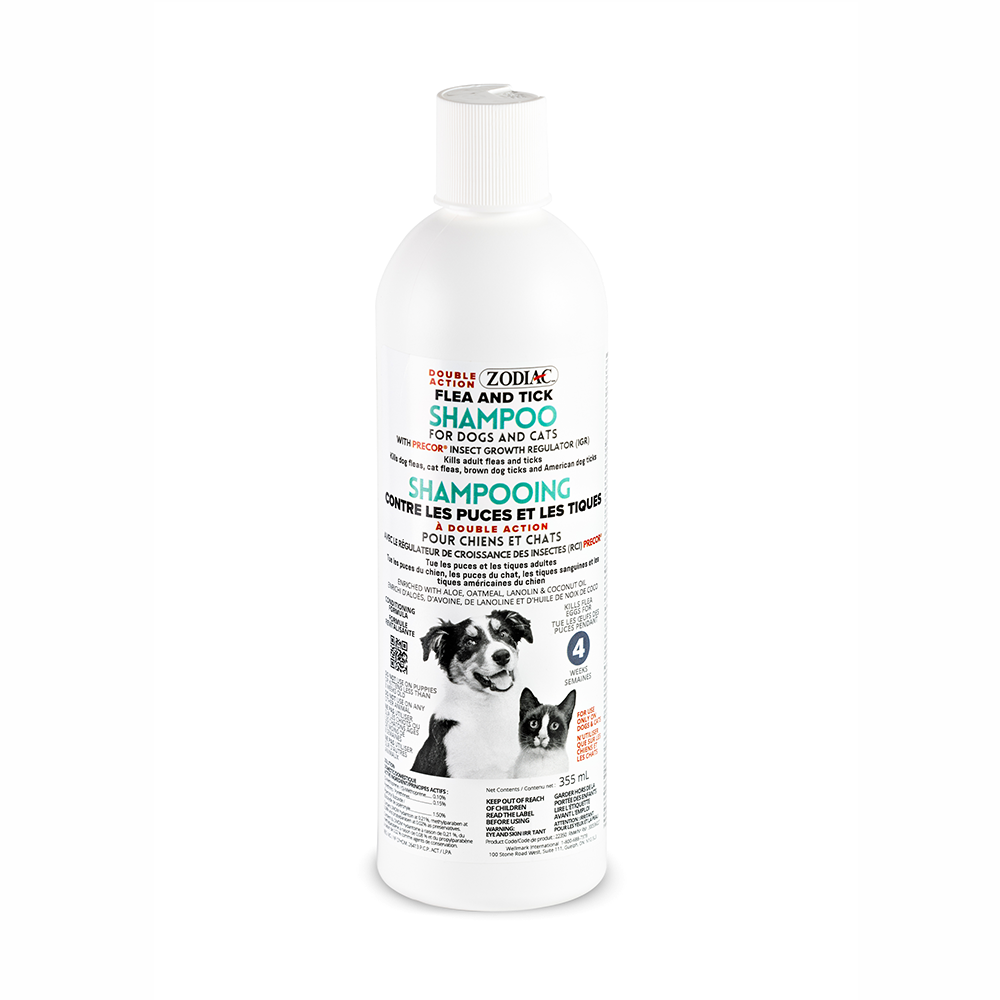
Dog flea shampoos often contain insecticides like pyrethrins, which may be harmful to cats. Cats are more sensitive to certain chemicals, making it risky to use dog flea shampoos on them. Always check ingredients and consult a vet before using any product on your cat.
Ingredients in dog flea shampoo can vary widely. Many contain chemicals designed to target fleas effectively. Some shampoos also offer natural ingredients. Understanding these ingredients is crucial for pet safety. Let’s explore the common chemicals and natural alternatives found in dog flea shampoos.Common Chemicals
Dog flea shampoos often contain powerful chemicals. These ingredients are effective against fleas but may not be safe for cats.- Permethrin: Widely used in dog shampoos but toxic to cats.
- Pyrethrins: Derived from chrysanthemum flowers, less harmful but still risky.
- Sulfur-based compounds: Effective on fleas, but can irritate cat skin.
Natural Alternatives
Natural alternatives can offer a gentler option. They often use plant-based ingredients to repel fleas.- Neem oil: Known for its anti-parasitic properties.
- Aloe vera: Soothes and moisturizes the skin.
- Lemongrass oil: Repels fleas and smells pleasant.

Credit: groomerschoice.com
Effects On Cats
Cats and dogs have different needs, especially for grooming products. Using dog flea shampoo on cats can be harmful. Many ingredients in dog shampoos are not safe for cats. These products can cause adverse effects on your feline friend.
Short-term Effects
Cats can have immediate reactions to dog flea shampoo. You may notice skin irritation or redness. Cats might start itching or scratching more than usual. Some cats could develop rashes or hives. These reactions happen because of the harsh chemicals meant for dogs. Your cat’s skin is sensitive and reacts quickly to irritants.
In severe cases, a cat might vomit or have diarrhea. Breathing problems can also occur due to strong odors or chemicals. These symptoms need quick attention to prevent further harm.
Long-term Consequences
Repeated use of dog flea shampoo on cats can lead to serious health issues. Cats might develop chronic skin problems. Long-term exposure to unsuitable chemicals can damage their skin barrier. This makes them more prone to infections and allergies.
Internal health issues can also arise. Chemicals absorbed through the skin can affect liver and kidney functions. Over time, this can impact your cat’s overall well-being.
Using the right products for cats is crucial. Always choose shampoos specifically formulated for cats to ensure their safety and health.
Veterinary Recommendations
Choosing the right shampoo for your pet is crucial. Cats and dogs have different skin and fur needs. Using the wrong product can harm your pet. Always consult a vet before using dog flea shampoo on cats.
Professional Advice
Veterinarians strongly advise against using dog flea shampoo on cats. Dog shampoos often contain chemicals that are safe for dogs but not for cats. Cats have sensitive skin and different grooming habits. Ingesting dog shampoo residue can make cats sick. Vets recommend using products specifically designed for cats.
Safe Alternatives
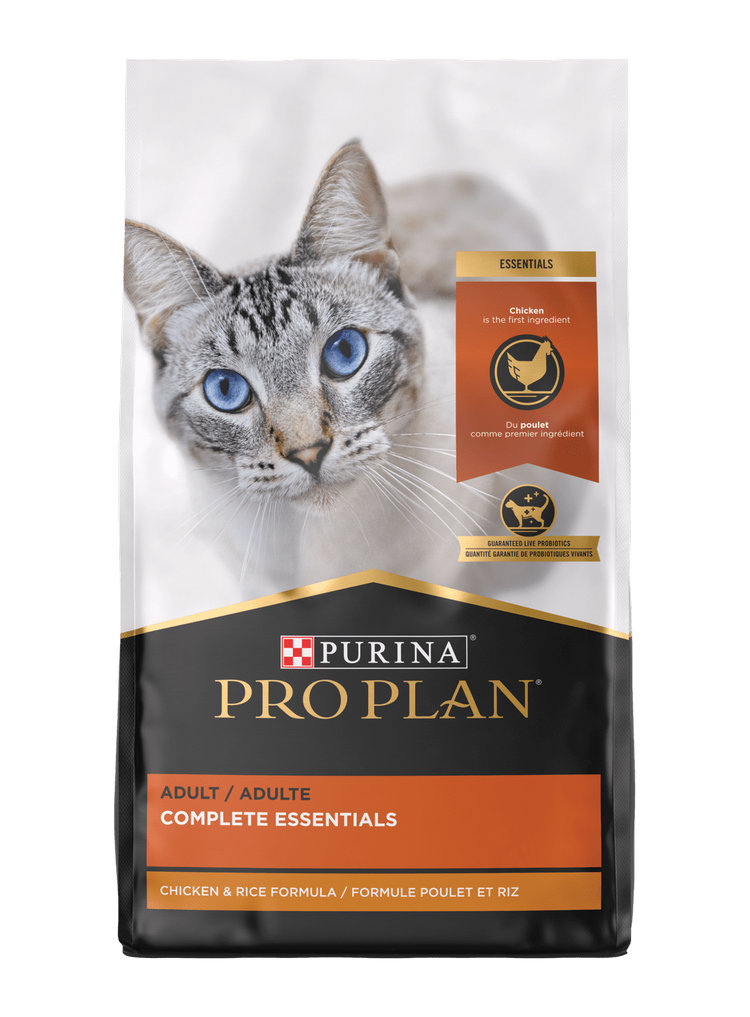
Several safe alternatives exist for treating fleas on cats. Look for flea shampoos made just for cats. These products are gentle and effective. You can also use topical flea treatments prescribed by your vet. Flea combs can help remove fleas without chemicals. Always read labels and follow instructions carefully.
Credit: www.purina.com
Emergency Response
If you ever find yourself in a situation where you’ve accidentally used dog flea shampoo on your cat, it’s crucial to act swiftly. Cats can be highly sensitive to certain chemicals found in dog shampoos, which might lead to dangerous reactions. Understanding what to do in such emergencies can be the difference between a minor scare and a serious health issue.
Signs Of Toxicity
Knowing the signs of toxicity is vital. Look for symptoms such as:
- Excessive drooling
- Vomiting or diarrhea
- Difficulty breathing
- Tremors or seizures
- Weakness or lethargy
These symptoms can develop rapidly. Observing your cat closely after exposure will help you act promptly.
Immediate Actions
If you notice any signs of distress, it’s essential to take immediate action:
- Rinse thoroughly:Use lukewarm water to rinse your cat, ensuring you remove as much shampoo as possible.
- Contact your vet:Call your veterinarian for guidance. They might suggest bringing your cat in for a check-up.
- Monitor closely:Keep a close eye on your cat’s behavior, noting any changes or worsening of symptoms.
Time is of the essence, so don’t hesitate to seek professional help. Your quick response can prevent serious health complications.
Preventive Measures
Using dog flea shampoo on cats can be harmful. Cats have sensitive skin and different needs. Choose products specifically made for cats to ensure safety and effectiveness.
Preventive Measures Ensuring your cat’s health requires careful attention to preventive measures. Using the right products is crucial. Not all pet shampoos are interchangeable. Dog flea shampoos can harm cats. Cats have unique needs. Let’s explore safe practices for your feline friend.Proper Product Use
Selecting the right product for your cat is essential. Always check labels. Look for cat-specific flea shampoos. These products are safe and effective for cats. Dog flea shampoos contain ingredients harmful to cats. Avoid using them. Consult your vet for recommendations. They can suggest suitable options. Always follow the product instructions. Proper use prevents potential harm.Regular Health Checks
Regular vet visits keep your cat healthy. Schedule annual check-ups. Vets can spot early signs of health issues. Flea infestations can be caught early. This prevents further complications. Home checks are also important. Look for fleas or unusual behavior. Monitor your cat’s coat and skin. Early detection ensures prompt treatment.
Credit: www.amazon.com
Frequently Asked Questions
Is Dog Flea Shampoo Safe For Cats?
Dog flea shampoo is not safe for cats. It contains ingredients that can be toxic to felines. Cats have a different metabolism, making them sensitive to certain chemicals. Always use a cat-specific flea treatment to ensure their safety and health.
Consult your vet for the best flea control options.
What Happens If You Use Dog Shampoo On Cats?
Using dog shampoo on cats can cause adverse reactions. Cats may experience skin irritation, vomiting, or seizures. Dog shampoos often have ingredients that are harmful to cats. To prevent health issues, always choose products specifically designed for cats.
Why Can’t You Use Dog Flea Treatments On Cats?
Dog flea treatments can contain permethrin, which is toxic to cats. Cats lack the necessary enzymes to break down this chemical. This can lead to severe poisoning or even death. It’s crucial to use feline-specific flea treatments for your cat’s safety.
Can I Use Dog Shampoo On Kittens?
Dog shampoo should never be used on kittens. Young cats are even more sensitive to harmful chemicals found in dog products. Using the wrong shampoo can lead to skin issues or systemic reactions. Always opt for a kitten-specific shampoo for their delicate skin.
Conclusion
Using dog flea shampoo on cats is risky. Cats have sensitive skin. Dog products can harm them. Always check labels carefully. Choose cat-specific flea treatments for safety. Consult your vet for advice. They’ll guide you best. Keep your pets safe and comfortable.
It’s crucial for their health. Avoid mixing products for different animals. Each pet needs tailored care. A vet can recommend the right solution. Protect your cat from fleas effectively. Safe choices ensure a happy, healthy pet. Stay informed and proactive.
Your pet’s well-being depends on it.

Similar Posts