How Often Do Dogs Need to Be Groomed: Essential Tips
Senior Canine Nutritionist & Dog Behavior Specialist at Cozy Dog Go Wellness Lab

Have you ever looked at your furry friend and wondered how often they need a grooming session? You’re not alone.
Many dog owners are uncertain about the best grooming schedule for their pets. Grooming isn’t just about keeping your dog looking adorable; it’s crucial for their health and well-being. Imagine your dog feeling more comfortable, healthy, and happy with regular grooming.
This article will answer your questions and help you understand the importance of maintaining a grooming routine. By the end, you’ll be equipped with the knowledge to ensure your dog feels their best. Keep reading to discover how often your dog should be groomed and why it matters so much for their happiness and health.
Importance Of Regular Grooming
Regular grooming is essential for a dog’s health and happiness. It keeps their coat shiny and their skin healthy. It also helps in detecting early signs of health issues. Grooming isn’t just about appearance. It’s a crucial part of your dog’s overall well-being.
Physical Health Benefits
Regular grooming removes dirt and dead skin. This reduces the chance of infections. Brushing stimulates blood circulation, promoting a healthier coat. It also helps in controlling shedding.
Mental Health Benefits
Grooming sessions create bonding time. They help in reducing stress and anxiety. Regular grooming makes dogs feel loved and cared for.
Early Detection Of Health Issues
Grooming helps spot lumps or skin issues early. Regular checks can catch problems before they worsen. Early detection leads to better treatment outcomes.
Improved Social Interactions
Well-groomed dogs are more pleasant to be around. They smell better and have fewer fleas. This improves their social interactions with other dogs and humans.
Prevention Of Matting And Tangles
Regular grooming prevents matting and tangles in the fur. Matting can cause discomfort and skin problems. Keeping the coat clean and brushed avoids these issues.
Factors Affecting Grooming Frequency
When it comes to grooming your beloved canine friend, you might wonder how often it should be done. The answer isn’t straightforward, as various factors determine the grooming frequency. Your dog’s breed, coat type, and activity level all play significant roles in deciding how often they need a spa day. Let’s dive into these factors to ensure your furry companion stays clean and healthy.
Breed Specific Needs
Different breeds have distinct grooming requirements. Dogs like Poodles or Shih Tzus with continuously growing hair might need grooming every 4 to 6 weeks to keep their coats manageable and prevent matting. On the other hand, breeds like Beagles or Dachshunds, with shorter coats, can go longer between grooming sessions. Knowing your dog’s breed can help you tailor a grooming schedule that suits their unique needs.
Coat Type Considerations
The type of coat your dog has significantly impacts how often they need grooming. Dogs with double coats, such as Huskies or Golden Retrievers, benefit from regular brushing to remove loose fur and avoid tangles. Single-coated dogs might require less frequent grooming. Consider using specific tools designed for your dog’s coat type to make grooming a breeze. Does your dog have a curly, wiry, or smooth coat?
Activity Level
Your dog’s lifestyle also affects grooming frequency. An active dog that spends a lot of time outdoors will likely accumulate more dirt and debris, necessitating more frequent baths and brushings. In contrast, a more sedentary dog that spends most of their time indoors may not need grooming as often. Think about your dog’s daily activities and adjust their grooming routine accordingly. How adventurous is your furry friend?
Signs Your Dog Needs Grooming
Dogs, like humans, need regular grooming to stay healthy and happy. Recognizing signs that indicate grooming needs can help maintain your dog’s well-being. Certain physical cues are clear indicators that your furry friend might require some grooming attention.
Matted Fur
Matted fur is a common issue, especially in long-haired breeds. It can cause discomfort and skin irritation. When fur tangles into knots, it becomes difficult to brush out. These knots can trap dirt and moisture, leading to skin problems. Regular brushing can prevent this. If matting becomes severe, professional grooming may be necessary.
Overgrown Nails
Dogs’ nails should be trimmed regularly. Overgrown nails can cause pain and affect walking. They can also lead to joint issues over time. Listen for clicking sounds on the floor. If you hear them, it’s time for a trim. Keeping nails at a healthy length is vital for your dog’s comfort.
Unpleasant Odor
An unpleasant odor is a clear sign your dog needs grooming. Dogs naturally have a scent, but a strong smell can indicate issues. It might be due to dirty fur, skin infections, or dental problems. Regular baths can help manage odors. If the smell persists, consult a vet. Ensuring cleanliness will keep your dog smelling fresh.
Credit: www.facebook.com
Diy Grooming Tips
Regular grooming keeps your dog healthy and happy. Most dogs need grooming every 4 to 8 weeks. Factors like breed, coat type, and lifestyle affect grooming needs.
Grooming your dog at home can be a rewarding experience that strengthens the bond between you and your furry friend. Not only does it save money, but it also allows you to understand your pet’s grooming needs better. However, as with any DIY project, it’s crucial to know the right techniques and practices to ensure your dog’s comfort and safety.Safe Practices
Safety should be your top priority when grooming your dog. Begin by selecting the right tools—such as a dog-specific brush or comb—to minimize discomfort or injury. Always check the blade settings on clippers before use to avoid cutting too close to your dog’s skin. Keep grooming sessions short and positive. If your dog seems anxious, try using treats to encourage calm behavior. It’s important to be patient; rushing can lead to mistakes that might harm your pet.Budget-friendly Options
You don’t need to spend a fortune on grooming supplies. Many budget-friendly options are available that still offer quality results. For example, you can find affordable brushes and shampoos designed specifically for dogs at local pet stores or online. Consider repurposing items you already own, like using an old toothbrush for cleaning delicate areas such as around the eyes. Another cost-saving tip is to trim your dog’s nails after a bath when they’re softer and easier to clip. Remember, grooming doesn’t have to be expensive or complicated. With a little creativity and some safe practices, you can maintain your dog’s appearance and health without breaking the bank. What creative DIY grooming tips can you share with fellow dog owners?Frequency Guidelines For Different Breeds
Grooming your dog is essential for their health and happiness, but how often should you really be doing it? Different breeds have different grooming needs, and understanding these can make a big difference in your pet’s life. Let’s explore how often various breeds need grooming to keep them looking and feeling their best.
Small Breeds
Small breeds like Shih Tzus and Yorkshire Terriers usually require more frequent grooming. Their coats can easily become tangled and matted, which can be uncomfortable for them. Aim for grooming sessions every 4 to 6 weeks to keep their fur neat and healthy.
Regular brushing at home, even daily, can help maintain their coats between professional grooming appointments. If you’ve ever had a small breed, you know how quickly their hair can grow and how it can obscure their vision. Keeping them trimmed not only helps them see better but also keeps them more active.
Medium Breeds
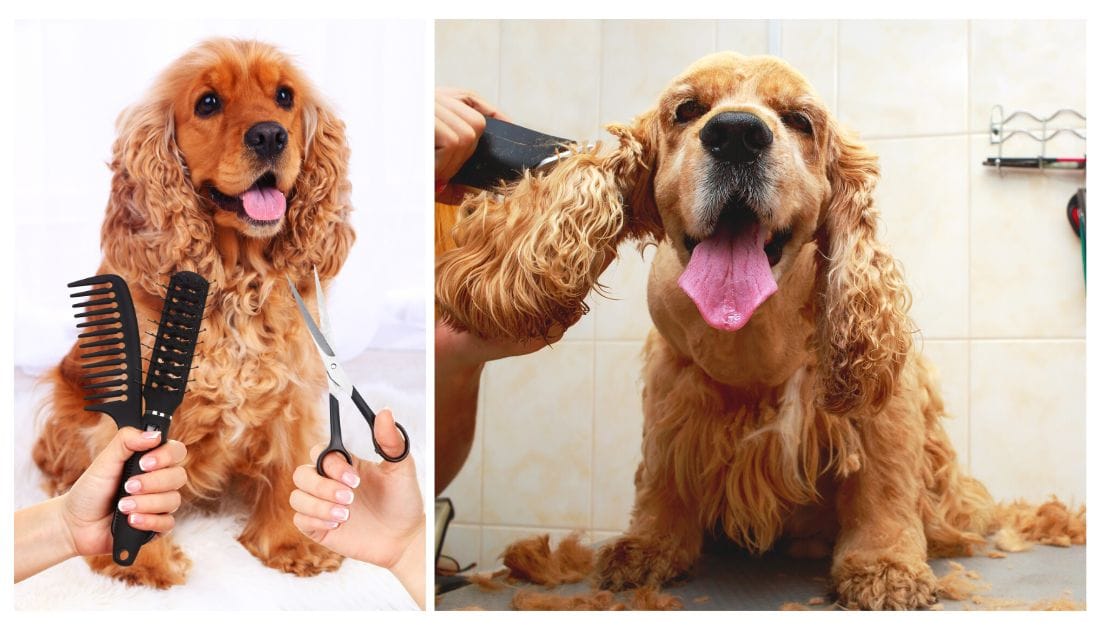
Medium breeds such as Cocker Spaniels and Border Collies have different grooming needs. They generally need grooming every 6 to 8 weeks. Their coats are often denser, which requires more attention to prevent matting.
During your grooming routine, pay special attention to their ears and tails, as these areas can hide tangles. If you’re not sure about the best grooming schedule, think about how their coat looks after a month. Are they starting to look shaggy? That’s a good indicator they need a grooming session soon.
Large Breeds
Large breeds like Golden Retrievers and German Shepherds typically have thicker coats that shed more. They often require grooming every 8 to 12 weeks. These breeds benefit from regular baths and de-shedding treatments to control the amount of fur they leave around your house.
Grooming isn’t just about the coat; it’s about their overall well-being. Regular checks for ticks, fleas, and skin issues should be part of your routine. Have you ever noticed how a well-groomed dog carries themselves differently? It’s almost as if they know they look good!
Understanding your dog’s grooming needs can lead to a happier, healthier pet. What’s your grooming routine like? Share your experiences in the comments below!
Seasonal Grooming Needs
Understanding the seasonal grooming needs of dogs is essential for their well-being. Different seasons bring unique challenges and requirements for your furry friend. Regular grooming keeps your dog comfortable and healthy throughout the year.
Summer Grooming
Summer can be hot and uncomfortable for dogs with thick fur. Regular grooming helps keep them cool and prevents overheating. Shorter haircuts are beneficial, especially for breeds with dense coats. Always check for ticks and fleas during grooming sessions. Brush your dog frequently to remove loose fur. This reduces shedding and keeps their coat healthy. Consider using dog-friendly sunscreen on exposed skin areas.
Winter Grooming
In winter, dogs need their fur for warmth and protection. Avoid shaving their coat too short during this season. Regular brushing helps maintain their coat’s natural oils. This prevents dry skin and irritation. Check for snow or ice buildup between their paws. Trim hair around their feet to avoid this issue. Bathe your dog less frequently in winter to preserve their skin’s moisture.
Credit: www.instagram.com
Frequently Asked Questions
How Often Should Dogs Get Groomed?
Dogs typically need grooming every 4-8 weeks, depending on their breed and coat type. Regular grooming helps maintain their hygiene and prevents matting. Short-haired dogs may require less frequent grooming, while long-haired breeds often need more attention. Consult with a professional groomer to determine the best schedule for your dog.
Can Grooming Affect A Dog’s Health?
Yes, grooming plays a crucial role in a dog’s overall health. It helps in detecting skin issues, parasites, and infections early. Regular grooming also aids in reducing shedding and maintaining a clean coat. Additionally, it promotes healthy skin and can prevent painful matting in long-haired breeds.
What Tools Are Essential For Dog Grooming?
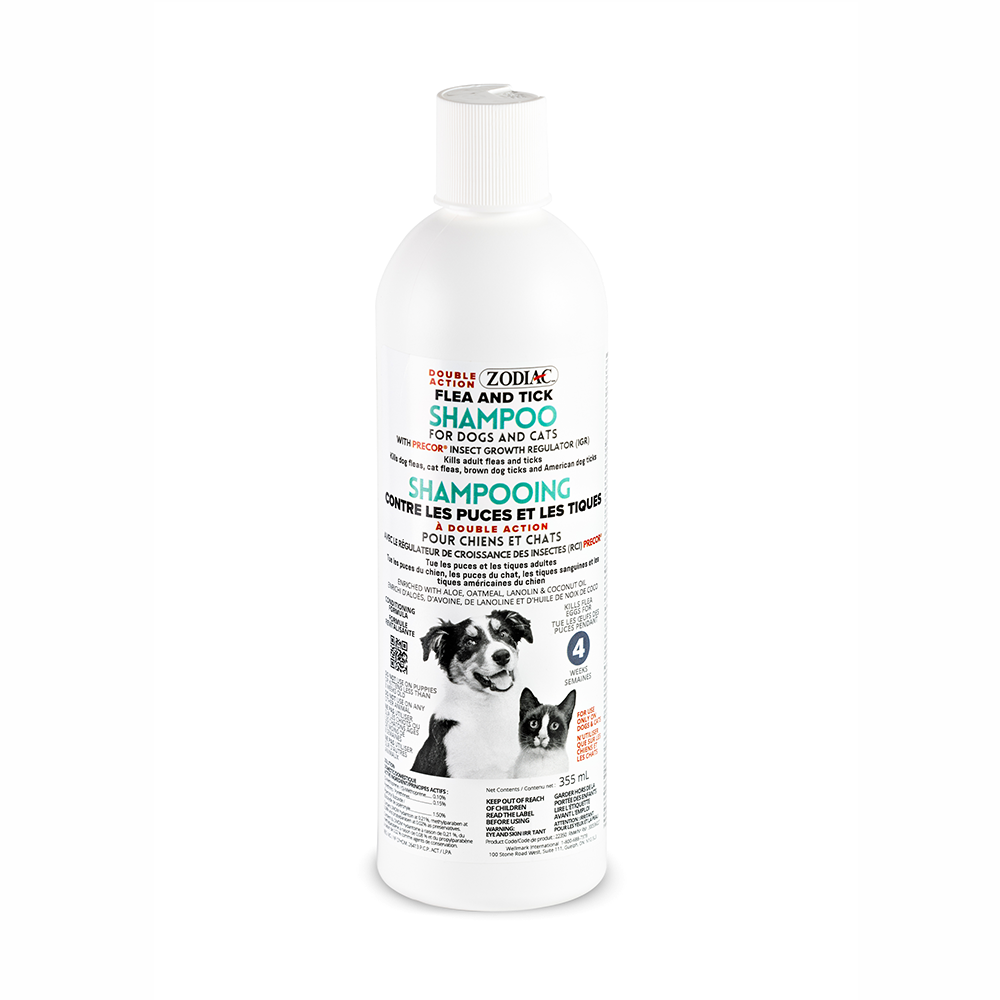
Essential dog grooming tools include a brush, comb, nail clippers, and shampoo. A slicker brush is useful for removing loose fur and preventing tangles. Nail clippers help keep nails trimmed, avoiding discomfort. Dog-specific shampoo keeps the coat clean and healthy.
Consider investing in quality tools for effective grooming.
How Does Grooming Differ By Dog Breed?
Grooming needs vary significantly among dog breeds. Long-haired breeds require frequent brushing to prevent tangles, while short-haired breeds need less maintenance. Some breeds may need regular trimming, while others might benefit from occasional baths. Always research your dog’s specific grooming requirements based on their breed and coat type.
Conclusion
Regular grooming keeps your dog healthy and happy. It prevents mats and tangles. Short-haired breeds need less frequent grooming. Long-haired breeds require more attention. Each dog has unique grooming needs. Observe your dog’s coat and skin. Consult a professional groomer for advice.
Proper grooming fosters a strong bond. A clean dog is a joyful companion. Make grooming a fun routine. Keep tools handy. Brush regularly. Clip nails when needed. Check ears and teeth often. A little effort ensures your pet’s well-being. Grooming is essential for their comfort and health.
Your furry friend deserves the best care.

Similar Posts