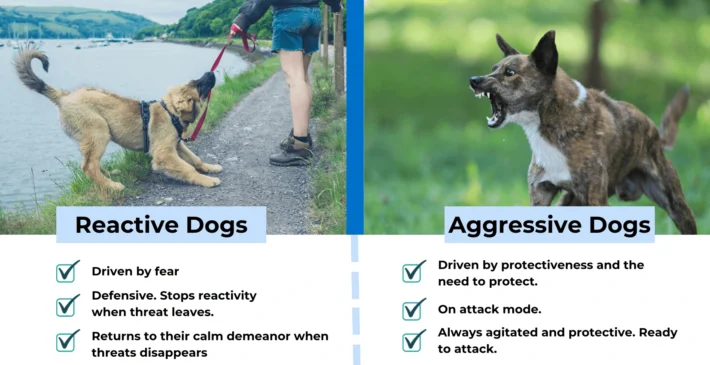
How to Stop Reactivity in Dogs: Proven Techniques
Picture this: you’re enjoying a peaceful walk with your furry friend when suddenly, a passing dog turns your calm companion into a barking whirlwind. Sound familiar?
If you’ve ever faced the challenge of a reactive dog, you’re not alone. Understanding how to stop reactivity in dogs can transform your outings from stressful to serene. Imagine the joy of leisurely strolls without the constant worry of your dog’s sudden outbursts.
In this guide, you’ll discover practical tips and techniques to help your dog stay calm and focused, even in the most distracting environments. Whether you’re dealing with lunging, barking, or over-excitement, you’ll find solutions that bring peace to both you and your beloved pet. Ready to unlock the secret to a more harmonious life with your dog? Let’s dive in and explore how you can turn those chaotic moments into calm ones.
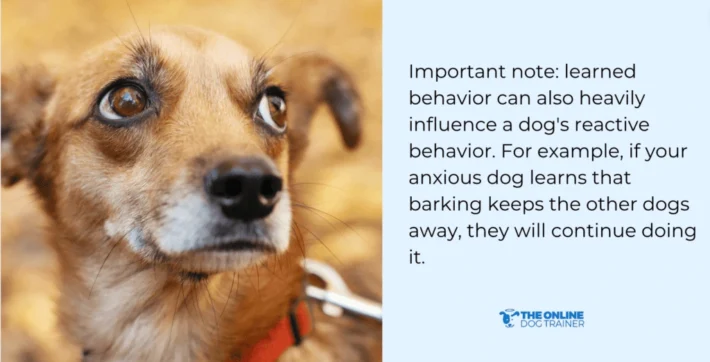
Credit: theonlinedogtrainer.com
Identifying Reactivity Triggers
Understanding a dog’s reactivity triggers is key to helping them stay calm. Common triggers include other animals, loud noises, or unfamiliar people. Identifying these helps in creating a tailored plan to reduce stress and improve behavior.
Identifying reactivity triggers in dogs is crucial for managing their behavior. Understanding what sets off a dog’s reaction can help in reducing unwanted responses. Each dog is unique, and so are their triggers. Knowing these triggers can guide effective training and intervention strategies.Common Causes Of Dog Reactivity
Dogs can react to a variety of stimuli in their environment. Common causes include unfamiliar people or other animals. Loud noises, such as fireworks or thunderstorms, often cause stress. Changes in their surroundings might also trigger a reaction. Previous negative experiences can linger and influence behavior. Recognizing these causes helps in creating a calmer environment.Signs Of Reactivity In Dogs
Signs of reactivity in dogs can vary. Barking is a frequent indicator. Growling or snapping often follows. Some dogs may become hyperactive or try to escape. Others might freeze or show signs of fear. Observing these behaviors is key to understanding their triggers. Early identification aids in addressing the issue effectively.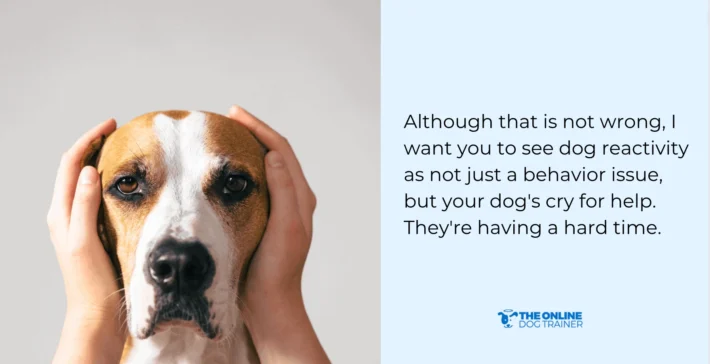
Credit: theonlinedogtrainer.com
Behavioral Modification Techniques
Understanding the triggers of dog reactivity can help in managing their behavior effectively. Consistent training and positive reinforcement are key techniques. Redirecting attention through commands and rewarding calm behavior encourages better responses.
Dogs often react to stimuli with barking, lunging, or other behaviors. This reactivity can be challenging for pet owners. Understanding behavioral modification techniques can help reduce such responses. These techniques focus on changing a dog’s perception and reaction to certain triggers. They are essential for creating a calm and controlled environment for your pet.Positive Reinforcement Strategies
Positive reinforcement involves rewarding your dog for good behavior. This method encourages dogs to repeat desirable actions. Use treats, praise, or toys as rewards. This helps dogs associate calm behavior with positive outcomes. Consistency is key. Reward your dog immediately after the desired behavior. This strengthens the connection between the action and the reward. Over time, your dog learns to exhibit calm behavior naturally.Desensitization Methods
Desensitization involves gradually exposing your dog to triggers. The goal is to reduce the dog’s reaction over time. Start with minimal exposure to the stimulus. Slowly increase the intensity or duration. Monitor your dog’s response closely. Ensure your dog remains calm during each step. Patience is crucial. Progress at a pace comfortable for your dog. This method helps dogs become less sensitive to triggers, promoting calmness.Effective Training Practices
Effective training practices can significantly reduce dog reactivity. Training helps your dog learn calm responses to various stimuli. It also strengthens the bond between you and your dog. By following specific techniques, you can foster better behavior.
Consistency In Training
Consistency is crucial in dog training. Regular practice helps your dog understand the expectations. Repeated commands create a routine they can follow. Use the same words for commands every time. This reduces confusion and aids learning. Patience is key. Your dog needs time to adapt.
Building Trust With Your Dog
Trust forms the foundation of effective training. Building trust with your dog improves communication. Spend quality time together. Play, walk, and interact frequently. Praise them when they follow commands. Reward good behavior with treats. Trust leads to a more relaxed, responsive dog.
Role Of Environment
The environment plays a crucial role in managing dog reactivity. A calm and controlled setting helps reduce unwanted behaviors. Dogs react less when they feel secure and stress-free. Adjusting the surroundings can make a big difference.
Creating A Safe Space
Provide a designated area for your dog to relax. This space should be quiet and free from distractions. Use soft bedding and familiar toys to comfort them. Make it a positive place with treats and gentle praise. A safe space helps dogs feel protected and calm.
Minimizing Stressors
Identify and reduce any stressors in your dog’s environment. Loud noises, unfamiliar visitors, or chaotic spaces can trigger reactivity. Limit exposure to these elements as much as possible. Gradually introduce changes to prevent overwhelming your dog. Consistency in the environment fosters a sense of stability.
Professional Assistance
Professional assistance can help manage dog reactivity through expert techniques and tailored training plans. A certified dog trainer provides guidance to improve behavior and build trust.
Reactivity in dogs can be a challenging behavior to manage. It often requires more than just patience and basic training techniques. Seeking professional assistance can be a pivotal step toward helping your dog become calmer and more manageable. Understanding when and how to seek this help is crucial for both your peace of mind and your dog’s well-being.When To Seek Help
You might wonder when it’s the right time to consult a professional for your dog’s reactivity issues. If your dog consistently shows extreme fear, aggression, or anxiety in various situations, it might be time to look for expert guidance. Consider the safety of your dog and those around you. If your dog’s behavior puts them or others at risk, don’t wait. Professional assistance can provide strategies that are beyond basic training tactics. Also, if you’ve tried various methods with little success, seeking help can offer fresh perspectives and techniques tailored to your dog’s specific needs.Choosing The Right Trainer
Selecting the right trainer is essential to ensure effective progress. Look for trainers who specialize in behavioral issues, particularly reactivity. Research their credentials and experiences. A certified professional with a track record of helping reactive dogs can offer more than generic training advice. Engage in conversations with potential trainers. Ask about their approach and success stories. You want someone who is not just knowledgeable but also empathetic to your situation. Ultimately, your comfort and your dog’s trust in the trainer will significantly impact the success of the training. Choose someone who resonates with both you and your dog.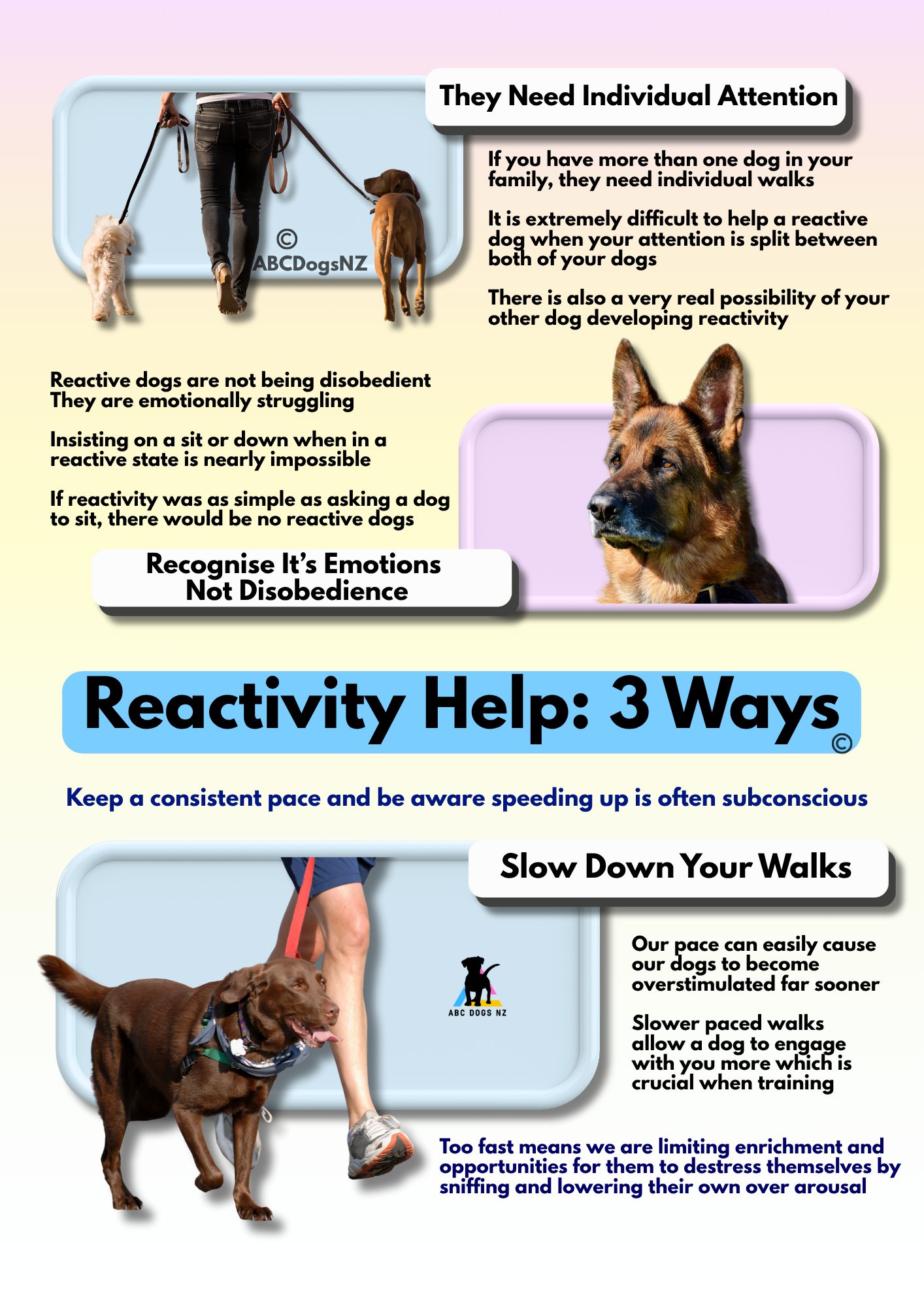
Credit: m.facebook.com
Tools And Products
Calm dog reactivity with specialized tools and products. Leashes and harnesses offer control and safety for outings. Toys designed for mental stimulation help distract anxious dogs.
Understanding how to manage your dog’s reactivity can feel overwhelming. However, the right tools and products can make a significant difference. From harnesses and leashes to calming aids, these items not only help control behavior but also promote a sense of security and calm for your pet. Let’s dive into some practical tools that can empower you and your furry friend during walks and everyday interactions.Harnesses And Leashes
Choosing the right harness and leash can drastically change your walking experience. A front-clip harness, for example, can provide better control over your dog’s movements and reduce pulling. Have you ever noticed how a dog pulls less when they’re comfortable? A well-fitted harness can alleviate discomfort and redirect their focus. Leashes with a shock absorber or bungee can also minimize sudden jerks. This not only protects your arm but also offers a more pleasant experience for your dog. Remember, the goal is to create a calm environment where your dog feels safe and you feel in control.Calming Aids
Calming aids can be a game-changer for reactive dogs. Products like pheromone diffusers or sprays mimic natural comforting scents that can soothe your dog. Have you ever considered how your dog reacts to different scents? This can be a silent yet powerful ally in reducing stress. Supplements with ingredients like L-theanine or chamomile can also help manage anxiety. Always consult with your vet before introducing new supplements to ensure they’re safe for your dog. Creating a calm atmosphere with these aids can significantly reduce your dog’s reactivity, making outings more enjoyable for both of you. By using these tools and products, you not only address reactivity but also build a stronger, more trusting relationship with your dog. What will you try first to help your furry friend?Frequently Asked Questions
What Causes Reactivity In Dogs?
Reactivity in dogs is often caused by fear, anxiety, or frustration. It can result from poor socialization during puppyhood. Negative experiences and lack of training can also contribute. Understanding the root cause is essential for effective management and training.
How Can I Calm A Reactive Dog?
To calm a reactive dog, use desensitization and counter-conditioning techniques. Gradually expose your dog to triggers while rewarding calm behavior. Consistent training, positive reinforcement, and patience are key. Professional guidance can also be beneficial.
Are Specific Breeds More Prone To Reactivity?
Certain breeds may be more prone to reactivity due to their temperament and genetics. However, any dog can become reactive if not properly socialized or trained. Understanding your dog’s breed traits and individual personality is crucial.
Can Training Help Stop Dog Reactivity?
Yes, training can significantly reduce dog reactivity. Consistent, positive reinforcement techniques can help your dog learn better responses. Professional trainers can offer personalized guidance. Patience and persistence are essential for success.
Conclusion
Stopping dog reactivity is a journey. Be patient. Consistency matters. Small steps lead to big changes. Understand your dog’s needs. Use positive reinforcement. Reward calm behavior. Build trust over time. Training strengthens your bond. Seek professional help if needed. Every dog is unique.
Tailor strategies to fit your dog. Stay calm during setbacks. Celebrate progress, no matter how small. Keep learning. Adjust techniques as your dog grows. Love and commitment are key. You can nurture a calmer, happier dog. Embrace the process and enjoy the journey together.