How to Groom a Dog: Expert Tips for a Happy Pup
Senior Canine Nutritionist & Dog Behavior Specialist at Cozy Dog Go Wellness Lab
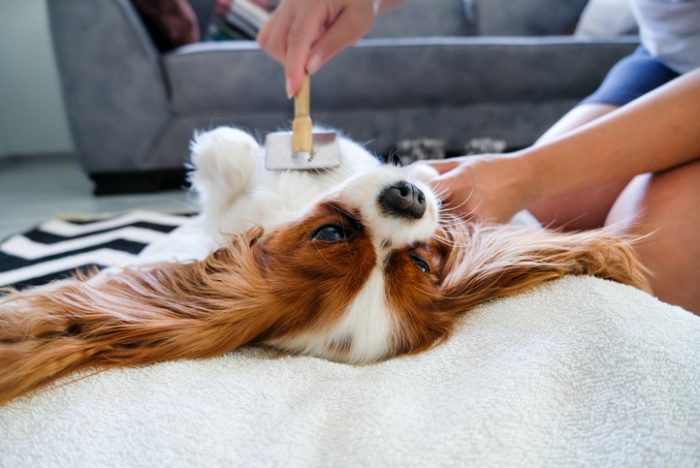
Have you ever looked at your furry friend and wondered how to keep them looking their best? Grooming a dog is more than just a bath and a brush—it’s about ensuring their health, comfort, and happiness.
Imagine the joy of seeing your dog not only looking great but feeling great too. When you know how to groom your dog properly, you’re giving them the gift of health and boosting their mood. You might worry about where to start or how to make it enjoyable for both of you.
Don’t fret! This guide will walk you through each step, making it simple, fun, and rewarding. Ready to dive into the world of dog grooming and discover how you can make your pet shine like never before? Let’s get started!
Choosing The Right Tools
Selecting appropriate tools ensures a smooth dog grooming experience. Brushes, clippers, and scissors cater to different breeds. Quality equipment reduces stress and enhances grooming efficiency.
Grooming your dog is more than just a chore; it’s an opportunity to bond and ensure their health and happiness. Choosing the right tools is crucial to making this experience pleasant for both you and your furry friend. The right equipment ensures efficiency, safety, and comfort, transforming grooming time into a delightful ritual rather than a dreaded task.Brushes And Combs
Selecting the right brush or comb depends on your dog’s coat type. Short-haired breeds may benefit from a rubber brush, while long-haired breeds often require a slicker brush or comb to prevent tangles. A personal favorite is the dual-sided brush, which offers versatility for different fur textures. Think about your dog’s comfort and your grooming goals when choosing.Shampoo And Conditioner
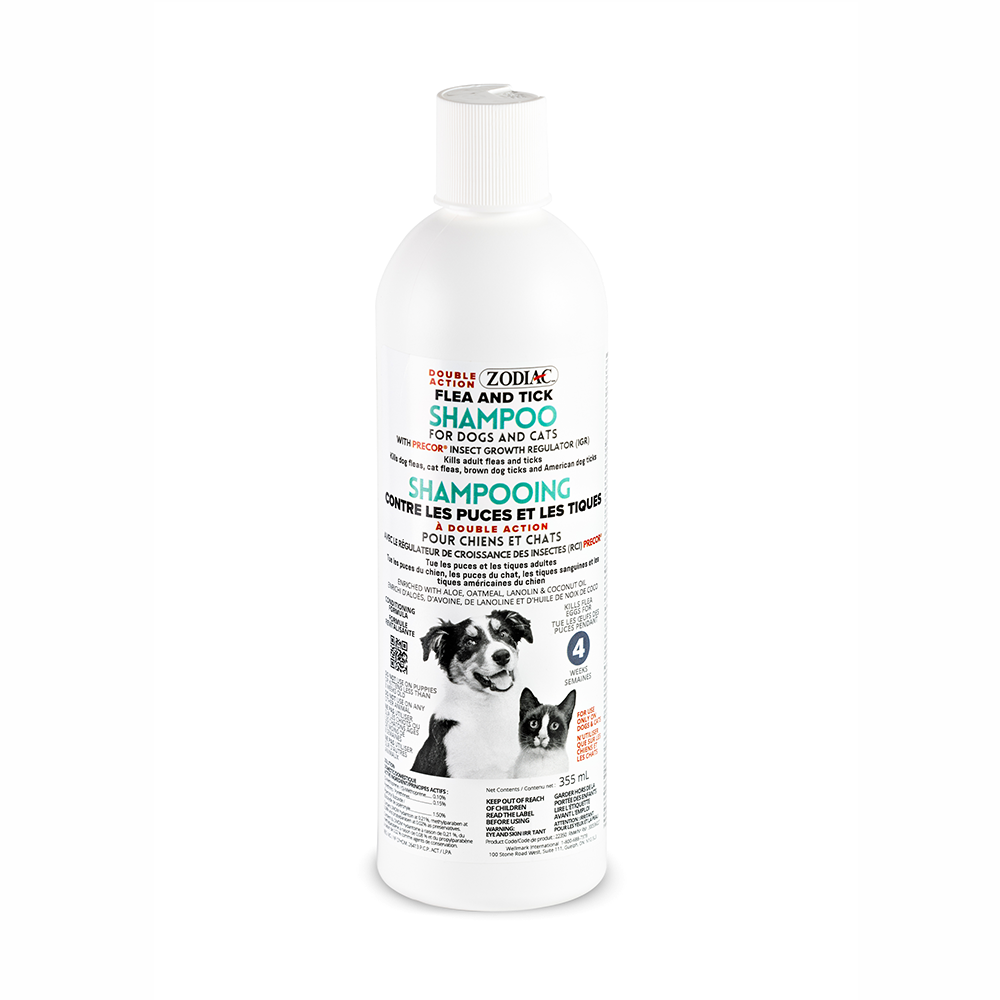
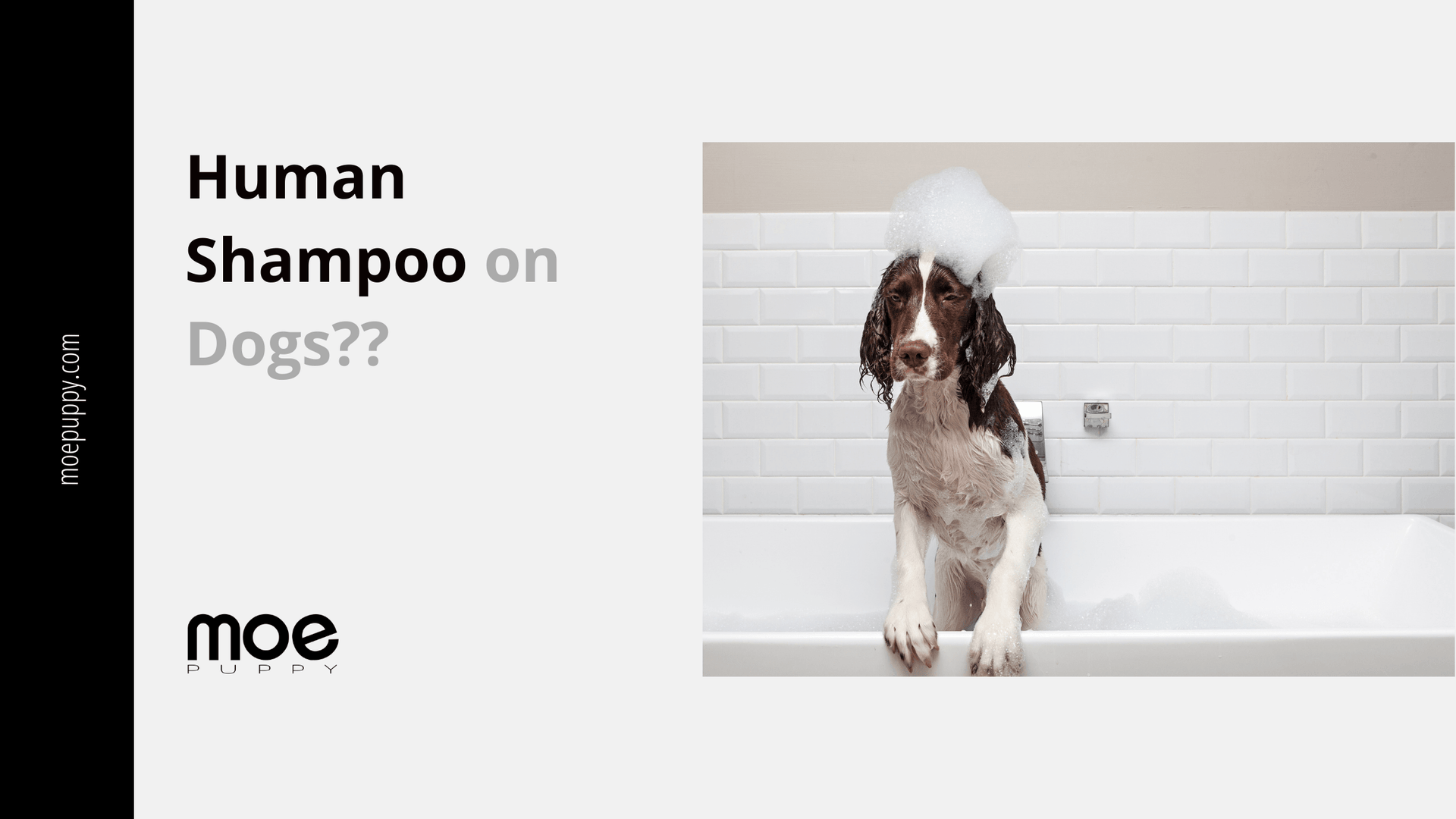
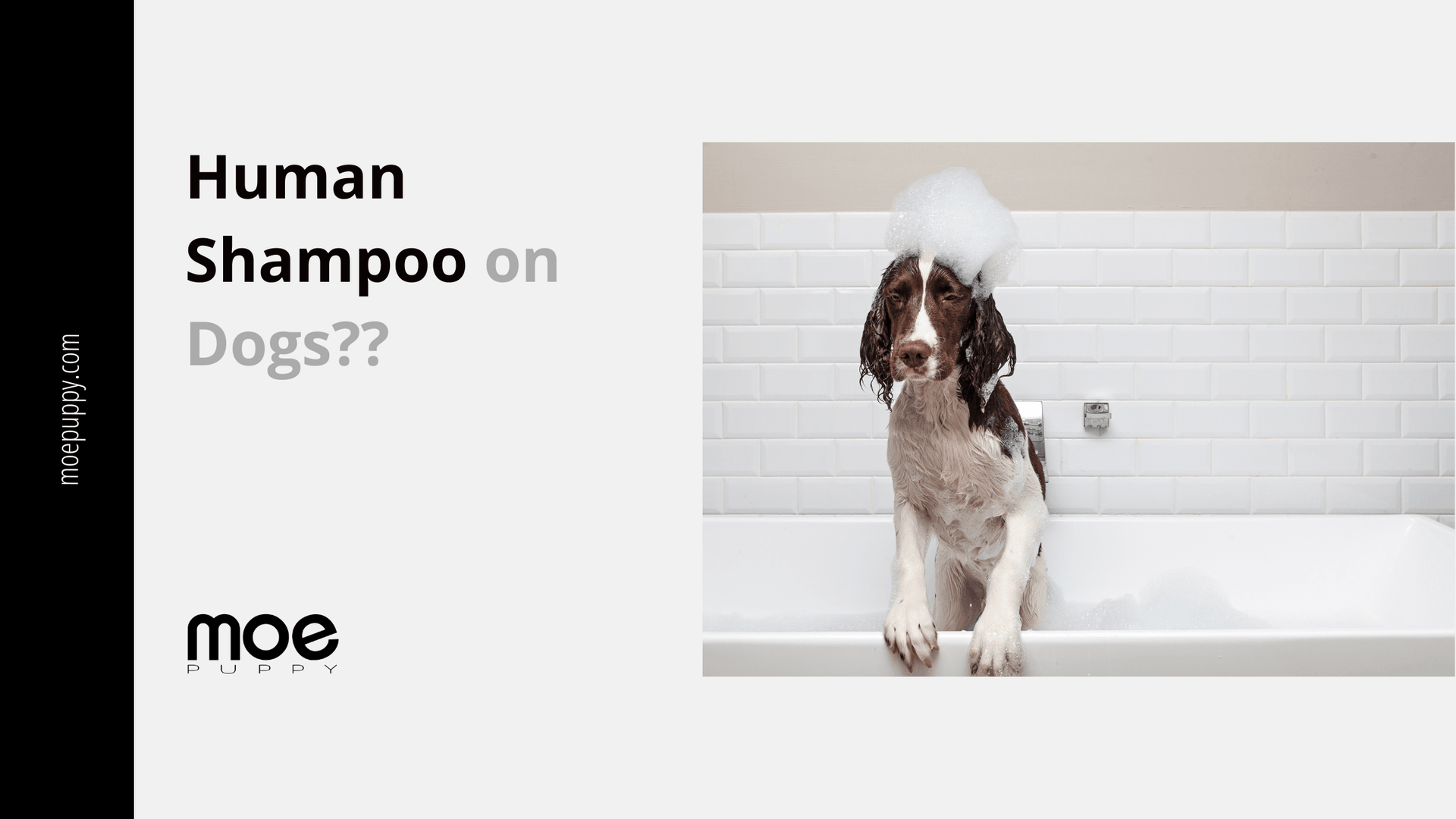
The skin and coat health of your dog largely depend on the shampoo and conditioner you use. Opt for products specifically formulated for dogs, as human shampoos can upset their pH balance. If your dog has sensitive skin, hypoallergenic options are available. A good conditioner can also help maintain shine and manageability, making the grooming process easier in the long run.Nail Clippers And Grinders
Nail care is a vital part of grooming, and choosing between clippers and grinders depends on your comfort level and your dog’s tolerance. Clippers are quick and efficient, but grinders offer more precision and safety. Have you ever accidentally cut too close to the quick? A grinder might give you more control and peace of mind. Always introduce these tools slowly, rewarding your dog to create a positive association. Choosing the right grooming tools isn’t just about the task at hand; it’s about creating a comfortable and enjoyable experience for your dog. What tools have made a difference in your grooming routine?Preparing Your Dog
Grooming a dog involves regular brushing to remove tangles and dirt. Bathing keeps their coat clean and shiny. Trim nails carefully to prevent discomfort and injury.
Preparing your dog for grooming is an essential step. It sets the stage for a smooth grooming session. Dogs can be sensitive to unfamiliar activities. Proper preparation helps them feel comfortable and secure.Creating A Calm Environment
A calm setting is vital. Choose a quiet room free from distractions. Soft music can help relax your dog. Ensure the room temperature is comfortable. Avoid sudden noises that might startle your pet. Speak in gentle tones and pet your dog. This builds trust and eases anxiety.Familiarizing With Equipment
Introduce grooming tools gradually. Let your dog sniff the brushes and combs. Hold clippers gently to show they are safe. Use treats to reward your dog when they interact with tools. Show them the items are not threatening. Practice using the tools lightly on their fur. This helps them get used to the sensation.Brushing Techniques
Regular brushing keeps your dog’s coat healthy and shiny. Use gentle strokes to remove dirt and tangles. Choose the right brush for your dog’s fur type for the best results.
Brushing your dog regularly keeps their coat shiny and healthy. Proper brushing techniques can prevent tangles and reduce shedding. It also keeps your pet comfortable and happy. Here are some effective brushing techniques to try.Detangling Fur
Use a detangling spray or conditioner to soften knots. Gently work through tangles with your fingers first. Use a wide-toothed comb for stubborn mats. Start from the ends and work towards the skin. Be patient and gentle to avoid hurting your dog. Regular brushing prevents future tangles.Removing Loose Hair
Choose the right brush for your dog’s coat type. Use a slicker brush for long-haired breeds. A bristle brush works well for short-haired dogs. Brush in the direction of hair growth. This helps remove loose hair effectively. Use short, gentle strokes to avoid skin irritation. Regular brushing reduces shedding and keeps your home cleaner.
Credit: www.moego.pet
Bathing Tips
Bathing your dog can be a delightful bonding experience, but it also requires a bit of knowledge and preparation. Whether your furry friend is a fan of splashing in water or not, following the right steps can make bath time enjoyable for both you and your pet. Let’s dive into some practical tips to ensure your dog’s bath is as effective and pleasant as possible.
Choosing The Right Water Temperature
The water temperature is crucial for a comfortable bath. Imagine jumping into a too-hot shower; it’s the same for dogs. Aim for lukewarm water. It’s neither too hot nor too cold, providing a soothing experience for your pooch.
Test the temperature with your wrist. If it’s comfortable for you, it’s likely comfortable for your dog. Adjust as needed to prevent any discomfort or distress during the bath.
Applying Shampoo Correctly
Shampoo application is more than just lathering up. Start with a small amount and work it into a rich lather. Focus on areas that get dirtier, like the paws and underbelly.
Massage gently to help distribute the shampoo evenly. Use circular motions to reach the undercoat, ensuring a thorough clean without irritating the skin.
Consider using a dog-specific shampoo. It’s formulated to maintain your dog’s skin and coat health, avoiding the harsh effects of human shampoos.
Drying Methods
Drying a dog properly is crucial after grooming. Towels absorb most moisture and prevent dripping. Use a hairdryer on low heat to finish, ensuring the dog’s coat is completely dry and fluffy.
Drying your dog after a bath is crucial. It prevents skin issues and keeps them comfortable. There are two main methods to dry your dog effectively. Both methods ensure your dog stays healthy and happy after a bath.Using Towels
Towel drying is simple and effective. Choose a soft, absorbent towel. Start by gently patting your dog’s fur. Avoid rubbing too hard. It can cause tangles or irritate the skin. Focus on the paws, belly, and ears. These areas retain more moisture. Use multiple towels if needed for larger dogs.Blow-drying Safely
Blow-drying can be quick and efficient. Use a dryer on a low heat setting. Keep it at a safe distance from the fur. Move in a sweeping motion. This avoids hot spots and discomfort. Ensure your dog is calm during this process. Some dogs may be scared of the noise. If so, introduce the dryer slowly. Positive reinforcement can help. Give treats and praise to make the experience pleasant.Nail Care
Nail care is vital for your dog’s health and comfort. Long nails can cause pain and lead to injury. Regular maintenance keeps their paws healthy and happy. Let’s explore effective ways to groom your dog’s nails.
Trimming Nails
Trimming your dog’s nails is a simple process. Use a sharp nail clipper designed for dogs. Begin by holding your dog’s paw gently but firmly. Identify the quick, a sensitive part inside the nail. Avoid cutting too close to the quick to prevent bleeding.
Trim a small portion of the nail at a time. Hold the clipper at a 45-degree angle. This gives a natural shape to the nail. If your dog has light-colored nails, the quick is easier to see. Dark nails require more caution. Stay patient and calm to keep your dog comfortable.
Using A Grinder
A grinder offers a smoother finish than clippers. It files the nail down slowly, reducing the risk of cutting the quick. Start by letting your dog get used to the grinder’s sound. Let them sniff and inspect it while it’s off.
Turn the grinder on and gently touch it to the nail. Use short bursts to avoid overheating the nail. Move in a circular motion for a smooth edge. Keep sessions short to prevent stress. Reward your dog with treats and praise for good behavior.
Ear Cleaning
Cleaning a dog’s ears is essential for their health and comfort. Use a gentle ear cleaner to remove dirt and wax. Regular checks can prevent infections and ensure your pet feels happy and clean.
Ear cleaning is a crucial part of dog grooming. It helps prevent infections and ensures your dog stays comfortable. Regular ear checks can also detect issues early. A clean ear is a healthy ear. Follow these steps to keep your dog’s ears in top condition.Inspecting For Dirt
Begin by checking your dog’s ears for dirt. Gently lift the ear flap. Look inside the ear canal. Examine the area for dirt, wax, or redness. A healthy ear should look clean and pink. Sniff the ear to check for any unusual odor. A bad smell can indicate an infection. Be gentle, and ensure your dog is calm during this inspection.Using Safe Cleaning Solutions
Choose a safe cleaning solution for your dog’s ears. Look for products designed for pets. Avoid using alcohol or hydrogen peroxide. These can irritate the ear. Apply the solution to a cotton ball. Gently wipe the inside of the ear flap. Do not insert anything deep into the ear canal. Use a fresh cotton ball for each ear. Ensure the ears are dry after cleaning.Dental Hygiene
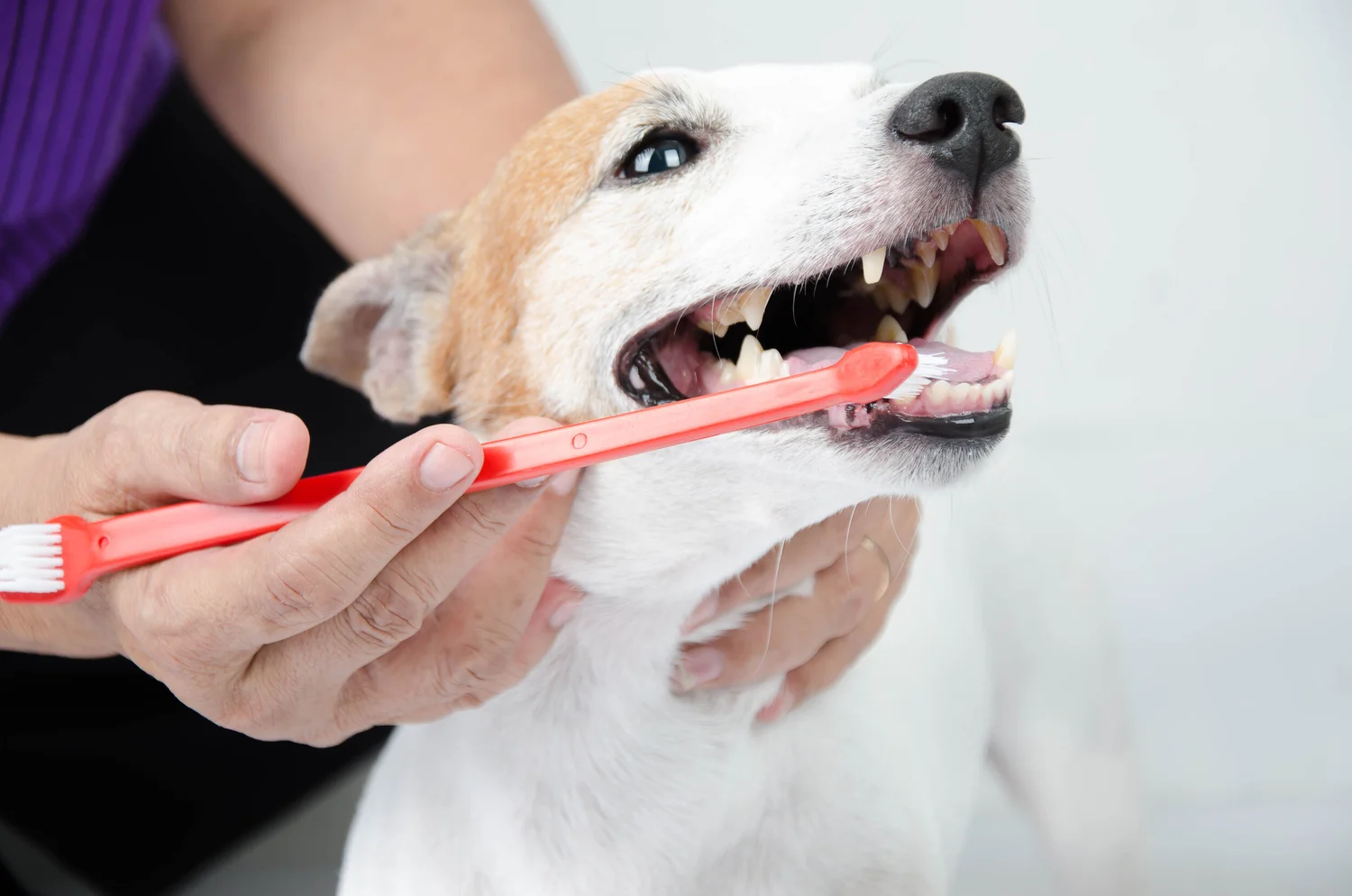
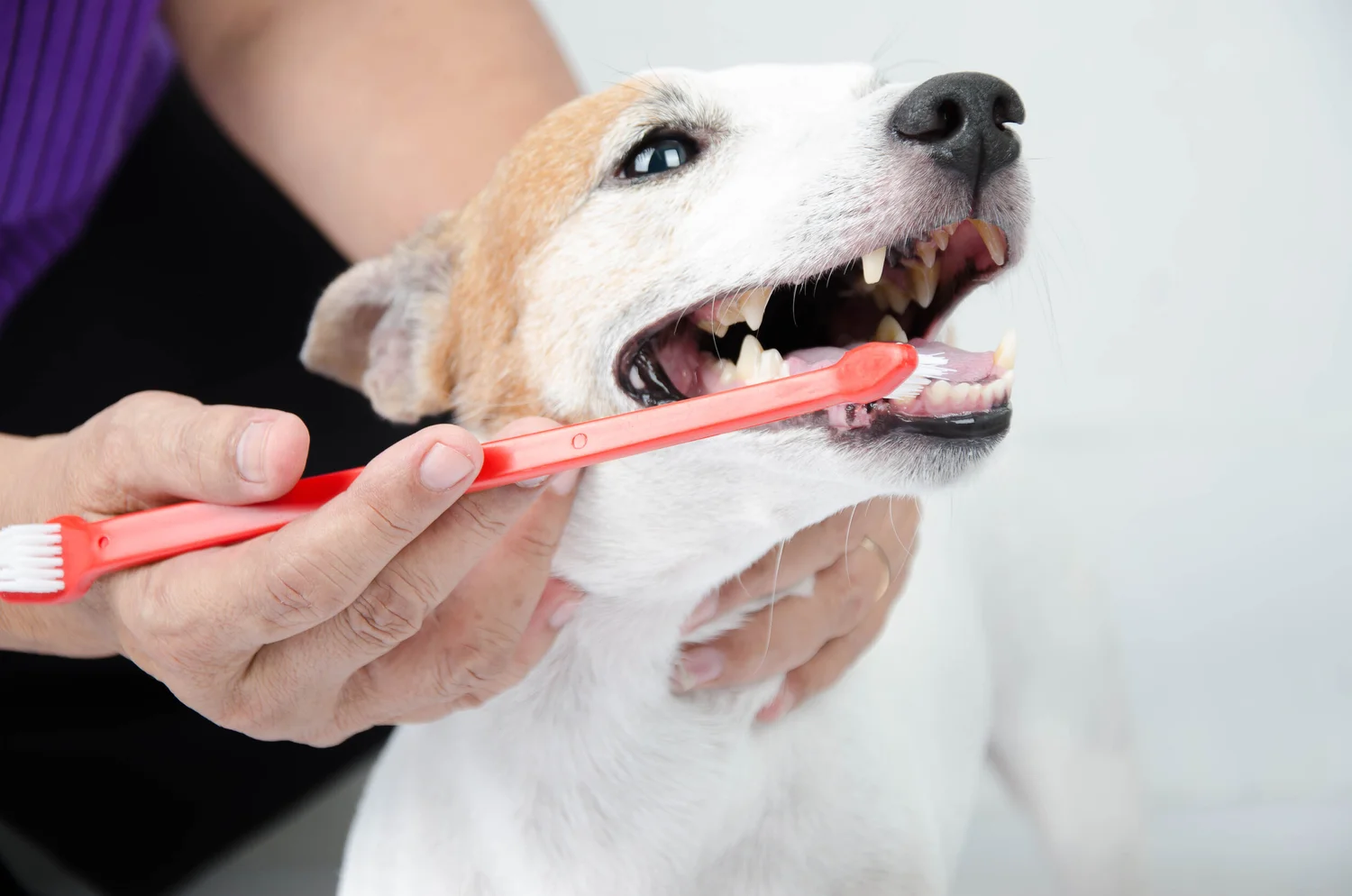
Dental Hygieneis a crucial aspect of grooming your dog that often gets overlooked. Just like humans, dogs need regular dental care to prevent oral diseases and maintain overall health. Proper dental hygiene not only keeps their breath fresh but also helps avoid painful tooth decay and gum issues. But how exactly do you take care of your dog’s teeth?
Brushing Teeth
Brushing your dog’s teeth is an essential habit to develop. Start by using a dog-friendly toothbrush and toothpaste. These are specifically designed to be safe and effective for canine mouths. You might wonder, “How do I get my dog to sit still for brushing?” Begin by letting your dog taste the toothpaste, turning it into a treat. Gradually introduce the brush, focusing on one side at a time. Short, consistent sessions are key. Reward your dog with a treat or praise after each successful brushing to reinforce positive behavior.
Choosing Dental Treats
Dental treats can be a lifesaver for maintaining your dog’s oral health. These treats are not just delicious but are also formulated to reduce plaque and tartar buildup. When selecting dental treats, consider your dog’s size and chewing habits. Look for treats endorsed by veterinary dental associations for their effectiveness. The next time you’re at the pet store, take a moment to read the labels. You’ll be surprised at how a simple choice can make a big difference in your dog’s dental health.
Handling Shedding
Regular grooming helps manage dog shedding effectively. Use a quality brush to remove loose fur and prevent tangles. Trim nails and check for any skin issues to ensure your pet stays healthy and comfortable.
Grooming a dog can be a rewarding experience. Shedding is a common concern for many dog owners. Dogs shed to remove old, damaged hair. While all dogs shed, some shed more than others. Handling shedding properly keeps your home clean and your dog healthy. It also makes your dog more comfortable. Understanding the shedding process helps manage it effectively.Managing Seasonal Shedding
Seasonal shedding happens mostly in spring and fall. Dogs lose their winter coat to prepare for warmer months. Similarly, they shed for thicker coats before winter arrives. Regular brushing helps manage this shedding. Use a brush designed for your dog’s coat type. It removes loose hair and prevents mats. Brushing also distributes natural oils through the coat. This keeps it shiny and healthy. Bathing your dog during these seasons can also help. Use a gentle shampoo to avoid skin irritation.Tools For Heavy Shedders
Some breeds shed heavily year-round. They require more frequent grooming. Invest in high-quality grooming tools. Slicker brushes are excellent for removing loose hair. De-shedding tools, like combs or blades, help reach the undercoat. Vacuuming regularly keeps your home tidy. Consider using lint rollers for quick clean-ups. Professional grooming services are beneficial for some dogs. They offer thorough grooming with advanced tools. Regular grooming reduces the amount of hair around your home. It also minimizes the risk of matting and skin issues.
Credit: www.youtube.com
Professional Grooming
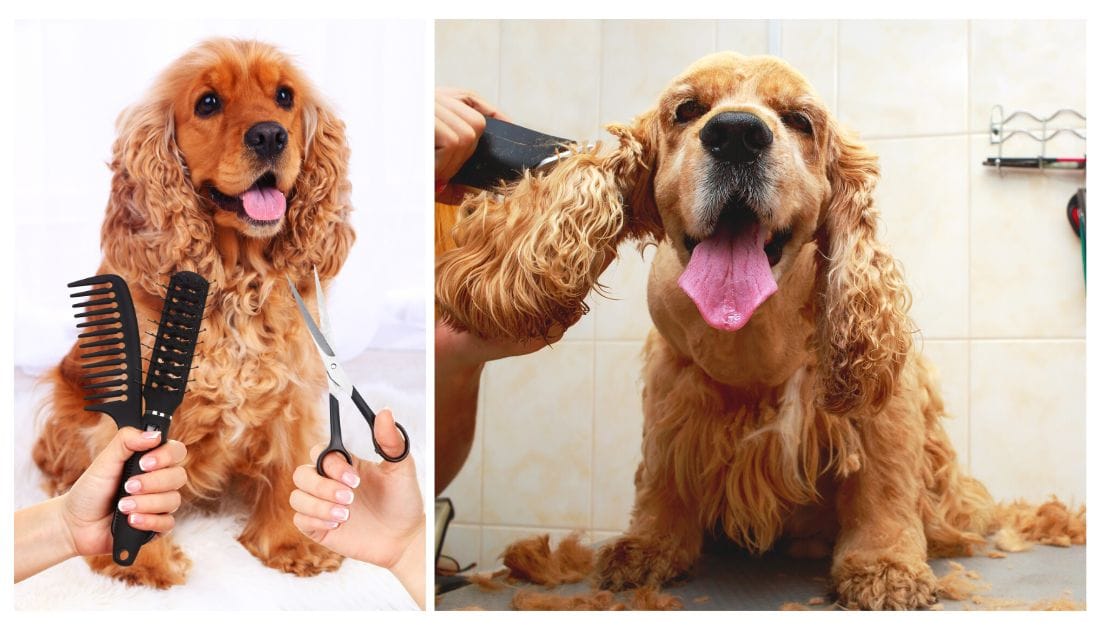
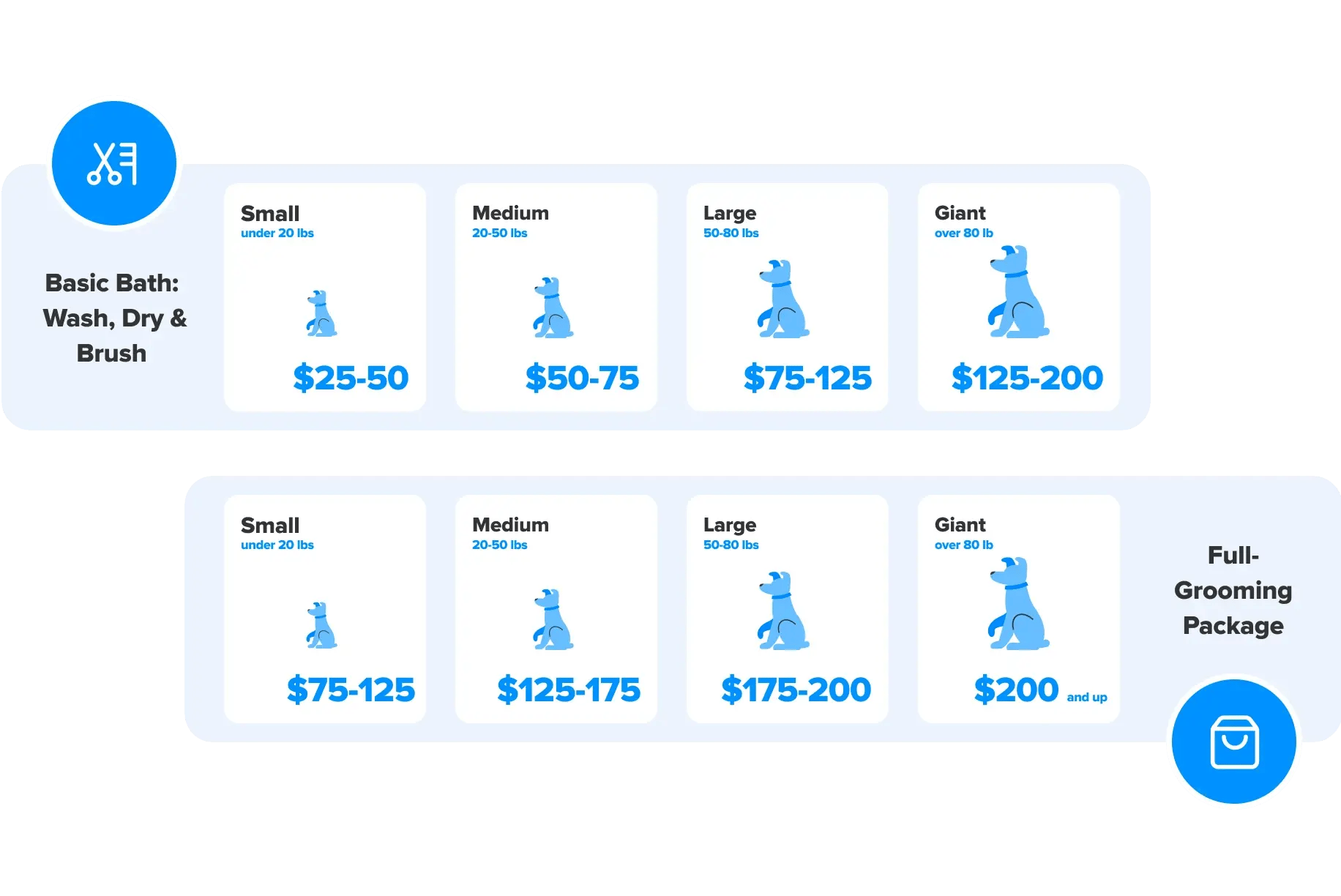
Professional grooming can be a delightful treat for your dog and a convenient solution for you. While regular home grooming is crucial, there are times when a professional touch can make all the difference. Expert groomers possess the skills and equipment to ensure your dog looks and feels its best. Whether it’s a special occasion or routine maintenance, knowing when to seek expert help can enhance your dog’s overall well-being.
When To Seek Expert Help
Is your dog developing mats that you can’t manage? Or perhaps they have a skin condition that needs special attention? Professional groomers are trained to handle complex grooming needs with precision. If you’ve tried everything but your dog’s coat still seems unmanageable, it’s time to consider professional help. A groomer can offer solutions you’ve never thought of, especially for breeds with specific grooming requirements. Think about how much easier life could be with a little expert intervention.
Benefits Of Professional Services
Why choose professional grooming? First, it saves you time and effort. Groomers have access to high-quality products and equipment designed for optimal results. They can spot health issues early, like skin infections or unusual lumps. Additionally, professional grooming can be a relaxing experience for your dog, enhancing their mood and comfort. Ever noticed your dog strutting more confidently after a grooming session? That’s because they feel great, thanks to the expert touch.

Credit: pawmperfluffy.com
Frequently Asked Questions
How Often Should You Groom A Dog?
Grooming frequency depends on your dog’s breed and coat type. Generally, dogs should be groomed every 4-8 weeks. Regular grooming helps maintain their coat and skin health. It also reduces shedding and prevents matting. Always consult a professional groomer for specific breed requirements.
What Tools Do You Need For Dog Grooming?
Basic grooming tools include a slicker brush, comb, nail clippers, and dog shampoo. A grooming table can also help. Ensure you have a dryer for long-haired breeds. Choose tools based on your dog’s coat type for effective grooming. Regular maintenance of tools ensures hygiene and efficiency.
How Do You Safely Cut A Dog’s Nails?
To cut a dog’s nails, use a proper nail clipper and ensure good lighting. Gently hold the paw and trim the nail, avoiding the quick. The quick is the sensitive part with nerves and blood vessels. Trim small sections at a time to prevent injury.
Reward your dog for staying calm.
Why Is Regular Dog Grooming Important?
Regular grooming promotes healthy skin and coat, reducing shedding and matting. It helps detect health issues early, such as infections or parasites. Grooming also strengthens the bond between you and your dog. It keeps your pet comfortable and looking their best.
Consistency is key to maintaining good hygiene.
Conclusion
Grooming a dog at home is easy and rewarding. It strengthens your bond and keeps your dog healthy. Regular brushing removes tangles and reduces shedding. Bathing with mild shampoo keeps their skin clean. Trim nails carefully to avoid pain. Check ears and teeth for signs of infection.
Use proper tools for safe grooming. Make it a routine to keep your dog happy. Remember, patience is key during grooming. Enjoy this special time with your furry friend. With practice, you’ll both look forward to it! Keep your dog looking and feeling great with these simple steps.

Similar Posts