Can Humans Hear Dog Whistles: Unveiling the Mystery
Senior Canine Nutritionist & Dog Behavior Specialist at Cozy Dog Go Wellness Lab

Have you ever wondered if you can actually hear a dog whistle? You might have seen them used in movies or heard about them from friends, but what’s the real story?
Many people are curious about these mysterious tools designed to grab a dog’s attention while remaining silent to human ears. But is it really true that humans can’t hear them at all? We’ll uncover the fascinating science behind dog whistles and explore whether your ears might be more attuned to these high-pitched sounds than you think.
Get ready to dive into the intriguing world of sound frequencies and discover how they might be affecting your daily life in ways you never imagined.

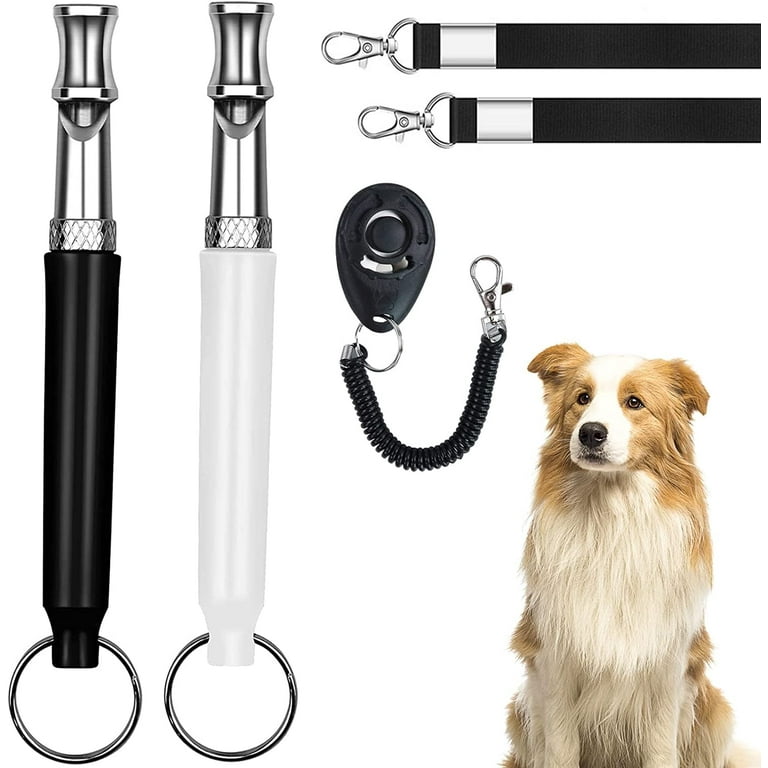
Credit: www.amazon.com.au
Frequency Range Of Human Hearing
Human ears detect sounds between 20 Hz and 20,000 Hz. Dog whistles produce higher frequencies, often above 20,000 Hz. Thus, most people can’t hear them.
Understanding the frequency range of human hearing is essential when discussing whether humans can hear dog whistles. Human ears are remarkable in their ability to detect a wide range of sounds, yet they have limitations. This range is crucial in determining what sounds are audible to us and what remains beyond our perception.The Basics Of Human Hearing
Most humans can hear sounds in the frequency range of 20 Hz to 20,000 Hz. This ability varies slightly among individuals, with factors like age and environmental exposure playing significant roles. As we age, our hearing range tends to narrow, especially at the higher frequencies.Why Higher Frequencies Matter
Dog whistles typically emit sound at frequencies above 20,000 Hz, making them inaudible to most humans. This frequency range is beyond what our ears can detect, which is why you might not hear your dog’s whistle, even when they’re responding to it. Such whistles are designed to be heard by dogs, whose hearing capabilities extend far beyond our own.Personal Experience With Hearing Range
Have you ever experienced a high-pitched sound that others around you couldn’t hear? This can be a fascinating demonstration of the variability in human hearing. In a room full of people, it’s not uncommon for some to hear a faint noise while others remain oblivious. It’s a reminder of how unique our auditory systems are.Practical Implications Of Hearing Limits
Knowing that your hearing has a finite range can be quite practical. Understanding this can help you choose the right tools and devices, like dog whistles, that fit your needs. If you’re training a dog, selecting a whistle that works within the limits of your hearing can ensure you’re aware of the commands you’re giving.Can You Train Your Ears?
Is it possible to train your ears to hear outside your natural range? While humans can’t extend their hearing frequency range, you can become more attuned to the frequencies you can hear. This can be achieved through focused listening exercises and sound exposure, which can enhance your overall auditory awareness.Challenging Your Perception
What if you could hear sounds beyond the usual human range? Imagine the new world of sounds that would open up to you. While it’s not feasible to push your hearing limits beyond their natural capabilities, it’s intriguing to consider how our understanding of sound could change if we could.
Credit: www.amazon.ie
How Dog Whistles Work
Dog whistles emit sounds at frequencies above human hearing range, typically between 16,000 and 22,000 Hz. While dogs can hear these high-pitched sounds, most humans cannot detect them due to the limitations of human auditory capacity.
Understanding how dog whistles work can be both fascinating and practical. These seemingly simple devices produce sounds at frequencies that are often beyond the human hearing range but well within a dog’s auditory capacity. This unique characteristic makes them a useful tool for training and communication with your canine companion. But what exactly goes on when a dog whistle is blown? Let’s dive into the science behind it.What Frequencies Do Dog Whistles Use?
Dog whistles typically emit sound waves at frequencies ranging from 16,000 to 22,000 Hertz. Humans usually hear sounds up to 20,000 Hertz, but many adults lose the ability to hear frequencies above 16,000 Hertz as they age. Dogs, however, can hear up to 45,000 Hertz. This makes dog whistles an excellent means to grab their attention without disturbing humans.Why Do Dogs Respond To Dog Whistles?
Dogs have highly sensitive ears capable of detecting high-frequency sounds. This sensitivity is due to evolutionary adaptations that helped them hunt and detect predators. When you blow a dog whistle, it produces a sound that can cut through ambient noise, making it easily noticeable to your dog even from a distance. This makes it a reliable tool for commands and training.How Can You Use Dog Whistles Effectively?
Using a dog whistle effectively requires consistency and patience. Start by associating the whistle sound with specific commands. For example, you might use a short burst for “sit” and a longer sound for “come.” Repetition and rewards will help your dog understand and respond to the whistle commands. Consistency is key—ensure everyone who interacts with your dog uses the same signals to avoid confusion.Can Humans Hear Dog Whistles?
While most dog whistles are designed to be inaudible to humans, some people might still hear them faintly. This can depend on individual hearing capabilities and the specific frequency of the whistle. If you find yourself able to hear the whistle, it might be operating at the lower end of its frequency range. This makes it crucial to test different whistles to find one that suits your needs and remains inaudible to you. So, have you ever tried using a dog whistle with your furry friend? How did it work out for you?Comparison Of Human And Dog Hearing
Dog whistles produce sounds at frequencies humans can’t hear, but dogs can. Human hearing ranges from 20 Hz to 20 kHz, while dogs detect up to 45 kHz. This difference allows dog whistles to be effective training tools without disturbing humans.
Understanding the difference between human and dog hearing reveals a lot. Humans and dogs perceive sounds quite differently. This difference explains why dogs react to sounds we can’t hear.Human Hearing Range
Humans hear frequencies between 20 Hz and 20 kHz. Most adults lose some hearing ability over time. High frequencies become harder to detect. Everyday sounds fall within the human hearing range. Conversations, music, and nature sounds are usually audible to us.Dog Hearing Range
Dogs hear frequencies from 40 Hz to 60 kHz. This range is much broader than humans’. Dogs can hear high-pitched sounds humans cannot. This ability helps them detect distant sounds. Dogs often react to noises we don’t notice.Why Dogs Hear Dog Whistles
Dog whistles produce high-frequency sounds. These sounds are above the human hearing range. Dogs can hear these sounds clearly. This is why dog whistles are effective training tools. They communicate commands without disturbing people.Importance Of Frequency Detection
Frequency detection impacts communication with pets. Understanding this helps in training and interacting with dogs. Using sounds within their hearing range ensures better response. It strengthens the bond between humans and dogs.Practical Applications Of Hearing Differences
Knowing these differences aids in creating sound environments. It helps in developing tools like silent dog whistles. It also informs us about the sounds affecting our pets daily. Understanding hearing ranges benefits pet owners and trainers alike.Science Behind Ultrasonic Sounds
Dog whistles produce ultrasonic sounds beyond human hearing range. Humans typically hear up to 20 kHz, while dog whistles can reach 23 to 54 kHz. These high frequencies are audible to dogs, not humans, making them effective training tools.
Understanding the science behind ultrasonic sounds sheds light on why dog whistles are inaudible to humans. Ultrasonic sounds are high-frequency noises, typically above 20,000 Hz. These frequencies are beyond the human hearing range but can be easily detected by dogs.What Are Ultrasonic Sounds?
Ultrasonic sounds are sounds with frequencies higher than the upper audible limit of human hearing. Humans typically hear sounds ranging from 20 Hz to 20,000 Hz. However, dogs can hear frequencies up to 65,000 Hz, which is why dog whistles work effectively for them.How Do Dogs Hear Ultrasonic Sounds?
Dogs have a more sensitive range of hearing due to the structure of their ears. Their ability to detect ultrasonic frequencies stems from their evolutionary history as hunters. This sensitivity allows them to pick up on high-pitched sounds that escape human detection, such as the squeak of a rodent.Why Can’t Humans Hear Dog Whistles?
The human ear is not equipped to process sounds above 20,000 Hz. This limitation is due to the structure of our inner ear and the range of frequencies it can convert into electrical signals for the brain. While you might not hear a dog whistle, your dog is likely to respond immediately.Are There Any Uses For Ultrasonic Sounds?
Yes, ultrasonic sounds have practical applications beyond dog whistles. They are used in medical imaging, cleaning delicate items, and even pest control. Understanding how ultrasonic sounds work can open up new ways to utilize technology in everyday life.Can Humans Ever Hear Ultrasonic Sounds?
Although humans can’t naturally hear ultrasonic sounds, technology can help. Devices can convert ultrasonic frequencies into audible ones. This conversion can be useful in research and technology development, allowing us to “listen” in on a different auditory world. Have you ever wondered what your dog hears when you blow a whistle? It’s fascinating to think about how their world is filled with sounds beyond our perception. Next time you use a dog whistle, you’ll know the science making it work.Experiments And Studies
Dog whistles emit sounds at frequencies beyond human hearing range. Experiments show humans typically can’t hear them. Studies explore how this affects communication between humans and dogs.
Exploring the world of dog whistles opens a fascinating discussion. Can humans hear dog whistles? This curiosity has led to numerous experiments and studies. Scientists and researchers have delved into understanding the hearing range of humans versus dogs.Experiments On Human Hearing Range
Studies have tested human hearing limits. Humans generally hear sounds between 20 Hz to 20 kHz. Dog whistles produce sounds above this range. Experiments involve testing individuals with varying frequencies to determine their hearing threshold.Dog Hearing Capabilities
Dogs have a superior hearing range. They can perceive sounds from 40 Hz to 60 kHz. This allows them to hear the high-pitched frequencies of dog whistles. Researchers have measured their responses to different frequencies.Scientific Studies On Dog Whistles
Researchers have conducted studies specifically on dog whistles. These studies measure human and dog reactions to the sound. They often include controlled environments to ensure accuracy.Comparison Of Human And Dog Responses
Comparative studies highlight differences in human and dog hearing. Dogs show clear reactions to dog whistles, while humans struggle to perceive them. This comparison helps understand the effectiveness of dog whistles for training.Technological Innovations In Sound Testing
Advanced technology aids in sound testing experiments. Devices measure sound frequencies and human reactions accurately. These innovations provide reliable data for understanding hearing capabilities. Overall, research continues to explore the intriguing world of sound perception.
Credit: www.ebay.com.au
Implications For Animal Training
Dog whistles produce sounds that are often beyond human hearing but can be heard by dogs. This ability can be useful for training, allowing commands without disturbing people nearby. Understanding this difference can improve communication with dogs.
The use of dog whistles in training has sparked interest. These devices emit high-frequency sounds. Humans often cannot hear these sounds, but dogs can. This unique feature offers distinct advantages in animal training.Understanding Dog Whistles
Dog whistles work by emitting ultrasonic sounds. These sounds are above the human hearing range. Dogs detect these frequencies easily. Trainers use this to communicate commands silently.Benefits Of Using Dog Whistles
Dog whistles provide several benefits in training. They allow for silent commands, which are less distracting. This helps maintain focus in noisy environments. Whistles also offer consistency in tone, unlike human voices.Training Techniques With Dog Whistles
Different sounds can signal different commands. A short whistle might mean “sit,” while a long one could mean “stay.” Consistent use helps dogs associate sounds with actions. Over time, dogs respond quickly to whistle cues.Challenges In Using Dog Whistles
Training with whistles requires patience. Dogs need time to learn new sounds. Misuse of whistles can confuse animals. It’s essential to use clear, distinct signals. Consistency is key for effective communication. Dog whistles enhance training by providing clear communication. They offer a silent, effective way to give commands. With practice, they become an invaluable tool in animal training.Potential Effects On Humans
Dog whistles produce sounds beyond human hearing range, but some may experience discomfort or a faint ringing. These high-frequency sounds can cause mild ear irritation for sensitive individuals, without lasting effects.
Hearing a dog whistle can be an intriguing yet puzzling experience for humans. Although these high-pitched sounds are designed to be inaudible to our ears, some people claim they can hear them. This raises questions about the potential effects on humans who might be sensitive to these frequencies. Could there be an impact on your well-being or daily life?Understanding Frequency Sensitivity
Humans typically hear sounds in the range of 20 Hz to 20 kHz. Dog whistles operate beyond this range, usually between 23 kHz and 54 kHz. Interestingly, some individuals, especially children or those with acute hearing, may detect sounds slightly above the normal human range. If you’ve ever felt an uncomfortable sensation without knowing why, a nearby dog whistle might be the culprit.Physical Discomfort Or Annoyance
If you can hear a dog whistle, you might experience discomfort. High-frequency sounds can cause headaches or a ringing sensation in your ears. Imagine being in a room with a faint, high-pitched noise that you can’t quite place—it’s irritating, right? While not everyone is affected, it’s important to be aware of your surroundings if you start feeling uneasy.Psychological Effects
Being able to hear something others cannot might make you feel isolated or anxious. It can be frustrating when you’re affected by a sound that seems nonexistent to others around you. This can lead to stress or even a feeling of alienation. If you’re experiencing these feelings, it’s crucial to communicate with those around you to address the issue.Preventive Measures
If you suspect that you’re sensitive to high frequencies, there are steps you can take to minimize discomfort. Consider using earplugs or noise-cancelling headphones to block out unwanted sounds. Additionally, talking to the dog owner about their whistle usage can help create a more comfortable environment for everyone involved. Do you think you might be sensitive to high-frequency sounds? Recognizing the signs and taking action can make a significant difference in how you experience the world.Technological Applications
Dog whistles operate at frequencies beyond human hearing. Most people cannot detect these high-pitched sounds. Dogs, however, can hear them clearly, making these whistles effective for training.
Technological applications for dog whistles have expanded beyond canine training. These devices now serve various purposes, enhancing their utility in different fields. The ability to emit high-frequency sounds has opened doors to innovative uses.Security Systems
Dog whistles contribute to advanced security systems. Their high-frequency sound alerts dogs without disturbing humans. This feature is useful in guarding areas quietly and effectively.Emergency Alerts
In emergencies, dog whistles can signal rescue animals. Trained dogs respond to specific frequencies, aiding search and rescue missions. This method speeds up locating individuals in distress.Animal Control
Dog whistles help in animal control tasks. Wildlife experts use them to manage animal behavior. They direct animals without causing panic or harm.Communication Devices
Certain communication devices use dog whistle technology. They transmit information silently over distances. This technique is useful in covert operations.Therapeutic Tools
Therapists use dog whistles for animal-assisted therapy. The sound can calm anxious dogs and enhance therapy outcomes. This approach benefits both animals and humans. These applications show dog whistles’ potential beyond their traditional use. They offer practical solutions in security, emergency services, and more.Frequently Asked Questions
Can Humans Hear Dog Whistles?
Most humans cannot hear dog whistles because they emit sound at high frequencies. These frequencies typically range between 18,000 to 22,000 Hz. Human hearing generally caps at around 20,000 Hz. Therefore, while dogs can detect these sounds, they remain inaudible to us.
Why Do Dog Whistles Work On Dogs?
Dog whistles work on dogs because they can hear higher frequencies than humans. Dogs have a hearing range of up to 65,000 Hz. This allows them to detect the high-pitched sounds emitted by dog whistles. These sounds can be used for training purposes or as attention-getters.
Are Dog Whistles Harmful To Dogs?
Dog whistles are generally safe for dogs when used correctly. They emit sound at frequencies that dogs can hear but are not harmful. However, it’s essential to use them responsibly. Overuse or incorrect use might cause discomfort or stress to the dog.
Can People Train Dogs With Whistles?
Yes, people can train dogs with whistles effectively. Whistles provide a consistent sound that helps in training commands. They can be used for various training purposes, including recall and obedience. Consistency and positive reinforcement are key to successful whistle training.
Conclusion
Dog whistles operate at frequencies beyond human hearing. While dogs hear them clearly, humans usually cannot. Our ears have limits. Dogs, with their acute hearing, respond to these high-pitched sounds. This makes dog whistles effective in training. They grab a dog’s attention without bothering people.
It’s fascinating how our hearing differs. Understanding these differences helps us communicate better with our pets. Remember, not all sounds are audible to everyone. Next time you use a dog whistle, know it’s a special tool for your furry friend.
Simple yet effective in its purpose.

Similar Posts