How to Relieve Dogs Itchy Skin: Expert Tips Revealed
Senior Canine Nutritionist & Dog Behavior Specialist at Cozy Dog Go Wellness Lab
Is your furry friend scratching more than usual? Itchy skin in dogs can be a common yet distressing problem, not just for your pet but for you as well.
Watching your beloved dog struggle with constant itching is heart-wrenching. You want to help, but where do you start? Understanding the root causes and finding effective relief can feel overwhelming, but don’t worry—you’re not alone. This guide is here to provide you with simple, actionable tips that can soothe your dog’s skin and bring peace back to your home.
Keep reading to discover how you can turn those pesky itches into wagging tails and happy paws.
Credit: www.skoutshonor.com
Common Causes Of Itchy Skin In Dogs
Allergies, fleas, and dry skin often make dogs itch. Regular grooming and moisturizing can help soothe irritation. Consult a vet for persistent issues.
Understanding the common causes of itchy skin in dogs is crucial for providing relief to your furry friend. Itchy skin can significantly affect your dog’s quality of life, leading to constant scratching and discomfort. Identifying the root cause helps in choosing the right treatment and prevention methods.Environmental Allergies
Environmental factors like pollen, dust, and mold can trigger allergic reactions in dogs. Often, these allergies are seasonal, flaring up during specific times of the year. If you notice your dog scratching more when they spend time outdoors, environmental allergies might be the culprit.Food Sensitivities
Certain ingredients in your dog’s diet can cause skin irritation. Common offenders include beef, dairy, and wheat. Observing your dog’s reaction to different foods and consulting with a vet can help identify any food sensitivities.Parasites And Infections
Parasites like fleas, ticks, and mites are notorious for causing itchy skin. Even a single flea bite can lead to intense itching. Additionally, bacterial or fungal infections can also be responsible, often requiring prompt veterinary intervention for effective treatment.Skin Conditions
Chronic skin conditions such as dermatitis or eczema can lead to persistent itching. These conditions often require ongoing management and regular vet check-ups. Identifying the specific skin condition early can prevent more severe issues down the line. Have you noticed any patterns or triggers related to your dog’s itchy skin? Understanding these common causes might be the key to offering them much-needed relief.Signs Of Itchy Skin In Dogs
Recognizing the signs of itchy skin in dogs can be crucial in ensuring your furry friend’s comfort and health. Dogs may not always express their discomfort in obvious ways, making it essential for you to be aware of subtle indicators. By understanding these signs, you can take timely action to alleviate their discomfort and prevent further complications.
Behavioral Indicators
Dogs often communicate discomfort through changes in their behavior. Have you noticed your dog obsessively scratching or licking a particular spot? This behavior is a clear sign they might be experiencing itchiness. Additionally, your dog may seem restless or unable to settle, constantly seeking relief by rubbing against furniture or rolling on the floor. Excessive grooming is another tell-tale sign; if your dog is spending more time than usual licking their paws or body, it’s time to investigate further.
Physical Symptoms
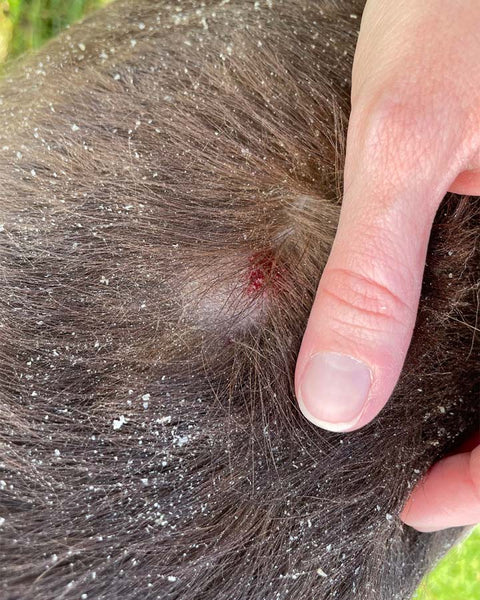
Physical symptoms can be more straightforward to identify. Redness or inflammation on your dog’s skin is a direct indication of irritation. Look out for bald patches where fur has been worn away due to persistent scratching or licking. Scabs or sores can also form as a result of your dog’s attempts to relieve their itchiness. Have you noticed any flaky skin or dandruff? This dryness can exacerbate the itch and could be a sign of an underlying condition. By keeping an eye out for these physical symptoms, you can address your dog’s discomfort more effectively.
Consulting A Veterinarian
When your dog is scratching nonstop, it can be concerning. Consulting a veterinarian is crucial to identify the cause of itchy skin. Professional guidance ensures that your furry friend receives the best care. A vet can provide expertise and recommend effective treatments. This step is vital for your dog’s health and comfort.
When To Seek Professional Help
Sometimes home remedies might not work. Persistent itching, redness, or sores require a vet’s attention. If your dog seems distressed or the itching disrupts sleep, it’s time to consult a vet. Watch for signs like hair loss or a change in behavior. These symptoms might indicate a serious problem.
Diagnostic Tests And Procedures
Vets use various tests to diagnose skin issues. A physical exam helps in assessing the condition. Skin scraping can detect mites or infections. Blood tests check for allergies or underlying health problems. Sometimes, a biopsy might be necessary to rule out more serious conditions. These tests help in pinpointing the cause of the itch.
At-home Remedies
Oatmeal baths can soothe a dog’s itchy skin, providing relief and calming irritation. Coconut oil offers moisture and helps reduce inflammation.
At-home remedies can be a comforting and effective way to help relieve your dog’s itchy skin. You don’t always need to rush to the vet or buy expensive treatments. Sometimes, a few simple items from your kitchen or bathroom cabinet can make a big difference. Let’s explore some easy solutions to soothe your furry friend’s discomfort.Natural Oils And Balms
Natural oils like coconut oil can work wonders on your dog’s skin. Simply apply a small amount to the affected area to moisturize and reduce irritation. Coconut oil is known for its antibacterial properties, which can help prevent infections. Another option is aloe vera gel. This cooling balm can soothe itchiness and promote healing. Make sure to use pure aloe vera and avoid products with added chemicals. Have you ever tried olive oil on your dog’s skin? It can be an excellent moisturizer and is safe if ingested. Just rub a bit on dry patches to see the magic unfold.Oatmeal Baths
Oatmeal baths are a classic remedy for itchy skin. You can create an oatmeal paste by blending plain oatmeal and mixing it with water. Apply this paste directly onto your dog’s skin for a soothing effect. Alternatively, add a cup of finely ground oatmeal to a lukewarm bath. Let your dog soak for 10-15 minutes. This can calm irritated skin and reduce inflammation. Have you noticed how relaxed your dog becomes after an oatmeal bath? It’s like a mini spa day for them!Dietary Adjustments
Sometimes, itchy skin can be a result of dietary issues. Consider adding omega-3 fatty acids to your dog’s meals. These can be found in fish oil supplements and help improve skin health. Switching to a grain-free diet might also be beneficial, especially if your dog has allergies. Monitor their reaction to different foods and adjust accordingly. Have you thought about how a simple change in diet could enhance your dog’s skin health? It’s worth experimenting to find what works best for your pet. By trying these remedies, you’re taking proactive steps to ensure your dog’s comfort and health. What other home solutions have you found effective?Preventative Measures
Preventing itchy skin in dogs helps them stay comfortable and happy. Simple measures can make a big difference. Start with regular grooming, a healthy diet, and routine health checks. These steps ensure your dog stays healthy and itch-free.
Regular Grooming
Grooming keeps your dog’s coat clean and free from irritants. Brush your dog often to remove dirt, dead hair, and tangles. This helps distribute natural oils, keeping the skin moisturized. Use a gentle shampoo suitable for dogs. Bathing too often may dry out their skin. A regular grooming schedule prevents buildup of allergens and parasites.
Healthy Diet
A balanced diet supports your dog’s skin health. Ensure they eat high-quality food with essential nutrients. Omega-3 and omega-6 fatty acids promote a healthy coat. Avoid foods with fillers and artificial additives. Consult your vet for dietary recommendations tailored to your dog.
Routine Health Checks
Regular vet visits help catch skin issues early. Your vet can check for allergies or infections. They may suggest supplements or treatments for itchy skin. Keep vaccinations and flea treatments up to date. Routine health checks ensure your dog stays healthy and comfortable. Keep track of any changes in your dog’s skin or behavior. Early detection is key to preventing skin problems.

Credit: petwellbeing.com
Products For Itchy Skin Relief
Dogs often suffer from itchy skin due to various reasons. Allergies, dry skin, or parasites can be the cause. It’s important to find the right products to help soothe their discomfort. Here are some effective products for itchy skin relief.
Shampoos And Conditioners
Special shampoos can provide relief for your dog’s itchy skin. Look for hypoallergenic and natural ingredients. Oatmeal shampoos are popular for soothing effects. Aloe vera is another calming ingredient. Use conditioners for added moisture. They help keep the skin hydrated and less itchy.
Medicated Sprays
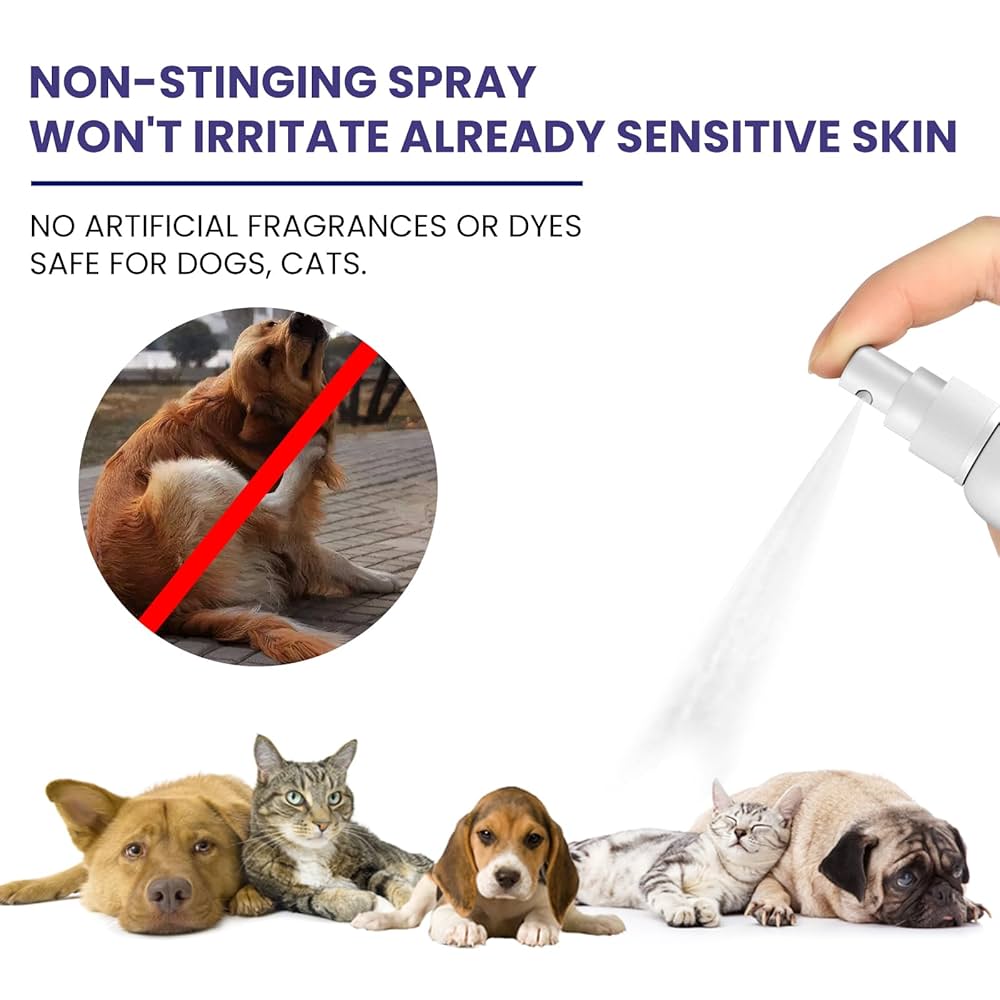
Medicated sprays target specific itchy spots. They provide quick relief and are easy to apply. Choose sprays with hydrocortisone for inflammation. Tea tree oil sprays also help with itchiness. Always follow product instructions carefully.
Supplements And Vitamins
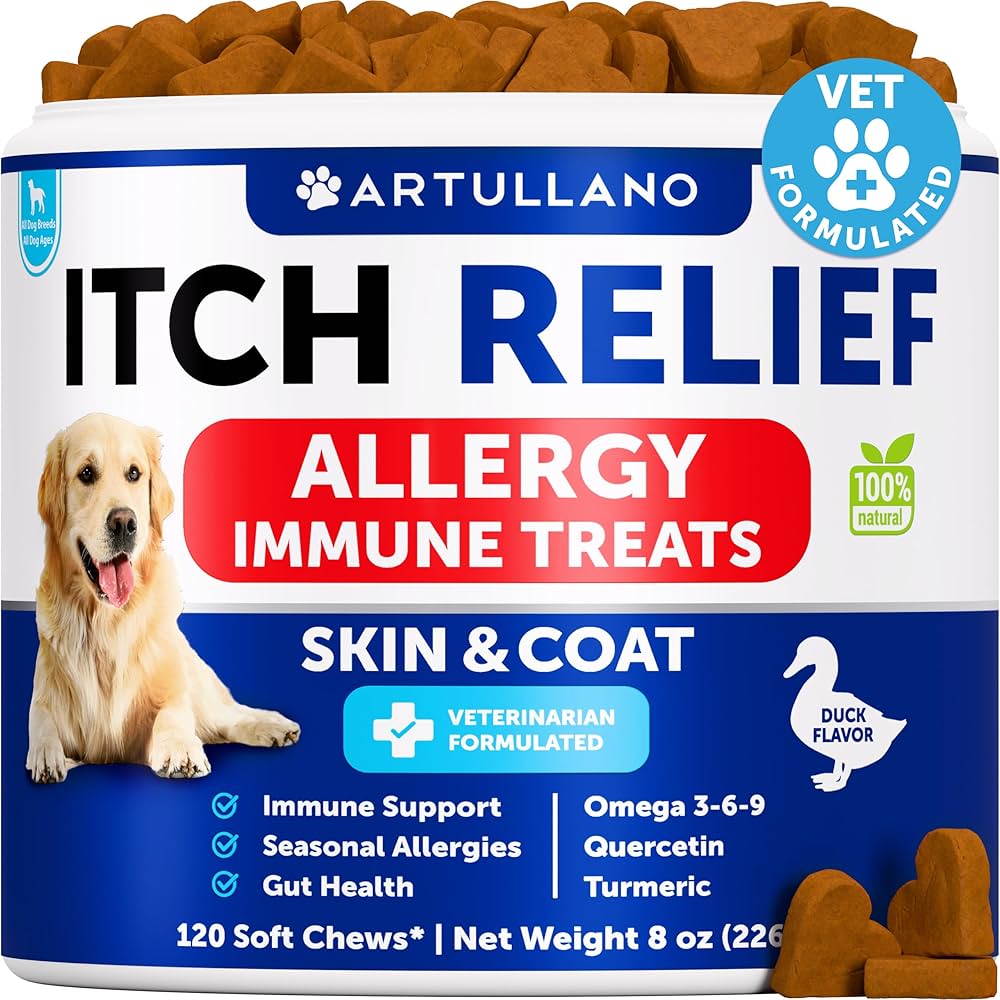
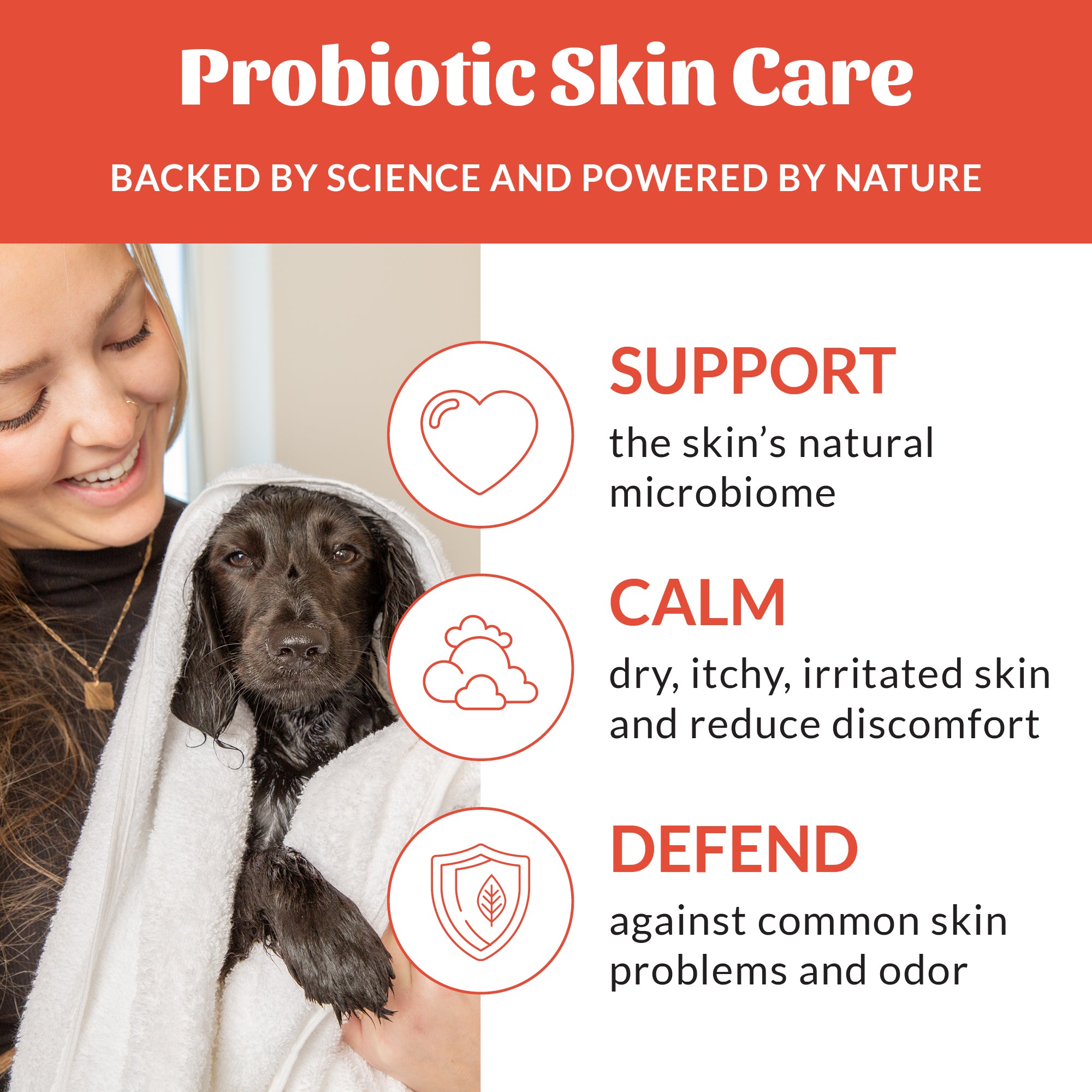
Supplements can improve your dog’s skin health. Omega-3 fatty acids are beneficial for the skin. They reduce inflammation and promote a healthy coat. Probiotics can also support skin health. They improve your dog’s immune system. Consult a vet before starting any new supplements.
Managing Allergies
Relieve dogs’ itchy skin by maintaining a balanced diet rich in omega-3 fatty acids. Regular grooming with hypoallergenic shampoos can soothe irritation. Consult your vet for tailored treatment options.
Managing allergies in dogs can be quite the task, but it’s crucial for alleviating their itchy skin. Allergies are often the hidden culprits behind your furry friend’s discomfort. Understanding how to effectively manage these allergies will help bring relief and improve their quality of life.Identifying Allergens
Pinpointing what triggers your dog’s allergies is the first step. This might be as simple as observing patterns—does the itchiness worsen after a walk in the park or after meals? Common allergens include pollen, certain foods, or even household dust. Consider keeping a diary to track when the itching occurs and what might have triggered it. This can provide valuable insights into potential allergens. Consulting with your vet for allergy tests can also offer clarity and direction.Creating A Safe Environment
Once you’ve identified potential allergens, it’s time to create a safer space for your dog. Regular cleaning can significantly reduce allergens like dust and pollen in your home. Vacuum frequently and wash your dog’s bedding to keep these irritants at bay. You might also want to consider air purifiers to further cleanse the environment. If food is the issue, a diet change might be needed. Have you tried hypoallergenic dog food? It can often work wonders for dogs with food sensitivities. Managing dog allergies requires patience and persistence. But with the right strategies, you can help your dog live a happier, itch-free life. How will you start making your home allergy-proof today?
Credit: www.amazon.com
Long-term Care Strategies
Natural remedies can ease a dog’s itchy skin. Regular baths with oatmeal shampoo soothe irritation. Adding fish oil supplements to their diet can improve skin health and reduce itchiness.
Long-term care strategies are vital for managing your dog’s itchy skin. They focus on maintaining healthy skin and preventing future issues. Consistent care ensures your pet stays comfortable and itch-free.Monitoring Skin Health
Regularly check your dog’s skin for redness or flakes. Early detection helps address problems quickly. Use a gentle brush to remove dead hair and skin. This promotes better air circulation. Bathing your dog with a vet-recommended shampoo can reduce irritation. Ensure the shampoo suits your dog’s skin type. Maintain a balanced diet rich in omega-3 fatty acids. This can improve skin health over time.Adapting Care Plans
Adjust care routines based on your dog’s needs. Consult your vet if symptoms persist. They may recommend changes to diet or grooming. Seasonal changes might affect your dog’s skin. During dry months, increase moisturizing treatments. Use a humidifier indoors to prevent dry skin. Be aware of environmental allergens. Pollen or dust can irritate your dog’s skin. Tailoring care to your dog’s lifestyle ensures long-term comfort.Frequently Asked Questions
What Causes Itchy Skin In Dogs?
Itchy skin in dogs can result from allergies, parasites, or infections. Common allergens include pollen, food, and fleas. Environmental factors like dry air can also contribute. Identifying the root cause is essential for effective treatment. Consult a veterinarian for a proper diagnosis and tailored management plan.
How Can I Soothe My Dog’s Itchy Skin?
To soothe your dog’s itchy skin, use hypoallergenic shampoos and moisturizers. Regular grooming helps remove irritants. Omega-3 supplements can improve skin health. Ensure your dog has a balanced diet and plenty of fresh water. If symptoms persist, consult a veterinarian for further advice.
Are Home Remedies Effective For Dogs’ Itchy Skin?
Home remedies can provide temporary relief for dogs’ itchy skin. Oatmeal baths, coconut oil, and aloe vera are popular choices. However, they may not address the underlying cause. Always consult a veterinarian for persistent issues to ensure proper treatment and avoid potential complications.
When Should I Consult A Vet For Itchy Skin?
Consult a vet if your dog’s itchy skin persists despite home treatments. Signs like redness, swelling, or hair loss need professional attention. A veterinarian can diagnose underlying conditions and recommend appropriate treatments. Prompt intervention helps prevent complications and ensures your dog’s comfort and well-being.
Conclusion
Caring for your dog’s itchy skin can be simple. Focus on diet, hygiene, and regular vet visits. These steps can make a big difference. A balanced diet supports healthy skin. Clean your dog often, but gently. Avoid harsh shampoos. Consult your vet for the best advice.
They know your dog’s needs. A happy dog means less scratching. Enjoy more playtime and cuddle moments. Your dog deserves comfort and happiness. With care, itchy skin can be managed. You and your dog can enjoy life together. Keep learning and stay proactive.
Your dog’s health is in your hands.

Similar Posts