How to Treat a Dogs Skin Yeast Infection: Effective Tips
Senior Canine Nutritionist & Dog Behavior Specialist at Cozy Dog Go Wellness Lab

Is your furry friend scratching more than usual or dealing with irritated skin? If so, they might be suffering from a skin yeast infection.
These infections can cause discomfort for your dog and stress for you. But don’t worry! There are effective ways to treat and prevent this condition. You’ll discover simple steps to help your dog feel better fast. By understanding how to manage and treat a dog’s skin yeast infection, you can ensure your pet stays happy and healthy.
Stick with us, and you’ll soon have the knowledge you need to tackle this issue head-on. Your dog’s relief is just a few steps away!
Identifying Symptoms
Identifying the symptoms of a dog’s skin yeast infection is crucial in ensuring timely treatment and relief for your furry friend. Often, pet owners overlook early signs, attributing them to common skin issues. By being proactive, you can help your dog lead a happier and itch-free life.
Common Signs
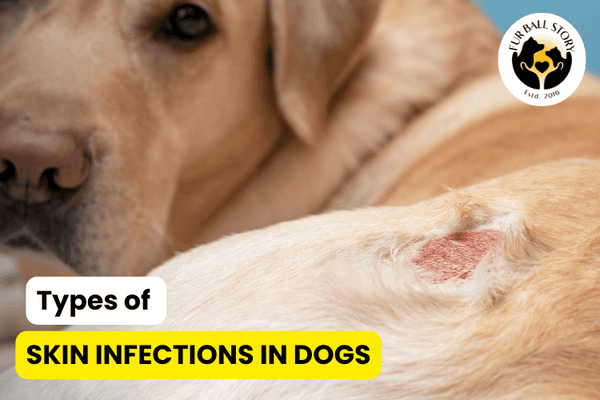
Dogs with skin yeast infections often show visible discomfort and irritation. You might notice excessive itching, with your dog scratching or biting their skin more than usual. A distinct, musty odor can also be a telltale sign of yeast overgrowth.
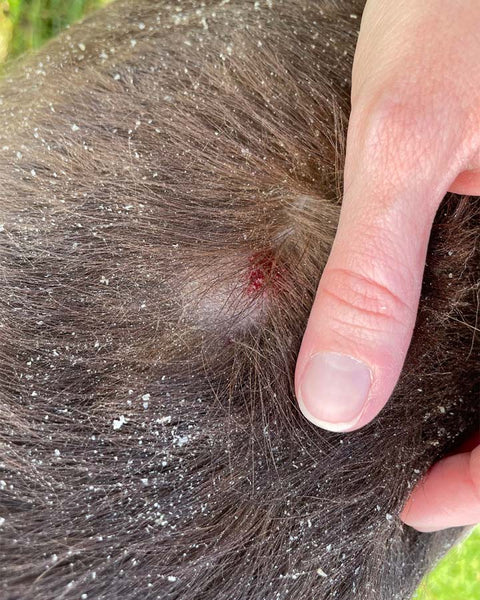
Look out for redness and swelling, which are common indicators. In severe cases, the skin might become thickened or crusty. These symptoms can escalate quickly, so it’s essential to monitor any changes in your dog’s behavior and appearance.
Areas Prone To Infection
Yeast infections often target specific areas on your dog’s body. The ears are a common hotspot, where you might notice a dark discharge or an unpleasant smell. Paws can also be affected, with dogs frequently licking or chewing at their feet.
Skin folds are another area susceptible to yeast overgrowth, particularly in breeds with wrinkled skin. Keep an eye on areas around the groin and armpits, where moisture can accumulate. Regularly checking these spots can help you catch infections early, ensuring your dog gets the care they need.
Have you noticed any of these symptoms in your dog? Early intervention can prevent more serious complications, so don’t hesitate to consult your vet if you’re concerned.
Consulting A Veterinarian
Consulting a veterinarian is crucial when dealing with your dog’s skin yeast infection. While home remedies may seem appealing, a professional’s insight ensures you’re addressing the root cause effectively. A veterinarian can provide specialized treatments and advice tailored to your dog’s specific needs, potentially saving you time and your pet discomfort.
Importance Of Professional Diagnosis
A veterinarian’s diagnosis is invaluable in treating skin yeast infections. They can differentiate between yeast infections and other skin conditions with similar symptoms, such as allergies or bacterial infections. Misdiagnosing could lead to ineffective treatments, prolonging your dog’s suffering and possibly exacerbating the condition.
Have you ever considered how many conditions mimic yeast infections? A vet’s experience and diagnostic tools help ensure you’re not just guessing, but treating your dog with precision.
Preparing For The Visit
Preparation is key to making the most of your veterinary visit. Gather information about your dog’s symptoms, including duration, any changes in behavior, and previous treatments attempted. This comprehensive overview aids the vet in forming an accurate diagnosis.
Consider jotting down specific questions or concerns you have. This ensures you leave with clarity and confidence, knowing exactly how to proceed with treatment.
What steps can you take to make the visit stress-free for your dog? Bringing a favorite toy or treat might ease their anxiety, making the process smoother for both of you.
Dietary Changes
Dietary changes can play a crucial role in managing your dog’s skin yeast infection. By adjusting their diet, you can help balance their internal ecosystem and reduce the occurrence of yeast overgrowth. It’s not just about what your furry friend eats, but also what they avoid. Understanding the right food choices can make a significant difference in their recovery process.
Foods To Avoid
- High Sugar Content:Foods with high sugar levels can exacerbate yeast infections. Check the ingredient list for hidden sugars that might be lurking in dog treats.
- Processed Grains:Wheat, corn, and other processed grains can contribute to yeast growth. Opt for grain-free alternatives to keep yeast at bay.
- Starchy Vegetables:Potatoes and peas are common in dog food, but their starch content can feed yeast. Consider reducing these in their diet.
Beneficial Ingredients
- Coconut Oil:Known for its antifungal properties, coconut oil can be a great addition to your dog’s meals. It helps in managing yeast and improving skin health.
- Probiotics:They can help restore the balance of good bacteria in your dog’s gut. Probiotics can aid in fighting off yeast infections from the inside.
- Lean Proteins:Focus on high-quality proteins like chicken or fish. These provide essential nutrients without encouraging yeast growth.
Have you noticed any changes in your dog’s health after altering their diet? Monitoring their progress can reveal valuable insights into what works best for them. Making informed dietary choices can empower you to tackle your dog’s skin yeast infection effectively. Remember, every dog is different, and sometimes trial and error is the best way to find what suits your pet. So, why not start experimenting with these dietary changes today?

Credit: www.amazon.com
Topical Treatments
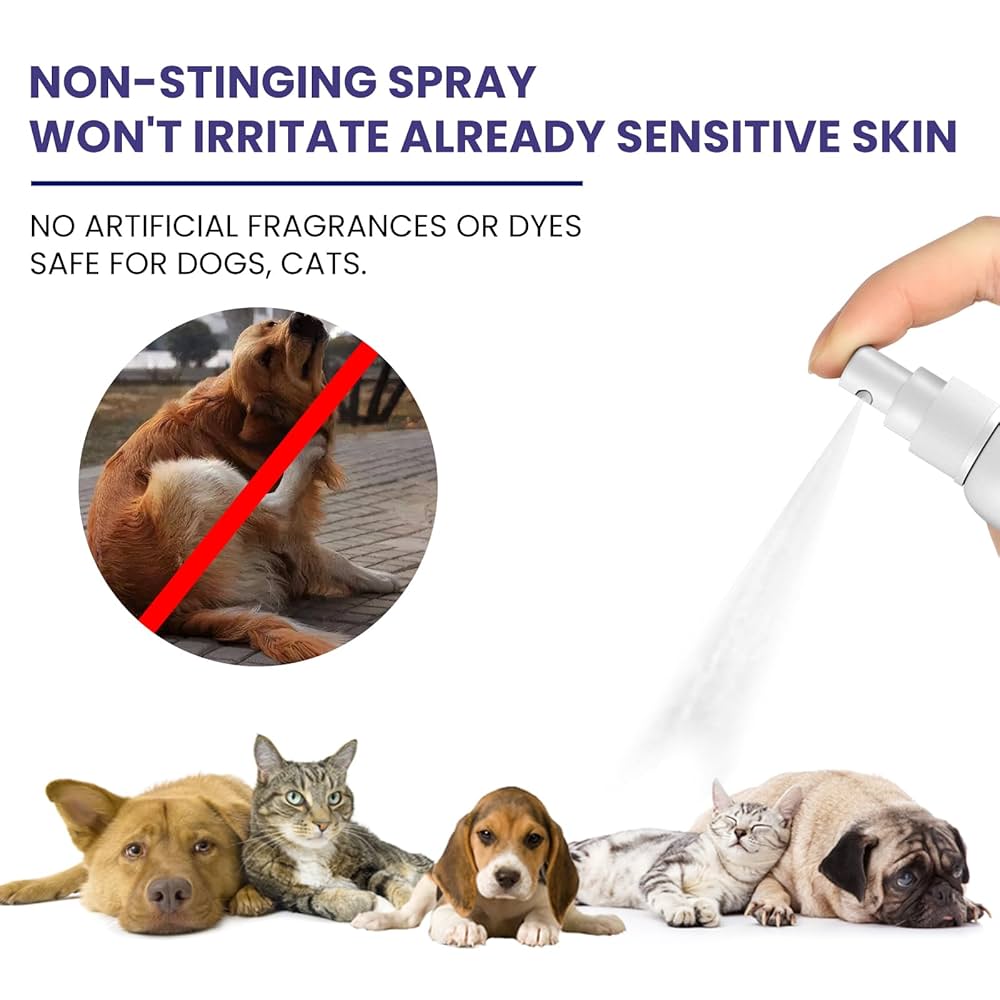
Topical treatments soothe and heal a dog’s skin yeast infection effectively. Use antifungal creams or medicated shampoos designed for pets. Regular application reduces itchiness and inflammation, promoting healthier skin.
Topical treatments play a key role in managing a dog’s skin yeast infection. They provide direct relief to the affected area. These treatments help reduce itching and irritation. Topical solutions are easy to apply and often show quick results. Here, we explore some effective topical treatments.Medicated Shampoos
Medicated shampoos are widely used for treating skin yeast infections. They contain antifungal ingredients like ketoconazole or miconazole. These ingredients target yeast and reduce its growth. Using medicated shampoos regularly can soothe your dog’s skin. It helps in removing excess oils and yeast buildup. Ensure the shampoo stays on the skin for a few minutes before rinsing. This allows the medication to penetrate the skin effectively. Always follow the vet’s guidance on frequency and duration of use.Natural Remedies
Natural remedies can be gentle yet effective for treating yeast infections. Apple cider vinegar is a popular choice. Its acidic nature helps in balancing the skin’s pH levels. Dilute it with water and apply it to the affected area. Coconut oil is another excellent remedy. It has antifungal properties and moisturizes the skin. Apply a small amount directly on the infected area. Aloe vera gel can provide soothing relief from itching and redness. Always do a patch test first to ensure your dog has no adverse reactions.Supplements
Treating a dog’s skin yeast infection can involve supplements like probiotics and omega-3 fatty acids. These help boost immunity and improve skin health. Always consult a vet to ensure the right dosage and product choice for your pet.
Supplements can play a crucial role in managing and treating your dog’s skin yeast infection. While medications are often prescribed, supplements can support your dog’s immune system and skin health from the inside out. Adding specific supplements to your dog’s diet can enhance their recovery and prevent future infections.Probiotics For Dogs
Probiotics are beneficial bacteria that help balance your dog’s gut flora. A healthy gut can improve your dog’s immune system and reduce yeast overgrowth. You might notice a change in your dog’s energy levels and digestion when their gut is in better shape. Choose a probiotic specifically formulated for dogs, as they contain strains that cater to canine digestive systems. Adding a scoop to your dog’s food daily can make a significant difference. You could also consider probiotic-rich treats for a more enticing option.Essential Fatty Acids
Essential fatty acids, like omega-3 and omega-6, are vital for maintaining healthy skin and coat. They help reduce inflammation and improve skin barrier function, which can be compromised during a yeast infection. You might find your dog’s coat shinier and skin less itchy with regular use. You can add these through fish oil supplements or flaxseed oil. Mix them into your dog’s meals or serve them directly. Always check the dosage to ensure you’re providing the right amount for your dog’s size and breed. Are you already using any supplements for your dog? If not, this might be the perfect time to start and observe the positive changes in their health. Remember, consistency is key in seeing results.
Credit: www.amazon.com
Environmental Adjustments
Ensuring a clean environment helps treat a dog’s skin yeast infection. Regularly wash bedding and sanitize floors. Reduce allergens by using air purifiers.
Environmental adjustments play a crucial role in managing your dog’s skin yeast infection. Creating the right environment can significantly aid in alleviating symptoms and preventing future flare-ups. Here are some practical changes you can implement to help your furry friend feel more comfortable.Maintaining Cleanliness
Keeping your dog’s surroundings clean is essential. Regularly wash their bedding, toys, and food bowls to eliminate potential sources of yeast. Use mild detergents and ensure thorough rinsing to avoid skin irritation. Vacuum your home frequently to reduce allergens and dust mites. These can exacerbate skin conditions and make your dog more uncomfortable. Bathing your dog with an antifungal shampoo can also help. Make it a part of their routine, but avoid overbathing, as it can strip natural oils from their skin.Humidity Control
Humidity can affect your dog’s skin health. Too much moisture in the air can promote yeast growth, while too little can dry out their skin. Invest in a dehumidifier if you live in a humid area. It can help maintain a balanced environment, reducing the risk of yeast infections. On the flip side, if your home is too dry, consider using a humidifier. It will keep the air moist enough to prevent your dog’s skin from becoming dry and irritated. Have you ever noticed how your dog’s skin condition changes with the seasons? Monitoring and adjusting your home’s humidity levels could be a game-changer. By focusing on these environmental adjustments, you’re not just treating the symptoms but also addressing the root cause. Your dog’s skin health is worth the effort.Regular Monitoring
Regular monitoring plays a crucial role in treating a dog’s skin yeast infection. It helps track the condition’s progress and ensures the treatment is effective. Consistent observation can prevent complications and speed up recovery. Monitoring also provides insights into the dog’s overall health.
Tracking Progress
Keep a daily journal of your dog’s symptoms. Note any changes in the skin’s appearance and your dog’s behavior. Take pictures to compare over time. Record any scratching, licking, or discomfort. This information can help the vet adjust the treatment plan. Regular updates make it easier to identify patterns or triggers.
Signs Of Improvement
Look for reduced redness and swelling on the skin. Check if the skin texture feels smoother. Notice if your dog scratches or licks less frequently. Improved energy levels can also indicate healing. A healthy appetite and better mood are positive signs. These improvements suggest the treatment is working.

Credit: www.amazon.com
Frequently Asked Questions
What Causes Yeast Infections In Dogs?
Yeast infections in dogs are often caused by an overgrowth of the yeast Malassezia. This can occur due to allergies, hormonal imbalances, or weakened immune systems. Moist environments also contribute to yeast growth, making it vital to keep your dog’s skin dry and clean.
Regular vet check-ups can help identify underlying issues.
How Can I Identify A Yeast Infection?
Identifying a yeast infection involves observing symptoms such as itching, redness, and a greasy coat. Your dog may also have a distinct musty odor. Regular monitoring of your dog’s skin health is crucial. Consult your veterinarian for a proper diagnosis and treatment plan if these symptoms persist.
What Home Remedies Help Treat Yeast Infections?
Home remedies include bathing your dog with antifungal shampoos and rinsing with diluted apple cider vinegar. Maintaining a clean, dry environment is essential. Adjusting your dog’s diet to include probiotics can also help. However, always consult with a vet before starting any home treatment to ensure safety and effectiveness.
Can Diet Affect Dog Yeast Infections?
Yes, diet can significantly impact yeast infections. High-sugar and carbohydrate diets can worsen yeast overgrowth. Switching to a low-carb, high-protein diet may help manage symptoms. Incorporating probiotics can also support gut health, potentially reducing yeast infections. Always discuss dietary changes with your vet to ensure nutritional balance.
Conclusion
Treating a dog’s skin yeast infection requires patience and care. Begin with proper diagnosis from a vet. Follow prescribed medication closely. Maintain your dog’s hygiene. Bathe them regularly with vet-recommended shampoos. Ensure their diet supports skin health. Avoid sugars and carbs that worsen yeast growth.
Monitor your dog’s progress closely. Look for any signs of improvement or worsening. If symptoms persist, consult your vet again. Your dog’s comfort is the priority. Consistent care leads to healthier skin. A happy dog equals a happy home. Keep their environment clean and stress-free.
Your effort makes a difference.

Similar Posts