Should I Brush My Dog’S Teeth: Essential Guide
Have you ever wondered if brushing your dog’s teeth is really necessary? You might think that because they’re animals, dogs don’t need the same dental care as humans.
But here’s the surprising truth: your dog’s oral health is just as important as your own. Neglecting their teeth can lead to bad breath, gum disease, and even more serious health issues. Imagine being able to improve your dog’s overall well-being with just a few minutes of care each week.
Curious to know how? Stick around and discover why brushing your dog’s teeth could be the best decision you make for their health and happiness.
Importance Of Dog Dental Care
The importance of dog dental care cannot be overstated. Just as you take care of your own teeth to prevent cavities and gum disease, your furry friend needs similar attention. Neglecting your dog’s dental health can lead to painful issues like tooth decay and gum infections, impacting their overall well-being.
What Happens If You Ignore Dog Dental Health?
Ignoring your dog’s dental care can lead to severe problems. Plaque and tartar build-up can cause bad breath, tooth loss, and even infections that spread to other parts of the body. It’s not just about keeping their teeth clean; it’s about safeguarding their health.
How Often Should You Brush Your Dog’s Teeth?
The frequency of brushing can make a significant difference. Aim for daily brushing to ensure optimal dental health, but even a few times a week can help. Regular brushing prevents plaque accumulation, keeping their teeth strong and healthy.
Easy Tips For Brushing Your Dog’s Teeth
Brushing your dog’s teeth doesn’t have to be a battle. Use a dog-specific toothbrush and toothpaste. Start slow, letting your dog sniff and taste the toothpaste before gently brushing. Reward them after brushing to make it a positive experience.
Signs Your Dog Needs Dental Attention
Be vigilant about signs that indicate dental issues. Red flags include bad breath, difficulty eating, swollen gums, or excessive drooling. If you notice any of these signs, consult your vet to prevent further complications.
Have you ever thought about how your dog’s dental health could affect their happiness? A healthy mouth means a happy dog, eager to play and enjoy life. Start brushing and see the difference for yourself!
Risks Of Poor Oral Hygiene
Neglecting your dog’s oral hygiene can lead to serious health issues. Bad breath, gum disease, and tooth decay are common problems. Regular brushing helps prevent these risks and keeps your pet healthy.
Poor oral hygiene in dogs can lead to a host of problems that impact their overall health and quality of life. Many dog owners often overlook the importance of dental care, not realizing the risks involved. Neglecting your furry friend’s oral health can have serious consequences, some of which might surprise you.Dental Diseases
One of the most immediate risks of poor oral hygiene in dogs is dental disease. Plaque and tartar build-up can lead to gingivitis, periodontitis, and tooth decay. These conditions can cause your dog significant pain and discomfort. Have you noticed your dog having trouble chewing or showing a lack of interest in their favorite treats? This might be a sign of dental disease. Regular brushing helps prevent these issues and ensures your dog can enjoy their meals without pain.Impact On Overall Health
Oral health is intricately linked to overall health. Bacteria from dental diseases can enter your dog’s bloodstream, potentially affecting their heart, liver, and kidneys. This can lead to more severe health issues over time. Consider how a small routine like brushing can prevent larger health problems. Would you rather spend a few minutes brushing your dog’s teeth or face a hefty vet bill later? Maintaining your dog’s oral hygiene is a simple step towards preventing serious health complications.Benefits Of Brushing Your Dog’s Teeth
Brushing your dog’s teeth offers several advantages for their health. It helps maintain their oral hygiene and prevents common dental issues. Regular brushing can improve your dog’s overall well-being.
Prevention Of Plaque And Tartar
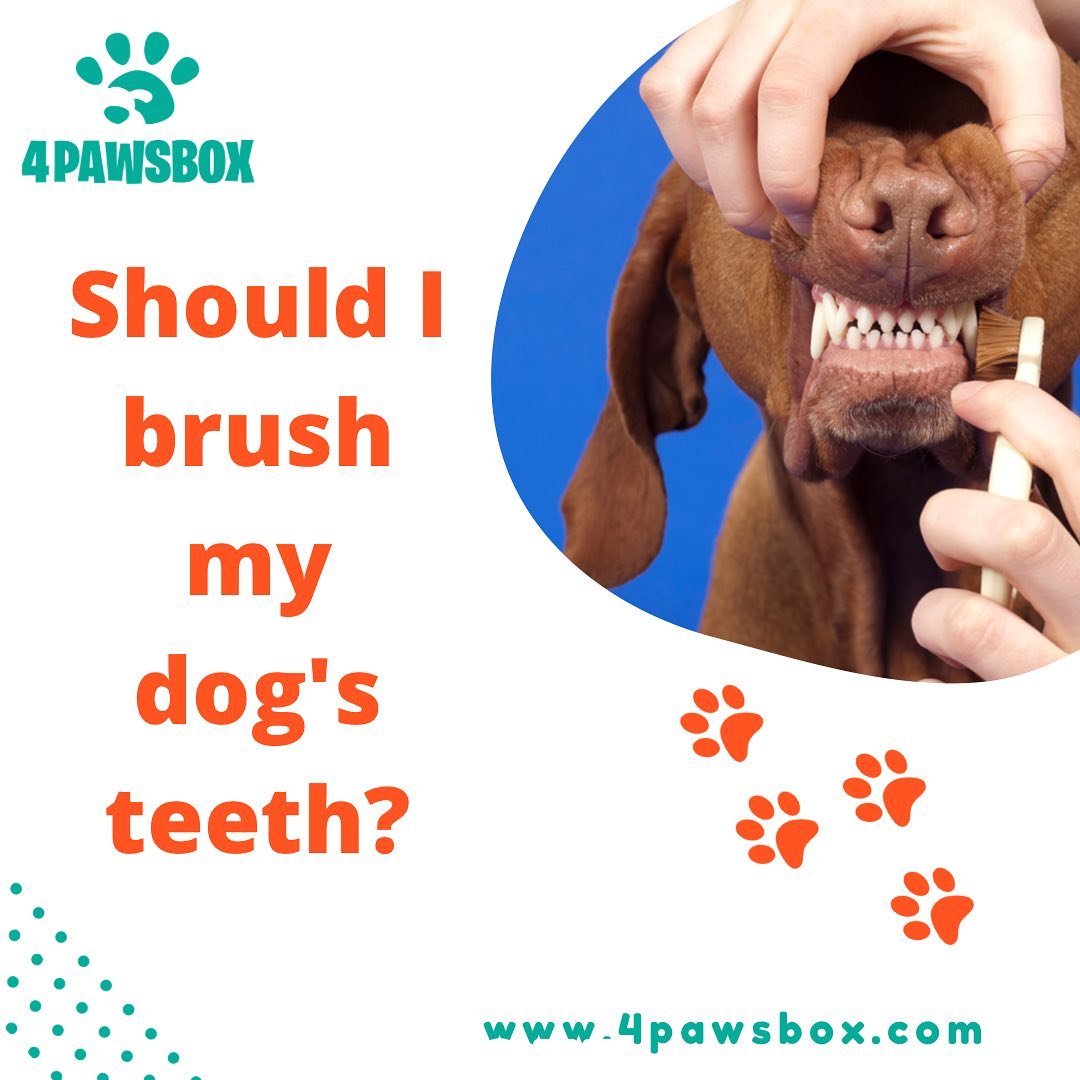
Brushing helps remove plaque that builds up on teeth. Plaque can harden into tartar, which is harder to remove. Tartar can lead to gum disease. Regular brushing keeps these problems at bay.
Improved Breath
Bad breath often signals dental issues. Brushing helps eliminate bacteria that cause odor. Fresher breath means a healthier mouth. Your dog’s kisses become more pleasant.
Credit: www.facebook.com
Frequency Of Brushing
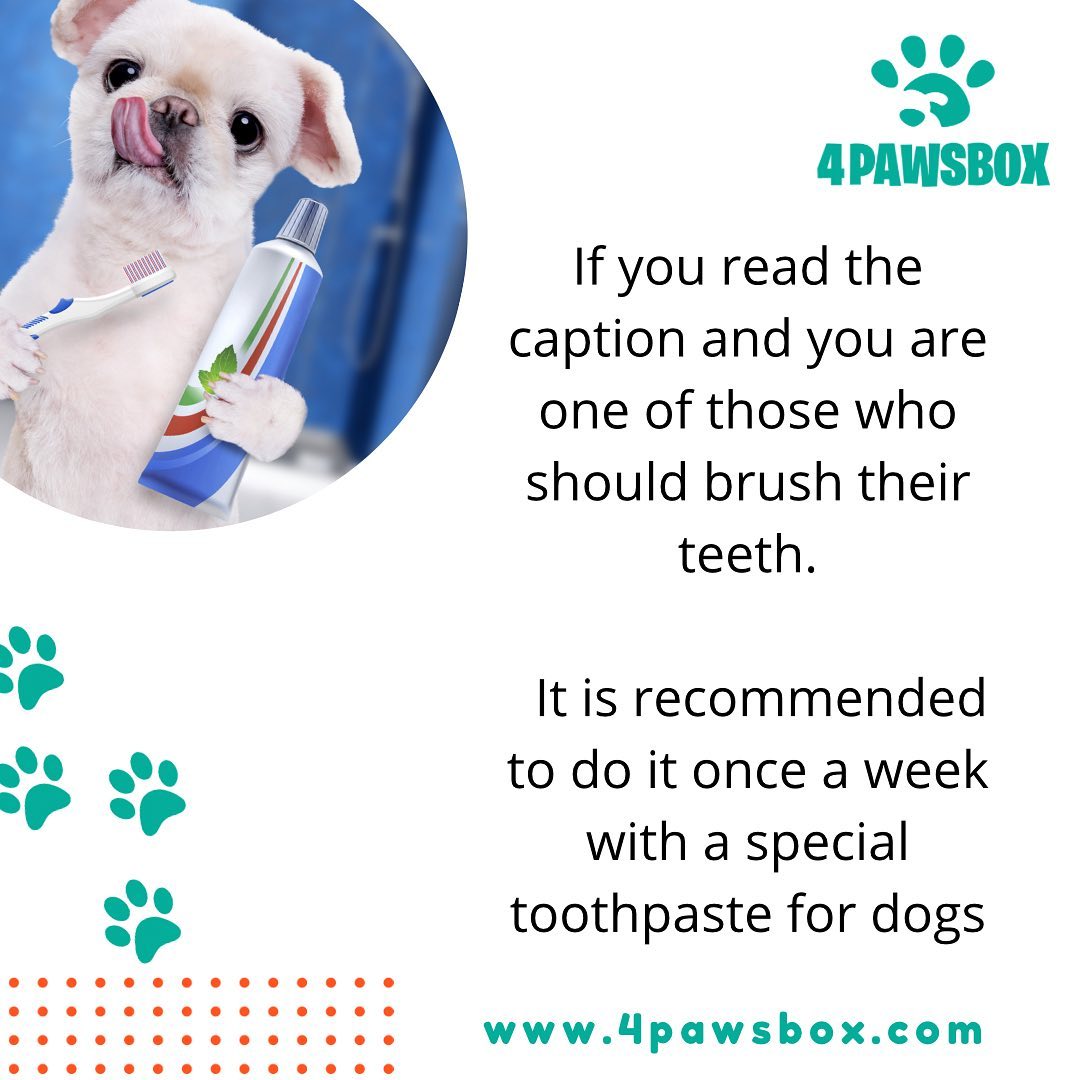
Brushing your dog’s teeth regularly helps prevent dental issues. Aim for at least two to three times a week. This practice maintains oral health and freshens breath.
Determining how often you should brush your dog’s teeth can be a bit of a puzzle. Proper dental care is crucial for their overall health, yet many dog owners aren’t sure how frequently to do it. Understanding the right frequency can make a significant difference in maintaining your dog’s oral hygiene.Daily Vs. Weekly Routine
Brushing your dog’s teeth daily might seem like a daunting task, but it offers the best protection against plaque and tartar buildup. Just like humans, dogs benefit from regular brushing to prevent oral diseases. However, if daily brushing feels overwhelming, a weekly routine can still be beneficial. Consistency is key. Even a weekly effort can reduce the risk of dental issues significantly.Signs Of Needed Attention
Sometimes, your dog’s mouth will tell you when it needs more frequent care. Bad breath, for instance, isn’t just an annoyance; it’s a sign that bacteria might be thriving in your dog’s mouth. Visible tartar, red gums, or any discomfort when eating are clear indicators that it’s time to step up the brushing routine. If your dog shows any of these signs, consider increasing the frequency of brushing. Recognizing these signs early can save your dog from painful dental problems and save you from costly vet bills. Are you noticing any of these signs in your furry friend? It’s time to take action!Choosing The Right Tools
Choosing the right tools is key for brushing your dog’s teeth. Opt for a dog-specific toothbrush and toothpaste. This ensures safety and effectiveness while maintaining your pet’s oral health.
Choosing the right tools for brushing your dog’s teeth is crucial for maintaining their dental health. It’s not just about grabbing any toothbrush and toothpaste; the choices you make can impact how comfortable and effective the experience is for your furry friend. Selecting the appropriate tools can make a world of difference in making tooth brushing a positive part of your dog’s routine.Dog Toothbrush Options
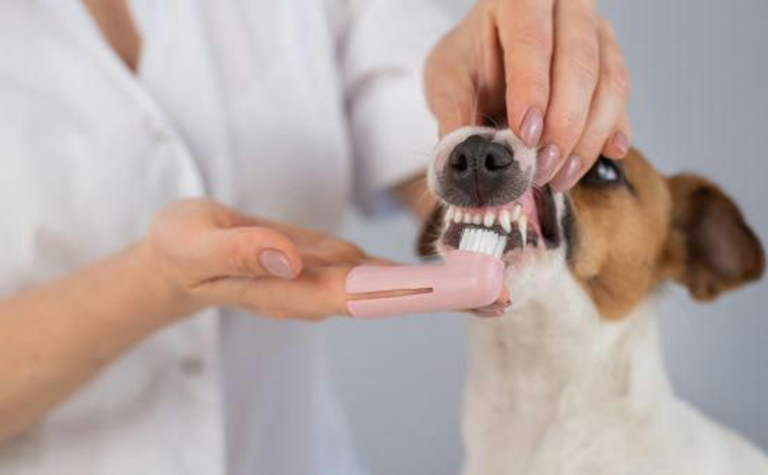
Dog toothbrushes come in various shapes and sizes, each designed to cater to different breeds and preferences. You might opt for a finger brush, which allows you to have more control and is often less intimidating for first-timers. Alternatively, traditional long-handled brushes are perfect for reaching those hard-to-get areas in larger dogs. Soft bristles are essential to prevent gum irritation. Consider the size and shape of your dog’s mouth when choosing a toothbrush. Some brands even offer dual-headed brushes for maximum coverage.Safe Toothpaste For Dogs
Never use human toothpaste on your dog, as it contains ingredients harmful to them. Instead, look for dog-specific toothpaste that comes in enticing flavors like chicken or beef, making the experience more enjoyable for your pet. Check the label for enzymatic formulas, which help break down plaque and reduce tartar buildup. These toothpastes are not only safe but also enhance the cleaning process. Have you ever thought about how much your dog might actually enjoy the taste? This can be a game-changer, turning a dreaded task into a treat.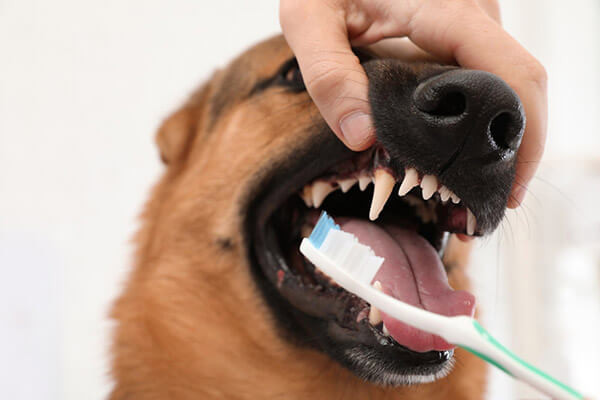
Credit: www.scottsdaleveterinaryclinic.com
Step-by-step Brushing Guide
Brushing your dog’s teeth might seem daunting, but it’s a crucial step in maintaining their oral health. A step-by-step guide can simplify the process, making it manageable for both you and your furry friend. Let’s delve into two main aspects: preparing your dog for brushing and mastering the brushing technique.
Preparing Your Dog
Start by introducing your dog to the toothbrush and toothpaste gradually. Choose a flavor your dog might enjoy, such as chicken or peanut butter, to make the experience pleasant.
Let your dog sniff and taste the toothpaste. This builds familiarity and reduces anxiety.
Next, find a comfortable spot for both of you—perhaps a cozy corner in your living room. Make sure the area is calm and free from distractions.
A gentle approach is essential. Speak softly and offer reassurance throughout the process. Patience here will pay off in the long run.
Brushing Technique
Position yourself beside your dog, not in front, to maintain a relaxed posture. Hold the toothbrush at a 45-degree angle to reach the gum line effectively.
Use circular motions to clean the teeth. Focus on the outer surfaces first, as dogs tend to tolerate this better.
Be gentle yet firm, ensuring you cover all areas without causing discomfort. If your dog resists, it’s okay to take breaks and try again later.
Reward your dog with a treat after brushing. This reinforces the idea that teeth cleaning is a positive experience.
Consistency is key. Aim for a routine that suits your schedule, perhaps brushing a few times a week to start.
Have you ever wondered why dental health is often overlooked in pets? By embracing this simple guide, you can ensure your dog’s smile stays bright and healthy.
Alternatives To Brushing
Brushing your dog’s teeth can be a challenge. Many dogs dislike the feeling, and it can be tough to keep them still. Luckily, there are alternatives that can help maintain your dog’s dental health without the struggle of brushing. These methods are effective and easier for both you and your pet.
Dental Chews
Dental chews are a simple solution for canine oral care. They are designed to clean your dog’s teeth as they chew. They help reduce plaque and tartar buildup. Dogs often enjoy the taste, making it a treat rather than a chore. Look for chews approved by veterinarians for best results.
Professional Cleanings
Professional cleanings by a vet can deeply clean your dog’s teeth. This involves a thorough examination and cleaning under anesthesia. It removes plaque and tartar that home care might miss. Regular professional cleanings can prevent serious dental issues. Consult your vet to determine how often your dog needs a cleaning.
Common Challenges And Solutions
Brushing a dog’s teeth can be tricky due to their restlessness and dislike of the process. Patience and using dog-friendly toothpaste can help ease the task. Regular dental care prevents plaque buildup, ensuring your pet’s oral health stays in top shape.
Brushing your dog’s teeth might seem daunting. Many dog owners face challenges. Resistance is common. Some dogs dislike having their teeth brushed. Training can be difficult. But solutions exist. Understanding these challenges helps. You can make brushing easier. Let’s explore some tips.Dealing With Resistance
Dogs often resist brushing. They may squirm or run away. This can be frustrating. Stay calm. Patience is key. Start slowly. Introduce the toothbrush gently. Let your dog sniff it first. Use a soft-bristled brush. Pair brushing with treats. This makes it rewarding. Gradually increase brushing time. Consistency builds trust.Effective Training Tips
Training helps overcome resistance. Begin with short sessions. Just a few minutes daily. Make it fun. Use a playful tone. Praise your dog often. Positive reinforcement works well. Use flavored toothpaste. Dogs enjoy tasty flavors. This encourages them. Build a routine. Brush at the same time each day. Your dog will get used to it.Signs Of Dental Issues
Dental health plays a crucial role in your dog’s overall well-being. Ignoring dental issues can lead to serious health problems. Understanding the signs of dental issues can help prevent these complications.
Recognizing Symptoms
Dogs often show clear signs when dental problems arise. Bad breath is a common symptom. If your dog’s breath smells worse than usual, it might be a sign. Check their gums for redness or swelling. Healthy gums are pink, not red. Observe if your dog paws at their mouth. This can indicate discomfort or pain. Difficulty eating or a drop in appetite can also signal dental issues. Watch for signs of drooling more than normal. Excessive drooling might mean something is wrong.
When To Visit The Vet
Don’t ignore persistent symptoms. A vet visit is necessary if signs persist. Regular check-ups can catch dental issues early. Visit the vet if your dog shows signs of pain. Swollen or bleeding gums need immediate attention. If you notice loose or missing teeth, consult a vet. Early intervention can prevent severe complications. Regular vet visits ensure your dog’s mouth stays healthy. Addressing dental concerns promptly keeps your pet happy and comfortable.
Credit: www.facebook.com
Myths About Dog Dental Care
Many believe brushing a dog’s teeth is unnecessary, but it’s vital for their oral health. Neglecting dental care can lead to problems like gum disease and tooth decay. Regular brushing helps maintain healthy teeth and prevents costly vet visits.
Myths about dog dental care are common among pet owners. Many believe dogs don’t need dental care. Others think only older dogs require it. These misconceptions can harm your pet’s health. Understanding the truth is important for your dog’s well-being. Let’s explore some common myths and the truths behind them.Misconceptions
Many think dogs naturally clean their teeth by chewing. This is not true. Chewing helps, but doesn’t replace brushing. Another myth is that bad breath is normal for dogs. Bad breath can signal dental problems. Some believe dog dental care is expensive. Regular brushing can actually save money on future vet bills.Truths
Brushing your dog’s teeth helps prevent gum disease. It also reduces plaque and tartar buildup. Regular dental care improves your dog’s overall health. It can prevent issues like heart disease. Using a dog-friendly toothbrush and toothpaste is important. Human toothpaste can be harmful. Regular vet check-ups are also key for dental health. They help catch problems early.Frequently Asked Questions
Why Is Brushing My Dog’s Teeth Important?
Brushing your dog’s teeth prevents plaque buildup and reduces the risk of gum disease. It helps in maintaining fresh breath and overall oral health. Regular brushing can also prevent costly dental procedures in the future.
How Often Should I Brush My Dog’s Teeth?
It’s recommended to brush your dog’s teeth daily or at least three times a week. Consistent brushing helps maintain oral hygiene and prevents dental issues. Establishing a routine will make the process easier for both you and your dog.
What Happens If I Don’t Brush My Dog’s Teeth?
Neglecting to brush your dog’s teeth can lead to plaque buildup and tartar formation. This may result in gum disease, tooth decay, and bad breath. Over time, dental neglect can cause serious health issues, including infections and pain.
Can I Use Human Toothpaste For My Dog?
No, human toothpaste can be harmful to dogs. It often contains ingredients like fluoride, which are toxic to them. Always use toothpaste specifically formulated for dogs, which is safe and often comes in pet-friendly flavors.
Conclusion
Brushing your dog’s teeth is important. It helps prevent dental issues. Healthy teeth lead to a happy dog. Start brushing early for best results. Use a dog-friendly toothbrush and toothpaste. Make it a fun routine with rewards. Your dog needs clean teeth for a healthy life.
Dental problems can cause pain and affect their mood. Regular brushing saves costly vet bills. Keep the process simple and consistent. Build a strong bond while caring for your pet’s health. Protect their smile today with daily brushing. Your dog deserves the best care you can offer.